Gel Nails Guide: Safety, Removal, Allergies and Nail Care
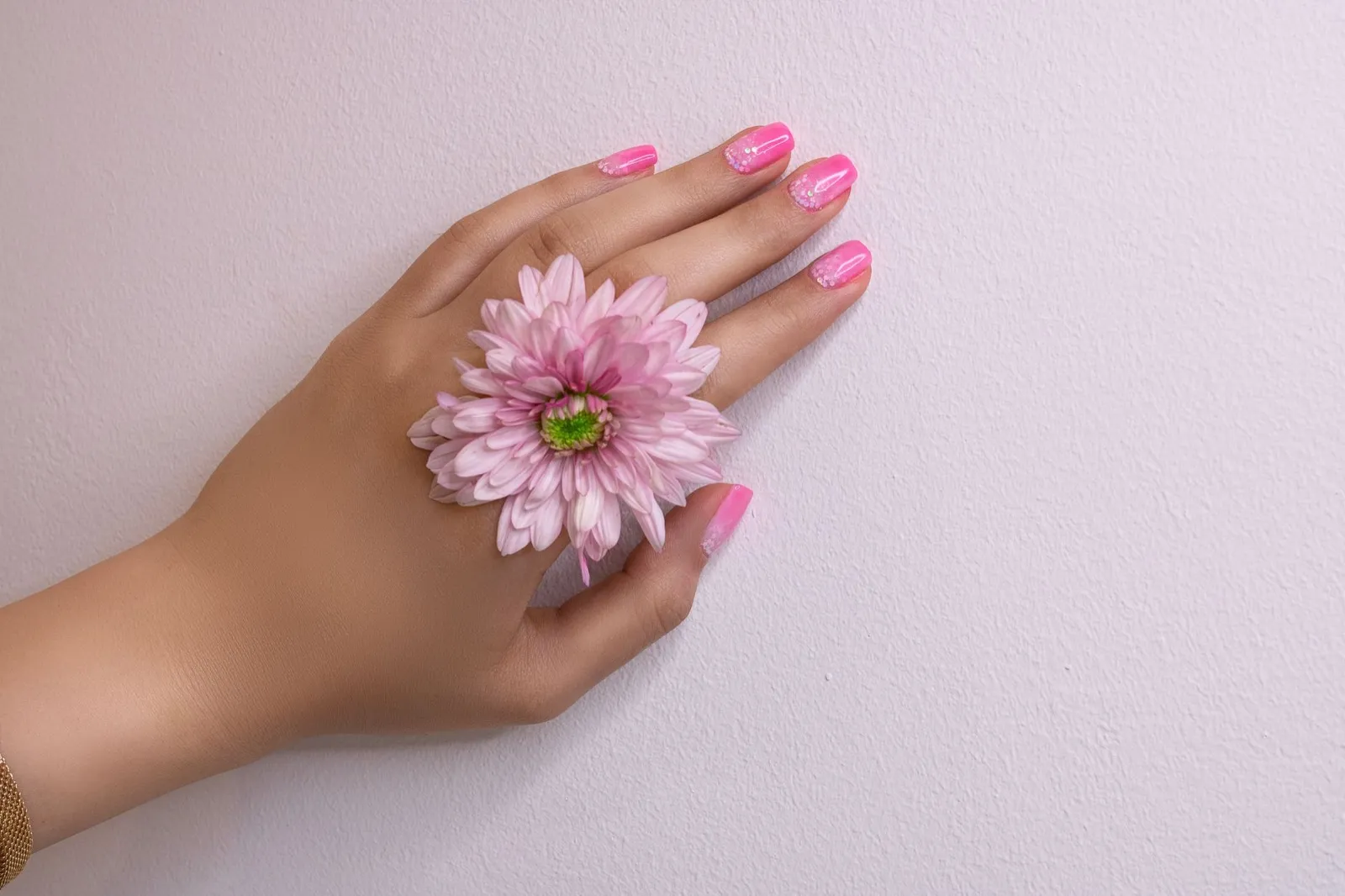
Image Credit: Pexels / mehrab zahedbeigi
Gel nails can provide a smooth, glossy manicure that lasts longer than ordinary nail polish. The gel is hardened beneath a specialised lamp, creating a durable coating that may resist chipping for several weeks.
The safest approach is to use properly matched products and curing equipment, keep uncured gel away from skin, and remove the manicure without peeling or scraping the natural nail. Poor application, incomplete curing and repeated skin contact may increase the risk of irritation or an acrylate allergy.
Gel manicures can also leave nails brittle, thin or peeling, particularly when the product is removed forcefully or the natural nail is filed too aggressively.
What are gel nails?
Gel nails are created using polish or building gel that hardens under a curing lamp. Unlike ordinary varnish, gel products do not simply dry through exposure to air.
A typical gel manicure includes preparing the natural nail, applying and curing a base coat, applying and curing colour coats, applying and curing a top coat and removing any sticky surface layer if required.
Use the lamp, exposure time and application method recommended by the manufacturer. Mixing products and lamps from unrelated systems may result in incomplete curing even when the surface appears hard.
Gel polish, builder gel and hard gel
Gel polish is applied in thin layers over the natural nail and adds colour and shine with limited structural support.
Builder gel is thicker and adds strength, shape or a small amount of length. Some builder gels soak off, while others need careful filing.
Hard gel creates strong enhancements and generally cannot be removed with ordinary acetone. It is reduced by careful filing, usually leaving a thin protective layer rather than filing into the natural nail.
Soft gel extensions use pre-shaped gel tips attached with gel adhesive and cured beneath a lamp. Removability depends on the system.
How long do gel nails last?
A gel manicure commonly lasts around two to three weeks, although wear depends on nail growth, preparation, product quality, curing, length, work, hobbies, water exposure, lifting and impact.
Leaving gel on much longer than recommended may increase lifting, cracking or pressure on the growing nail. Do not glue down lifted gel or fill a gap with an unrelated product.
Do gel nails damage natural nails?
Gel itself does not always damage natural nails. Much visible damage comes from preparation and removal.
Possible causes include filing the natural nail too aggressively, scraping or peeling the manicure, repeated changes without recovery, incorrect drilling, overly long extensions, leaving lifted gel in place, solvents and allergic reactions.
After removal, nails may feel thinner because layers of the plate were peeled or filed away. Nail tissue cannot be restored immediately; the damaged section must grow out.
Are gel nails safe?
Many people use gel nails without a problem, but concerns include allergic contact dermatitis, irritant reactions, thinning, brittleness, peeling, nail separation, infection beneath lifted product, UV exposure, cuticle damage and burns from incorrect curing.
Good technique can reduce some risks but cannot guarantee that an allergy will never develop.
What chemicals are used in gel nails?
Gel systems commonly contain acrylates or methacrylates, such as HEMA, Di-HEMA trimethylhexyl dicarbamate, hydroxypropyl methacrylate and ethylene glycol dimethacrylate.
Sensitisation is more likely when uncured or partly cured product repeatedly touches skin. Properly cured gel contains less unreacted material, although product quality and application still matter.
What is a gel nail allergy?
A gel nail allergy is usually allergic contact dermatitis caused by an acrylate or methacrylate. Symptoms may appear around the nails or on fingers, hands, eyelids, face, neck, ears or lips after transfer by touch.
Possible symptoms include itching, swelling, redness or colour change, burning, blistering, cracked skin, peeling fingertips, soreness, nail separation or a rash.
Symptoms may appear immediately or after months or years of previous gel use. Do not test a suspected allergy by applying gel to one nail again.
What should you do?
Stop using gel, acrylic and nail glue products until you have advice. Speak to a GP or dermatologist if the rash persists, several fingers are affected, eyelids or face are involved, the nail separates or reactions repeat.
Formal patch testing may investigate allergic contact dermatitis. Do not switch solely to a product labelled HEMA-free: it may contain another acrylate.
Why curing and skin contact matter
Curing may be incomplete when the lamp is incompatible, old or damaged, the time is too short, layers are too thick, colour is highly pigmented, fingers are positioned incorrectly or brands are mixed.
Use the complete manufacturer system. Uncured gel should remain on the nail plate, not the cuticle, sidewalls or fingertips.
If gel touches skin, stop before curing, remove it using the recommended method, check the surrounding area and cure only when skin is clean. Do not cure gel that has flooded into the cuticle area.
Are DIY gel nail kits safe?
Home kits can create additional risks when users have limited training. Common problems include skin contact, thick layers, unsuitable lamps, under-curing dark colours, excessive filing, peeling the product off, contaminated tools and continuing despite itching or swelling.
Follow the complete manufacturer system rather than combining an inexpensive lamp with unrelated gel products.
How to choose a gel nail salon
Look for a trained technician, clean work surfaces, disinfected reusable tools, single-use files or buffers where appropriate, labelled products, a compatible lamp, careful skin-free application, minimal filing and willingness to stop if there is pain or heat.
Avoid salons using unlabelled products, applying over damaged or infected nails, reusing dirty tools, covering cuticles, filing until painful, ignoring itching or gluing down lifted gel without checking underneath.
Do curing lamps damage skin?
Gel systems use lamps that emit ultraviolet radiation, including LED lamps. Exposure varies by device and service.
You may reduce exposure by choosing a compatible LED lamp, limiting unnecessary manicures, using fingerless UV-protective gloves and applying broad-spectrum sunscreen to the backs of hands before the appointment while keeping nail plates clean for adhesion.
Follow exact curing times rather than repeating cycles unnecessarily.
How often can you get gel nails?
There is no universal schedule. Consider a break if nails become brittle, painful, thin, peeling, rough, discoloured, separated or irritated around cuticles.
A break does not instantly repair existing damage, but reduces repeated filing and solvents while the nail grows out. Nails do not need to “breathe”; the benefit comes from reducing exposure and trauma.
How to prepare natural nails for gel
Wash and dry hands, inspect nails and surrounding skin, remove old product correctly, shape the free edge, gently tidy loose cuticle tissue, lightly remove surface shine only if required, remove dust and apply the recommended preparation.
Do not apply gel over broken skin, bleeding cuticles, suspected fungal infection, painful nails, significant separation, swollen nail folds, unexplained dark marks or green discolouration.
Do not cut living cuticle tissue. Removing it may cause bleeding, inflammation and increased infection risk.
Why gel nails lift, peel or feel hot
Lifting may result from oil or moisture, incorrect preparation, gel touching cuticle, incomplete curing, thick layers, incompatible products, water exposure, impact, damaged nails or long extensions.
Peeling may result from poor preparation, wrong base coat, incompatible lamp, insufficient curing or product on surrounding skin. Do not repeatedly roughen the natural nail to improve adhesion.
Heat spikes can occur while gel cures, especially with thick builder layers or thin, over-filed nails. Tell the technician immediately if curing becomes painful.
How to remove gel nail polish safely
Removal depends on whether the gel is soak-off or file-off. Check the product system first.
Soak-off gel
- Shorten nails if needed.
- Gently break the top-coat seal.
- Protect surrounding skin with petroleum jelly.
- Place acetone-soaked cotton over each nail.
- Wrap according to instructions.
- Wait the recommended time.
- Gently slide away softened product.
- Repeat soaking if needed.
- Wash hands and moisturise.
Never force off bonded gel. Hard gel generally needs professional filing; leave a thin layer rather than removing every trace and damaging the nail.
Protecting skin during acetone removal
Use cotton sized to the nail, avoid soaking the whole hand, use only the required exposure time, wash afterwards and apply hand cream and cuticle oil.
Use acetone in a ventilated area away from heat, sparks and flames. Stop if skin becomes very painful or inflamed.
Why peeling gel off is damaging
Peeling may remove natural nail layers, causing white rough patches, thin nails, splitting, sensitivity, uneven texture, pain and longer recovery.
Even when gel lifts at one edge, the remaining area may be firmly attached. Use the intended removal method.
Nail care after gel removal
Trim or file rough edges, keep nails relatively short, moisturise after washing, use cuticle oil if desired, wear gloves for wet work and avoid aggressive buffing.
Do not immediately apply another enhancement if the nail is painful. Allow visible damage to grow out. A clear polish may reduce snagging but cannot rebuild peeled layers.
A break is sensible when you notice peeling, significant thinning, white rough patches, soreness, separation, discolouration, cracking or skin irritation. Damaged nail plate may take several months to grow out.
Can gel make natural nails stronger?
Gel can temporarily create a firm layer that protects flexible nails from bending and snagging. This is temporary support, not a permanent change to natural strength.
After removal, natural nails return to their original strength unless damaged during preparation or removal. Gel should not hide unexplained weakness without considering its cause.
Gel nails on short or bitten nails
Gel polish can be applied to short nails and may catch less, place less pressure on the plate and suit active work.
Do not apply gel over bitten, bleeding or broken skin. Gel may provide a physical barrier for nail biting, but does not address every cause such as stress, boredom or concentration.
Can gel nails cause infection?
Gel does not automatically cause infection, but microorganisms may enter damaged skin or become trapped beneath lifting.
Warning signs include increasing pain, warmth, swelling, pus, bad smell, green or unusual discolouration, separation, spreading redness or throbbing. Do not cover suspected infection with more gel.
Do not put gel over a fungal nail infection. Gel hides the nail and does not treat infection. Thick, crumbly, distorted or discoloured nails should be assessed.
A green colour beneath lifted product may indicate bacterial growth where moisture collected. Remove enhancement safely and seek advice rather than covering it.
Gel nails during pregnancy and for children
During pregnancy, choose a ventilated salon, prevent uncured gel touching skin, use matched equipment and avoid treatment over a rash. Ask a midwife, pharmacist or GP about frequent exposure or previous allergy.
Children may have thinner nails and more sensitive skin. Gel introduces acrylate exposure, removal chemicals and curing lamps for a cosmetic result. Ordinary age-appropriate polish may be simpler. Do not apply gel to damaged or inflamed nails.
How to make gel nails last longer safely
Keep uncured gel away from skin, use thin layers, use the correct lamp and cure time, seal the free edge if instructed, wear gloves for cleaning, avoid using nails as tools, file small snags and have lifting repaired or removed.
Do not extend wear by keeping cracked or lifted gel in place.
Common gel nail mistakes
Avoid peeling manicures, mixing brands and lamps, applying thick coats, curing gel on skin, ignoring itching, filing until hot, gluing down lifted gel, sharing tools, covering discolouration and assuming HEMA-free means risk-free.
When to get professional help
Stop using gel products and speak to a GP or dermatologist for persistent itching, swelling, blistering, cracked or weeping skin, nail separation, rashes on hands, face or eyelids, repeated reactions or pain after removal.
Speak to a pharmacist, GP or podiatrist if a nail becomes thick, crumbly, green, yellow, unusually dark, painful, warm, swollen, surrounded by pus, separated, difficult to cut or distorted.
Seek prompt advice if redness, pain or swelling spreads, particularly with diabetes, poor circulation or a weakened immune system.
Seek urgent medical help if a nail product causes difficulty breathing, faintness or swelling of your lips, mouth, tongue or throat.
Related reading
- Nail Care Guide: How to Keep Your Nails Healthy and Strong
- Sensitive Skin Skincare Guide: Triggers, Ingredients and a Gentle Routine
- Common Skin Concerns: Causes, Skincare and When to Seek Help
- Skincare Routine Guide: The Right Order for Every Skin Type