Nail Care Guide: How to Keep Your Nails Healthy and Strong
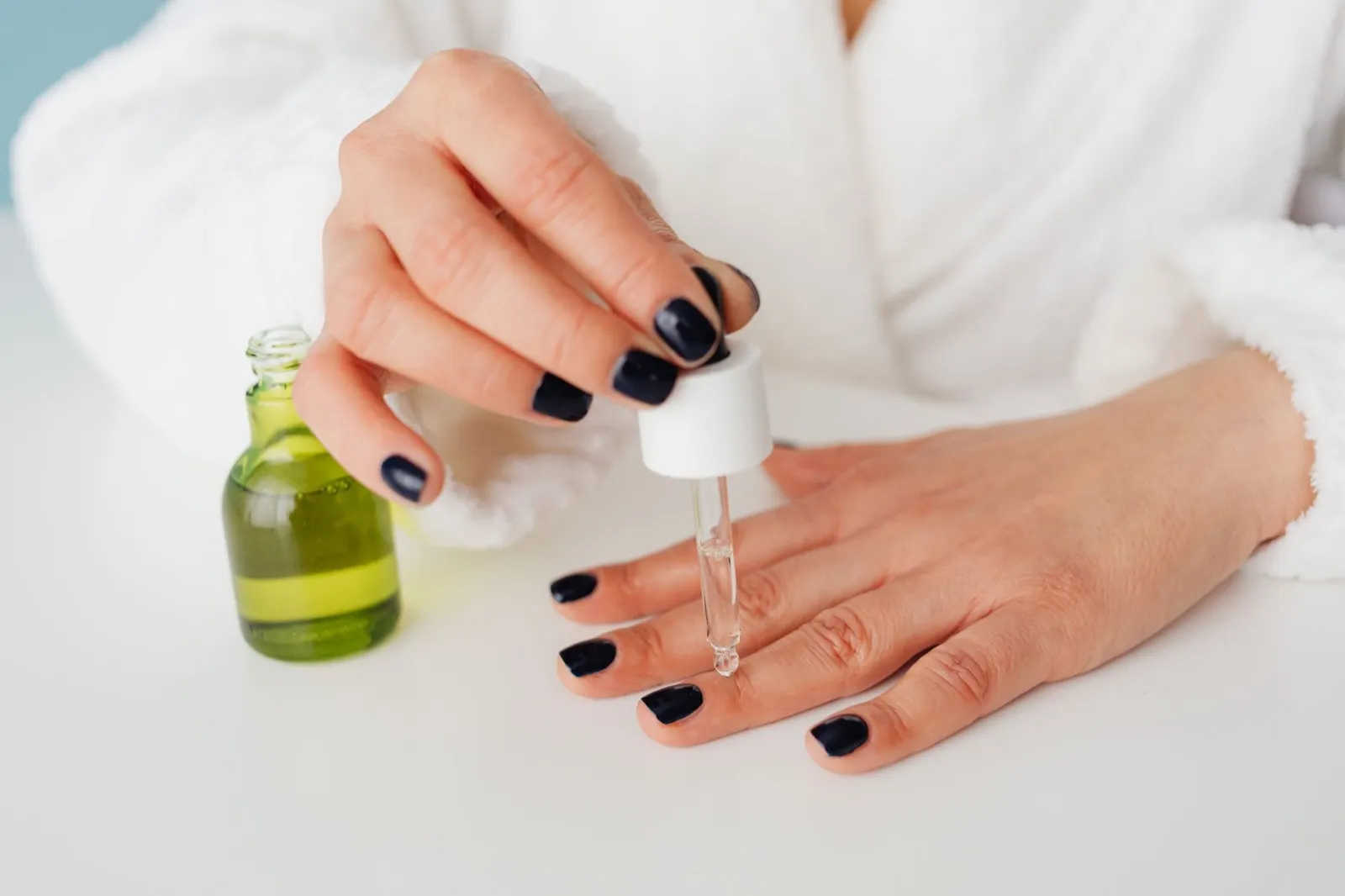
Image Credit: Pexels / https://kaboompics.com/
A good nail care routine is simple. Keep your nails clean and gently trimmed, moisturise your hands and cuticles, protect them from repeated water and chemical exposure, and avoid using your nails as tools.
Healthy nails do not need to be perfectly smooth, long or polished. Small differences in colour, shape and texture can occur naturally. However, unexplained changes, pain, swelling or a nail that begins separating from the skin should be assessed rather than covered with polish.
What are nails made from?
Nails are mainly made from keratin, a strong protein also found in hair and the outer layer of skin.
The visible hard section is the nail plate. It lies over the nail bed, while new nail cells form beneath the skin near the base.
Other parts include:
- Nail matrix, where growth begins
- Cuticle, which helps seal the space around the nail
- Nail folds, the skin around the sides
- Lunula, the pale half-moon near the base
- Free edge, which extends beyond the fingertip
The cuticle has a protective purpose. Cutting it away too aggressively can create openings through which irritants or microorganisms may enter.
What do healthy nails look like?
Healthy nails are usually firm but slightly flexible, attached to the nail bed, fairly even in colour, free from persistent pain or swelling and strong enough for ordinary activities.
Fine vertical ridges may become more noticeable with age and are often harmless. Nail-bed colour varies with skin tone, so a healthy nail does not need to look pale pink in every person.
Pay attention to changes rather than comparing nails with edited photographs or salon images.
A simple nail care routine
Keep nails clean and dry, trim and file them carefully, moisturise nails and surrounding skin, wear gloves for wet or chemical work, avoid biting and picking, remove polish and artificial nails gently and check regularly for changes.
Consistency matters more than adding several nail oils, hardeners or strengthening treatments at once.
How to trim fingernails
Trim fingernails after bathing or showering if possible, using clean clippers or scissors.
- Cut mostly straight across.
- Round corners slightly.
- Leave a small free edge.
- Smooth rough areas with a file.
- File gently in one direction where practical.
Keep fingernails relatively short to reduce breakage. Do not cut deeply into the sides.
How to trim toenails
Cut toenails straight across rather than deeply rounding the corners. Leave them long enough that the corners remain visible above the skin and smooth sharp edges carefully.
Do not force clippers through very thick toenails. A podiatrist can help if nails are painful, too thick or difficult to reach.
Trim whenever length becomes uncomfortable or increases the risk of catching. Fingernails generally need more frequent trimming than toenails.
How to file nails safely
Use a clean file with suitable roughness and light pressure. Shape the free edge rather than thinning the whole nail plate.
Avoid aggressive sawing and frequent surface buffing, which can make nails thinner. Do not share files that cannot be disinfected.
Should you cut your cuticles?
It is generally better not to cut away cuticles. To tidy them, soften the area with warm water or cuticle oil, gently push back only loose tissue and trim only clearly detached hangnails with clean tools.
Do not pull hangnails. This can tear living skin and create a painful open area. Apply hand cream or nail oil afterwards.
How to moisturise nails and cuticles
Apply hand cream to the backs of hands, palms, fingertips, cuticles, surrounding skin and nail plates after washing and polish removal.
Useful ingredients may include glycerin, petrolatum, dimethicone, ceramides, urea, shea butter, squalane and plant oils.
Nail oil is optional. An ordinary fragrance-free hand cream or ointment may work just as well for everyday care.
Protecting nails from water and chemicals
Repeated wetting and drying can contribute to splitting, peeling and irritation. Wear suitable gloves when washing dishes, cleaning, gardening in wet soil, washing a car or handling detergents.
Follow cleaning-product safety instructions. Do not mix chemicals, scrape with your nails, handle strong products with damaged skin or continue wearing torn gloves.
Wash hands after exposure and moisturise. Persistent redness, itching or cracking may be contact dermatitis.
What causes brittle or peeling nails?
Brittle nails may split, peel, crack or break because of repeated water exposure, polish removal, acetone, gel or acrylic removal, aggressive buffing, biting, picking, dry weather, age-related changes, injury, skin conditions, medicines or sometimes an underlying health issue.
Brittle nails alone do not confirm a vitamin deficiency. Keep nails shorter while they recover, file snags, moisturise after washing, wear gloves, take breaks from artificial nails, avoid peeling gel polish and limit buffing.
A clear base coat may provide temporary protection but cannot correct an underlying medical cause.
Do nail strengtheners work?
Some nail strengtheners create a temporary film that reduces bending or splitting. Results vary according to formula and cause of weakness.
Some hardeners can make nails overly rigid, causing them to snap rather than flex. Stop if a product causes burning, redness, itching, nail separation, peeling skin or a rash.
Can you repair a split nail?
A small split limited to the free edge can often be managed by trimming or filing the damaged section.
If a split extends into the attached part, keep the nail clean, protect it from impact, avoid pulling the section and cover it lightly if it catches. Seek advice if it is painful or bleeding.
Do not apply household glue to injured skin.
Can diet or biotin make nails stronger?
Nail growth depends on general health and adequate nutrition. A varied diet should provide protein, iron, zinc and other nutrients involved in tissue growth.
Biotin supplements are often marketed for hair and nails, but routine use is not necessary for most people eating a varied diet. High-dose biotin can interfere with blood tests. Tell healthcare professionals about supplements before testing.
Ask a pharmacist or GP before supplements if pregnant, breastfeeding, taking medicines or living with a medical condition.
How long do damaged nails take to recover?
Nails grow slowly. Damaged sections must grow towards the free edge before they can be trimmed away. Fingernails generally grow faster than toenails, and a full toenail replacement may take many months.
Recovery varies with age, health, affected nail, level of damage, ongoing trauma, infection, circulation and medicines.
Nail polish and artificial nails
Polish can be used by many people. Apply it to clean, dry nails in thin coats, allow each coat to dry, remove it gently and moisturise afterwards.
Dark polish can temporarily stain nails. Yellow nails may also result from fungal infection, smoking, nail separation, psoriasis or another condition. Seek advice if staining comes with thickening, crumbling, pain or separation.
Acetone removes polish quickly but may feel drying. Use remover in a ventilated room and keep it away from flames.
Gel and acrylic nails
Gel and acrylic systems may cause thinning, peeling, brittleness, irritation, separation, acrylate allergy or filing damage. Do not peel gel polish off; use the recommended soak-off process or a trained technician.
Extensions that are too long may catch and stress natural nails. Have lifted acrylic removed or repaired rather than gluing it down.
Press-on nails should be applied only to healthy, unbroken nails. Stop glue if surrounding skin becomes itchy, swollen or blistered.
Nail lamps
UV and LED lamps can emit ultraviolet radiation. Fingerless UV-protective gloves or sunscreen on exposed hand skin may be considered while keeping nail plates clean for product application.
Gel and acrylic nail allergies
Gel polish, acrylic systems and nail glues can contain acrylates that cause allergic contact dermatitis. Symptoms may appear around nails or on fingers, eyelids, face and neck.
Possible symptoms include itching, redness, swelling, blistering, cracking, nail separation and persistent soreness.
Do not continue using a product to test whether the reaction happens again. Seek medical advice, as formal patch testing may be needed.
Choosing a safer nail salon
Look for clean work surfaces, clean towels, disinfected reusable tools, single-use files where appropriate, fresh foot baths, labelled products, good ventilation and technicians who avoid cutting living skin.
Do not have a manicure or pedicure over infected, broken or inflamed skin. Reusable metal tools should be cleaned and disinfected appropriately; porous files, buffers, wooden sticks and toe separators may need to be single-use.
After a manicure, apply hand cream, avoid using nails as tools, wear gloves for cleaning, file snags, do not pick lifting polish and arrange safe removal of lifted artificial nails.
Toenail care and ingrown toenails
Keep feet clean and dry, especially between toes. Trim toenails straight across and wear shoes with enough room. Change socks after heavy sweating and allow shoes to dry.
To reduce ingrown toenail risk, do not cut nails too short, dig into corners or cut a V shape into the centre. Seek advice if a toe becomes increasingly painful, red, swollen or produces pus.
What is a fungal nail infection?
A fungal infection may cause a nail to become thick, yellow, white, brown or otherwise discoloured, brittle, crumbly, distorted or separated from the nail bed.
Similar changes can result from injury, psoriasis or another condition, so appearance alone may not confirm infection. A pharmacist can advise on treatment, which may take many months while damaged nail grows out.
Ordinary polish may hide colour but does not treat infection. Do not share polish, files or clippers used on an affected nail.
What is paronychia?
Paronychia is inflammation or infection around a nail. The area may become red or darker, swollen, warm, tender, painful or filled with pus.
It may begin after biting, cuticle damage, a hangnail, manicure trauma or repeated wet work. Do not squeeze or pierce a swollen area. Seek medical advice for sore, red, swollen and warm skin around a nail.
Other nail changes
Nail separation, called onycholysis, may follow injury, pressure, products, fungal infection, psoriasis, medicines, chemicals, over-cleaning or artificial nail damage. Keep the nail short and avoid cleaning deeply underneath it.
Small white marks are often related to minor injury and grow out gradually; they are not usually proof of calcium deficiency.
Fine vertical ridges may be harmless. Deep horizontal grooves or pitting can follow illness, injury or conditions such as psoriasis and should be assessed if sudden or widespread.
An unexplained new brown or black line should be assessed, especially if it widens, changes colour, extends into surrounding skin, appears without injury or affects one nail. Do not cover a changing mark with opaque polish.
Nail biting and skin picking
Nail biting can cause soreness, bleeding, infection, hangnails, uneven nails and tooth damage. Keep nails short, file snags, moisturise, identify triggers and keep hands occupied.
Picking skin around nails can create wounds and infection. Try hand cream, cleanly trimming hangnails, covering sore areas and using a fidget object. Seek help if the habit causes injury, infection, scarring or distress.
Nail care during pregnancy
Pregnancy may change nail growth or strength. Ordinary nail care and polish may be acceptable for many people, but use ventilation and avoid prolonged chemical contact.
Ask a midwife, pharmacist or GP about medicated nail treatments during pregnancy. Check antifungal-product instructions rather than assuming every topical product is suitable.
Common nail care mistakes
Avoid:
- Cutting nails too short
- Rounding toenail corners deeply
- Cutting cuticles
- Peeling off gel polish
- Buffing too often
- Using nails as tools
- Ignoring lifted artificial nails
- Covering unexplained changes with polish
- Sharing nail tools
- Taking high-dose vitamins without advice
When to get professional help
Speak to a pharmacist, GP, podiatrist or dermatologist if a nail changes colour, shape or texture without a clear reason, falls off unexpectedly, becomes thick, crumbly or distorted, separates from the nail bed, develops a new dark line, or several nails change.
Seek advice for red, warm, swollen or painful skin, pus, painful ingrown toenails, suspected fungal infection that does not respond to treatment, nails too thick to cut safely, symptoms of deficiency or a manicure product causing itching, swelling, blistering or rash.
Seek prompt advice if redness or swelling spreads, pain increases, or you have diabetes, poor circulation or a weakened immune system and develop a foot or nail problem.
Seek urgent medical help if a nail product causes difficulty breathing, faintness or swelling of your lips, mouth, tongue or throat.
Related reading
- Skincare Routine Guide: The Right Order for Every Skin Type
- Common Skin Concerns: Causes, Skincare and When to Seek Help
- Dry Skin Skincare Guide: Causes, Ingredients and a Simple Routine
- Sensitive Skin Skincare Guide: Triggers, Ingredients and a Gentle Routine