Hair Types Guide: How to Identify and Care for Your Hair
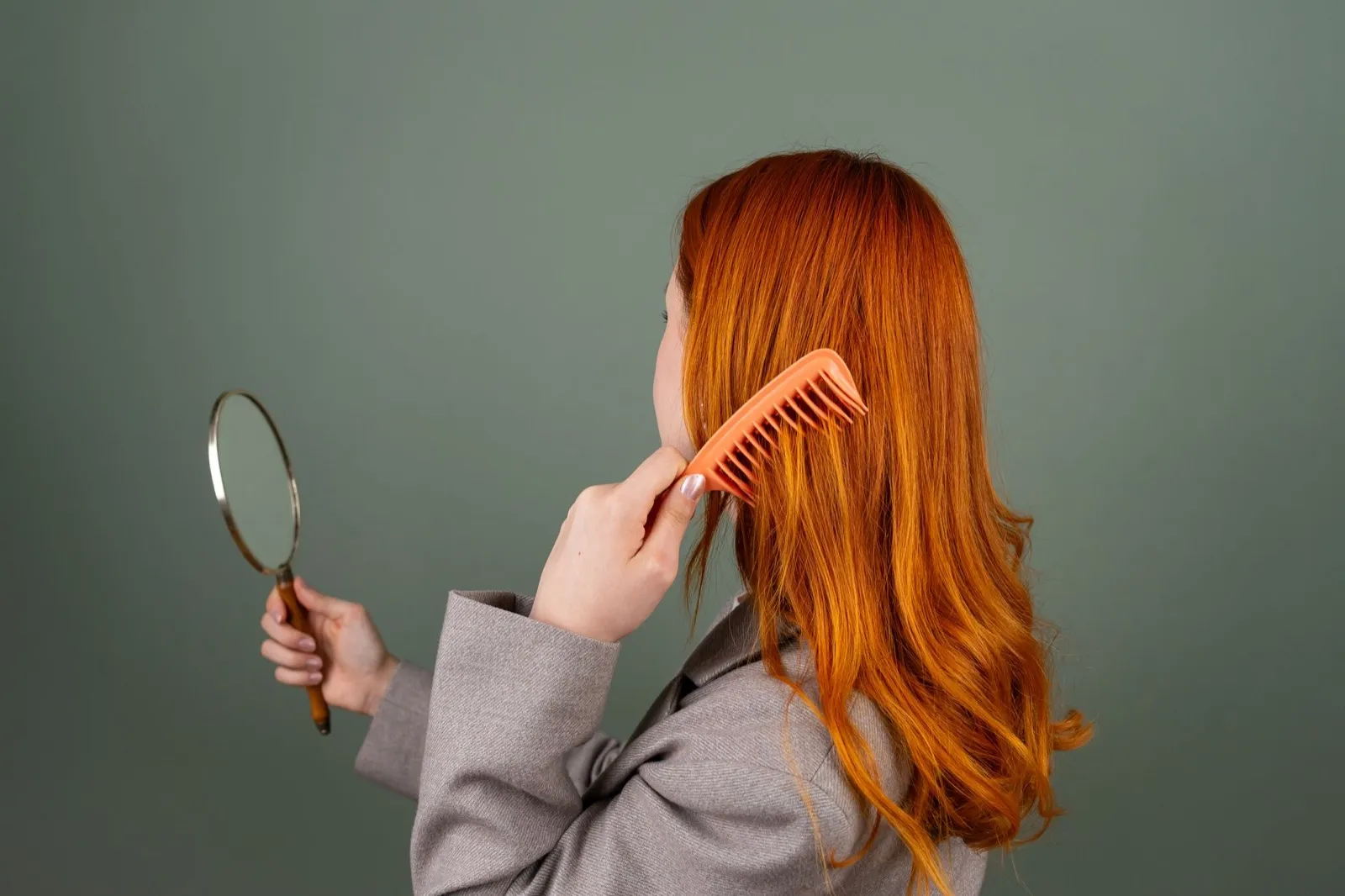
Image Credit: Pexels / Beyzanur K.
Your hair type is not defined by curl pattern alone. To understand what your hair needs, look at its shape, strand thickness, density, porosity, oiliness and current condition.
The four commonly used pattern groups are straight, wavy, curly and coily, often labelled Types 1 to 4. These categories can help choose styling methods, but they are not strict scientific diagnoses. Many people have two or more patterns on the same head.
A useful routine should also consider your scalp. Fine straight hair with an oily scalp may need frequent washing, while dry curly or coily hair may benefit from less frequent shampooing, regular conditioning and careful detangling.
What does hair type mean?
Hair type is a broad description of how hair naturally looks and behaves. It may refer to curl pattern, strand thickness, density, porosity, scalp oiliness, dryness, elasticity, frizz, damage, tangling and how well hair holds a style.
Two people with the same curl pattern may need completely different routines. Curl pattern is only the first step.
The four main curl pattern groups
The popular typing system divides hair into:
- Type 1: Straight
- Type 2: Wavy
- Type 3: Curly
- Type 4: Coily
Each may be divided into A, B and C categories describing how loose or tight the pattern appears. These labels are useful descriptions, not exact measurements.
How to identify your natural hair pattern
Examine hair after washing and allowing it to dry without straightening, curling or brushing it into a different shape. Use gentle shampoo and conditioner, then avoid heavy styling products while assessing it.
Notice whether strands dry straight, form loose bends, create S-shaped waves, form loops or spirals, create tight coils or a small zigzag pattern.
Patterns may change across the head. Roots may be straighter because weight stretches them, while colouring, bleaching, chemical straightening and heat styling can change the natural pattern.
Type 1: Straight hair
Straight hair dries without a defined wave, curl or coil. Natural oil can travel down straight strands more easily, so hair may become oily sooner, although straight hair can also be dry or damaged.
Type 1A
Usually very straight and fine, it may lie flat, become oily quickly, struggle to hold curls, feel weighed down and lack volume. Lightweight products are often most comfortable.
Type 1B
Straight hair with more body and gentle movement. It may have medium thickness, slightly bending ends and more volume than 1A.
Type 1C
Straight but often thicker, coarser or fuller. It may develop bends, become frizzy in humidity and need more smoothing.
Caring for straight hair
Wash according to scalp oiliness. Apply shampoo mainly to the scalp and conditioner through mid-lengths and ends.
Helpful products may include lightweight shampoo, volumising conditioner, light leave-in spray, heat protectant, occasional dry shampoo, occasional clarifying shampoo and light serum on ends.
Avoid layering oils and rich masks if they make hair flat or greasy.
Type 2: Wavy hair
Wavy hair forms bends or an S pattern without complete spirals throughout. Brushing, heavy products or hair weight may make it appear straight, while treating it like straight hair may increase frizz.
Type 2A
Loose, gentle waves that may look almost straight at the roots. It can lose definition easily and become flat under heavy products. Light mousse or spray may help.
Type 2B
A more noticeable S pattern that may begin at mid-lengths, frizz at the crown and need more hold. Mousse, gel or lightweight curl cream may help.
Type 2C
Strong waves with some loose curls. It may wave near the roots, frizz in humidity, feel thicker or coarser, need stronger hold and become dry at the ends.
Caring for wavy hair
Use a cleanser that removes scalp oil and build-up without drying the lengths. Condition mid-lengths and ends, then detangle gently.
Styling options include leave-in conditioner, mousse, foam, light curl cream, gel, carefully used sea-salt spray and anti-humidity serum.
Apply to wet or damp hair, scrunch upwards and air-dry or diffuse on low or medium heat. Avoid touching hair repeatedly while it dries.
Type 3: Curly hair
Curly hair forms defined loops, spirals or ringlets. Natural oil has a harder path down curved strands, so curls may be prone to dryness and breakage during rough detangling or heat styling.
Type 3A
Loose, wide curls that may lose definition under heavy products. Light curl cream, mousse or gel may be enough.
Type 3B
Springier, tighter ringlets that may need more moisture, shrink as they dry, tangle easily and respond to leave-in conditioner and stronger hold.
Type 3C
Tight, densely packed curls with significant volume and shrinkage. It may need careful detangling and richer creams or gels.
Caring for curly hair
Wash according to scalp condition and product build-up. Very thick or dry curly hair may not need frequent shampooing, but the scalp still needs regular cleansing.
Use moisturising shampoo, rinse-out conditioner, a wide-tooth comb, leave-in conditioner, curl cream, gel or mousse, a microfibre towel or cotton T-shirt and heat protectant.
Detangle while damp and coated with conditioner, starting at the ends and moving towards the roots. Avoid pulling a brush through dry curls unless that method works for your hair.
Type 4: Coily hair
Coily hair forms very tight curls, coils or zigzag shapes. The bends can make it more vulnerable to dryness, tangling and breakage, so it may need gentle handling and consistent moisture.
Type 4A
Small, defined S-shaped coils that may shrink significantly, need regular moisture and respond to creams, gels and twisting methods.
Type 4B
Tighter zigzag or Z-shaped patterns with less obvious definition. It may be dense, vulnerable to breakage and respond well to sectioning and protective styling.
Type 4C
Very tight coils with a less visible repeating pattern. It may shrink substantially, feel fine, medium or coarse, tangle easily and hold twist-outs or braid-outs well.
Type 4C hair is not automatically coarse. Individual strands can be fine, medium or thick.
Caring for coily hair
Divide hair into sections, cleanse the scalp gently, rinse thoroughly, apply rinse-out conditioner, detangle from ends upwards, dry without rubbing, apply leave-in conditioner and add cream, oil or gel according to need.
Wash frequency varies from weekly to every one to three weeks depending on scalp, hairstyle and build-up. Persistent flakes, itching, soreness or odour may indicate the scalp needs treatment.
Can you have more than one hair type?
Yes. You may have looser curls at the front, tighter coils at the crown, straighter hair near the neck or wavier sections underneath.
You do not need a separate product for every section. Apply more moisture, hold or lightweight product only where needed.
What is hair strand thickness?
Strand thickness describes the diameter of an individual hair and is commonly fine, medium or coarse. It is different from density, which is the number of hairs growing in an area.
Fine hair
Fine hair has a small diameter and may feel soft, become oily quickly, be weighed down, break under tension, struggle with heavy products or look flat. It can be straight, wavy, curly or coily.
Medium hair
Medium strands sit between fine and coarse and may tolerate a wider range of products. Product choice still depends on density, porosity, pattern and damage.
Coarse hair
Coarse hair has a larger diameter and may feel substantial, resist styling, need more product, take longer to wet, feel rough or tolerate richer conditioning.
Coarse does not mean frizzy, unhealthy or coily. Straight hair can be coarse, and coily hair can be fine.
What is hair density?
Density describes how many strands grow on the scalp. Low-density hair may benefit from lightweight products, volumising mousse and root-lifting spray. Medium density is visible mainly when parted. High-density hair may take longer to wash and dry, need sectioning and require more product.
Density can change with shedding, hair loss, age and hormonal changes. Low density does not necessarily mean active hair loss.
What is hair porosity?
Porosity describes how readily hair takes in and loses water. It is influenced by the cuticle, genetics, bleaching, colouring, chemical straightening, heat and physical wear.
Home float tests are not exact. How hair behaves during washing and styling is usually more useful.
Low porosity
Hair may resist becoming wet, hold products on the surface, build up quickly and take a long time to absorb products.
Try lightweight products, conditioner on very wet hair, warmth during conditioning if suitable, occasional clarifying and small amounts applied in sections.
Medium porosity
Hair usually becomes wet and dries at a moderate rate and may respond predictably to a balanced routine. Porosity can vary through older, coloured lengths.
High porosity
Hair takes in water quickly but loses it easily. It may dry quickly, frizz, feel rough, tangle, absorb large amounts of product and show bleaching or heat damage.
Try rich conditioner, leave-in conditioner, cream or oil over hydration, protein products if tolerated, lower heat, reduced chemical processing and regular trims.
Products can temporarily smooth hair but cannot permanently repair a severely split strand.
What is scalp type?
The scalp may be oily, dry, balanced, sensitive, flaky or prone to build-up. Scalp and hair type are not always the same.
Apply shampoo mainly to the scalp and conditioner mainly to lengths.
Oily scalp
An oily scalp may need more frequent cleansing. Use a shampoo that removes oil without soreness and keep rich conditioners and oils away from roots if they feel greasy.
Dry shampoo absorbs oil temporarily but does not clean the scalp.
Dry scalp
A dry scalp may feel tight or mildly flaky. Possible causes include cold weather, harsh shampoo, frequent washing, irritation, eczema, psoriasis and product reactions.
Persistent itching, thick scale, redness or soreness needs assessment.
Dandruff
Dandruff causes flakes and may be associated with an oily rather than dry scalp. Anti-dandruff shampoos may contain ketoconazole, selenium sulphide or other antifungal and anti-scaling ingredients.
Apply treatment shampoo to the scalp and follow its instructions. Ask a pharmacist if unsure.
How often should you wash your hair?
There is no single correct schedule. Wash according to scalp oiliness, sweat, build-up, curl pattern, thickness, hairstyle, exercise and comfort.
Fine straight hair with an oily scalp may need frequent washing. Dry, thick, curly or coily hair may need less frequent shampooing, while the scalp still needs regular cleansing.
Wash sooner for itching, flakes, odour, heavy build-up, soreness, greasy roots or reduced curl definition.
How to choose shampoo and conditioner
For oily scalp, use cleansing or balancing shampoo. For dry or sensitive scalp, choose gentle, fragrance-free or moisturising shampoo. For build-up, clarify occasionally. For dandruff, use medicated shampoo. For coloured hair, consider colour-safe formulas.
A sulphate-containing shampoo is not automatically harmful. Strong cleansers may feel drying for some hair, while others need them to remove oil, silicone or styling residue.
Conditioner reduces friction. Fine hair may need light conditioner on ends, while curly, coily or damaged hair may need richer conditioning and leave-in products.
Conditioner cannot permanently repair split ends but may temporarily smooth and protect them.
Protein-containing products
Some people find protein products make hair stiff, rough or tangled. This may mean the product is too strong or too frequent rather than a permanent sensitivity.
Protein may temporarily support damaged or high-porosity hair. Alternate with moisturising products and reduce use if hair becomes brittle.
How to detangle and dry hair with less damage
Detangle gently from ends upwards. For curly and coily hair, divide into sections and use fingers or a wide-tooth comb while conditioner or detangler is applied.
To dry, squeeze out water, avoid tight twisting, blot with microfibre or cotton, use heat protectant, choose the lowest effective heat and keep dryers moving.
Straight, wavy, curly and coily hair can all suffer heat damage, including dryness, split ends, breakage, roughness, loss of curl pattern, frizz and tangling.
Can your hair type change?
Yes. Hair may change through puberty, pregnancy, postpartum changes, menopause, ageing, medication, health conditions, bleaching, chemical straightening, heat damage, length, humidity or scalp changes.
Sudden change with significant hair loss, scalp symptoms or other unexplained health changes should be discussed with a GP.
Common hair-typing mistakes
Avoid looking only at curl pattern, assessing heavily styled hair, assuming coily hair is coarse, assuming straight hair is fine, applying the same product everywhere, buying only by type number, treating all frizz as damage or confusing breakage with shedding.
Shed hairs usually come from the root and may have a small bulb. Broken hairs snap along the shaft and may be shorter or uneven. Both can occur together.
When to get professional help
Speak to a pharmacist, GP or dermatologist about sudden or significant hair loss, bald patches, widening parting, receding hairline, edge loss from tight styling, scalp pain, burning, tenderness, pus-filled bumps, thick scale, persistent itching, spreading rash, broken hairs with inflamed skin, loss with tiredness or weight changes, shedding for several months or smooth scarring areas.
Avoid tight braids, extensions, ponytails or other styles that cause pain. Repeated tension can contribute to traction alopecia and permanent hair loss.
Seek prompt advice if scalp redness, pain or swelling spreads or if you develop signs of infection.
Related reading
- Skincare Routine Guide: The Right Order for Every Skin Type
- Common Skin Concerns: Causes, Skincare and When to Seek Help
- Sensitive Skin Skincare Guide: Triggers, Ingredients and a Gentle Routine
- Dry Skin Skincare Guide: Causes, Ingredients and a Simple Routine