Dry Skin Skincare Guide: Causes, Ingredients and a Simple Routine
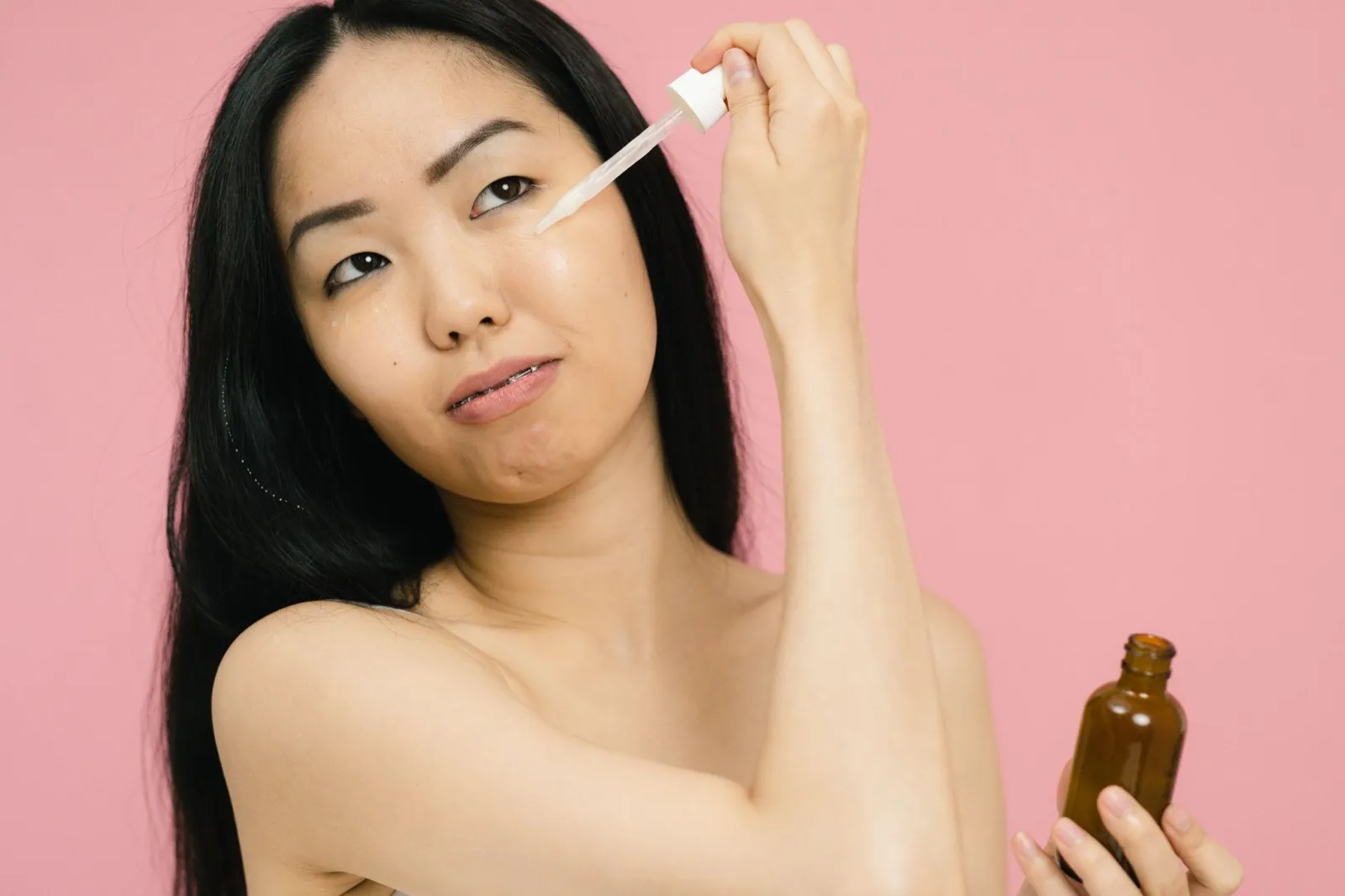
Image Credit: Pexels / SHVETS production
A good skincare routine for dry skin should focus on gentle cleansing, regular moisturising and protecting the skin from further water loss. Use a mild cleanser, apply a cream or ointment while your skin is still slightly damp, and avoid very hot water, harsh scrubs and strongly fragranced products.
Dry skin may feel tight, rough, itchy or flaky. It can also crack or become sore when the dryness is more severe. Emollients help by covering the skin with a protective layer that traps moisture and supports the skin barrier.
Persistent dryness can sometimes be linked to eczema, contact dermatitis, medication or another health condition. This article offers general skincare guidance and does not replace an assessment from a pharmacist, GP or dermatologist.
What is dry skin?
Dry skin develops when the outer layer of the skin does not retain enough water and protective oils. It can affect any part of the body, particularly the face, hands, lower legs, elbows, knees, feet and lips.
You may notice:
- Tightness
- Rough texture
- Flaking
- Scaling
- Itching
- Fine surface lines
- A dull or ashy appearance
- Redness
- Cracks
- Soreness
- Occasional bleeding from deeper splits
Dryness can look different across skin tones. On darker skin, it may appear grey, white or ashy rather than obviously pink or red.
What causes dry skin?
More than one factor may be involved.
Cold weather and low humidity
Cold outdoor air, heated indoor spaces and air conditioning can contain less moisture. This can increase water loss and make dryness more noticeable.
Hot baths and showers
Long baths and showers, particularly in very hot water, can remove natural oils. Choose shorter baths or showers using warm rather than hot water, then moisturise promptly.
Harsh cleansers and washing too often
Traditional soaps, strongly foaming body washes and heavily fragranced cleansers can feel drying. Frequent handwashing, repeated facial cleansing and long showers may also contribute.
Continue washing when needed for hygiene, but use a mild product and apply moisturiser afterwards.
Age and genetics
Skin may produce less natural oil with age, particularly after menopause or during later adulthood. Some people naturally have drier skin or a family history of eczema.
Skincare treatments and medicines
Retinol, prescription retinoids, benzoyl peroxide, salicylic acid, glycolic acid, lactic acid, strong vitamin C serums, alcohol-rich toners, scrubs and professional peels can dry or irritate skin when used too often.
Some medicines may also contribute to dry skin. Dryness that begins after starting medication should be discussed with a pharmacist or prescriber rather than managed by stopping the medicine yourself.
Skin and health conditions
Persistent dryness may be associated with atopic eczema, contact dermatitis, psoriasis, ichthyosis, seborrhoeic dermatitis, hand dermatitis or asteatotic eczema.
It can occasionally occur alongside an underlying health condition, particularly when it begins suddenly or is widespread. Speak to a GP if dryness is persistent and accompanied by other unexplained symptoms.
What is the difference between dry and dehydrated skin?
Dry skin is usually described as a skin type that produces less natural oil. It may feel rough, flaky or tight and often benefits from richer creams or ointments.
Dehydrated skin lacks water. Any skin type can become dehydrated, including oily skin.
Dehydrated skin may:
- Feel tight after cleansing
- Look dull
- Develop fine surface lines
- Feel oily and uncomfortable at the same time
- Change with weather, travel or air conditioning
A person can have both dry and dehydrated skin. Both may benefit from gentle cleansing, humectant ingredients and a moisturiser that reduces water loss.
What is the skin barrier?
The skin barrier is the protective outer layer of your skin. It helps hold water inside, protect against irritants, reduce the entry of allergens and microorganisms and maintain a comfortable surface.
When it is disrupted, skin may become dry, tight, sensitive or easily irritated. Possible causes include over-cleansing, strong exfoliation, very hot water, cold weather, low humidity, fragrance, contact dermatitis, eczema and excessive active ingredients.
Supporting the barrier usually involves simplifying your routine and applying a suitable moisturiser regularly.
A simple skincare routine for dry skin
You do not need a long routine. A basic routine can include:
- Gentle cleanser
- Optional hydrating treatment
- Moisturiser
- Sunscreen in the morning
Choose one new product at a time so you can see how your skin responds.
Morning skincare routine for dry skin
Step 1. Cleanse gently
You may not need a full cleanse every morning if your skin is very dry and feels comfortable after sleeping. Options include a lukewarm water rinse, cream cleanser, milk cleanser or gentle non-foaming cleanser.
Avoid scrubbing with a rough cloth or cleansing brush. Pat the skin gently rather than rubbing it completely dry.
Step 2. Apply a hydrating serum if needed
A serum is optional. Hydrating ingredients may include glycerin, hyaluronic acid, panthenol, beta-glucan and urea in an appropriate facial formula.
A hydrating serum does not always replace moisturiser. Dry skin often needs a cream over it to reduce water loss.
Step 3. Apply moisturiser
Apply moisturiser while the skin is slightly damp. Choose a cream or rich lotion if a gel product does not feel sufficient.
Add a second thin layer to particularly dry areas if needed.
Step 4. Apply sunscreen
Use broad-spectrum sunscreen with at least SPF 30 and strong UVA protection. Dry skin may prefer a cream or moisturising lotion rather than a dry-touch gel.
You may not need a separate morning moisturiser if your sunscreen is rich enough, although sunscreen must still be applied generously.
Evening skincare routine for dry skin
Step 1. Remove makeup and sunscreen
Use a cleansing oil, balm, cream cleanser or micellar water if your ordinary cleanser does not remove everything. Give the remover time to dissolve waterproof makeup rather than repeatedly dragging pads across dry skin.
Step 2. Cleanse gently
Follow with a mild cleanser if needed. Double cleansing is optional; one cleanser may be enough if it removes residue without leaving a film or tightness.
Step 3. Apply treatment products carefully
If you use retinol, acids or acne treatment, apply only according to the instructions. Do not introduce several active products at once.
Alternate treatment evenings with recovery evenings that contain only moisturiser if your skin is easily irritated.
Step 4. Apply moisturiser
Use a cream, balm or ointment depending on the level of dryness. Apply enough to leave the skin comfortable without creating a heavy layer that feels unpleasant or causes spots.
Step 5. Protect very dry areas
A thin layer of an occlusive ointment, such as petroleum jelly, may help reduce water loss from lips, corners of the nose, dry eyelids if tolerated, cracked patches and areas around the mouth.
Do not apply a heavy occlusive layer over retinol or strong acids unless a qualified professional has advised it, as this may increase irritation.
The best cleanser and moisturiser for dry skin
Look for cleanser descriptions such as cream, milk, hydrating, soap-free, non-foaming, fragrance-free or suitable for dry or sensitive skin.
If skin feels tight immediately afterwards, try using less cleanser, reducing the water temperature, washing for less time, cleansing once rather than twice, choosing a creamier formula or applying moisturiser sooner.
Creams and ointments usually hold moisture more effectively than light lotions. Apply moisturiser while the skin is still damp.
Look for a mixture of humectants, emollients and occlusive ingredients.
Humectants
Humectants attract and hold water within the upper layers of skin. Examples include:
- Glycerin
- Hyaluronic acid
- Urea
- Panthenol
- Lactic acid in moisturising concentrations
- Sodium PCA
Very dry skin may still need a cream or ointment over humectants.
Emollients
Emollients soften the surface and fill spaces between dry skin cells. Examples include ceramides, squalane, shea butter, fatty acids, cholesterol, plant oils and esters.
Occlusives
Occlusives form a layer that reduces water loss. Examples include petrolatum, mineral oil, dimethicone, lanolin and waxes.
They are particularly helpful for very dry or cracked areas. Some people find them too heavy across the whole face, so targeted application may be more comfortable.
Ingredients that may help dry skin
Ceramides
Ceramides are lipids naturally found within the skin barrier. Moisturisers containing them may support dry, sensitive or irritated skin and are often combined with cholesterol and fatty acids.
Glycerin and hyaluronic acid
Glycerin is a widely used humectant found in cleansers, serums, lotions and creams. Hyaluronic acid helps hold water near the skin’s surface.
Apply moisturiser over hyaluronic acid if your skin is dry. Used alone, it may not provide enough protection against water loss.
Urea
Urea helps hydrate and soften rough skin. Lower concentrations are often used in moisturisers, while stronger products may loosen thick or scaly skin.
It can sting cracked, freshly shaved or inflamed areas, so follow the product instructions.
Squalane
Squalane is a lightweight emollient that may soften dry skin without feeling as heavy as some plant oils. It can be found in moisturisers, serums and facial oils.
Petrolatum
Petrolatum creates a strong protective layer and may be useful for dry lips, cracked skin, irritated nose corners, flaky areas, hands and feet.
Colloidal oatmeal
Colloidal oatmeal is used in moisturisers and bath products for dry, itchy or eczema-prone skin. Choose a fragrance-free formula if your skin is sensitive.
Niacinamide
Niacinamide may support the skin barrier and moisture retention. A moisturiser containing a moderate amount may be easier to tolerate than a concentrated serum.
Should dry skin avoid fragrance?
Fragrance can trigger irritation or allergic contact dermatitis. A fragrance-free formula may be a safer starting point if your skin is sensitive, itchy, cracked, inflamed, eczema-prone or reacting to other products.
“Unscented” does not always mean fragrance-free. Some products contain ingredients that mask their natural smell.
Should dry skin exfoliate?
Dry skin can be exfoliated, but it does not always need to be. Visible flakes may tempt you to scrub, yet friction can make irritated skin worse.
If skin is comfortable and you want to address rough texture, consider lactic acid, PHA, low-strength mandelic acid, urea or a soft washcloth used carefully.
Begin once a week. Do not exfoliate skin that is burning, cracked, inflamed, weeping, sunburnt, reacting to retinol or affected by an eczema flare. Flaking caused by irritation needs recovery, not more exfoliation.
Can dry skin use retinol, vitamin C or acids?
Dry skin can use retinol, but may be more prone to irritation. Begin with a low-strength product once a week, a small amount, moisturiser before and after and recovery evenings between applications.
Retinol and other topical retinoids should not be used during pregnancy or while planning a pregnancy.
Dry or sensitive skin may prefer a lower concentration of vitamin C, a derivative, a cream-based formula or use several times a week rather than daily. Follow with moisturiser and sunscreen.
Lactic acid and PHA products may be more comfortable than strong glycolic acid for some people. Do not combine exfoliating acids with retinol during the same evening when you are new to either ingredient.
What is slugging?
Slugging means applying a thin layer of an occlusive ointment over moisturiser. It can help reduce water loss and may suit very dry skin.
A simple method is:
- Cleanse gently
- Apply moisturiser
- Add a very thin layer of petroleum jelly to dry areas
Slugging may feel heavy and can trap irritating active ingredients close to the skin. Avoid applying it over retinol, strong acids, benzoyl peroxide, irritated skin treatments or products that already cause burning.
Dry skin under makeup
Apply moisturiser and allow it to absorb before makeup. Avoid scrubbing immediately before foundation.
Dry skin may prefer skin tint, hydrating or satin foundation, cream blush, liquid highlighter and cream concealer. Apply less powder and use thin layers, pressing foundation into the skin rather than repeatedly rubbing a flaky patch.
Makeup can improve colour, but it cannot completely hide raised flakes or cracks.
Dry skin on the body, hands, lips and eyes
For body dryness, use short warm showers, gentle body wash or soap substitute, cream or ointment after bathing and extra moisturiser on elbows, knees and lower legs.
Hands may need moisturiser after every wash, gloves for wet household work and a thicker ointment overnight. Persistent redness, painful cracks or blistering may indicate hand dermatitis.
For dry lips, use a simple fragrance-free lip balm or petroleum jelly. Avoid repeatedly licking the lips and stop products that cause tingling, burning or peeling.
The eyelid area is thin and sensitive. Use a small amount of simple, fragrance-free moisturiser or an ointment suitable for the area. Avoid ordinary facial retinol, acids and fragranced products directly on the eyelids.
Dry skin and eczema
Dryness is a common feature of eczema, but not all dry skin is eczema. Eczema may also cause itching, redness or colour change, inflammation, cracking, weeping, blistering or thickened skin after repeated scratching.
Emollients are central to managing eczema-prone skin. A GP may recommend additional treatment during an inflamed flare. Do not use someone else’s prescription cream.
Can drinking water or coconut oil fix dry skin?
Drinking enough fluid supports general health, but extra water does not always correct dry skin. Use topical moisturiser for surface dryness.
Coconut oil can act as an emollient and occlusive product, but may feel heavy and contribute to clogged pores in some acne-prone people. Use a cosmetic product formulated for facial skin if you are sensitive or prone to breakouts.
Facial oil can soften skin and reduce some water loss, but may not provide enough hydration alone. Apply it over moisturiser, mixed into a compatible cream, only to dry areas or as the final evening step.
Can dry skin become oily?
Yes. Dry or dehydrated skin can still develop surface shine, particularly through the forehead, nose and chin.
Treat different areas according to their needs. Use less moisturiser through oily areas and more on dry cheeks rather than trying to dry the entire face.
Common dry skin mistakes
Avoid:
- Using very hot water
- Scrubbing away flakes
- Skipping moisturiser because of spots
- Applying moisturiser only once when skin is very dry
- Using too many active ingredients
- Assuming burning means a product is working
- Choosing moisturiser by price
- Using heavily fragranced products on irritated skin
- Ignoring sudden or widespread dryness
Dry, acne-prone skin still needs moisture. Choose a lightweight, non-comedogenic cream or lotion and reduce treatment frequency if needed.
A simple weekly routine for dry skin
Every morning
- Water rinse or gentle cleanser
- Hydrating serum, if desired
- Moisturiser
- Broad-spectrum sunscreen
Most evenings
- Makeup remover, if needed
- Gentle cleanser
- Moisturiser
- Ointment on very dry areas
Treatment and recovery evenings
Use one low-strength treatment, such as retinol or a gentle acid, only if your skin is comfortable and the product is suitable. Use recovery evenings with only cleanser and moisturiser if you notice tightness, flaking or stinging.
When to get professional help
Speak to a pharmacist, GP or dermatologist if dry skin does not improve with regular moisturising, is severely itchy, painful or disrupting sleep, develops deep cracks or bleeding, becomes red, swollen or hot, starts weeping or crusting, covers a large area, appears suddenly, began after starting a medicine or is associated with another unexplained symptom.
Seek prompt advice if cracked skin appears infected, particularly with increasing pain, warmth, swelling, pus or spreading redness.
A new, changing, bleeding or non-healing skin mark should be assessed rather than treated only with moisturiser.
Seek urgent medical help if a skincare product causes difficulty breathing or swelling of your lips, mouth, tongue or throat.
Related reading
- Skincare Cleansers: How to Choose the Right Cleanser for Your Skin
- Skincare Moisturisers: How to Choose the Right Moisturiser for Your Skin
- Skincare SPF Guide: How to Choose and Apply Sunscreen Properly
- Makeup by Skin Type: How to Choose and Apply the Right Products