Hobbies to Start in Your 20s and 30s
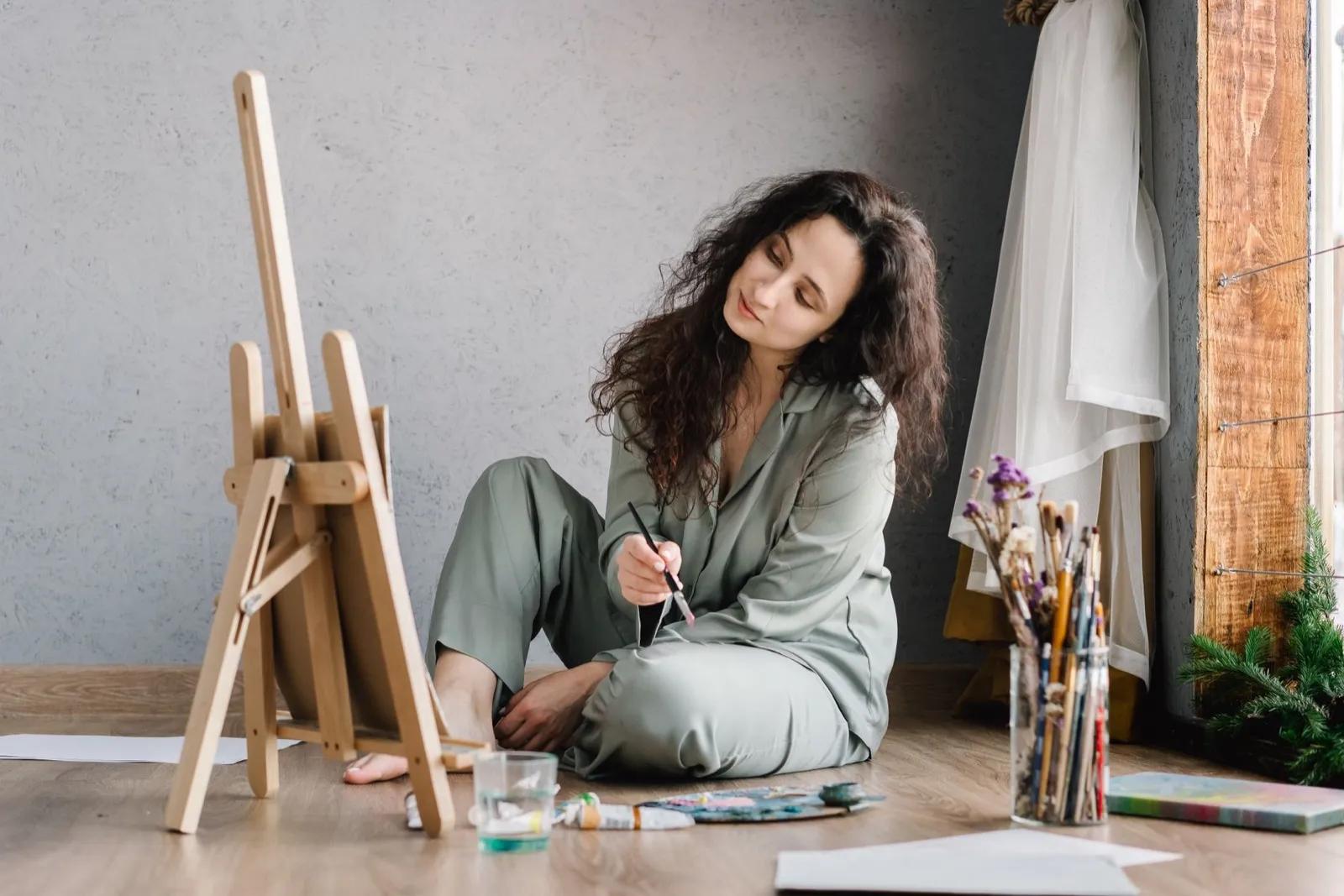
Image Credit: Pexels / Mikhail Nilov
Your 20s and 30s can be full of first jobs, moves, caring responsibilities, dating, friendship changes and financial limits. A hobby does not need to solve any of that. It can simply give you a regular pocket of interest that is not work or admin. The most sensible place to start is with a hobby that fits the life you have now, not the life you imagine you should have.
There is no age by which you should have found “your thing”. Plenty of adults begin a creative class, sport, language or volunteer role as complete beginners. The NHS encourages people to find activities they enjoy and to keep learning, while LibraryOn points to libraries as places where people can discover clubs, skills and community. You are allowed to be new.
Choose by the kind of time you have
Before collecting ideas, decide what a realistic hobby slot looks like. If your evenings are unreliable, choose something that works in ten-minute pieces: reading, drawing, a language lesson, a puzzle or a few rows of knitting. If you want a reason to leave the house, look for a weekly class or monthly group within easy travelling distance. If you need company but not an intense social scene, an activity with a shared focus is often gentler than a networking event.
Try this quick check:
- Do I want quiet, movement, making, learning or people?
- Can I afford the first attempt without resentment?
- Can I get there and home comfortably?
- Would I still enjoy it if I were average at it?
- Could I do it once without buying lots of equipment?
The answer can change with a new job, a baby, a move or a difficult season. Hobbies are allowed to be seasonal too.
Hobbies that work well with a changing schedule
Reading, listening and writing
Reading is wonderfully flexible. Borrow books, e-books and audiobooks through your library, read comics, try essays or return to a genre you loved as a teenager. A book group adds a date in the diary, but it is fine to read alone. If you want a more active version, keep a small reading notebook with favourite lines, questions and books you abandoned.
Writing can be equally low-pressure. Start a one-page weekly journal, write short reviews of places you visit, collect family stories or try a prompt from a library or literary charity. The point is not to announce yourself as a writer. It is to notice that you enjoy putting words together.
A practical creative skill
Sewing, knitting, crochet, mending, cooking and baking all offer a clear beginner project. Pick something small enough to finish: a repaired button, a scarf practice square, one loaf, a tote bag or a simple soup. Buying the professional version of every tool before you know you like the process is an expensive way to begin. Ask friends, local groups, tool libraries and makerspaces about borrowing.
Pottery, printmaking and jewellery sessions are good taster hobbies because a studio supplies the messier equipment. Read the booking details first: some classes include materials and firing, while others charge separately. Go once, make an uneven cup and see how you feel on the way home.
A hobby that gets you outside
Walking is a hobby when you give it a purpose. Learn local history, look for public art, photograph one colour, notice seasonal plants or follow a map to a place you have never visited. A local walking group can offer company without the commitment of a team sport. Ask about pace, distance and terrain first.
Gardening works with a garden, balcony, windowsill or community plot. Start with herbs, salad leaves or one pot of flowers. Community gardens may have shared tools, advice and a chance to work alongside people without needing constant conversation.
Birdwatching is another inexpensive outdoor route. Learn three birds you see regularly and practise identifying them by shape, not only colour. You do not need expensive binoculars to look up and pay attention.
An active hobby without a performance goal
Dance, swimming, cycling, badminton, climbing and yoga can be hobbies rather than a programme to improve yourself. Choose beginner-friendly, inclusive sessions and take rests. The UK Chief Medical Officers say any activity is better than none and encourage adults to be active in ways that fit their circumstances. That does not mean every hobby must count towards a target.
If you have been inactive, start at a level that feels manageable. A public leisure centre may offer pay-as-you-go swimming, beginner classes, accessible sessions or quieter times. For cycling, use a traffic-free path first. For climbing, attend the induction and follow the centre’s safety guidance. For dance, choose a style that sounds fun rather than one you think you ought to master.
A social hobby with a built-in subject
Board games, choir, amateur drama, community gardening, volunteering, craft groups and local history talks make conversation less demanding because there is already something to discuss. LibraryOn lists hobby and interest groups as a common library offering, from reading and crafts to games and local history. Ask a librarian what is running near you, even if the website looks sparse.
Volunteering can be meaningful, but it should have clear boundaries. Ask how often you are expected to attend, what training is provided and who you can contact if the role becomes too much. A good role uses your time respectfully. It is fine to choose a one-off litter pick, event shift or occasional charity-shop session rather than an open-ended commitment.
Make it affordable from the beginning
A hobby that pressures your budget is hard to enjoy. Put a ceiling on the first try: perhaps only free options, a library loan, a second-hand item or one paid taster. Search your council, library, community centre, leisure centre, museum and local charity listings before assuming everything happens in expensive studios.
For equipment, borrow before buying; buy used; choose a basic version; or decide whether the hobby can happen with household materials. A notebook and pencil can be a drawing kit. A phone can be a camera. A saucepan and borrowed cookbook can be a cooking course. If you do buy something, wait until you have returned to the hobby a few times.
Give yourself a beginner-friendly experiment
Instead of saying “I am taking up painting”, try “I will draw for twenty minutes on Sunday for three weeks.” Instead of joining a gym for a year, try one swim, one dance class or one walk with a group. A short experiment gives you evidence without making your identity or money depend on the outcome.
After each attempt, write down three details: what you liked, what was awkward and what would make it easier next time. Maybe you enjoyed the class but not the late train home, or liked crochet but needed a larger hook. Adjusting the setup is part of finding a hobby.
Common worries, answered honestly
“I am too old to be a beginner”
Adult beginners are normal. Classes, clubs and community groups rely on people arriving with different levels of experience. You do not owe anyone quick progress. Choose a group that names itself beginner-friendly and leave if the atmosphere feels dismissive.
“I do not have a personality for hobbies”
You do not need a special personality. You may simply not have had access, time, money or encouragement. Start with a small interest, not a label. Someone who enjoys a quiet walk is already allowed to walk as a hobby.
“I have no one to go with”
Going alone can feel daunting. Message ahead, arrive ten minutes early, ask where beginners usually sit and give yourself permission to leave after the first hour. A recurring group is often easier than a one-off event because familiar faces build gradually.
Frequently asked questions
What are good hobbies for busy adults?
Reading, walking, drawing, cooking one recipe, language practice, gardening in pots and puzzles all work in short sessions. Pick an activity that can be paused without ruining it.
How long should I try a hobby before quitting?
There is no fixed rule. One session may reveal a clear mismatch; some activities need two or three attempts to feel less unfamiliar. Stop sooner if the cost, travel, physical demand or atmosphere is wrong for you.
Can a hobby help me meet people?
It can create opportunities to see people with a shared interest. Treat friendship as a possibility, not an outcome you have to force. The activity is enough reason to attend.
When to get professional advice
Hobbies can add interest and connection, but they cannot replace support for persistent low mood, anxiety, burnout or loneliness that is affecting everyday life. Speak to a GP or qualified mental health professional if you are struggling. If you are considering a physically demanding activity and have a health condition, recent injury or concerning symptoms, seek individual medical advice before starting.
Related reading
- 50 Hobbies for Women Who Want to Try Something New
- How to Make Friends as an Adult
- How to Create a Balanced Lifestyle When Life Feels Busy