Hospital Bag Checklist for Baby
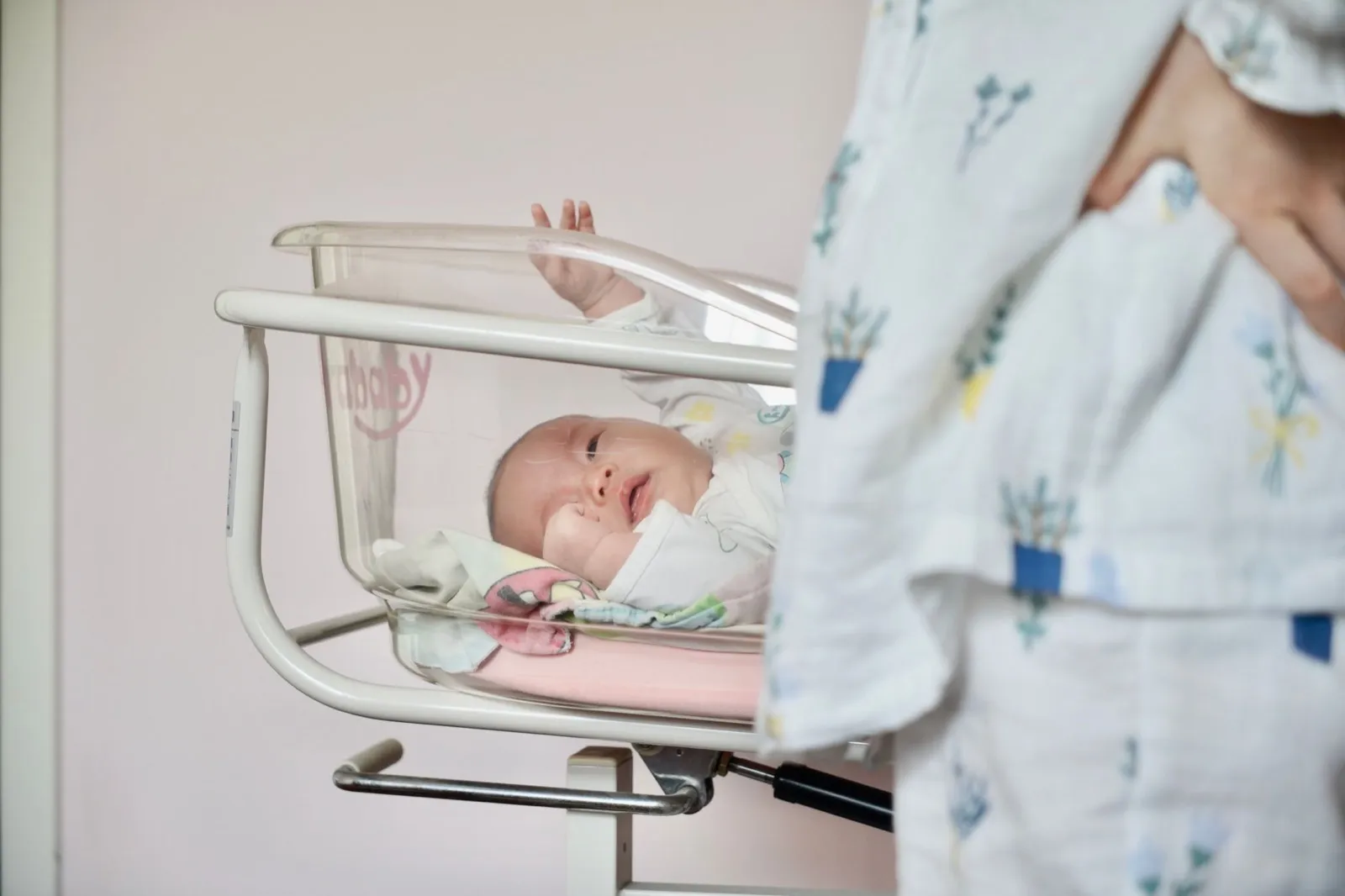
Image Credit: Pexels / kenan zhang
Packing your baby’s hospital bag does not need to mean squeezing half the nursery into a suitcase. For most births, the essentials are simple: newborn clothes, nappies, cotton wool or wipes, muslin squares, a blanket or shawl, weather-appropriate items and a suitable car seat if you will be driving home.
The NHS recommends having your hospital bag ready at least three weeks before your due date. Your own maternity unit may have slightly different suggestions or provide certain items, so it is worth checking its guidance before you finish packing.
Here is a practical hospital bag checklist for baby, with the useful basics first and the optional extras kept separate.
What to pack for your baby in your hospital bag
According to the NHS hospital bag checklist, you should remember:
- bodysuits, vests and sleepsuits
- an outfit for going home
- a hat
- scratch mittens
- socks or booties
- a snowsuit if the weather is cold
- nappies
- cotton wool or wipes
- muslin squares
- a blanket or shawl
- a car seat for the journey home if travelling by car
You may not use every item, but this gives you a sensible starting point without overpacking.
How many clothes or nappies you need can depend on how long you stay in hospital. Your maternity unit may offer its own packing guidance, so check locally if you are unsure.
Baby clothes for hospital
A few simple layers are usually more useful than lots of special outfits.
Pack a small selection of:
- vests or bodysuits
- sleepsuits or babygrows
- socks or booties
- a hat
- scratch mittens if you want them
- a separate going-home outfit
Choose clothes that are straightforward to put on and take off. You may be changing your newborn while tired, sore or learning how to handle a very small person, so practicality is helpful.
It can also be useful to pack clothes together in small sets. A vest, sleepsuit and any accessories can go into one pouch or bag so you or your birth partner can find a complete outfit quickly.
What size baby clothes should you pack?
It can be difficult to predict exactly what size your baby will need.
Rather than packing a large number of clothes in one size, you may prefer to include a small mixture of newborn and slightly larger items.
If your maternity team has told you that your baby is likely to need a particular size, follow their advice.
Nappies and changing supplies
Nappies are one of the least glamorous but most important things in the bag.
The NHS hospital bag checklist recommends bringing nappies along with cotton wool or wipes.
For changing, pack:
- newborn or appropriately sized nappies
- cotton wool or gentle baby wipes
- a small bag for dirty or damp clothing
You do not necessarily need to bring your full changing setup from home.
Before packing, check what your hospital provides. Maternity units can differ, and knowing what is already available may save valuable space in your bag.
Muslin squares
A few muslin squares are useful to have within easy reach.
They can help with milk dribbles, burping and the many small spills that tend to appear around a newborn.
Keep one near the top of your bag rather than burying all of them underneath the going-home clothes.
That small bit of organisation can be surprisingly useful when you need something quickly.
A blanket or shawl
The NHS recommends packing a blanket or shawl for your baby.
Choose something appropriate for the season and the conditions you expect when leaving hospital.
Remember that safe sleep guidance still applies once you are home. NHS guidance says the safest place for a baby to sleep for the first six months is in a cot or Moses basket, on their back, in the same room as you. The sleep surface should be firm and flat, and pillows, cot bumpers and loose bedding should be kept out of the baby’s sleep space.
A hospital bag blanket is useful for warmth and the journey home, but it should not become an excuse to add unnecessary loose items to your baby’s cot.
What should baby wear home from hospital?
Your baby’s going-home clothes should be comfortable and suitable for the weather.
A simple outfit may include:
- a vest or bodysuit
- a sleepsuit
- socks or booties if needed
- a suitable hat for outdoors
- an extra warm layer or snowsuit in cold weather
There is no requirement for the first outfit to be elaborate.
If you have chosen a special outfit for photographs or sentimental reasons, lovely. If your baby leaves hospital in a practical sleepsuit, that is equally fine.
Check the weather close to the time rather than trying to predict it months in advance.
Do you need a car seat at the hospital?
If you are driving your baby home, you need a suitable baby car seat.
NHS guidance recommends buying a car seat before your baby is born if possible, making sure it fits your car and is suitable for a newborn. It is also a good idea to practise fitting it before the birth.
Follow the manufacturer’s fitting and harness instructions carefully.
The NHS advises against buying a second-hand car seat because you may not know whether it has previously been damaged in an accident or whether all of its parts and instructions are present. If a seat comes from a friend or family member, the NHS says you should only accept it if you know its history, it is not too old and it comes with instructions.
You do not need to carry the car seat around throughout labour. Some maternity units specifically advise bringing it in when you are ready to be discharged. Check your hospital’s arrangements.
What if you are not travelling home by car?
Your journey home may involve walking, a taxi or another form of transport.
Plan this before the birth so you know what equipment you will need and can check any relevant safety requirements.
If you are travelling in a vehicle, make sure your baby is transported in accordance with current UK child car seat rules and NHS safety guidance.
If you are unsure, ask your maternity team before discharge.
Do you need to pack formula or bottles?
This depends on how you plan to feed your baby and on your hospital’s arrangements.
Hospitals can have different policies about formula, bottles and feeding equipment. Some NHS maternity units advise parents who have made an informed decision to formula feed to bring ready-to-feed first infant formula in sealed starter packs because facilities for preparing powdered formula or sterilising bottles may not be available.
Do not assume that your hospital will provide formula or that you need to bring a particular product.
Check directly with the maternity unit where you plan to give birth.
If you are planning to breastfeed, you generally do not need to fill your baby’s bag with feeding equipment in advance. If you need feeding support after birth, ask your midwife or maternity team.
Should you pack a dummy?
A dummy is not an essential item for your baby’s hospital bag.
If you are considering using one, you can discuss it with your midwife or health visitor, particularly if you have questions about feeding or safer sleep.
There is no need to pack products simply because they appear on somebody else’s hospital bag list.
What you probably do not need to pack
Hospital bags can become enormous surprisingly quickly.
Unless your maternity unit specifically asks you to bring them, you probably do not need to pack:
- lots of toys
- several blankets
- a large collection of baby toiletries
- a full changing mat setup
- numerous special outfits
- a large supply of clothes in several sizes
- bulky nursery equipment
Your baby’s immediate needs are fairly simple.
If you end up staying longer than expected, a partner, relative or friend may be able to bring additional supplies. If that is possible for you, keeping a small backup bag ready at home can be easier than taking everything to hospital on day one.
Pack baby’s things so someone else can find them
Your bag should make life easier, not become a puzzle.
Your birth partner may be the person looking for a clean sleepsuit or nappy while you are resting or receiving care.
A simple organisation system can help:
- keep nappies together
- put changing items in one pouch
- group outfits into complete sets
- keep muslins near the top
- put the going-home outfit somewhere clearly labelled
- keep dirty clothes separate from clean ones
You do not need matching organisers or expensive packing cubes. Reusable bags or simple labelled pouches work just as well.
A simple hospital bag checklist for baby
If you want the shortest possible version, start here.
Clothes
- bodysuits or vests
- sleepsuits or babygrows
- going-home outfit
- hat
- socks or booties
- scratch mittens if wanted
- snowsuit or warm outer layer if the weather is cold
Changing
- nappies
- cotton wool or gentle wipes
- bag for dirty clothes
Feeding and clean-up
- muslin squares
- any feeding supplies specifically advised by your maternity unit
Going home
- blanket or shawl
- suitable newborn car seat if travelling by car
That is the core of your baby’s hospital bag.
Everything else should earn its space by being genuinely useful for your circumstances.
Check your maternity unit’s list before you finish packing
A general hospital bag checklist is helpful, but your own hospital should have the final say on what it expects you to bring.
Before closing the bag, check:
- whether nappies are provided
- what feeding supplies are available
- what parents using formula should bring
- whether there are restrictions on bag size or storage
- when you should bring the car seat into the unit
- whether your planned place of birth has its own packing list
This can prevent both overpacking and discovering that an important item was expected but left at home.
When to get professional advice
Speak to your midwife or maternity team if you are unsure what your baby will need in hospital, particularly if your baby is expected to be premature, has a known medical condition or may need neonatal care.
If you plan to formula feed, ask your maternity unit what formula and feeding equipment you should bring rather than relying on a general online checklist.
If you have questions about breastfeeding or expressing milk, your midwife can explain what support and equipment are likely to be available after the birth.
For the journey home, ask for advice if you are unsure whether your car seat is suitable for a newborn or correctly fitted. Follow the manufacturer’s instructions and current UK safety guidance.
Your hospital bag does not need to prepare you for every possible situation. A few practical baby essentials, plus guidance from the maternity team caring for you, are enough to give you a sensible starting point.
Related reading
- Preparing for a Baby
- Preparing for a Baby Checklist
- Preparing for a Baby Timeline: What to Do and When