How to Create a Night Routine That Makes Life Easier
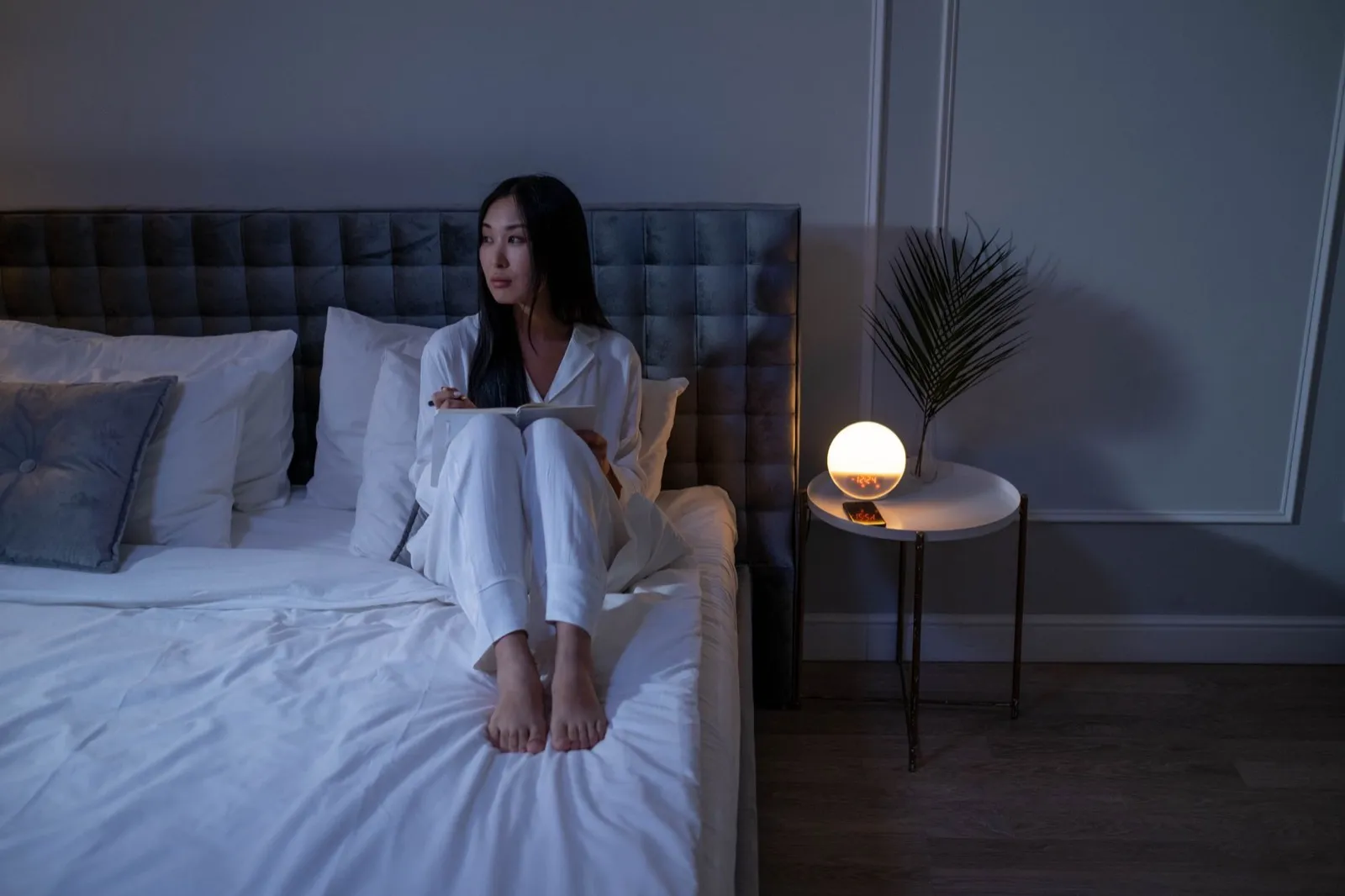
Image Credit: Pexels / cottonbro studio
A useful night routine is not a long beauty or productivity ritual. It is a short sequence that closes one or two open loops for tomorrow, then helps you step out of the day. Start with a ten-minute version and separate preparation from relaxation.
Evenings often carry the work that did not fit elsewhere, alongside chores, family time and the understandable wish to do nothing at all. A routine should reduce decisions, not turn rest into another assignment. The NHS advises a regular sleep routine where possible and a period of relaxation before bed, but the exact timing and activities need to work for you.
Separate tomorrow prep from bedtime
Notice when your day usually changes pace: after dinner, after a late shift, when children are settled or after you finish a commute. Put a small “tomorrow” task near that point rather than saving everything for the last five minutes before bed. A closing point can be an alarm, a cup of tea or switching off a work device.
Prepare the first decision of tomorrow
Pick the things that cause most morning friction: keys, a packed bag, clothes, lunch, a railcard, a charge cable or the first appointment. Prepare one to three of them. A full house reset is optional. The test is whether the task gives tomorrow a clearer start, not whether it makes the evening look productive.
Park open loops in a trusted place
If your mind keeps circling tasks, use a small notebook or note on your phone to capture them. Write the next action, not a vague worry: “email landlord about tap” or “put form in bag”. NHS sleep guidance suggests listing next-day tasks before bed when worry keeps people awake. The list can wait until your planned review time.
Move deliberately into lower stimulation
Choose something that marks the shift from demands to rest: dimming a lamp, changing clothes, a shower, reading, a podcast or gentle music. NHS guidance recommends relaxing before bed and reducing screen use in the hour before bed where that is possible. If screens are part of your routine, make the change modest, such as charging your phone out of reach for the final ten minutes.
Keep the routine compatible with your sleep needs
A regular getting-up time and a comfortable, quiet, dark bedroom can help sleep, according to the NHS. But a night routine is not a cure for insomnia, caring interruptions or shift work. Use the parts that reduce pressure, and seek advice if sleep difficulties persist or affect daily life.
Design a low-energy version
Choose one preparation action and one wind-down cue for difficult nights. For example, place keys by the door and dim a lamp; leave the rest for another day. A shorter routine protects the boundary between preparation and rest.
Close the list before you get into bed
Give yourself an “enough” point, such as when tomorrow’s essentials are ready and the next task is written down. Do not use the final part of the evening to catch up on housework or work messages. If persistent sleep problems affect daily life, speak to a GP or relevant professional.
A two-part night routine to try
Try a 15-minute sequence: put tomorrow’s essentials by the door, check the calendar, write one first task, then make a warm drink and read for ten minutes. On a depleted evening, put out keys and clothes, then stop. The routine has done its job.
Put the plan somewhere you will see it, or link it to an existing event. You do not need to track every day. A brief note at the end of the week can show whether the routine reduced friction, felt pleasant or asked too much. Habit research from UCL found that repetition in a consistent context can help behaviours become more automatic, but timing varies widely. One missed day does not erase the work you have already done.
Common obstacles and useful adaptations
If your evenings are shared or unpredictable, make preparation earlier, perhaps after lunch or when you arrive home. If you have night shifts, use a “before sleep” ritual after work, with low light and a short written handover to yourself. If you find checklists activating, keep one visible tray for tomorrow instead of a written list.
If the routine is not happening, adjust one variable at a time: make the action smaller, change the cue, move it to a different place or ask for practical help. NHS advice on stress is clear that trying to do everything at once is not the answer. Small targets can be easier to begin and easier to review.
Frequently asked questions
What should I do first in a night routine?
Start with the one task that most often makes tomorrow difficult, such as packing a bag or checking an appointment. Add winding down only after that feels easy.
Do I need to stop using my phone completely?
No. NHS advice is to avoid screens before bed where you can because they can be stimulating. A smaller boundary, such as no work messages after a set time, is still useful.
What if I miss my routine?
Resume the smallest part the next evening. Missing an evening is information about your capacity, not a reason to make the routine stricter.
When to get professional advice
Routines can make everyday tasks easier, but they are not a substitute for support. Speak to a GP or relevant professional if persistent sleep problems, low mood, anxiety, stress, pain or fatigue are affecting daily life. If you are in immediate danger or unable to keep yourself safe, call 999 or go to A&E.
Related reading
- How to Create a Morning Routine You Actually Enjoy
- How to Reset Your Routine After Falling Out of It
- How to Plan Your Week on Sunday Without Overcomplicating It