How to Plan Your Week on Sunday Without Overcomplicating It
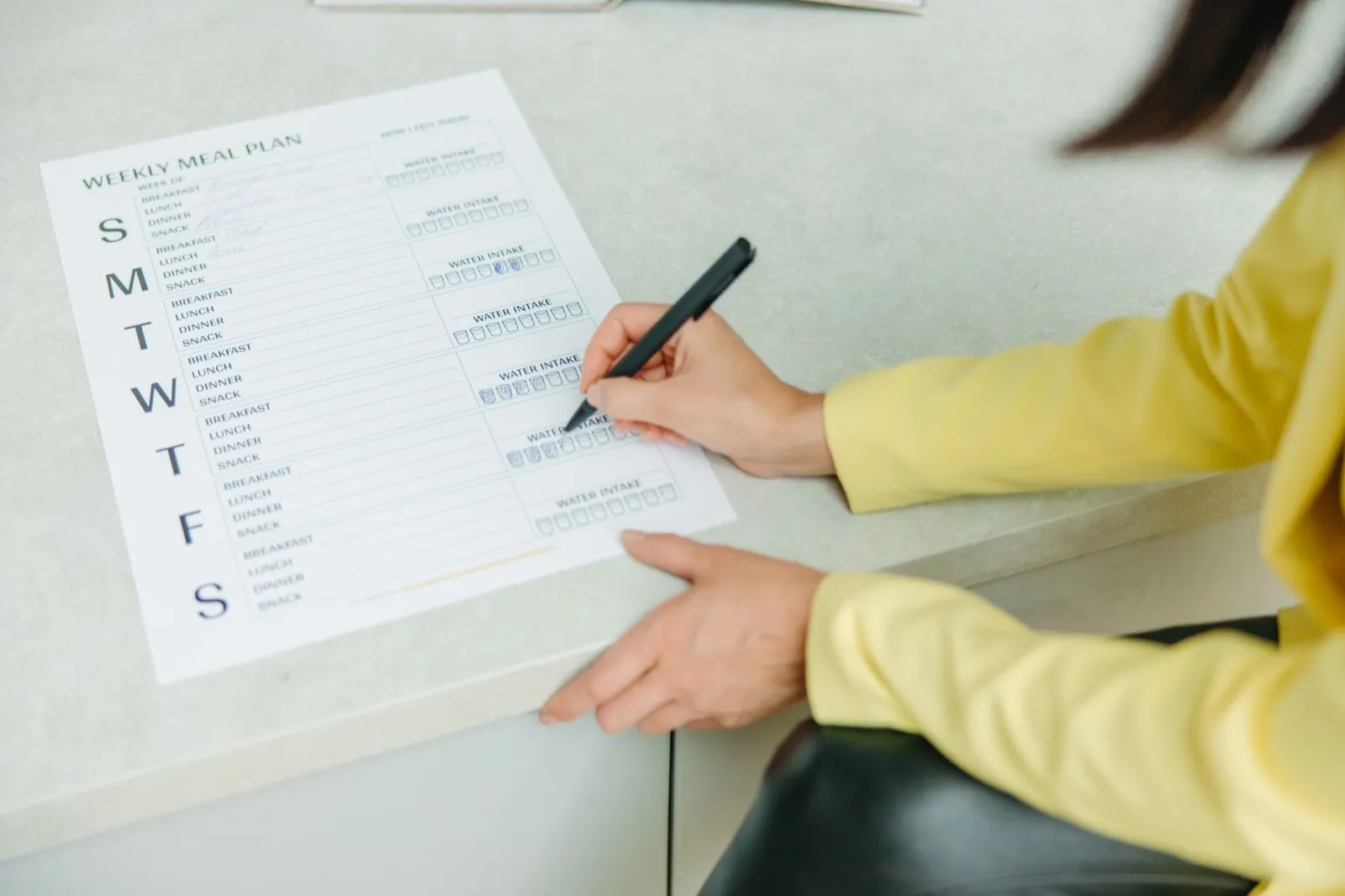
Image Credit: Pexels / Yaroslav Shuraev
Plan your week on Sunday by checking fixed commitments, choosing a short list of priorities and preparing only what will reduce pressure. Keep the plan on one page or screen, include time for enjoyment and leave blank space for the things you cannot predict.
Weekly planning is most useful when it prevents surprises, not when it tries to control every hour. The NHS recommends planning ahead for stressful days and keeping a to-do list in one accessible place. It also suggests distinguishing routine, necessary and enjoyable activities. That gives a simple structure without a complicated productivity system.
Open a one-page weekly view
Open the calendar where appointments actually live, then keep one task list beside it. If information is scattered across apps, notes and scraps of paper, the planning session becomes a search task. A shared calendar can help households, but only if everyone can access and update it.
Mark commitments and preparation time
Add work hours, travel, appointments, collections, social plans and deadlines. Estimate preparation and journey time where it matters. Look for pressure points, such as a late Tuesday followed by an early Wednesday, before adding optional tasks.
Choose three outcomes, then their next moves
Pick up to three actions that would make the week feel meaningfully moved forward. They may be personal, practical or work-related. Break each into a next step and place it in a likely window. A priority is not a promise that nothing else will happen; it is a way to see what matters when choices compete.
Add only the maintenance that protects the week
Choose a few routine tasks: food, laundry, one admin slot, a home reset or a call. Put them near the conditions that support them rather than assigning a chore to every day. If you know Thursday is late, plan an easy meal or no task at all.
Protect one pleasure and one buffer
Put in one enjoyable plan or quiet pocket before the week fills. Then keep at least one unscheduled space. Every Mind Matters notes that a balance of routine, necessary and enjoyable activities matters. Blank space is not a planning failure; it is the part that lets the plan survive reality.
Finish with Monday’s first hour
Prepare the one or two things that remove the most Monday-morning friction: a bag, an outfit, a travel card, food or a note of the first task. Stop when that path is clear. The plan is a map for choosing, not a contract to fill every blank hour.
Adjust the map during the week
When something changes, look at the next two days and decide what moves, shrinks or disappears. Keep the visible plan in one place so it can be revised rather than recreated. NICE guidance on action and coping plans supports specifying what you will do and the smaller alternative when circumstances change.
A 25-minute Sunday planning map
A 25-minute Sunday plan: five minutes calendar; five minutes to list three priorities; five minutes to place two routine tasks; five minutes to choose easy meals or food needs; five minutes to pack Monday’s essentials. The following morning, look only at the day ahead and choose the first action.
Put the plan somewhere you will see it, or link it to an existing event. You do not need to track every day. A brief note at the end of the week can show whether the routine reduced friction, felt pleasant or asked too much. Habit research from UCL found that repetition in a consistent context can help behaviours become more automatic, but timing varies widely. One missed day does not erase the work you have already done.
Common obstacles and useful adaptations
If Sunday is not available, do this on another day or in two ten-minute sessions. If your plans change often, make a 48-hour plan and keep the rest as a loose view. If a partner, family or manager controls parts of your schedule, focus on the choices you do have and share information early where possible. A plan can clarify limits as well as tasks.
If the routine is not happening, adjust one variable at a time: make the action smaller, change the cue, move it to a different place or ask for practical help. NHS advice on stress is clear that trying to do everything at once is not the answer. Small targets can be easier to begin and easier to review.
Frequently asked questions
How detailed should Sunday planning be?
Keep it simple: commitments, three priorities, a few maintenance tasks and one enjoyable plan. Add detail only where it prevents a real problem.
What if I do not finish my weekly plan?
Move, shrink or remove tasks at the next review. Treat unfinished tasks as data about time and workload, not a reason to fill the following week more tightly.
Should I meal plan every week?
Only if it helps. You could plan two dinners, keep a list of easy defaults or simply check what food you already have.
When to get professional advice
Routines can make everyday tasks easier, but they are not a substitute for support. Speak to a GP or relevant professional if persistent sleep problems, low mood, anxiety, stress, pain or fatigue are affecting daily life. If you are in immediate danger or unable to keep yourself safe, call 999 or go to A&E.
Related reading
- The Ultimate Sunday Reset Routine
- How to Create a Weekly Routine That Keeps You Organised
- How to Create a Monthly Reset Routine