How to Create a Personal Style That Feels Like You
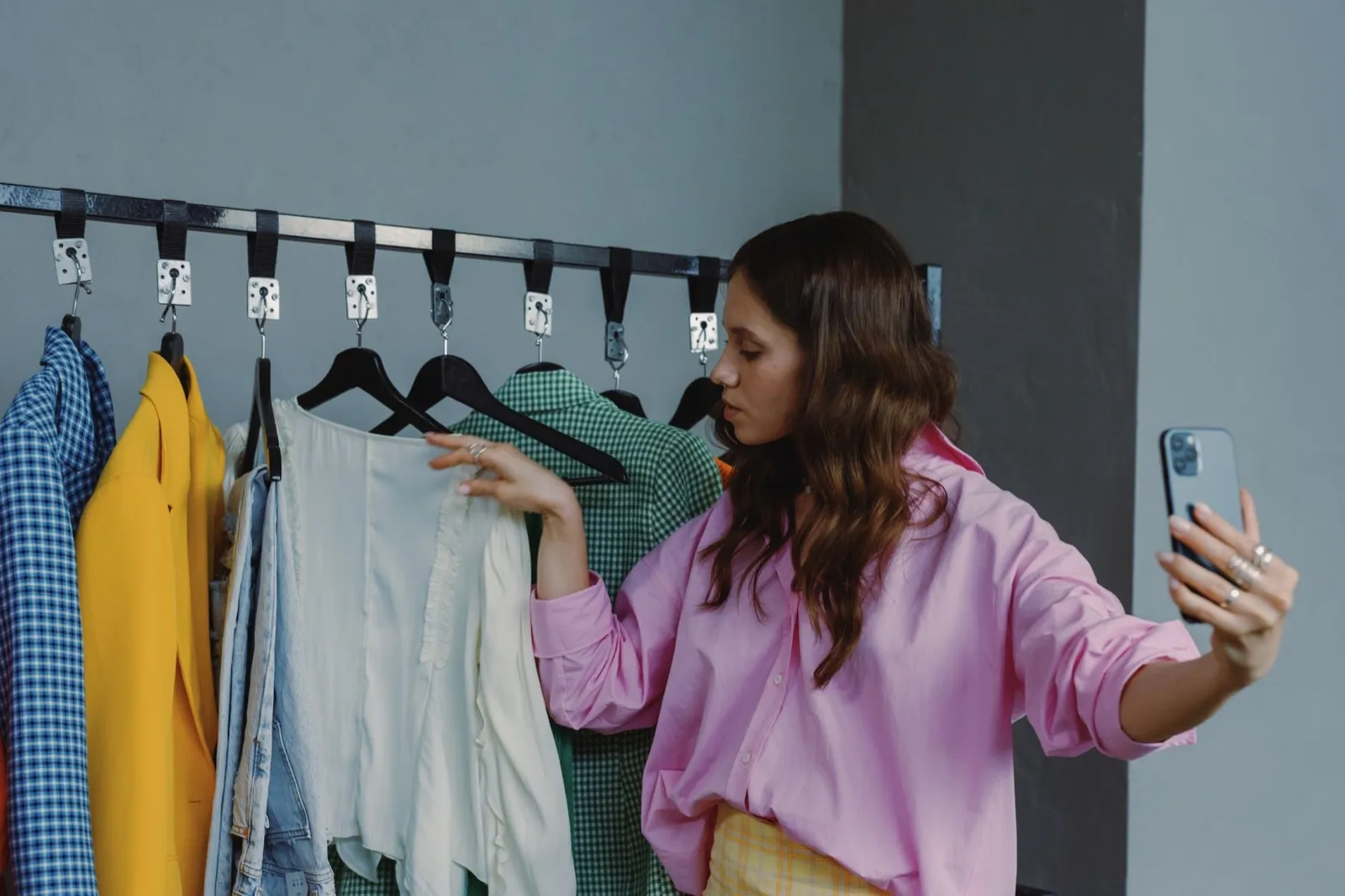
Image Credit: Pexels / Ron Lach
Creating a personal style that feels like you starts with paying attention to your own preferences rather than trying to dress like a particular aesthetic. Notice what you repeatedly enjoy wearing, identify the details that make those outfits feel right, and use them to build combinations that fit your everyday life.
You do not need to reinvent your wardrobe. In fact, your most useful clues are probably already there.
The goal is not to create a perfectly consistent image of yourself. It is to understand your tastes well enough that getting dressed feels more intentional and less like following somebody else’s idea of style.
Start with how you want your clothes to feel
Style is visual, but the way an outfit feels can be just as important.
Think about the clothes you enjoy wearing most. What words describe them?
You might want your clothes to feel:
- relaxed
- polished
- playful
- understated
- colourful
- soft
- structured
- practical
- romantic
- minimal
- creative
- comfortable
Choose three or four words that feel relevant to you.
They do not need to describe every outfit you wear. Think of them as a reference point. If you choose “relaxed, polished and colourful”, for example, your version might be wide-leg trousers, a simple knit, colourful trainers and a structured bag.
Someone else could interpret exactly the same words completely differently.
That is what makes the exercise useful.
Look at what you wear when nobody is influencing you
Your wardrobe contains evidence of your real preferences.
Choose the clothes you reach for without much thought. Include everyday outfits, weekend clothes and the pieces you wear repeatedly even though you own plenty of alternatives.
Ask yourself what they have in common.
Perhaps you consistently choose:
- straight or wide-leg trousers
- loose shirts
- fitted tops under relaxed layers
- midi dresses
- cropped jackets
- flat shoes
- simple jewellery
- monochrome outfits
- bright accessories
- soft fabrics
- structured denim
Do not dismiss something because it seems too basic to count as personal style.
If you repeatedly wear jeans, a white T-shirt and loafers because you genuinely love that combination, it tells you far more about your style than an elaborate outfit you bought for an imaginary version of your life and never wore.
Notice what makes an outfit feel unlike you
Your least-worn clothes can be useful too.
Take a few pieces you thought you would wear but rarely do. Instead of asking what is wrong with them, ask why you do not choose them.
Maybe:
- the fabric feels uncomfortable
- the colour feels difficult to combine
- the silhouette feels too structured for your taste
- the garment requires constant adjusting
- the print feels busier than you prefer
- the shoes do not suit your normal routine
- the piece works for a lifestyle you do not actually have
Sometimes you will find that you love an item aesthetically but do not enjoy wearing it.
That distinction matters. You can admire a style without making it part of your own wardrobe.
Build inspiration around outfits, not aesthetics
A named aesthetic can be useful for inspiration, but it can also make personal style feel like a costume.
Instead of deciding that you need to become “minimal”, “romantic”, “classic” or anything else, collect individual outfits you like.
Save around 20 looks you could realistically imagine wearing.
Then look for repeated details.
Do you keep choosing long coats? Relaxed tailoring? Bright knitwear? Dark denim? Trainers with dresses? Loafers with socks? Silver jewellery? Tonal outfits?
Write down what appears again and again.
You might discover that your inspiration comes from several different aesthetics but shares the same proportions, colours or accessories. Those repeated details are often more useful than the label attached to the look.
Create your personal style ingredients
Turn the patterns you have noticed into a short list of style ingredients.
For example:
Silhouettes: relaxed trousers, fitted tops, oversized outerwear
Colours: black, cream, navy, green, occasional red
Fabrics and textures: denim, cotton, fine knits, smooth tailoring
Shoes: trainers, loafers, ankle boots
Accessories: silver jewellery, structured bags, simple belts
Your list might be completely different.
Perhaps you prefer flowing dresses, colourful prints, soft cardigans, ballet flats and delicate jewellery. Or you might enjoy cargo trousers, oversized T-shirts, substantial trainers and bold sunglasses.
These ingredients give you something concrete to work with without forcing your wardrobe into a rigid category.
Develop a few signature outfit formulas
Personal style becomes easier to use when you know which combinations reliably work for you.
Create three to five outfit formulas from clothes you already enjoy.
They could be:
- wide-leg trousers + fitted top + relaxed blazer + trainers
- straight jeans + shirt + loafers + simple jewellery
- midi dress + cardigan + ankle boots
- long skirt + knit + flat shoes + shoulder bag
- relaxed trousers + T-shirt + overshirt + trainers
An outfit formula is not a uniform unless you want it to be. You can change the colours, fabrics and individual pieces while keeping the basic structure.
If one combination consistently feels right, repeating it is useful information about your style.
Find your preferred balance of simple and interesting
Some people feel most themselves in very simple outfits. Others enjoy print, colour, unusual shapes or layers.
Many sit somewhere between the two.
Look at your favourite outfits and notice where the visual interest comes from.
Perhaps you like a simple base with one stronger element:
- neutral trousers and knitwear with colourful shoes
- jeans and a T-shirt with an interesting jacket
- a plain dress with noticeable jewellery
- a monochrome outfit with a textured bag
Or perhaps you prefer several elements working together, such as pattern, jewellery and contrasting colours.
Neither approach is more stylish.
Knowing how much visual detail you enjoy can help explain why some outfits feel unfinished while others feel too busy.
Decide how you like to use colour
Colour can become one of the most recognisable parts of personal style, but you do not need a strict palette.
Look at your most-worn clothes and identify the colours already doing most of the work.
Perhaps you naturally build outfits around black, cream and grey. Maybe you love navy and brown. You might wear several bright colours together or prefer muted shades.
Then notice how you use stronger colours.
You might enjoy them in:
- knitwear
- coats
- shoes
- bags
- scarves
- jewellery
- one piece within an otherwise neutral outfit
Experiment rather than relying on rules about which colours supposedly suit you.
If you like seeing yourself in a colour and enjoy combining it with your clothes, it belongs in your wardrobe.
Use proportions as a styling tool
The same clothes can feel very different depending on how you combine their shapes and lengths.
Try changing one element at a time.
Wear loose trousers with a fitted top, then try them with an oversized shirt. Compare a cropped jacket with a longer blazer. Wear a midi skirt with delicate shoes, then try something more substantial.
Pay attention to which version feels most like you.
You might discover that you enjoy relaxed volume throughout an outfit. Perhaps you prefer contrast, such as a fitted top with wider trousers. Maybe long layers are a recurring favourite.
These preferences do not need to follow body-shape rules. They are simply part of how you like clothes to look.
Let accessories do some of the work
You do not need dramatic clothes to have a distinctive personal style.
Accessories can create continuity between very different outfits.
Perhaps you almost always wear:
- silver hoops
- layered necklaces
- colourful scarves
- a particular style of belt
- substantial rings
- structured bags
- soft shoulder bags
- trainers
- loafers
- hair accessories
Repeating favourite details can make outfits feel recognisably yours.
Try taking one simple outfit and changing only the accessories. You may find that the clothes themselves matter less than the way you finish them.
Make sure your style works for your actual life
A wardrobe can look perfect in theory and still be frustrating to wear.
Think about what you genuinely need clothes for.
Your week might include office days, working from home, walking, childcare, commuting, evenings out, creative work, formal environments or a combination of several things.
Your climate matters too.
Personal style works best when practical needs are treated as part of the design rather than an inconvenience.
If you walk everywhere, comfortable shoes might become an important style feature. If you need layers for changing temperatures, jackets, shirts and knitwear may naturally shape your outfits.
You do not have to choose between practical and personal. The practical elements can become part of what makes your style yours.
Experiment with what you already own
Before buying something new, use your existing wardrobe as a testing ground.
Choose one familiar piece and style it three different ways.
For example, take a white shirt and try:
- open over a fitted top with relaxed trousers
- tucked into straight jeans with loafers
- under a jumper with the collar and cuffs visible
Or take a midi skirt and change the shoes, outer layer and proportions around it.
Photograph the outfits you like.
After a few experiments, you may notice that certain combinations keep winning. Those repeated choices are worth paying attention to.
Create a personal style filter for shopping
Once your preferences are clearer, shopping can become more focused.
Before adding something to your wardrobe, ask:
- Does this fit the style I actually wear?
- Can I combine it with clothes I already own?
- Do I like the fabric and how it feels?
- Does the silhouette work with my favourite outfit formulas?
- Is the colour easy for me to use?
- Does it suit my normal routine?
- Am I drawn to the item itself or only to the way it has been styled?
You do not need to answer yes to every question.
The point is to understand what you are buying and why, rather than expecting a single new piece to define your style.
Keep room for clothes that do not fit the formula
Personal style should make getting dressed easier, not remove spontaneity.
You can own a dramatic dress even if most of your wardrobe is simple. You can wear bright trainers with an otherwise understated style. You can suddenly become interested in a colour you ignored for years.
Not every item needs to fit neatly into your usual pattern.
In fact, the unexpected pieces can sometimes become favourites.
Use your style framework as a guide, not a restriction.
Allow your style to change
The clothes that feel like you now may not feel the same in five years, or even next year.
Your work can change. Your routine can change. Your tastes can shift. You may discover new influences or simply become bored with something you once wore constantly.
That does not mean your previous style was wrong.
Review your wardrobe occasionally and notice what you are actually wearing now. Update your favourite formulas. Change your style words. Remove inspiration images that no longer appeal to you and add new ones.
Personal style is most useful when it reflects the person you are dressing today.
A simple exercise to define your style
If you want to bring everything together, write one page of notes using these prompts:
My three style words:
Choose three words that describe how you like your clothes to feel.
My favourite silhouettes:
List the shapes and proportions you repeatedly enjoy.
My most-worn colours:
Write down the colours that naturally appear in your wardrobe.
My favourite outfit formulas:
Record three combinations you can rely on.
My signature details:
Note the shoes, jewellery, bags, layers or other details you repeat.
What I rarely enjoy wearing:
List the features that often lead to clothes being ignored.
What I want to experiment with:
Add a few ideas you are curious about without turning them into shopping requirements.
You now have a practical description of your personal style.
It does not need a fashionable name. It does not need to match one aesthetic. It only needs to help you recognise the clothes and combinations that genuinely feel like you.
Related reading
- How to Find Your Personal Style: A Complete Guide
- How to Make a Fashion Mood Board That Actually Helps You Dress
- How to Build a Signature Colour Palette for Your Wardrobe