How to Find Your Personal Style: A Complete Guide
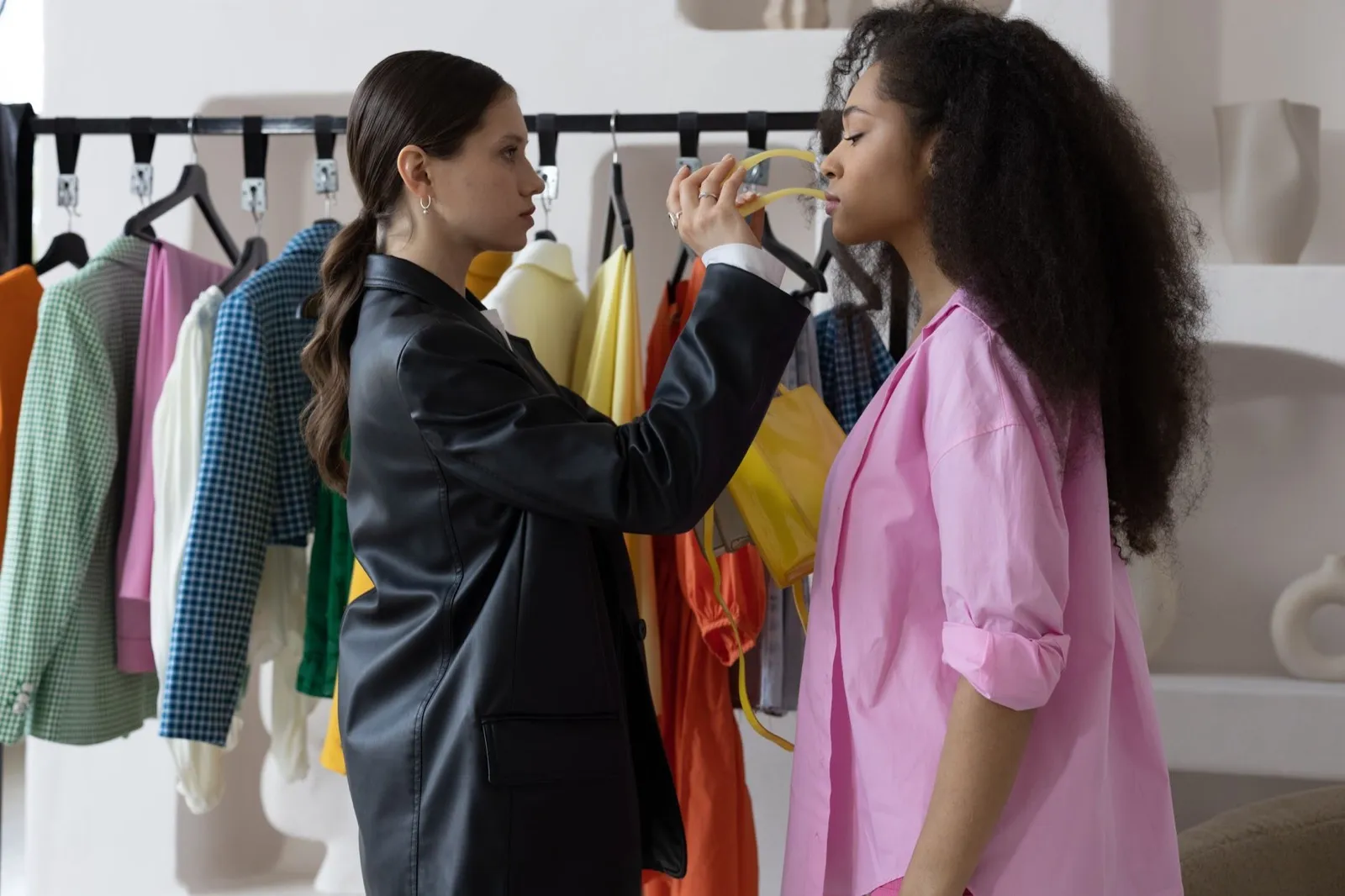
Image Credit: Pexels / Ron Lach
Finding your personal style is less about choosing an aesthetic and more about understanding what you genuinely enjoy wearing. Start by looking at the clothes you already reach for, identify the silhouettes, colours and details that repeat, then experiment with those preferences in different outfits.
You do not need a perfectly coordinated wardrobe, a particular body type or a large shopping budget. Personal style can be practical, changeable and difficult to summarise in a single word. What matters is that your clothes make sense for your tastes and the life you actually live.
This guide will help you work that out step by step.
What does personal style actually mean?
Personal style is the collection of choices that tends to appear in the way you dress.
That might include the shapes you prefer, your favourite colours, the fabrics you enjoy wearing, how you combine proportions, the shoes you reach for and the accessories that make an outfit feel finished.
For one person, that could mean relaxed trousers, crisp shirts, trainers and simple silver jewellery. For another, it might be long dresses, soft knitwear, colourful shoes and vintage-inspired accessories.
Your style can also contain apparent contradictions. You might enjoy tailored clothes for work and loose, sporty pieces at weekends. You could love both delicate dresses and chunky boots.
You do not have to reduce those preferences to one aesthetic. The aim is simply to recognise the choices that feel most natural to you.
Step 1: Look at what you actually wear
Your existing wardrobe is one of the best places to begin.
Choose around five to ten outfits you wear regularly and genuinely like. Include ordinary outfits, not just clothes you save for special occasions.
Then look for similarities.
Consider:
- trouser and skirt shapes
- dress lengths and silhouettes
- fitted versus oversized pieces
- necklines
- jacket and coat lengths
- colours
- prints
- fabric textures
- shoes
- jewellery
- bags
- the amount of detail in each outfit
You may discover that you consistently wear straight-leg trousers, simple tops and structured jackets. Perhaps you prefer loose dresses with flat shoes. Maybe your outfits are mostly neutral but almost always include one colourful detail.
Those patterns are the beginnings of your personal style.
Step 2: Separate favourites from wardrobe fillers
Most wardrobes contain clothes that are technically wearable but rarely chosen.
Take a look at the pieces you repeatedly pass over and ask why.
Perhaps the fabric feels uncomfortable. Maybe you like the colour but struggle to combine it with anything else. The silhouette might not feel like you, or the garment may require more adjusting than you want to deal with during the day.
Compare those pieces with your favourites.
The contrast can reveal useful preferences. You might realise that you own several fitted shirts but always choose relaxed ones. Or that you buy patterned pieces because they catch your eye, while your most-worn outfits are predominantly plain.
This is not about deciding that certain clothes are wrong. It is about understanding the difference between what attracts you briefly and what you genuinely enjoy wearing.
Step 3: Build a realistic inspiration board
Style inspiration can help, but it works best when you collect outfits rather than isolated beautiful items.
Save around 20 to 30 looks you could realistically imagine wearing. They can come from magazines, photographs, films, social media or anywhere else you find visual inspiration.
Then look at the collection together.
Ask yourself:
- Which silhouettes appear repeatedly?
- Which colours keep returning?
- Are the outfits simple or layered?
- Do you prefer structured or softer pieces?
- What kinds of shoes appear most often?
- Are accessories subtle or noticeable?
- Which outfits could work with your existing wardrobe?
- Which looks suit the practical demands of your life?
Try to distinguish between outfits you enjoy looking at and outfits you genuinely want to wear.
Both can be inspiring, but they serve different purposes.
Step 4: Identify your recurring style elements
Now combine what you learned from your wardrobe with what you noticed in your inspiration collection.
Write down five to ten recurring elements.
For example:
- relaxed tailoring
- straight or wide-leg trousers
- simple fitted tops
- long coats
- flat shoes
- silver jewellery
- mostly neutral colours
- occasional bright accessories
Another person’s list might include:
- midi and maxi dresses
- soft knitwear
- floral prints
- warm colours
- ankle boots
- layered necklaces
- cropped jackets
Neither list is more stylish than the other. They simply describe different preferences.
These recurring elements are more useful than trying to copy an entire aesthetic because they give you individual ingredients you can combine in your own way.
Step 5: Choose three words to describe your style
Three style words can give you a simple reference point.
Choose words that describe how you want your outfits to feel rather than how you think fashion should look.
For example:
Relaxed, simple, polished
Colourful, playful, comfortable
Soft, understated, feminine
Structured, minimal, practical
Casual, eclectic, bold
There is no correct combination.
If three words feel too restrictive, choose four or five. If you dislike the exercise altogether, skip it. The purpose is to clarify your preferences, not to create another set of rules.
You can also change your words whenever they stop being useful.
Step 6: Understand the silhouettes you enjoy
Instead of trying to dress according to a prescribed body shape, experiment with silhouettes and proportions.
Think about the overall outline created by an outfit.
For example, wide-leg trousers can look and feel very different with:
- a fitted T-shirt
- a loose shirt
- a cropped cardigan
- a long blazer
- a substantial jumper
Try several versions and notice which combinations you prefer.
You may enjoy volume on both the top and bottom. You might prefer one relaxed piece with one closer-fitting piece. Perhaps you like long, uninterrupted shapes or clearly defined layers.
These are aesthetic preferences, not rules determined by your body.
Photographing different versions of an outfit can make the differences easier to see.
Step 7: Find a colour palette that feels natural
A personal colour palette does not have to follow a formal colour analysis system.
Look at the colours you already wear most.
You may have a neutral base such as black, navy, brown, grey, cream or white, with a few favourite accent colours. Or your wardrobe might be built around several strong colours with very few neutrals.
Notice which combinations you enjoy.
You might love:
- navy with cream
- black with bright red
- brown with pale blue
- tonal shades of grey
- green with pink
- several warm earthy colours together
If you are curious about a new colour, try it rather than deciding in advance that it does or does not suit you. Hold it near your face in natural light, combine it with familiar clothes and see how you feel wearing it.
The useful question is not “Am I allowed to wear this colour?” but “Do I like this colour on me?”
Step 8: Pay attention to fabric and texture
Style is not only visual.
How clothes feel can strongly influence what you reach for.
You might prefer crisp cotton shirts, soft knits, flowing fabrics, substantial denim or smooth tailoring. You may enjoy combining contrasting textures, such as denim with a fine knit, or prefer outfits where everything feels visually clean and simple.
Comfort matters here too.
If a fabric makes you too warm, feels irritating or requires more maintenance than fits your routine, you may rarely wear it even if you love its appearance.
Knowing your fabric preferences can make it easier to understand why seemingly similar clothes receive very different amounts of wear.
Step 9: Create reliable outfit formulas
Once you know which pieces and proportions you like, turn them into outfit formulas.
An outfit formula is simply a combination you can repeat.
For example:
- straight jeans + T-shirt + oversized blazer + trainers
- wide-leg trousers + fine knit + loafers + simple jewellery
- midi skirt + relaxed jumper + ankle boots
- loose shirt + tailored trousers + flat shoes
- simple dress + cardigan + trainers
Your formulas should reflect your life.
You might need several for work, a couple for weekends and one or two for occasions when you want to feel more dressed up.
The individual garments can change while the basic structure stays the same. A familiar formula makes getting dressed easier without requiring every outfit to look identical.
Step 10: Use accessories to make simple outfits feel personal
Accessories can be a particularly easy way to develop a recognisable style.
Consider what you naturally prefer.
You might repeatedly choose:
- small silver hoops
- layered gold necklaces
- colourful scarves
- substantial rings
- structured bags
- soft shoulder bags
- baseball caps
- narrow belts
- patterned socks
- statement earrings
You do not need many accessories. Repeating the same favourites can become part of your style.
A plain shirt and trousers can feel very different with trainers and a canvas bag than with loafers, a belt and jewellery. Neither version is better. The details simply change the character of the outfit.
Step 11: Experiment before you shop
You can learn a great deal about your style without buying anything.
Spend some time making new combinations from your existing wardrobe.
Try:
- changing your usual proportions
- layering pieces differently
- combining colours you have not previously worn together
- switching shoes between casual and smarter outfits
- wearing an accessory you normally save for particular occasions
- styling one favourite piece three different ways
Take photographs of the combinations you like.
If something does not work, try to identify why before dismissing the whole outfit. Sometimes changing one element, such as the shoe shape or jacket length, is enough.
This process helps distinguish a genuine wardrobe gap from the temporary feeling that you need something new.
Step 12: Make a personal style list
By this stage, you should have enough information to create a simple reference list.
Divide it into three categories.
Things I love
These are reliable favourites. They could include certain silhouettes, colours, fabrics, shoes, accessories or combinations.
Things I want to explore
Keep ideas here that interest you but that you have not yet incorporated into your wardrobe.
Perhaps you want to try brighter knitwear, longer skirts, relaxed tailoring or more jewellery.
Things I rarely enjoy wearing
This is not a list of clothes you should never wear. It simply records patterns you have noticed.
If you repeatedly buy very structured jackets but never wear them, that is useful to remember the next time you are attracted to one.
Your lists can change as often as your preferences do.
Step 13: Shop for your wardrobe, not for individual items
If you decide you need something new, think about how it will interact with what you already own.
Before buying, ask:
- Can I imagine wearing this in my normal week?
- Which existing pieces would I combine it with?
- Does it work with silhouettes I already enjoy?
- Is the fabric comfortable for me?
- Does it fill a genuine gap or duplicate something I already have?
- Would I still want it if I had not seen it styled as part of a complete look?
You do not need to follow a strict number of outfits or uses to justify a purchase. These questions simply help you judge an item in the context of your real wardrobe.
Step 14: Repeat what works
Personal style does not require constant reinvention.
If you love wearing straight trousers, shirts and loafers, repeat the combination. Change the colour, fabric or accessory when you want variety.
If a particular dress with boots makes getting dressed easy, wear it regularly.
Repeated silhouettes, colours, jewellery and outfit formulas can make your style feel more recognisable over time.
Outfit repetition is not a failure of creativity. Sometimes it simply means you have found something you genuinely like.
What if you like several different aesthetics?
You do not need to pick one.
Perhaps you love minimal tailoring, romantic dresses and sporty weekend clothes. Look for smaller details connecting them.
Maybe you consistently choose simple colour combinations. Perhaps all three include relaxed silhouettes. You might wear the same jewellery or shoes across very different outfits.
Your personal style can contain several sides of your personality and several versions of your life.
It can also change with the season, your work, your routine, your tastes and your priorities.
What if your style keeps changing?
That is normal.
Personal style is not a decision you make once.
You may discover new colours you enjoy, stop wearing silhouettes you once loved or need completely different clothes after a change in work or lifestyle.
Instead of trying to create a “finished” wardrobe, think of your style as a set of current preferences.
Every so often, look again at what you are wearing most. If your favourites have changed, update your style words, outfit formulas or inspiration collection.
Your wardrobe is allowed to change because you are allowed to change.
A simple seven-day personal style exercise
If you want a practical place to begin, try this for one week.
Day 1: Choose five favourite outfits and identify what they have in common.
Day 2: Look at the clothes you rarely wear and write down why.
Day 3: Collect 20 realistic outfit inspiration images.
Day 4: Identify five recurring style elements and choose three style words.
Day 5: Create three outfit formulas using clothes you already own.
Day 6: Experiment with one unfamiliar combination, colour or proportion.
Day 7: Review photographs of the week’s outfits and write down what you want to repeat.
By the end, you do not need to have a perfectly defined aesthetic. You simply need a clearer understanding of your own preferences.
That is the foundation of personal style: knowing what you enjoy, recognising the patterns in your choices and giving yourself permission to repeat, adapt and change them.
Related reading
- How to Find Your Signature Style
- How to Create a Personal Style That Feels Like You
- What Is My Style? How to Work Out What Clothes Actually Suit You