How to Create a Weekly Routine That Keeps You Organised
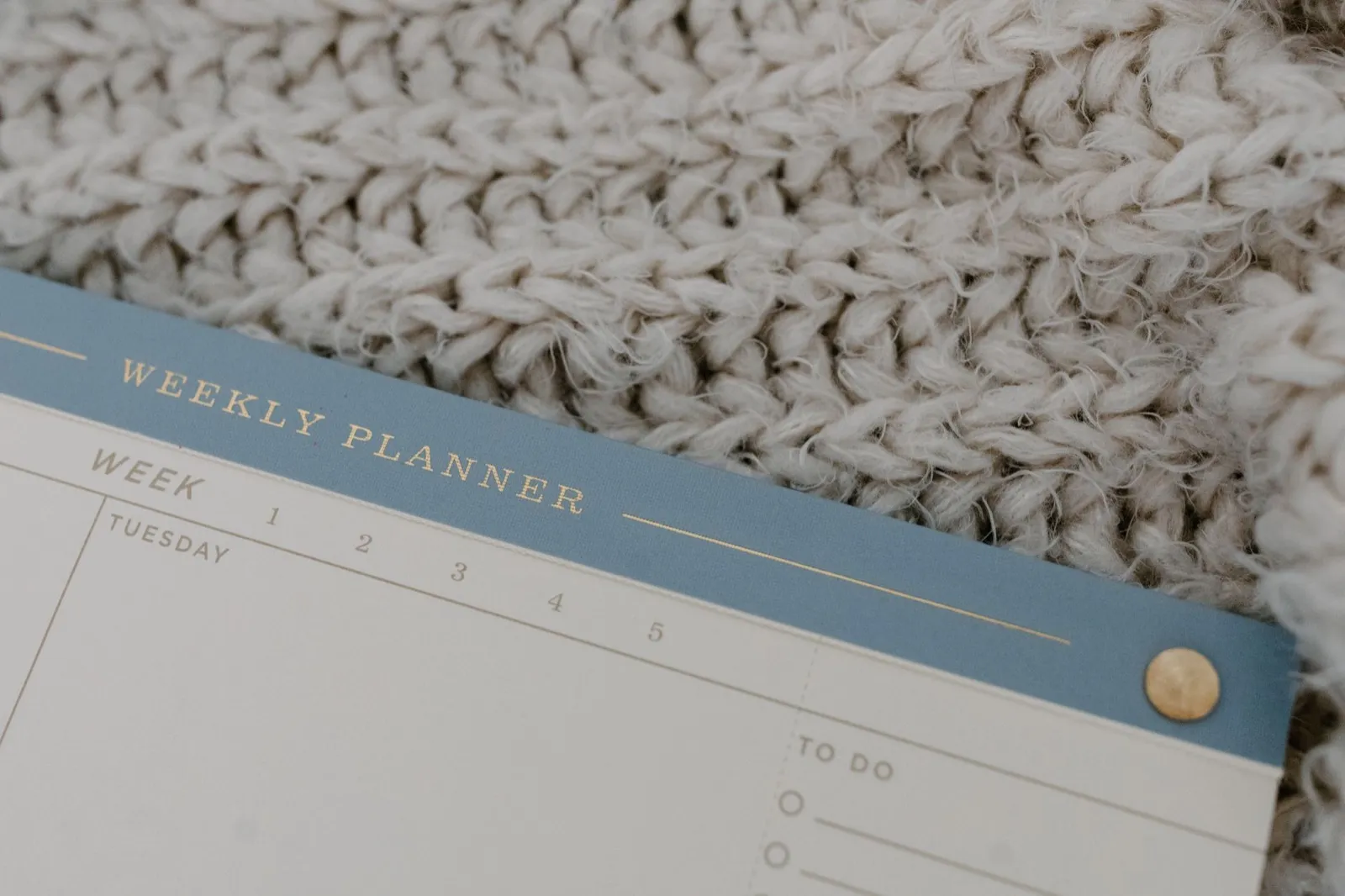
Image Credit: Pexels / Tara Winstead
A weekly routine works when it gives regular tasks a home without assuming every week will run smoothly. Start by mapping fixed commitments, add a few repeatable anchors, then use a short weekly review to adjust rather than starting again.
Organisation is often presented as a matter of finding the perfect planner. More often, it is about making fewer decisions at the busiest moments. NHS guidance suggests keeping a to-do list in one accessible place and prioritising it. A routine can support that by showing when recurring tasks are likely to fit, while leaving room for disruption.
Draw the fixed structure first
Choose paper, a calendar app or a shared board. Put in work hours, classes, appointments, school collection, regular care and travel first. Do not duplicate every small task yet. The aim is an honest picture of time already spoken for.
Add a small anchor map
Anchors are repeatable moments rather than rigid schedules: a food shop after payday, washing on a home-working day, a fifteen-minute diary check after dinner, or messages to family on a quieter evening. Start with two or three anchors. They create a structure without turning every hour into a rule.
Give recurring jobs a likely home
Put tasks where they have the best chance. A call you avoid may belong in your quieter morning; laundry may suit a day you are home; life admin may need a library or a café rather than your sofa. Every Mind Matters calls this choosing your prime time and perfect place. It is practical, not a test of willpower.
Layer priorities over the anchors
A long list makes every job look equally urgent. At the start of the week, identify three meaningful priorities, alongside ordinary maintenance. They can be small: book an appointment, finish one form, clear the kitchen table. If new demands appear, decide which priority moves instead of simply adding more.
Re-map when the week changes
At the end of the week, ask what repeatedly did not fit and why. Was the task too large, in the wrong place or dependent on someone else? NICE guidance supports action plans that specify what, when and where, then are reviewed in light of experience. Change the plan before judging your commitment.
Keep a menu beside the map
Use the weekly map for fixed commitments and anchors, not every possible task. Keep a separate menu for errands, cleaning and optional work so you can choose from it when time opens up. NHS guidance recommends keeping a prioritised to-do list in one accessible place.
Refresh the map at a regular checkpoint
Use a brief check after a shift cycle, on a quieter evening or before a new week. Keep the anchors that worked and relocate those that did not. The goal is a legible pattern of support, not a schedule that needs defending when life changes.
A weekly anchor map to try
A simple week: Monday check diary; Tuesday laundry; Wednesday twenty minutes of admin; Thursday food plan; Friday clear bag and paperwork; weekend choose one home task and one enjoyable plan. The rest of the time remains available for work, rest and life. If you miss Wednesday, move or shrink the task rather than doubling it on Thursday.
Put the plan somewhere you will see it, or link it to an existing event. You do not need to track every day. A brief note at the end of the week can show whether the routine reduced friction, felt pleasant or asked too much. Habit research from UCL found that repetition in a consistent context can help behaviours become more automatic, but timing varies widely. One missed day does not erase the work you have already done.
Common obstacles and useful adaptations
For variable shifts, plan by sequence: first day off, last workday, before a night shift, after payday. For ADHD, memory difficulties or heavy caring demands, externalise reminders with a visible calendar, alarms or a shared list and make tasks smaller. NHS Highland suggests linking a daily check to an existing activity, such as making tea. Use the tool that reduces remembering, not the one that looks most organised.
If the routine is not happening, adjust one variable at a time: make the action smaller, change the cue, move it to a different place or ask for practical help. NHS advice on stress is clear that trying to do everything at once is not the answer. Small targets can be easier to begin and easier to review.
Frequently asked questions
How detailed should a weekly routine be?
Detailed enough to show commitments and a few anchors. If it needs constant rewriting, make it less detailed and keep a short task list alongside it.
Should I schedule every task?
No. Schedule appointments and a small number of priorities. Keep routine tasks on a menu or list so your calendar still has breathing room.
How do I keep a weekly routine with an unpredictable job?
Use flexible anchors based on events rather than days, and review more often. A ten-minute check after each shift cycle may work better than a Sunday plan.
When to get professional advice
Routines can make everyday tasks easier, but they are not a substitute for support. Speak to a GP or relevant professional if persistent sleep problems, low mood, anxiety, stress, pain or fatigue are affecting daily life. If you are in immediate danger or unable to keep yourself safe, call 999 or go to A&E.
Related reading
- The Ultimate Sunday Reset Routine
- How to Plan Your Week on Sunday Without Overcomplicating It
- How to Reset Your Routine After Falling Out of It