How to Look Stylish Without Following Every Trend
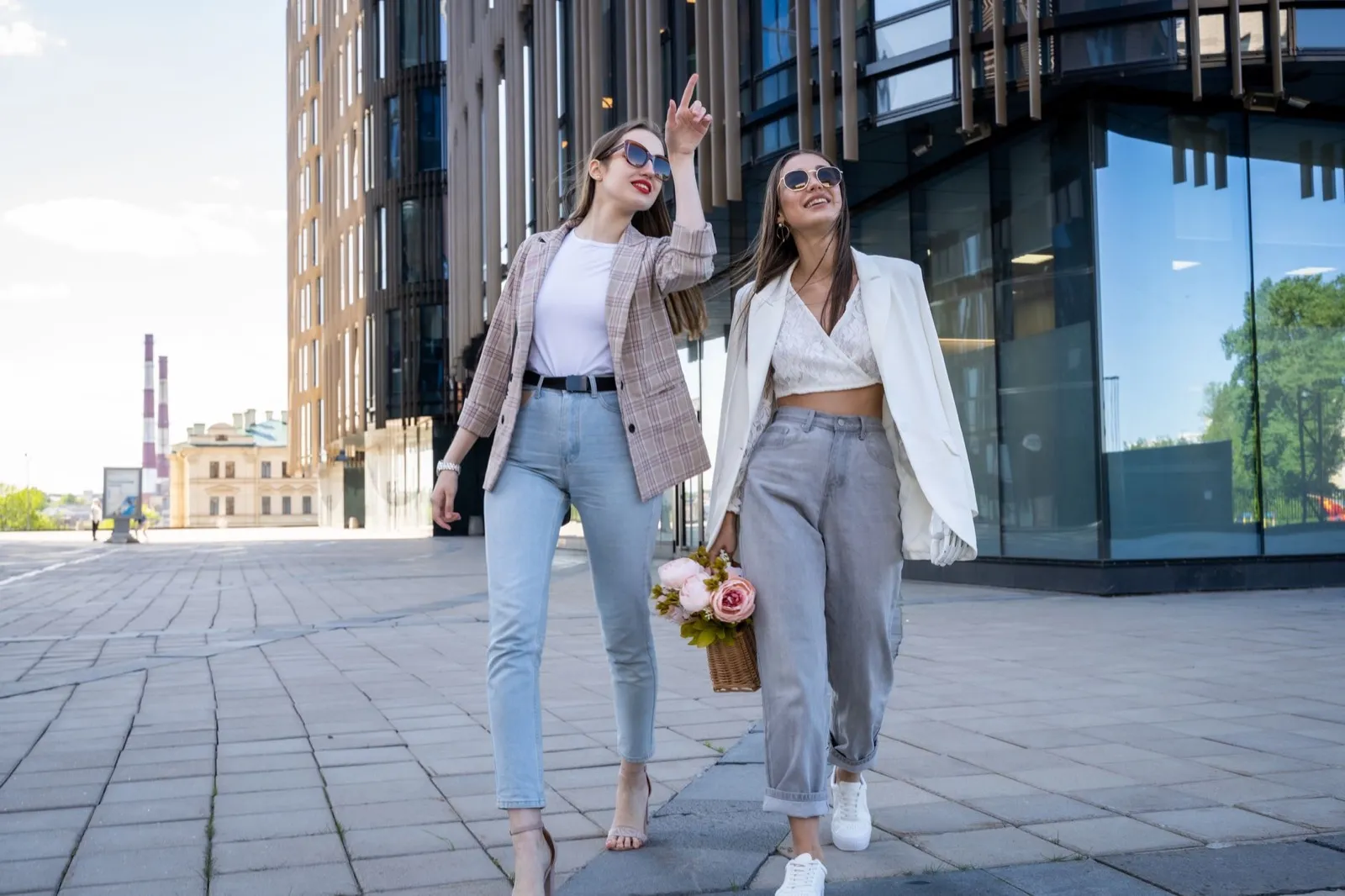
Image Credit: Pexels / Mikhail Nilov
You do not need to follow every fashion trend to look stylish. A more useful approach is to understand which silhouettes, colours, fabrics and outfit combinations you genuinely enjoy, then repeat and refine them in ways that feel current to you.
Trends can be fun sources of inspiration, but they are optional. You can ignore most of them, try the occasional one that fits naturally with your wardrobe, or pay very little attention to them at all.
Style becomes much easier when the question changes from “What should I be wearing now?” to “How do I want to wear the clothes I like?”
Know what you genuinely like
The easiest way to become less dependent on trends is to understand your own preferences.
Look at the outfits you wear repeatedly.
What do they have in common?
Perhaps you consistently choose:
- straight or wide-leg trousers
- simple shirts
- fitted knitwear
- oversized jackets
- long dresses
- flat shoes
- neutral colours
- bright accessories
- silver jewellery
- soft, relaxed layers
Write down the elements you return to.
These repeated choices are useful because they give you a personal reference point. When a new trend appears, you can decide whether it actually fits your taste rather than assuming you need to adopt it.
Build outfits around silhouettes you enjoy
A strong outfit does not depend on whether its individual pieces are currently fashionable.
Pay attention to the overall shape.
You might enjoy:
- wide trousers with a fitted top
- straight jeans with an oversized shirt
- a loose dress with substantial shoes
- a midi skirt with a relaxed jumper
- relaxed trousers with a long coat
- fitted trousers with a boxier jacket
Experiment with proportions using clothes you already own.
Try a shirt tucked, untucked or worn open. Compare a cropped jacket with a longer layer. Swap a delicate shoe for something more substantial.
There is no universally correct proportion. The useful combination is the one that looks and feels right to you.
Create a colour palette you enjoy repeating
Colour can make a wardrobe feel connected even when the clothes come from different years or styles.
You might naturally gravitate towards:
- black, white and grey
- navy, cream and brown
- earthy greens and warm neutrals
- soft pastels
- dark shades with bright accents
- bold contrasting colours
Notice the combinations you wear most often.
If you love navy with cream, use it repeatedly. If bright red makes simple outfits more interesting to you, bring it in through knitwear, shoes, a bag or another detail.
A personal colour palette does not need to be strict. It simply gives you familiar combinations to return to when you do not know what to wear.
Repeat outfit formulas
Stylish dressing does not require a completely new idea every morning.
Create a few outfit formulas that reliably work for you.
For example:
- straight jeans + shirt + loafers + simple jewellery
- wide-leg trousers + knit + trainers + long coat
- midi skirt + T-shirt + cardigan + ankle boots
- relaxed trousers + T-shirt + blazer + trainers
- simple dress + jacket + flat shoes
Then vary the individual pieces.
A white shirt can become a blue one. Black trousers can become brown. Trainers can be replaced with loafers.
The formula provides structure while leaving plenty of room for variation.
Make simple clothes feel intentional
Simple clothes are not automatically boring, and they do not need to be replaced whenever fashion changes.
A plain T-shirt and trousers can feel considered through:
- an interesting proportion
- a repeated colour
- a textured layer
- a favourite belt
- noticeable earrings
- a particular shoe shape
- a structured or soft bag
Think about where you want the visual interest to come from.
You might prefer very simple clothes with stronger accessories. Or you may enjoy colourful clothing with minimal jewellery.
Neither approach depends on a trend cycle.
Use accessories to develop a recognisable style
Accessories are one of the easiest ways to make outfits feel personal.
You may repeatedly prefer:
- small hoops
- layered necklaces
- substantial rings
- scarves
- belts
- structured bags
- soft shoulder bags
- colourful socks
- particular glasses or sunglasses
You do not need a large collection.
Wearing the same jewellery or carrying a favourite bag repeatedly can create continuity between very different outfits.
Those recurring details can become more recognisable than any particular trend.
Mix casual and polished pieces
One way to make familiar clothes feel interesting is to combine different levels of formality.
You could try:
- tailored trousers with trainers
- jeans with a crisp shirt and loafers
- a midi skirt with a sweatshirt
- a blazer with a T-shirt
- a simple dress with a denim jacket
- relaxed trousers with a structured bag
This works particularly well if your wardrobe contains clothes from several parts of your life.
Instead of keeping “smart” and “casual” pieces completely separate, experiment with combining them.
The result may feel more personal than copying a complete look from one style category.
Pay attention to texture
Texture can give an outfit depth without relying on novelty.
Consider combinations such as:
- denim with fine knitwear
- crisp cotton with soft wool
- smooth tailoring with ribbed textures
- linen with structured accessories
- a chunky jumper with a flowing skirt
You do not need to deliberately mix textures in every outfit.
Simply noticing them can help you understand why some simple combinations feel more interesting than others.
This is particularly useful if you prefer wearing a limited range of colours.
Keep the clothes you still love
A garment does not become unusable because a different silhouette or colour is receiving more attention.
If you still enjoy wearing something, keep wearing it.
You may choose to style it differently over time, or you may wear it exactly as you always have.
There is no requirement to replace clothes simply because they are no longer the newest version of an idea.
Personal style often becomes clearer through repetition. The pieces you continue to love across several seasons can tell you a great deal about what actually works for you.
Treat trends as ideas, not instructions
If you enjoy fashion, you do not need to ignore trends completely.
Instead, treat them as a stream of optional ideas.
When something catches your attention, ask:
- Do I genuinely like this?
- Does it fit with clothes I already wear?
- Can I imagine wearing it after the initial novelty fades?
- Is there a way to try the idea using something I already own?
- Do I like the actual item, or only the way it has been styled?
Sometimes the answer will be an enthusiastic yes.
A trend can become part of your personal style if you genuinely enjoy it.
The point is not to reject trends. It is to choose rather than automatically follow.
Try a trend through styling first
Before buying something specifically because you have seen it everywhere, see whether the underlying idea can be recreated with your wardrobe.
If you are drawn to a particular colour combination, try it with pieces you already own.
If you like a new layering idea, experiment with your shirts, knitwear or jackets.
If a particular trouser proportion catches your attention, see whether adjusting the styling around trousers you already own creates a similar feeling.
You may discover that the part you liked was not the new product at all. It was the styling.
Build around your signature details
A few recurring details can make your style feel consistent even as individual clothes change.
Your signature might be:
- red accessories
- oversized shirts
- silver jewellery
- colourful knitwear
- long coats
- loafers
- printed scarves
- monochrome outfits
- substantial shoes
Choose details you naturally enjoy rather than trying to invent something distinctive.
A signature style does not need to be dramatic. Familiarity can be part of what makes it feel like you.
Stop saving clothes for the “right” outfit
Sometimes wardrobes feel less stylish simply because favourite pieces are treated as too special or too difficult to wear.
Try combining them with ordinary clothes.
Wear the interesting blouse with jeans. Put the colourful skirt with a simple jumper. Use the bag you normally save for evenings with a daytime outfit.
Mixing favourite pieces into everyday dressing can make your wardrobe feel more expressive without adding anything new.
You may also discover combinations you would never have planned while shopping.
Wear the same outfit again
Repeating outfits can be one of the easiest ways to develop personal style.
If an outfit works, save it.
Take a photograph or write the combination down.
Then wear it again.
You can change one element if you want variety:
- swap the shoes
- add a different coat
- change the bag
- use another colour of the same type of top
- add or remove jewellery
Or repeat the outfit exactly.
Style does not require constant novelty.
Keep your wardrobe connected to your real life
The most stylish wardrobe for you is one you can actually use.
Think about what you regularly dress for.
Perhaps your week includes commuting, office work, working from home, childcare, walking, social plans or formal environments.
Then make sure your favourite style ideas can function within those settings.
If you walk frequently, comfortable shoes may become a key part of your style. If you need layers, outerwear and knitwear might do much of the visual work. If your workplace is casual, you may prefer polished details rather than formal outfits.
Practicality does not sit outside personal style. It helps shape it.
Know when an outfit is finished
One reason people chase trends is the feeling that their existing outfits are somehow missing something.
Before adding another piece, look at the outfit as it is.
Does it actually need more?
Sometimes jeans, a knit and loafers are enough. A simple dress may need nothing beyond shoes. A colourful outfit may already have plenty of visual interest without accessories.
If something does feel missing, try one small change.
Add earrings. Swap the shoes. Introduce a jacket. Repeat a colour.
You do not need to turn every outfit into a styling project.
A simple no-trend style checklist
If you want to dress stylishly without relying on trends, ask yourself:
- Which silhouettes do I genuinely enjoy?
- Which colours do I naturally repeat?
- What are my most reliable outfit formulas?
- Which shoes work with my actual lifestyle?
- What accessories feel like me?
- Do I prefer simple outfits or more visual detail?
- Which clothes have I loved for years?
- Which trend ideas do I genuinely want to try?
- Can I recreate those ideas with something I already own?
- Would I still want this outfit if nobody told me it was fashionable?
Your answers will probably be more useful than any list of what is currently “in” or “out”.
Looking stylish without following every trend is not about rejecting fashion. It is about giving your own preferences more weight.
Keep the clothes you love. Repeat combinations that work. Experiment when something genuinely interests you. Let trends offer ideas, then decide for yourself which ones deserve a place in your wardrobe.
Related reading
- How to Find Your Personal Style: A Complete Guide
- How to Find Your Signature Style
- How to Reinvent Your Style Without Replacing Your Whole Wardrobe