How to Organise a Small Bedroom With Too Much Stuff
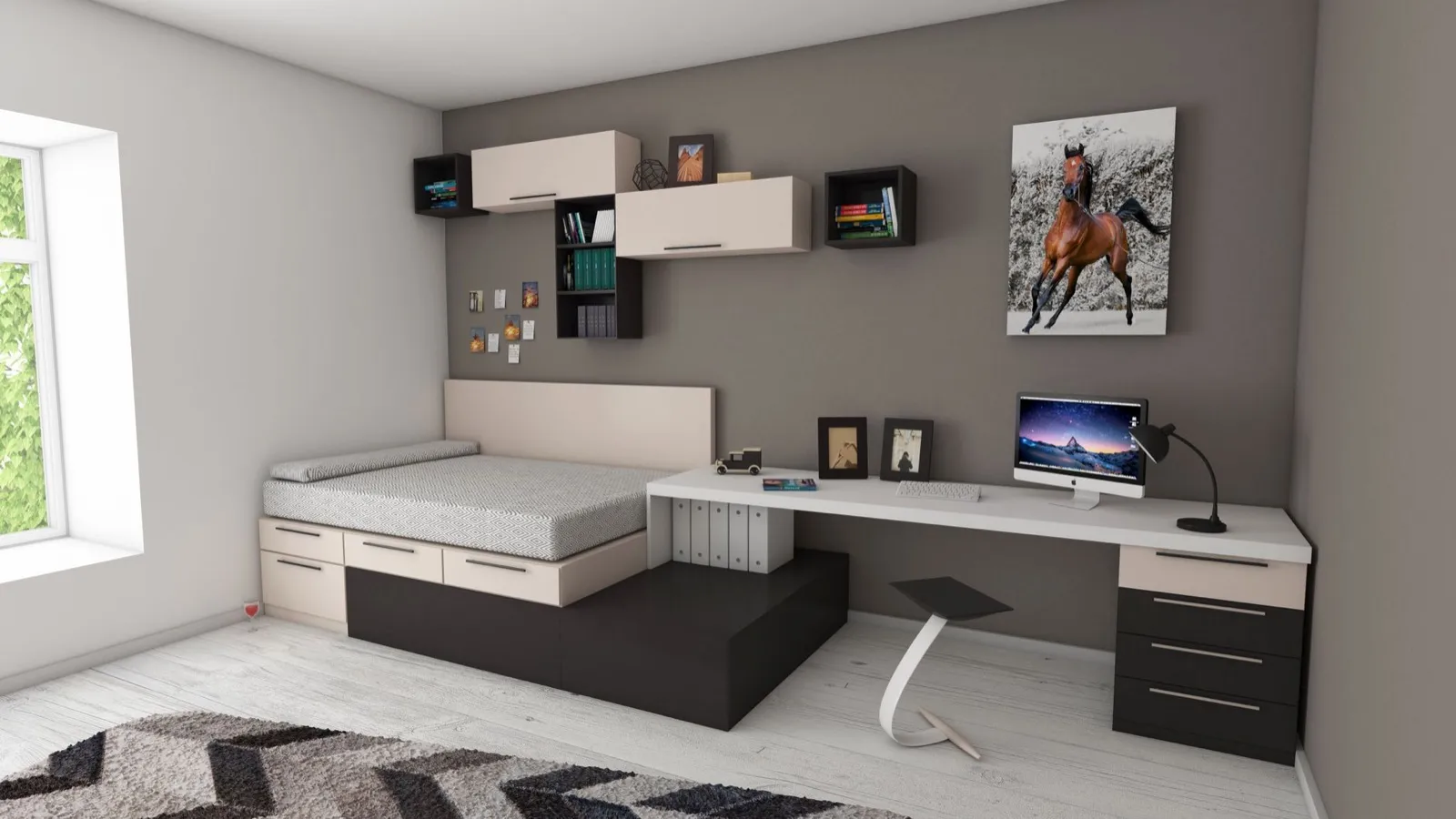
Image Credit: Pexels / Medhat Ayad
To organise a small bedroom with too much stuff, first make the bed, floor and route through the room usable, then reduce what does not need to live there. Give the remaining items simple zones: sleep, clothes, daily essentials and temporary items. Small rooms work better when storage is easy to use, not when every object is hidden in a complicated system.
Limited space is a practical constraint, not a personal failure. You may share a room, rent, have no built-in wardrobe, need equipment close by, or use the bedroom for work and sleep. Begin by making the room suit those realities rather than trying to copy a large, sparse room online.
Start with access and essential functions
Clear a path from the door to the bed, window and wardrobe. Make enough room to open drawers and doors. Remove rubbish, dishes and laundry first, then put items that belong elsewhere into one basket. If the bed is covered, make that the first goal. A usable bed and safe route create an immediate improvement without needing a full redesign.
Write down the room’s non-negotiable jobs. It may need to support sleep, dressing, medication, baby care, work, prayer, mobility equipment or a hobby. These needs decide what deserves accessible space. Decor and extra storage come later.
Edit what lives in the room
Sort by where things are used. Kitchen items go back to the kitchen, bathroom backups go to their designated shelf, and papers go to a single admin tray. Then look at what remains. Keep only the clothing, bedding, personal items and equipment that need to be in the bedroom.
Choose one category at a time. A small bedroom is not helped by emptying every drawer onto the bed. Start with shoes, then laundry, then bedside items, then one clothing category. Use a donation bag and a “not today” box for decisions that need more time.
Divide the room into clear zones
Even a very small room benefits from named zones. The bed zone holds sleep items. The dressing zone holds everyday clothes and laundry. The bedside zone holds night essentials. A work or hobby zone, if needed, has one tray, bag or shelf that can close at the end of the day.
Zones do not need furniture labels. A hook for tomorrow’s clothes, a basket for laundry and a tray for chargers are enough. The point is that each item has a likely return place, so putting it away does not require deciding anew.
Use storage you can reach and reset
Keep frequently used things between waist and eye level where possible. Put seasonal bedding, spare towels or occasional clothes higher up or under the bed. Use shallow under-bed boxes only if you can pull them out without strain. If accessing them is difficult, they will become long-term storage for forgotten items.
Vertical storage can help, but do not overload shelves, doors or hooks. Follow furniture instructions and keep exits clear. Before buying organisers, measure the space and count what remains. A few matching containers can be useful; dozens of containers create their own category of clutter.
Make clothes take less decision-making
Keep a small laundry basket where clothes come off. Use one hook for items that can be worn again, rather than making a chair into a permanent pile. Store everyday clothes in the easiest drawers or rail space. Fold only to a level you can maintain; rolling, bins or simple stacks are all valid if they help you find things.
Seasonal swaps can free room, but only if you have a sensible place for the off-season items. A labelled box is better than several unmarked bags. Review it when the weather changes rather than buying more storage.
Create a landing place for daily objects
Keys, glasses, chargers, lip balm, books and medication can quickly cover a small surface. Choose one tray or drawer for these items. Keep medicines secure and follow storage directions. A landing place is not a demand to be perfect; it is a shortcut when you are tired.
For paperwork, use a single vertical folder or tray and schedule a brief weekly look. Do not let every letter live on the bedside table because you are worried you will forget it. A visible, contained reminder is easier to manage than a spreading pile.
Use a closing reset, not a cleaning marathon
Try a five-minute reset: dirty clothes in the basket, cups out, essentials on the bedside tray, and one clear path. If you share the room, agree on a version that is fair and realistic for both people. A reset can be skipped on hard days; return to it when it helps again.
If the room repeatedly fills up, watch what arrives there. A bag near the door may stop outerwear landing on the bed. A post tray may stop paper spreading. The answer is often one easier home for an item, not more effort.
Flexible alternatives when storage is genuinely limited
Ask whether another household space can hold shared or occasional things. Use vacuum bags only for suitable clean, dry textiles and only if you can safely store and retrieve them. Consider a smaller bedside table, a wall-mounted light or furniture that does more than one job only when it improves how the room works.
If moving furniture is possible, try it before buying anything. Sometimes placing the bed against a different wall improves access. Do not block radiators, windows, door swings or exits. Stop if moving furniture requires more strength or help than you have.
Frequently asked questions
How can I make a small bedroom feel less cramped?
Clear the floor and main surfaces, reduce items that do not need to live there, and use a few simple zones. Empty space around the bed and a safe route often matter more than decorative storage.
Where should I put clothes in a small bedroom?
Keep everyday clothes in the most accessible storage, use one laundry basket and put occasional or seasonal clothing in labelled, reachable storage. Choose a method you can put away quickly.
Do I need to buy storage boxes?
Not immediately. Declutter first, then measure and use what you already have. Buy only a container that solves a specific remaining problem.
When to get professional advice
Speak to a GP or relevant support service if possessions are making the room unsafe or unusable, or if organising them causes serious distress. The NHS describes hoarding disorder as a condition that can need specialist help. Seek urgent assistance through 999 or A&E if someone is in immediate danger.
Related reading
- How to Declutter Your Bedroom Step by Step
- How to Declutter Your Home Without Getting Overwhelmed
- How to Organise Your Bathroom When You Have Limited Storage