How to Organise Your Kitchen So Everything Has a Place
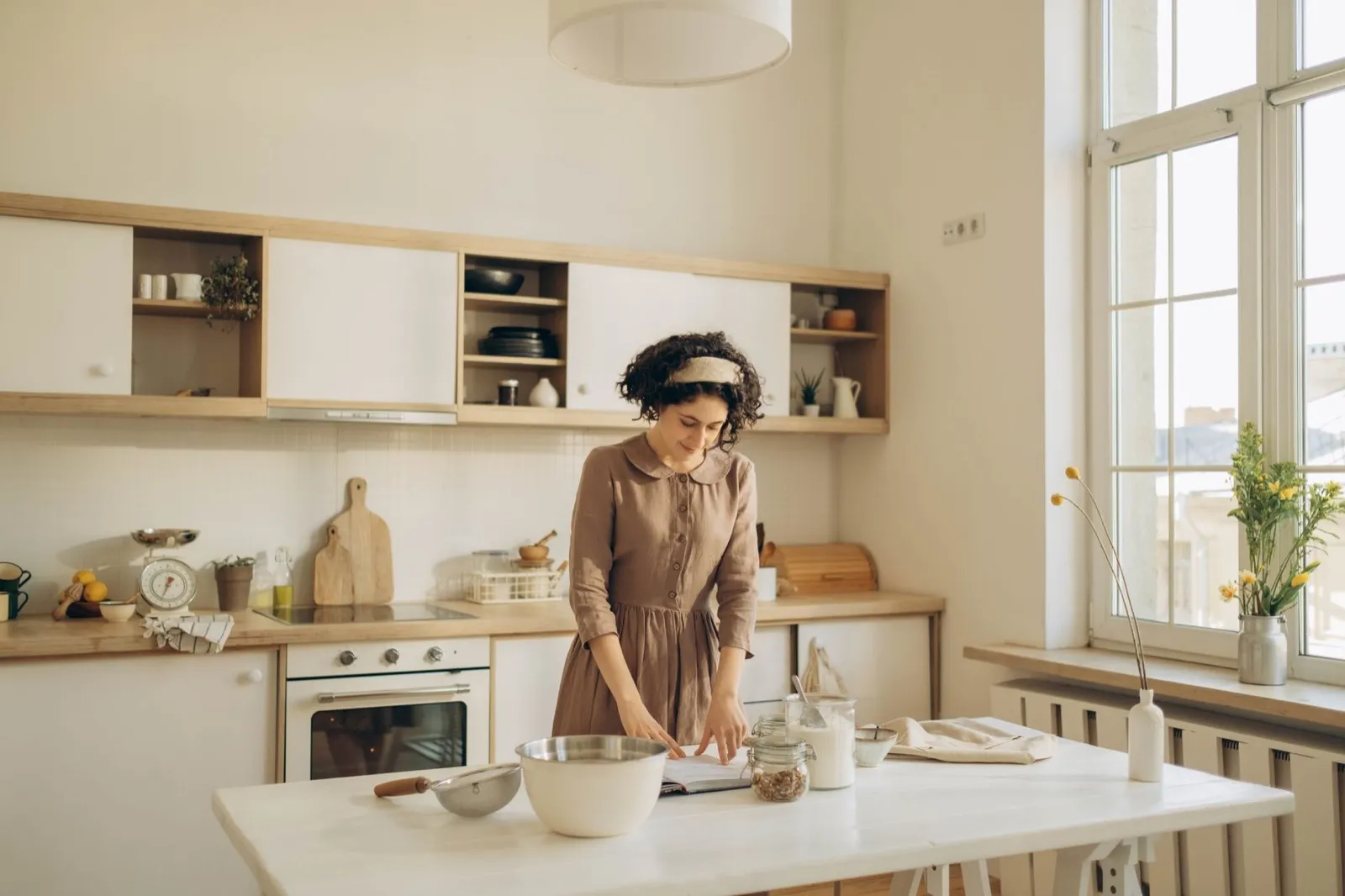
Image Credit: Pexels / Ron Lach
To organise your kitchen so everything has a place, group items by the job they do and store them near where you use them. Keep everyday tools easy to reach, food together by type, and cleaning supplies in one safe location. Declutter before buying organisers, because a kitchen works best when its storage matches what you actually cook and use.
The goal is not an empty worktop or a matching pantry. It is a kitchen where you can make food, wash up and find essentials without searching through several cupboards. Start with one zone and build a system that still works on busy evenings.
Begin with your daily routes
Notice the route you take when making tea, breakfast or a usual dinner. Store mugs and tea near the kettle, plates and cutlery near the table or dishwasher, pans near the hob, and food-preparation tools near the main worktop. Keep heavy items in lower cupboards where possible and avoid reaching or lifting in awkward ways.
Write down the kitchen’s main jobs: preparing food, cooking, serving, washing up, food storage and recycling. These become your zones. An item does not need the perfect home; it needs a home you can remember and reach.
Clear one cupboard at a time
Take out only what fits on the worktop. Check food dates, wipe the shelf if needed, and group similar items. Keep what you use, enjoy and can store safely. Put duplicates together before deciding whether you need them all.
For food, follow date-label guidance. “Use by” dates relate to safety and food should not be eaten after that date. “Best before” dates relate to quality. The Food Standards Agency explains that food may be fine after a best-before date if it has been stored correctly and looks and smells as expected, but use your judgement and the packaging guidance.
Create simple kitchen zones
Try these adaptable zones:
- Daily drinks: mugs, glasses, tea, coffee and kettle nearby.
- Preparation: knives, boards, bowls, measuring tools and oils near a worktop.
- Cooking: pans, utensils, oven dishes and spices near the hob.
- Serving: plates, cutlery and lunch containers near the table or dishwasher.
- Cleaning: washing-up items, cloths and bin bags near the sink.
- Food storage: dry goods, tins, snacks and leftovers in clear groups.
You may have only a few cupboards. That is fine. Use shelves, drawers or labelled bins to separate zones within a shared space rather than forcing a one-zone-per-cupboard plan.
Put everyday items within easy reach
Store the things you use most in the easiest places to access. Put occasional baking equipment, seasonal serving dishes and spare supplies higher up or at the back. Avoid filling every available shelf. A little room around items makes it easier to see what you have and put things away.
Use a small tray for oils and condiments, a box for baking supplies or a divider for food-storage lids only if it makes retrieval simpler. Containers should reduce searching, not require you to decant everything into a new system.
Tame the food cupboard and fridge
Group food by type: breakfast, pasta and grains, tins, baking, snacks and meal ingredients. Put older food at the front and new items behind it if that feels manageable. This helps you notice what needs using without turning the cupboard into a stock-control project.
Keep raw meat separate from ready-to-eat food and follow fridge-storage instructions on packaging. Clean spills promptly and keep food in suitable containers. A weekly five-minute fridge check can be enough: look for items that need using, plan one meal around them and dispose of food safely when needed.
Reduce duplicate equipment kindly
Kitchen drawers often hold several versions of the same tool. Keep the items you reach for and that fit the way you cook. You may need duplicates for a large household, dietary needs, accessibility or frequent entertaining. If not, one good can opener, set of measuring spoons or collection of containers may be more useful than a crowded drawer.
Check whether a gadget has a clear job and a realistic place to live. If it does, keep it. If it is unused but safe and working, consider selling or donating it through an appropriate route. Recycle broken electrical items properly and check recall information before passing electrical goods on.
Give cleaning supplies a safe home
Keep cleaning products together, away from food and out of reach of children where relevant. Follow labels, never mix products unless the instructions say it is safe, and keep products in their original containers. A small caddy can be useful if you clean in several rooms, but keep it simple enough to return.
Have a visible place for tea towels, cloths and bin bags. These small supplies create clutter when they have no home, yet a hook and a basket are often enough.
Set up a low-effort reset
Choose two or three closing actions after meals: load or wash the dishes you need next, wipe the main preparation area, and put food away. On a difficult day, do only the safety and hygiene essentials. A kitchen is allowed to look lived in.
If other people use the kitchen, make shared homes obvious and avoid creating rules only one person can remember. A label, photo inside a cupboard or short conversation can work better than silently rearranging everything.
Frequently asked questions
Where should things go in a kitchen?
Put them near their point of use: cooking tools near the hob, plates near serving or washing-up, and drinks near the kettle. Adjust according to your layout and mobility needs.
How do I organise a kitchen with very few cupboards?
Keep daily essentials accessible, group less-used items in one higher or lower zone, and reduce obvious duplicates. Use vertical shelf space carefully and avoid blocking worktops with storage you do not need.
Should I decant all my food?
Only if it genuinely helps you see, store or use it. Original packaging usually contains cooking, allergy and date information, so retain that information if you decant.
When to get professional advice
Talk to a GP or relevant professional if clutter is creating serious hygiene or safety risks, or if decisions about possessions are causing distress and affecting daily life. If you suspect food poisoning or have urgent health concerns, seek appropriate NHS advice. Call 999 or attend A&E in an emergency.
Related reading
- Things to Get Rid of When Decluttering Your Home
- How to Organise Your Bathroom When You Have Limited Storage
- How to Create a Cleaning Routine You Can Actually Keep Up With