Things to Get Rid of When Decluttering Your Home
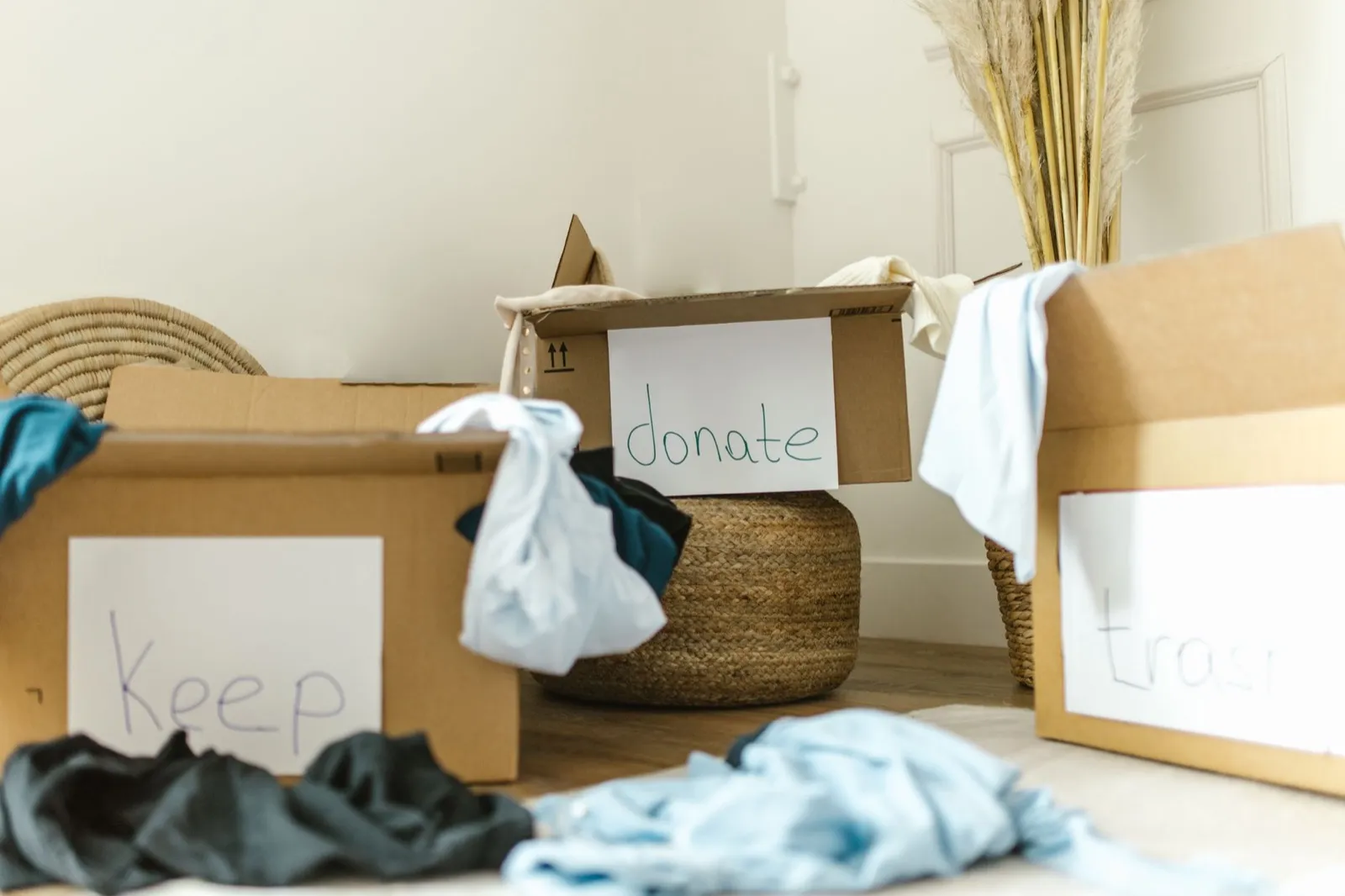
Image Credit: Pexels / RDNE Stock project
The easiest things to get rid of when decluttering are items that are broken beyond repair, expired, duplicated, no longer fit your life or cannot safely be used. Start with one category and use local disposal guidance. You do not need to throw away everything you do not use, and you do not need to make sentimental decisions before you have cleared the obvious items.
This checklist is a prompt, not a rulebook. Keep what is genuinely useful, meaningful or needed for your circumstances. The point is to notice objects that are taking space without serving you, then choose a responsible next step. If an item belongs to someone else, ask before moving it.
Rubbish and packaging that has already done its job
Start with empty boxes, takeaway menus you do not use, old shopping bags, dried-out pens, broken packaging and papers with no useful information. Clear food packaging and recycling according to your council’s rules, as local collections differ. Recycle Now provides guidance for many household items and can direct you to local options.
Do not rush paperwork into the recycling bin. Sort obvious leaflets and envelopes first, then set aside documents that contain personal, financial, legal or medical details. Shred sensitive information if appropriate. If you are unsure whether a document matters, put it in a labelled review folder rather than guessing.
Expired and unsuitable bathroom products
Look through toiletries, cosmetics and medicines one small shelf at a time. Throw away empty bottles, dried-out products and things you know you will not use. Check dates and product labels. Do not flush medicines or put them in household waste unless the instructions say to do so; pharmacies can advise on returning unwanted medicines.
Keep only products that suit your skin, health needs and routine. You do not have to keep a gift because it was expensive or well meant. If unopened, in date and accepted by a local donation scheme, it may be pass-onable. Otherwise use the recommended disposal route.
Kitchen duplicates and expired food
Empty cupboards can feel daunting, so begin with one drawer, shelf or food type. Look for stale food, out-of-date items, duplicates you never reach for, chipped mugs, blunt tools you will not replace and gadgets that have not earned their space. Check food date labels carefully: “use by” dates relate to safety, while “best before” dates relate to quality. The Food Standards Agency explains the difference.
Keep the tools you use and enjoy. A small kitchen does not need a matching collection of everything. Put like with like, then give the remaining items a home near where they are used. Do not donate items that are cracked, unsafe or incomplete.
Clothes that no longer serve you
Gather one category, such as socks, T-shirts or coats, rather than emptying every wardrobe. Let go of items that are damaged beyond repair, uncomfortable, the wrong size for your present body, or a style you consistently avoid. Keep clothes you wear, need for work or occasions, and genuinely want to keep.
You do not need to punish yourself for a purchase by storing it forever. If an item is in good condition, sell, swap or donate it where accepted. Textile recycling may be suitable for worn-out fabrics, but check the collection rules. Keep a small repair pile only for things you have a realistic plan and materials to mend.
Paper, manuals and mystery cables
Paper becomes easier when separated by action: act on it, keep it, recycle it or ask about it. Keep current guarantees, instructions for appliances you own and documents you need. Many manuals can be found online, but check before discarding a paper copy that contains safety information you rely on.
For cables, first identify anything attached to equipment you still use. Put unidentified cables in one labelled box with a date. If you have not needed them after a reasonable period, take them to an electrical recycling point rather than putting them in ordinary waste. Electrical items and accessories need appropriate recycling routes.
Decor, gifts and “someday” supplies
Decor is allowed to be purely for pleasure, but it does not all need to be on display or in storage. Keep the pieces that make your home feel like yours. Consider passing on items that you do not like, cannot picture using or keep only because they were gifts.
The same applies to craft supplies, hobby equipment and aspirational purchases. Ask whether you have a current project, a likely date to use it and enough room to enjoy it. Keep a realistic amount for a hobby you love. Letting go of supplies for a version of life that no longer fits can make room for the life you have.
Broken, recalled and unsafe items
Do not donate electrical items, furniture, toys or household goods that are unsafe, recalled or broken. Check the manufacturer’s information and the Electrical Safety First recall guidance before selling, giving away or using electrical goods. Batteries, light bulbs, paint, chemicals and sharps may need special disposal, so use local authority guidance.
If something is repairable, choose one of two actions: book the repair or set a short deadline to do it yourself. If neither happens, it is reasonable to recycle or dispose of it appropriately. A large “repair someday” pile often becomes another form of storage.
A gentle decluttering checklist
Try one list at a time:
- Empty packaging and obvious rubbish.
- Expired food, cosmetics and medicines handled safely.
- Broken items with no repair plan.
- Duplicates you do not use.
- Clothes that are damaged, uncomfortable or unwanted.
- Unidentified cables and unused small electricals for recycling.
- Gifts and decor that do not suit your home.
- Hobby supplies without a current project.
Put only one outgoing bag together at a time. Finish by moving it to the agreed donation, recycling or disposal point. This prevents a cleared drawer becoming a new pile by the front door.
Frequently asked questions
What should I never throw away without checking?
Check documents, photographs, valuables, medications, electronics, batteries, chemicals and anything that may belong to someone else. These items may need secure storage, specialist disposal or a conversation first.
Should I donate everything I do not want?
No. Donate only clean, safe, usable things that the organisation accepts. Recycle, repair or dispose of damaged items through suitable services.
How do I avoid filling the house again?
Notice what you use and where it naturally belongs. Pause before accepting free items, buying duplicates or keeping packaging “just in case”. One small outgoing bag at a time is enough.
When to get professional advice
If decisions about possessions cause intense distress, rooms cannot be used safely, or clutter is affecting health, relationships or daily care, speak to a GP or relevant mental-health professional. The NHS has information about hoarding disorder and available support. Call 999 or attend A&E if there is an immediate danger.
Related reading
- Where to Start Decluttering When You Have Too Much Stuff
- How to Declutter Your Home Without Getting Overwhelmed
- How to Organise Your Kitchen So Everything Has a Place