Labour & Birth
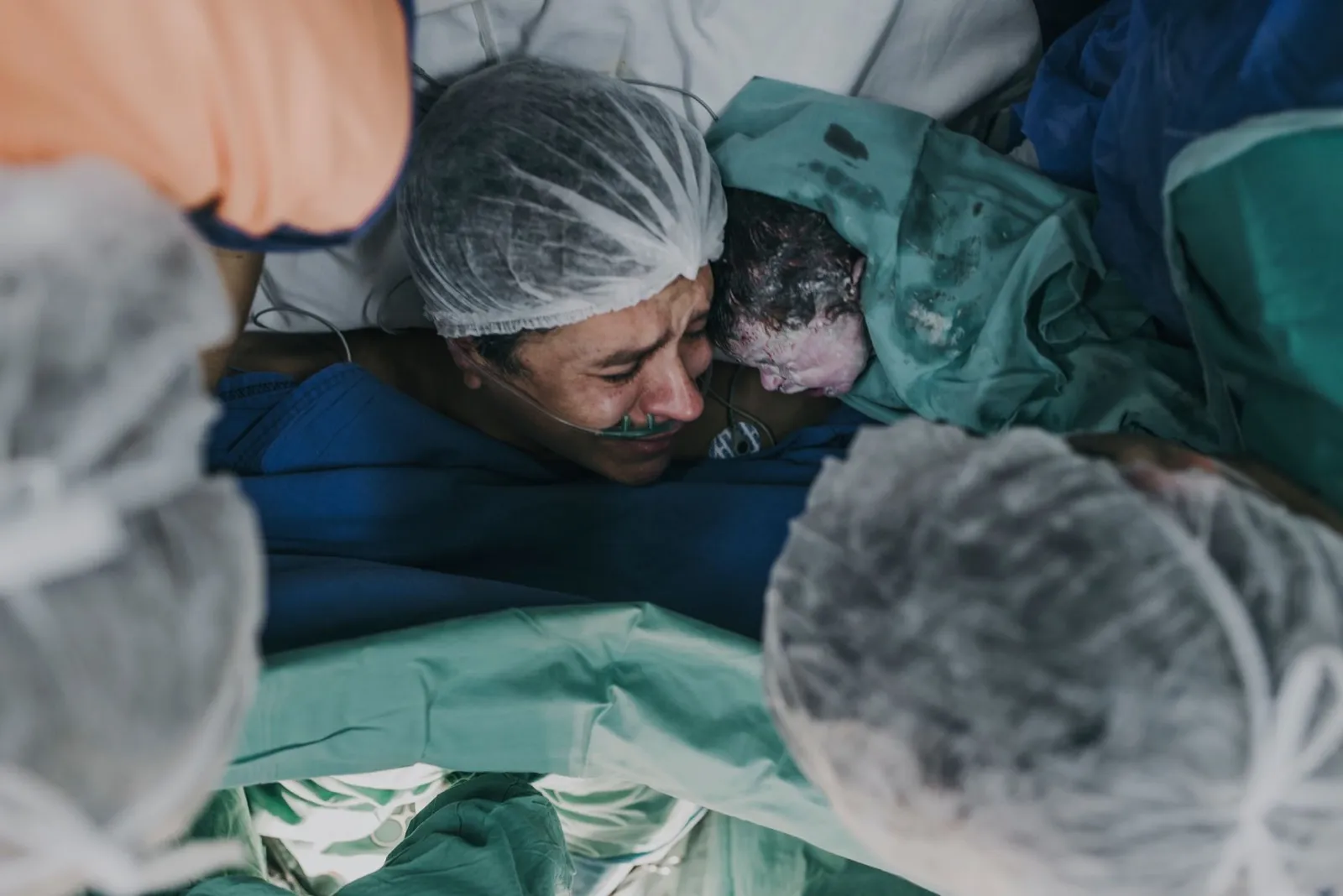
Image Credit: Pexels / Natalia Olivera
Labour and birth can feel easier to approach when you know the basic possibilities, while leaving room for things to unfold differently from the plan. Labour usually involves the cervix gradually opening, the baby being born, and then the placenta being delivered. Some births begin spontaneously, while others involve induction, assisted vaginal birth or caesarean birth.
There is no single correct way to feel about giving birth. You may be excited, anxious, practical, frightened, curious or a mixture of all of these. Understanding what may happen can give you useful context for conversations with your midwife and maternity team without suggesting that every labour follows the same pattern.
How does labour start?
The beginning of labour is not always obvious. According to the NHS, possible signs include contractions or tightenings, a “show”, backache, an urge to go to the toilet and your waters breaking.
A show is the mucus plug that has helped seal the cervix during pregnancy. It may come away as labour approaches, although labour does not necessarily begin immediately afterwards.
Contractions during labour tend to become longer, stronger and more frequent. Early contractions can be irregular, and the latent stage can last many hours or sometimes days.
Your waters may break before labour starts or during labour. This may feel like a slow trickle or a more noticeable gush of fluid. If you think your waters have broken, contact your midwife or maternity unit for advice.
The latent stage of labour
The latent stage is the early part of the first stage of labour. The cervix begins to soften, thin and open.
The NHS explains that contractions may be irregular at this point and that the latent stage is often the longest part of labour. Some people spend much of this stage at home, depending on their circumstances and the advice of their maternity service.
If you are at home, your maternity team can advise you about when they want you to come in or contact them again. This can vary according to your pregnancy, where you plan to give birth and any medical or pregnancy-related factors.
Eating and drinking, resting when possible, gentle movement, breathing, massage and a warm bath or shower are among the measures the NHS discusses for early labour.
The first stage of labour
As labour becomes established, contractions become stronger and more regular while the cervix continues to open.
During labour, your midwife or maternity team will assess how you and your baby are doing. This can include checking your observations, discussing your contractions and monitoring your baby’s heartbeat.
NICE recommends that care during labour should respect the person’s choices and involve them in decisions. The type of monitoring offered can depend on individual circumstances and whether any risk factors or concerns are present.
Labour does not always progress in a predictable way. If progress is slower than expected or concerns develop, your maternity team may discuss further assessment or possible interventions with you.
The second stage: giving birth
The second stage begins once the cervix is fully open and continues until the baby is born.
You may feel pressure or an urge to push. Your midwife will support you and explain what is happening. Positions during birth can vary, and you may be able to move or try different positions depending on what feels comfortable and what is appropriate for your care.
Some babies are born vaginally without additional assistance. Sometimes an assisted vaginal birth using forceps or ventouse is recommended, or a caesarean birth becomes the safest option being discussed.
If an intervention is being recommended, your maternity team should explain why, what it involves and the benefits and risks so that you can be involved in decisions about your care.
The third stage: delivering the placenta
After the baby is born, the placenta still needs to be delivered. This is known as the third stage of labour.
There are different approaches to managing this stage. Your maternity team can discuss the options with you and explain whether your individual circumstances affect what is recommended.
Your care team will also monitor you after the birth, including watching for excessive bleeding and checking your general wellbeing.
Pain relief during labour
People experience labour pain very differently, and wanting pain relief does not say anything about how well you are coping.
Options can include breathing and relaxation techniques, movement, water, gas and air, opioid medicines and an epidural. What is available can depend on your birth setting, medical circumstances and how labour is progressing.
You do not have to decide everything in advance. A birth plan can record your preferences, but you can change your mind during labour.
If particular pain relief options matter to you, ask your midwife about them during pregnancy. They can explain what your planned place of birth offers and whether anything in your medical history affects your choices.
Monitoring during labour
Monitoring helps your maternity team assess your wellbeing and your baby’s wellbeing during labour.
NICE describes two main approaches to monitoring the baby’s heartbeat: intermittent auscultation, where the heartbeat is listened to at intervals, and continuous cardiotocography, often called CTG, which continuously records the baby’s heart rate and contractions.
Which approach is recommended depends on your circumstances and can change if concerns or new risk factors develop during labour.
Your maternity team should explain why a particular type of monitoring is being offered and involve you in decisions about your care.
Birth plans and changing plans
A birth plan can be useful for recording preferences about your birth setting, pain relief, positions, who you would like with you and other aspects of care.
It is a plan for discussion rather than a promise about exactly how birth will happen.
NICE guidance emphasises involving pregnant people in decisions about their care. If circumstances change during labour, your healthcare team should explain what is happening and discuss the available options with you.
A change from the birth you had hoped for can bring complicated feelings. Needing induction, an assisted birth, pain relief you had not planned to use or a caesarean does not make your preferences irrelevant. You should still be included in conversations and treated with respect.
Vaginal, assisted and caesarean birth
Birth can happen in several ways.
A spontaneous vaginal birth happens without forceps, ventouse or caesarean surgery. An assisted vaginal birth uses forceps or a ventouse to help the baby be born. A caesarean birth involves delivering the baby through an incision in the abdomen and uterus.
The appropriate options depend on the individual pregnancy and what happens during labour. Existing medical conditions, previous births and complications that arise can all affect the care recommended.
If your maternity team recommends changing the planned mode of birth, ask them to explain the reason, alternatives where appropriate, and the benefits and risks relevant to your situation.
What happens immediately after birth?
Care continues after the baby is born.
Your maternity team will check your wellbeing, manage the third stage of labour and monitor for complications. The baby will also be assessed after birth.
What happens next can vary depending on how the birth went and whether you or the baby need additional care.
You can ask your maternity team during pregnancy about local practices for the period immediately after birth, particularly if there are things that are important to you.
When to get professional advice
Contact your midwife or maternity unit if you think you are in labour or if you are unsure about symptoms you are experiencing. Your maternity service can tell you when they would like you to come in based on your circumstances.
The NHS advises contacting your midwife or maternity unit urgently if your waters break, you have vaginal bleeding, your baby is moving less than usual, you are under 37 weeks and think you may be in labour, or you have contractions that are very frequent or unusually prolonged.
Do not wait until the next day if you are concerned about reduced fetal movements.
If you feel seriously unwell, have severe symptoms or believe there is an immediate danger to you or your baby, seek urgent medical help. Call 999 in an emergency. NHS 111 can advise if you need urgent medical help but are unsure where to go.
Your own maternity team may give you different or more specific instructions based on your pregnancy. Follow the advice they have given you.