Shoes & Accessories: How to Finish an Outfit
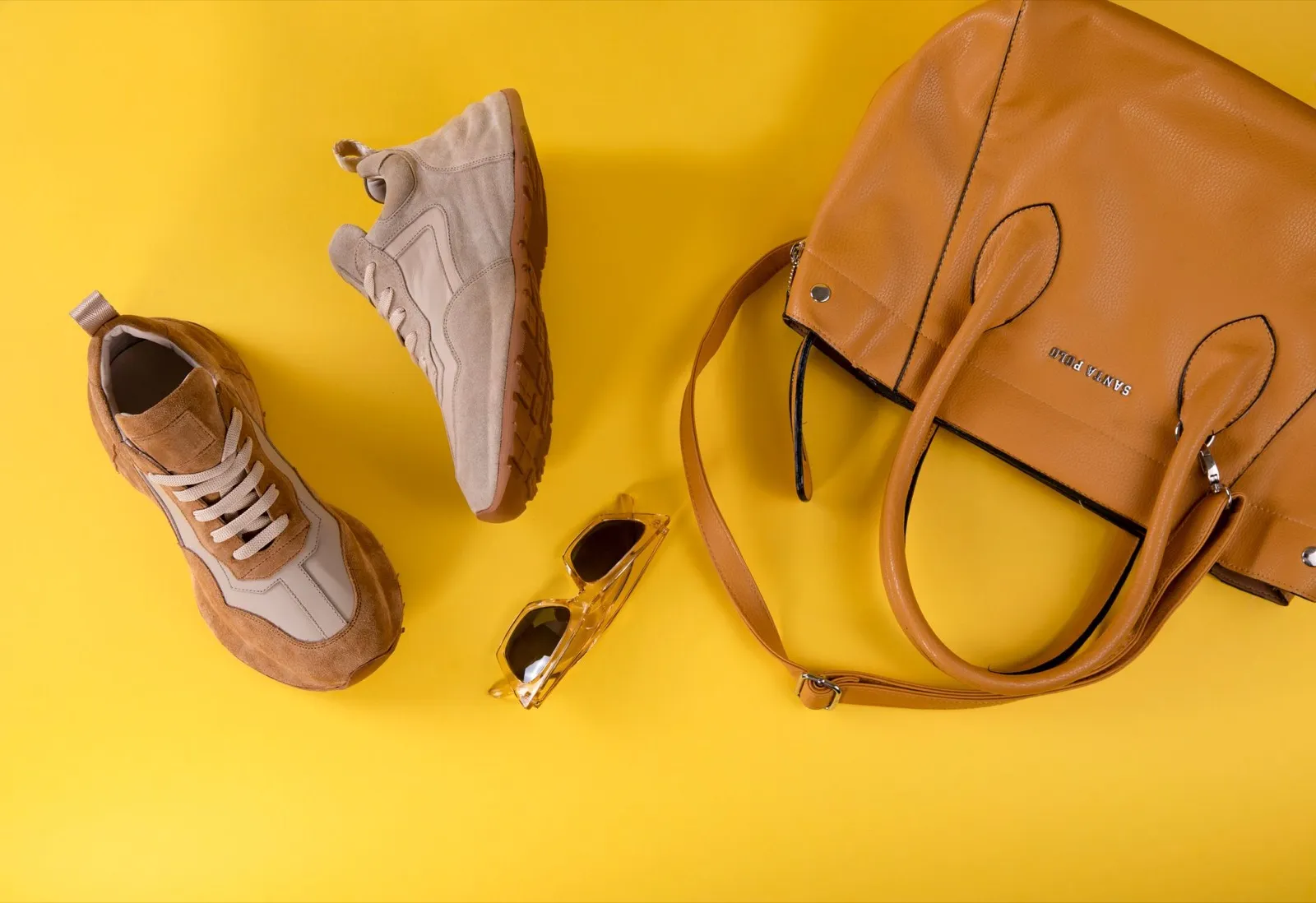
Image Credit: Pexels / Atakan Tok
Shoes and accessories can change the mood of an outfit without changing the clothes themselves. The simplest approach is to decide what the outfit needs: perhaps a little colour, contrast, practicality, polish or personality. Then choose one or two details that provide it.
You do not need perfectly coordinated shoes, bags and jewellery, and you certainly do not need a large accessory collection. A few pieces you enjoy wearing can create many different versions of the same outfit.
Start with the shoes
Shoes are a practical place to begin because they affect both how an outfit feels and how it functions.
The same pair of trousers can feel relaxed with trainers, polished with loafers, more dressed up with heels or ready for colder weather with boots.
Think first about what you will actually be doing.
If you are walking for several hours, comfort may matter more than creating a particular silhouette. If you are going from work to dinner, you might prefer a shoe that makes sense in both settings. Weather and terrain matter too.
Once the practical questions are covered, consider the mood you want.
For example:
- Jeans + trainers can feel relaxed and everyday
- Jeans + loafers can feel more polished
- Jeans + ankle boots can add structure
- A midi dress + trainers can make the dress feel casual
- A midi dress + flats can keep things simple and refined
- Tailored trousers + trainers can soften a formal outfit
- Tailored trousers + loafers can continue the polished feel
These are possibilities rather than rules. If an unexpected combination feels right to you, that is reason enough to wear it.
Decide whether you want harmony or contrast
Accessories do not have to match an outfit. Sometimes the most interesting choice is the one that creates contrast.
A romantic dress can work with substantial boots. A tailored suit can be softened with trainers. A simple black outfit can take a colourful bag. Relaxed denim can sit beside delicate jewellery.
Alternatively, you might prefer harmony.
A soft neutral outfit can be finished with similarly quiet shoes and accessories. A colourful dress can be paired with a bag that picks up one of its shades. A minimal outfit can stay minimal from head to toe.
Neither approach is more stylish. They simply create different effects.
If an outfit feels unfinished, ask yourself whether it needs continuity or contrast. That question is often more useful than trying to remember traditional matching rules.
Use a bag to change the mood
A bag is practical, but its shape, size and colour can also influence the overall feel of an outfit.
A roomy tote tends to suit days when you need to carry more. A crossbody bag keeps your hands free. A smaller shoulder bag can work when you need fewer things. An evening bag can provide a more decorative element for occasions.
You can also use your bag as the main point of interest.
If your outfit is simple, a bag in red, green, blue, metallic or another colour you enjoy can introduce contrast without requiring you to change anything else.
If you prefer quieter combinations, black, brown, tan, navy and other neutrals can move easily between outfits.
Your bag does not need to match your shoes. Matching them can create a coordinated look if you enjoy it, but mixing colours and textures can feel just as considered.
Add jewellery according to the outfit, not a formula
There is no correct number of jewellery pieces to wear.
Some outfits feel complete with small earrings. Others can take layered necklaces, rings, bangles or a statement earring. You might also prefer no jewellery at all.
Look at the neckline first.
An open neckline leaves space for a necklace if you want one. A high neckline might make earrings more noticeable. A detailed blouse or dress may already provide enough visual interest, while a plain T-shirt or knit gives jewellery more room to stand out.
You can mix delicate and substantial pieces too.
For example, a simple chain can sit beside a larger earring, or several fine rings can be paired with a chunky bracelet.
Gold and silver jewellery can also be mixed if you like the combination. There is no requirement to commit to one metal throughout an outfit.
Use belts when they have a purpose for you
A belt can be functional, decorative or both.
It might hold trousers comfortably in place, introduce a different colour or texture, or simply add another detail to an otherwise simple outfit.
Try one with:
- Jeans and a tucked shirt
- Tailored trousers and a knit
- A dress, if you like the effect
- An oversized blazer
- A cardigan worn as a top
You do not need to add a belt simply because an outfit has a defined waist or belt loops. Equally, you do not need belt loops to use one decoratively.
Treat it as another styling option rather than a requirement.
Scarves can do more than keep you warm
Scarves are useful because they can introduce colour and pattern without taking over an outfit.
A larger scarf can add warmth over a coat or knit. A smaller silk-style scarf can be worn around the neck, tied to a bag or used as a hair accessory.
If your wardrobe contains mostly neutral clothes, scarves can be an easy way to experiment with colours you are unsure about wearing in larger amounts.
If your clothes are already colourful or patterned, a plain scarf can provide a quieter finishing layer.
There is no need to master elaborate scarf tying. A simple knot, loose drape or straightforward wrap often works perfectly well.
Think about proportions rather than rules
The size of accessories can change the visual balance of an outfit.
A large bag beside an oversized coat creates a different effect from a tiny shoulder bag with the same coat. Chunky shoes can add weight to a floaty dress, while a delicate flat keeps the overall feeling lighter.
You can either echo the proportions of your clothes or deliberately contrast them.
If you are wearing an oversized shirt and wide trousers, you might continue that relaxed scale with a substantial tote. Or you could add a small structured bag for contrast.
Try both approaches in the mirror. The one you prefer is the useful answer.
Pick one focal point if the outfit feels busy
If you enjoy statement accessories, you do not have to restrict yourself to one. Layering several can be part of a very personal style.
But if an outfit starts to feel crowded, choosing one focal point can simplify it.
That might be:
- Bold earrings
- A colourful bag
- Patterned shoes
- A wide belt
- A printed scarf
- A stack of bracelets
Let that piece have some space and keep the other accessories quieter.
This can be particularly useful with patterned dresses, embellished clothing or outfits that already contain several colours.
How to accessorise a simple outfit
Simple outfits are useful blank canvases because small changes can take them in several directions.
Take jeans and a white shirt.
For a relaxed day, you might add trainers, a crossbody bag and small earrings.
For work, perhaps loafers, a structured tote and a watch feel right.
For dinner, you could switch to a more decorative shoe, add larger earrings and carry a smaller bag.
The clothes have not changed. Only the finishing pieces have.
The same principle works with a black dress, tailored trousers and a knit, a simple skirt and T-shirt, or almost any other wardrobe combination you wear regularly.
Build around accessories you genuinely use
You do not need every shoe style, bag shape or jewellery category.
Pay attention to the pieces you naturally reach for.
Perhaps you wear trainers constantly but rarely choose heels. Maybe crossbody bags suit your routine better than handheld styles. You might love large earrings but never remember bracelets.
Those preferences are useful.
If you are considering adding something new, think about whether it works with several outfits you already wear and whether it suits your everyday life.
A versatile accessory does not have to be neutral or basic. A bright bag can be incredibly useful if bright bags are something you happily carry several times a week.
Versatility is personal.
When an outfit still does not feel finished
If you are dressed but something feels slightly off, resist the urge to keep adding accessories immediately.
Try changing one thing.
Swap the shoes. Remove the necklace. Add a belt. Try a different bag. Roll the sleeves. Introduce one colour. Take one accessory away.
Often the solution is editing rather than adding.
And sometimes the outfit was already finished before you started questioning it.
Shoes and accessories should make getting dressed more enjoyable or practical, not turn the final five minutes into a test. Use them to create the mood you want, then stop when the outfit feels like yours.
Related reading
- Essential Shoes Every Woman Should Have in Her Wardrobe
- How to Accessorise an Outfit Without Overdoing It
- What Shoes to Wear With Dresses