Toddler Biting: Why They Do It and How to Stop It
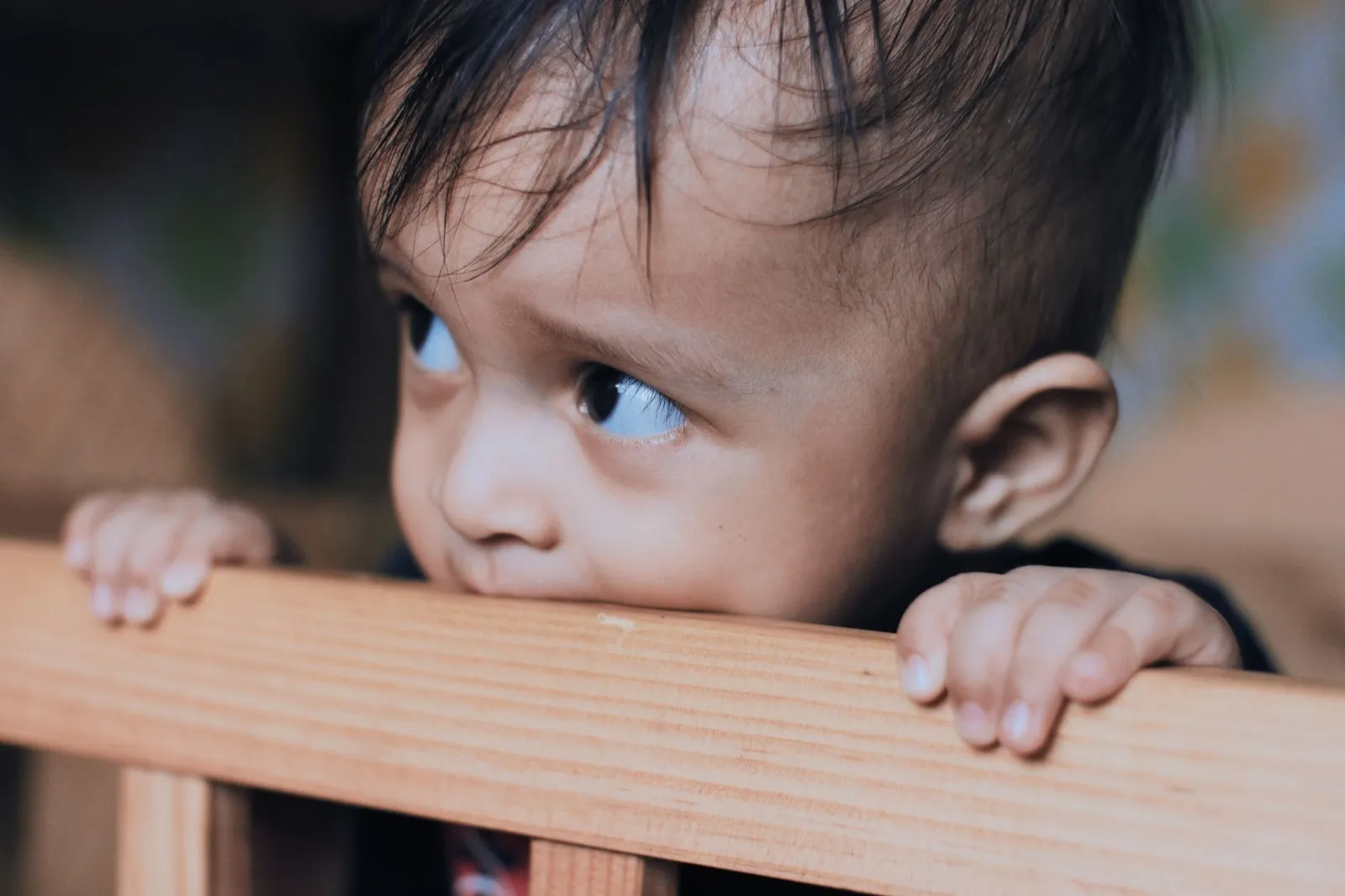
Image Credit: Pexels / Nothing Ahead
Finding out that your toddler has bitten another child can feel awful, particularly if it happened at nursery or left another child upset. Being bitten by your toddler yourself can be painful and frustrating too. Yet biting can occur during toddlerhood, and it does not mean your child is destined to become aggressive.
The NHS says most young children occasionally bite, hit or push another child. Toddlers may not fully understand that biting hurts, and they are still developing the communication and emotional skills needed to deal with frustration.
The most useful response is usually calm and clear: stop the biting, make sure everyone is safe, explain briefly that biting hurts, and help your toddler practise another way of communicating. Repetition matters because these skills take time to develop.
Why do toddlers bite?
There is rarely one explanation that applies to every toddler.
A young child may bite because they are angry, frustrated, overexcited or struggling to express what they need. The NHS notes that difficult behaviour in toddlers and young children can be linked with tiredness, hunger, overexcitement, frustration or boredom.
Toddlers are also naturally curious. NHS guidance explains that they may not yet understand that actions such as biting or pulling hair hurt another person.
Sometimes biting happens during conflict with another child. Your toddler may want a toy, dislike another child being too close or become overwhelmed while playing.
At other times, the trigger may be less obvious.
Rather than assuming your toddler is being deliberately cruel, look at biting as behaviour that needs a firm boundary and some detective work.
Is biting normal toddler behaviour?
Biting can occur as part of toddler development.
The NHS includes biting alongside hitting and pushing as behaviours most young children may occasionally show.
That does not mean every toddler bites, or that frequent biting should simply be ignored. It means an isolated biting incident is not, by itself, proof that something is seriously wrong.
Young children are still learning several skills at once. They are developing language, impulse control, empathy and ways of managing strong emotions.
A toddler may therefore feel angry before they can reliably say, “I don’t like that. Please move.”
Your role is to make the rule clear while helping them build the skills that can eventually replace the biting.
What to do immediately when your toddler bites
Start with safety.
Separate your toddler from the person they have bitten if necessary and check the injured person.
Keep your response to your toddler short and clear.
“Biting hurts. I won’t let you bite.”
Avoid lengthy explanations in the immediate moment, especially if your child is very upset.
If the bite has broken someone’s skin, it needs proper attention. NHS guidance on human bites advises cleaning a bite wound with soap and warm water, drying it and covering it with a clean dressing. NHS 111 should be contacted for a human bite that has broken the skin, according to current NHS advice.
If the wound is large or deep, or bleeding cannot be stopped, NHS guidance advises going to A&E.
Try to respond calmly
It is understandable to feel shocked or angry when your toddler bites.
If another parent has witnessed it, embarrassment can add another layer of stress.
Try to keep your response firm without becoming frightening.
The NHS advises against hitting, biting or kicking a child back. Retaliating can suggest that hurting someone physically is an acceptable response to anger.
You do not need a dramatic punishment to communicate that biting is unacceptable.
A calm, predictable boundary can be clearer:
“I won’t let you bite.”
Then deal with whatever needs to happen next.
Focus on the child who was bitten
If your toddler bites another child, make sure the other child receives attention and care first.
This helps you respond to the actual harm rather than allowing the entire moment to become centred on your toddler’s reaction.
Once everyone is safe, you can speak to your child.
Avoid describing them as a “biter”, “naughty” or “mean”.
Separate the child from the behaviour.
“You bit Mia. That hurt her.”
Your toddler is learning that an action has an effect on another person. Shame is not necessary for that lesson.
Help your toddler name what happened
After your toddler has settled, think about what happened immediately before the bite.
Perhaps another child took their toy.
Maybe they were angry because you said no.
Perhaps play became too exciting.
You can put the feeling into simple words:
“You were angry because you wanted the train.”
“You didn’t want him so close.”
“You were excited and your body got too rough.”
Then reinforce the boundary:
“You can be angry. You cannot bite.”
Giving a feeling a name does not excuse the behaviour. It gives your toddler language they may eventually use instead.
Teach a simple alternative to biting
Telling a toddler what not to do is only half the lesson.
They also need something they can do instead.
Keep alternatives simple enough for your child’s current communication level.
You might model:
“Stop.”
“My turn.”
“Help.”
“No.”
“Move please.”
A toddler who cannot yet use those words reliably may need you to step in earlier and help communicate for them.
For example:
“Leo is using the truck. You can have it when he is finished. Let’s choose another one.”
The alternative will probably need to be demonstrated many times before your toddler uses it consistently.
Look for biting triggers
If biting happens more than once, look for patterns.
The NHS recommends trying to understand what may be behind difficult behaviour. Common factors include tiredness, hunger, frustration, boredom and changes in a child’s life.
You may notice biting happens:
- When another child takes a toy
- During crowded or energetic play
- Near a usual meal or sleep time
- When your toddler cannot make themselves understood
- During transitions
- When a sibling gets close to something they are using
- When your toddler is told no
- When they become extremely excited
Keep a simple record for a few days if you need to.
Note what happened just before the bite, where it happened and how adults responded.
Patterns can help you anticipate situations that are difficult for your child.
Can you prevent toddler biting?
Not every bite can be prevented.
Toddlers can act very quickly, and a bite may happen before an adult has noticed that frustration is building.
However, if you know your toddler’s common triggers, closer supervision in those situations can help you intervene earlier.
If disputes over toys frequently lead to biting, stay nearby during shared play.
If biting tends to happen when your toddler is tired, keep expectations realistic during that part of the day.
If they struggle to communicate, practise a few simple words or gestures they can use when calm.
The goal is not to control every interaction. It is to give your toddler more opportunities to practise safer responses.
Should you punish a toddler for biting?
A toddler needs to learn clearly that biting is not acceptable, but harsh punishment is not required to teach that lesson.
NHS guidance recommends consistency in responding to difficult behaviour and advises against smacking. Children learn from adults’ behaviour, so physically punishing a child for using physical aggression sends a contradictory message.
A natural response is often enough.
If your toddler cannot play safely, pause the interaction and keep the other child safe.
Then explain the rule briefly.
Once your toddler is calm, reconnect and practise what they can do next time.
The aim is not to make your child feel bad about themselves. It is to help them understand the boundary and develop another response.
Should you make your toddler apologise?
An apology can be meaningful when a child understands it, but forcing a distressed toddler to say “sorry” does not necessarily teach empathy.
You can begin by helping them notice the consequence:
“Eva is crying. The bite hurt her.”
Then model repair.
Depending on the situation, you might help your toddler return something they grabbed, check whether the other child is okay or give them space.
If your child is ready to say sorry, that can be part of the repair. If not, you can model the words without turning the apology into another battle.
Empathy develops gradually through many everyday interactions.
What if your toddler bites you?
Being bitten by your own toddler can trigger an immediate emotional reaction.
Move yourself out of biting range where possible and state the boundary:
“I won’t let you bite me. Biting hurts.”
If your toddler is in the middle of a tantrum, focus on keeping both of you safe until the intensity passes.
Do not bite them back to “show them what it feels like”. NHS guidance specifically advises against this.
Later, consider the trigger.
Were you stopping your toddler doing something? Were they trying to get your attention? Were they overwhelmed?
The same approach applies whether they bite a parent, sibling or another child: safety first, clear boundary, then support with the feeling and an alternative response.
What if biting happens at nursery?
Hearing that your toddler has bitten another child at nursery can feel embarrassing, but try to treat the nursery team as partners.
Ask what happened immediately before the bite.
Was there a disagreement over a toy?
Did it happen during a busy transition?
Has it happened at a similar time on other days?
Share any patterns you have noticed at home too.
Using broadly consistent language across settings may help your toddler understand the rule.
For example, both home and nursery might use a simple phrase such as, “Biting hurts. We don’t bite people.”
The nursery may have its own behaviour and incident procedures, so ask how staff normally manage biting and how they plan to support your child.
What if another toddler bites your child?
If another child bites yours, focus first on your child’s injury rather than the other toddler’s behaviour.
If the skin is broken, follow NHS guidance for human bites. Clean the wound with soap and warm water, dry it and cover it with a clean dressing. Current NHS guidance advises getting help from NHS 111 for a human bite that has broken the skin.
Seek urgent medical help if the wound is large or deep, bleeding will not stop, or there are signs that medical assessment is needed.
You can also ask the nursery, childminder or other caregiver what happened and how they are reducing the chance of another incident.
How long does toddler biting last?
There is no reliable timetable that applies to every child.
Biting may become less useful to a toddler as their communication, emotional regulation and understanding develop, but children develop these skills at different rates.
Try to look for progress rather than expecting the behaviour to disappear immediately.
Perhaps your toddler still attempts to bite but can sometimes stop when you intervene.
Maybe they begin shouting “mine” instead.
Perhaps they start coming to you for help during a toy dispute.
Those changes can show that alternative skills are beginning to develop.
When to get professional advice
Speak to your health visitor or GP if you are seriously concerned about your toddler’s biting or wider behaviour, if the behaviour is causing significant distress, or if you are finding it difficult to manage.
The NHS advises seeking support if you are struggling with your child’s behaviour.
Professional advice is also sensible if biting is frequent or severe, repeatedly causes injuries, puts your child or other people at risk, or occurs alongside concerns about your toddler’s communication, development or wellbeing.
If your toddler loses skills they previously had, seek professional advice.
For an actual bite injury that has broken the skin, follow NHS advice for human bites. Contact NHS 111 as advised, particularly because human bites can become infected. Seek urgent medical care if the wound is large or deep, bleeding will not stop, or concerning symptoms develop.
Toddler biting can be stressful, but it does not define your child. A clear boundary, careful attention to triggers and repeated teaching of safer ways to communicate can help them practise the skills they are still developing.
Related reading
- Toddler Behaviour
- How to Manage Difficult Toddler Behaviour Calmly
- How to Set Boundaries With a Toddler Without Shouting