Toddler Screaming: Why It Happens and What Parents Can Do
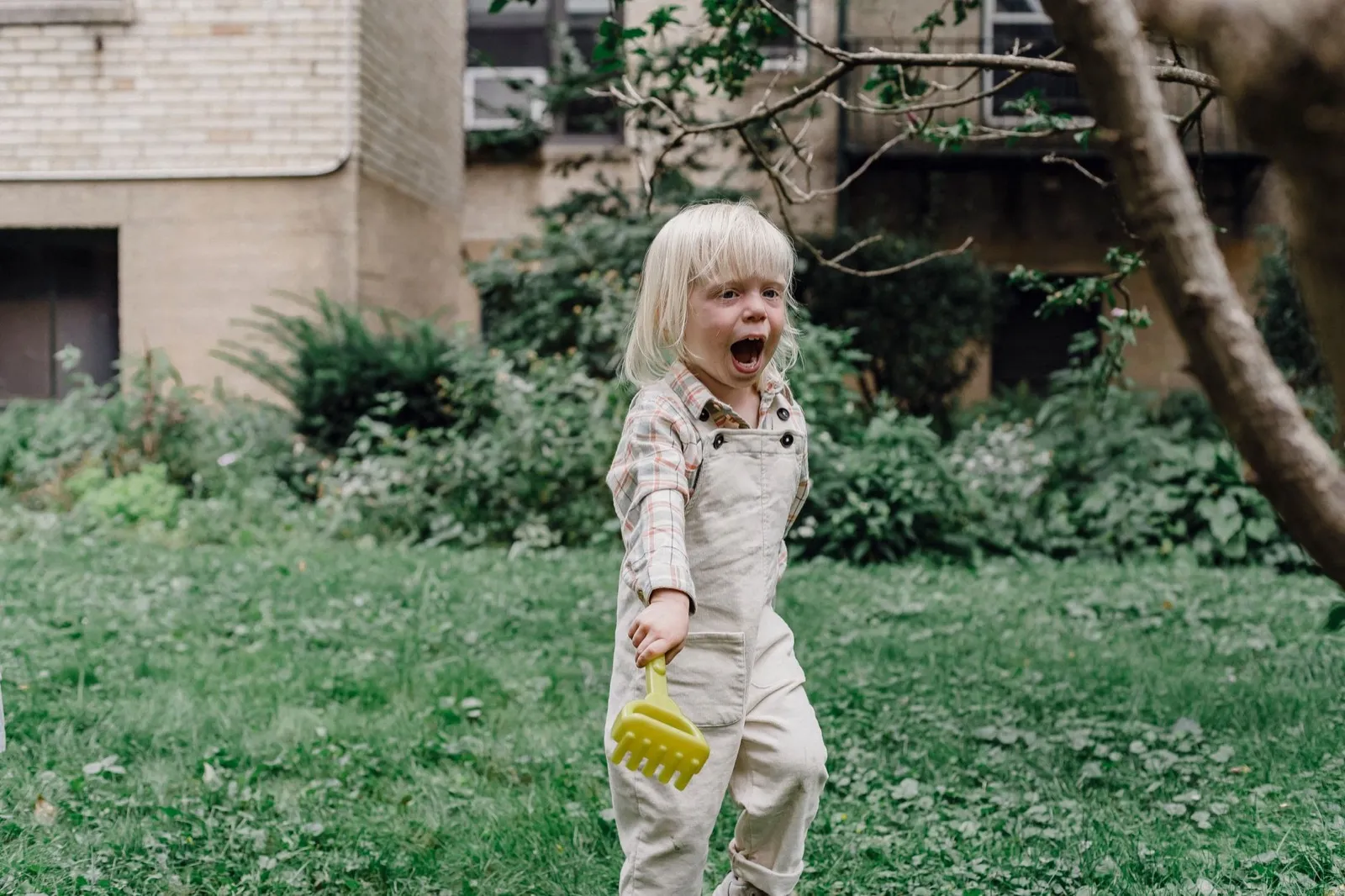
Image Credit: Pexels / Allan Mas
A toddler who suddenly discovers the full power of their voice can make even an ordinary afternoon feel intense. Screaming can happen because a toddler is frustrated, angry, excited, tired, overwhelmed or simply unable to communicate what they want in another way.
It is also common during tantrums. NHS guidance explains that tantrums are very common in toddlers and can happen because young children want to express themselves but find this difficult. That frustration may come out as crying, shouting or screaming.
The aim is not to make sure your toddler never raises their voice. Instead, you can respond calmly, work out what may be behind the screaming and gradually help them learn other ways to communicate.
Why do toddlers scream?
There is no single reason for toddler screaming.
Sometimes the explanation is fairly simple. The NHS lists tiredness, hunger, overexcitement, frustration and boredom among possible reasons for difficult behaviour in toddlers and young children.
At other times, screaming is part of a strong emotional reaction. Toddlers are becoming more independent, but their ability to communicate and manage big feelings is still developing.
Your child may know exactly what they want but not have the language to explain it. They may also understand more than they can say, which can be frustrating.
A scream can therefore mean many things:
- “I want that.”
- “I don’t want to leave.”
- “I’m angry.”
- “Help me.”
- “I’m overwhelmed.”
- “Look at me.”
- “I’m excited.”
The behaviour may look similar each time, but the reason behind it can be very different.
Is screaming normal toddler behaviour?
Screaming can be part of normal toddler behaviour, particularly during tantrums.
NHS guidance says tantrums usually start at around 18 months and are very common in toddlers. As children’s communication develops, tantrums often become less common.
This does not mean every episode of screaming should be dismissed as “just a phase”. If the behaviour is unusually intense, persistent, causing significant distress or accompanied by other concerns about your child’s health or development, it is sensible to ask for professional advice.
For everyday screaming, however, looking at the context can be more helpful than focusing only on the noise.
Why toddlers scream during tantrums
A tantrum can begin when the gap between what a toddler wants and what they can manage becomes too much.
Perhaps you have said it is time to leave the playground.
Their banana broke in half.
Another child picked up the toy they wanted.
You cannot understand what they are asking for.
To an adult, the trigger may seem small. To a toddler who is already tired or frustrated, it may feel enormous.
The NHS describes tantrums as one way toddlers express frustration when they find it difficult to communicate. NHS Best Start in Life guidance also explains that toddlers have big feelings and sometimes struggle to express them.
During the loudest part of a tantrum, lengthy explanations are unlikely to be useful. Focus first on safety and helping the moment pass.
What to do when your toddler is screaming
Start by checking what is happening.
Are they hurt?
Are they frightened?
Are they trying to tell you something?
Are they in the middle of a tantrum?
If there is no immediate safety or health concern, try to keep your own voice steady. Shouting over a screaming toddler usually adds more noise to an already intense situation.
Use simple language.
“You are really angry.”
“You wanted to stay.”
“I can hear that you’re upset.”
If a boundary caused the screaming, you can acknowledge the feeling without changing the boundary.
“I know you want another biscuit. We’re not having another one now.”
The NHS advises parents not to change their mind simply to end a tantrum after they have already said no. Consistency can make expectations clearer for a young child.
Keep your response short during a big outburst
When your toddler is extremely upset, this is usually not the moment for a detailed discussion about indoor voices, manners or consequences.
They may not be ready to listen.
Stay nearby if appropriate, keep them safe and use a few calm words rather than repeatedly explaining yourself.
Once they have settled, you can talk about what happened in language they understand.
“You were angry because we had to leave the park.”
Then offer an alternative:
“Next time you can say, ‘More park please.’”
They may not remember or use the phrase next time. That does not mean the teaching failed. Toddlers learn through repetition.
Try to identify the trigger
If screaming is happening regularly, patterns can tell you a lot.
Think about what happened immediately beforehand.
Was your toddler:
- Hungry or tired?
- Being asked to stop an enjoyable activity?
- Unable to make themselves understood?
- In a noisy or busy environment?
- Frustrated with another child?
- Seeking your attention?
- Excited during play?
- Adjusting to a change at home or nursery?
NHS guidance recommends considering what might be behind difficult behaviour rather than responding only to the behaviour itself.
You may find it useful to make a brief note of when screaming happens for several days. You do not need an elaborate behaviour chart. Simply record the situation, what happened just before the screaming and what happened afterwards.
A pattern may become obvious.
Help your toddler put feelings into words
Toddlers need time to learn the language of emotions.
You can help by naming feelings during ordinary moments, not only during a crisis.
“You look disappointed.”
“You’re excited to see Grandma.”
“That made you cross.”
NHS Best Start in Life guidance encourages helping toddlers recognise and manage big feelings. Naming emotions can give your child another way to understand what is happening inside them.
You can also model short phrases that match situations your toddler finds difficult:
“Help please.”
“My turn.”
“More please.”
“No thank you.”
“Stop.”
“All done.”
Choose language that suits your child’s current communication level.
What if your toddler screams to get something?
It can be tempting to hand over whatever your toddler wants simply because you need the screaming to stop, particularly in public.
If you have already set a reasonable boundary, repeatedly reversing it because of screaming can make things confusing.
The NHS recommends consistency and advises against changing a “no” to a “yes” simply to end a tantrum.
That does not mean ignoring genuine needs.
If your toddler is hungry, frightened, exhausted or needs comfort, respond to that need. The distinction is between meeting a need and changing a boundary solely because the protest became louder.
You can be warm and firm at the same time.
“I know you’re upset. We’re still going home now.”
What if your toddler screams for attention?
Toddlers naturally want connection with their parents and carers.
Sometimes loud behaviour gets an immediate reaction because it is impossible to overlook.
NHS guidance suggests giving children more attention when they are behaving well and less attention to difficult behaviour when appropriate.
That does not mean emotionally withdrawing from a distressed child. Instead, look for opportunities to notice and respond positively when your toddler communicates without screaming.
If they say “Mummy, look”, turn towards them when you reasonably can.
If they ask for something calmly, acknowledge it.
“You asked me so nicely. I can hear you.”
Positive attention can help reinforce the communication you want to encourage.
What about screaming from excitement?
Not all screaming is caused by anger.
Some toddlers scream when they are delighted, energetic or playing.
If the noise is appropriate for the setting and nobody is distressed, you may not need to intervene.
If you are somewhere that requires a quieter voice, keep the instruction simple:
“That is a big outdoor voice. We need a quieter voice in the library.”
You can demonstrate what you mean rather than repeatedly telling your toddler to “stop screaming”.
Toddlers often need very concrete guidance.
How to handle screaming in public
Public screaming can feel particularly difficult because you may also be dealing with other people’s reactions.
Try to focus on your toddler rather than the audience.
If possible, move somewhere quieter while the outburst passes. Make sure your child is safe and keep your response consistent with what you would do at home.
The NHS specifically acknowledges that tantrums in shops can be embarrassing and advises parents to concentrate on staying calm rather than worrying about the people around them.
If you need to leave somewhere because the situation has become unmanageable, that is a practical decision, not a parenting failure.
Can you prevent toddler screaming?
You cannot prevent every outburst, and that is not a realistic goal.
You may, however, be able to reduce some predictable triggers.
If transitions are difficult, give simple warnings before an activity ends.
If your toddler becomes overwhelmed in very busy places, shorter visits may sometimes be easier.
If hunger or tiredness frequently appears before difficult behaviour, plan around those needs where reasonably possible.
If communication is a common trigger, practise useful words, signs or gestures during calm moments.
Distraction can also be useful if you notice a tantrum beginning. NHS guidance suggests drawing a toddler’s attention to something else before the tantrum becomes established.
None of these approaches guarantees a quiet day. They simply give your toddler more support before frustration reaches its peak.
Should you tell a toddler off for screaming?
Toddlers need boundaries, but a harsh reaction is not necessary.
You can make expectations clear without shaming them for having strong feelings.
Instead of:
“Stop being ridiculous.”
Try:
“I know you’re angry. I won’t let you scream in my face.”
Or:
“You can be upset. I’m here. We’ll talk when your voice is quieter.”
If your own frustration is rising, make sure your child is safe and give yourself a moment to regain your composure if you can.
The NHS recommends staying consistent and avoiding physical punishment. Children learn a great deal from how adults respond to difficult emotions.
When screaming seems to happen all day
Frequent screaming can be exhausting.
Before deciding that your toddler is simply “difficult”, look at the wider picture.
Has anything changed recently?
Are there particular times, people or environments associated with the behaviour?
Does your child seem frustrated because communicating is difficult?
Is the screaming affecting nursery, family life or your ability to manage ordinary activities?
Keeping track for a short period can give you useful information to share with your health visitor or GP if you decide you need support.
You do not have to wait until you feel completely overwhelmed before asking for advice.
When to get professional advice
Talk to your health visitor or GP if you are seriously concerned about your toddler’s screaming or behaviour, if it is causing significant distress, or if you are struggling to cope.
NHS guidance specifically recommends speaking to a health visitor if you are finding your child’s behaviour difficult to manage.
It is also worth seeking advice if screaming is accompanied by concerns about your child’s communication, hearing, development, behaviour or general wellbeing.
If your toddler suddenly begins screaming in a way that seems unusual for them and you think they may be in pain or unwell, consider the possibility of a physical cause rather than assuming it is behavioural. Seek appropriate medical advice if you are worried.
If your child loses skills they previously had, or you have concerns about their development, speak to a health visitor, GP or another qualified professional.
Screaming can be one of the louder parts of toddlerhood, but the sound itself rarely tells the whole story. Looking for the need, feeling or frustration underneath it can help you respond with clearer boundaries and give your toddler better ways to communicate over time.
Related reading
- Toddler Behaviour
- How to Set Boundaries With a Toddler Without Shouting
- Toddler Behaviour: What Is Normal and What to Expect