Toddler Separation Anxiety: Signs and How to Help
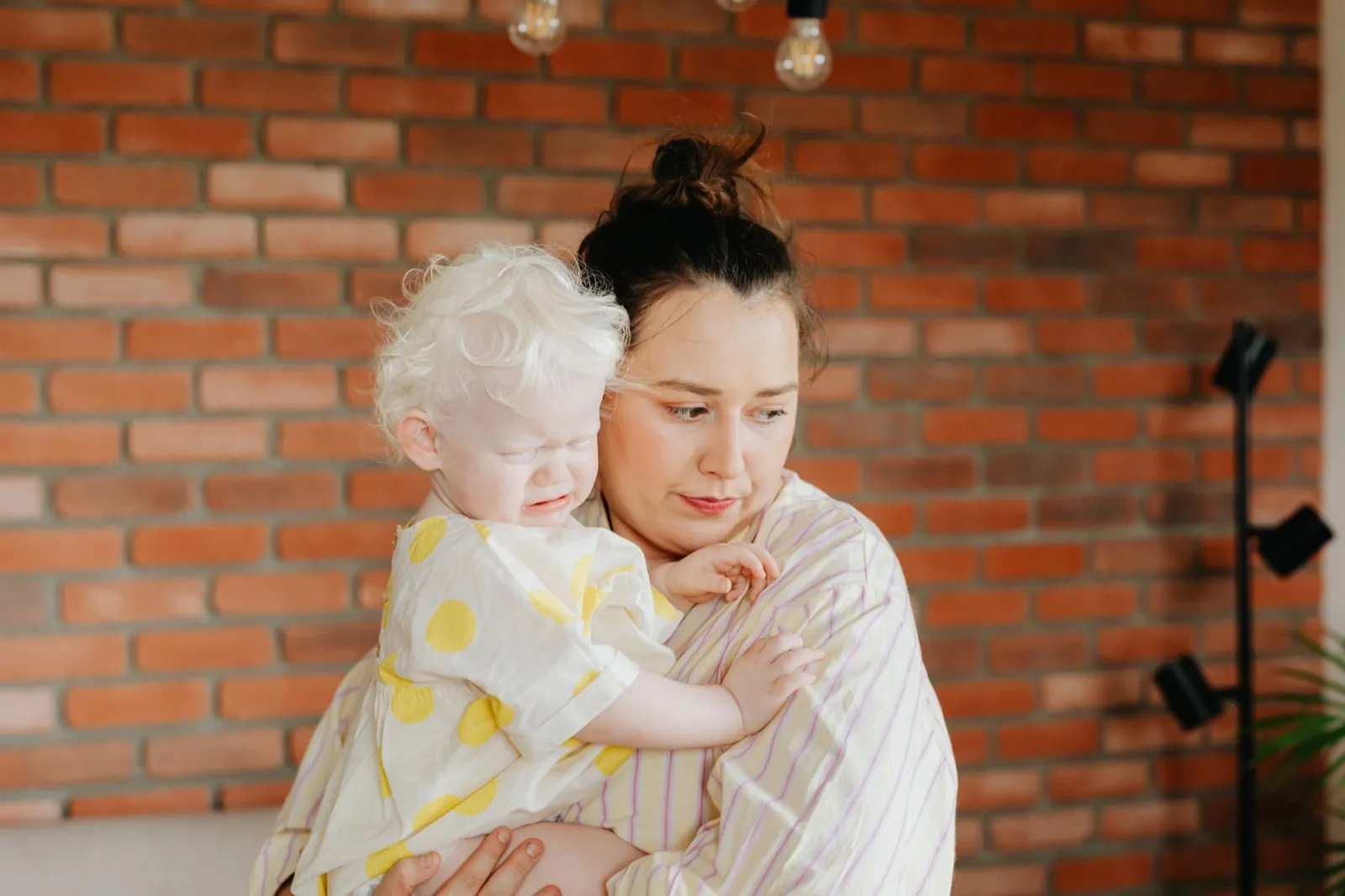
Image Credit: Pexels / https://kaboompics.com/
If your toddler suddenly cries when you leave the room, clings tightly at nursery drop-off or becomes upset when someone else looks after them, separation anxiety may be behind it. It is common in young children and is usually a normal part of development.
That does not make difficult goodbyes easy. Seeing your toddler distressed can leave you wondering whether you should stay, leave quickly or avoid the separation altogether. In many cases, calm and predictable goodbyes, short opportunities to practise being apart and plenty of reassurance when you return can help your child gradually become more comfortable with separation.
What is toddler separation anxiety?
Separation anxiety is the distress some young children experience when they are apart from a parent, carer or another person they feel particularly safe with.
According to the NHS, separation anxiety and fear of strangers are common between 6 months and 3 years, although separation anxiety can last longer or appear at other times of stress or anxiety.
As children become more aware of the people and surroundings around them, they begin to understand that they are separate from their parents and carers. At the same time, they still depend heavily on those familiar adults for security and care.
This combination can make separation feel unsettling.
Your toddler is not necessarily being difficult or trying to control you. Their distress can be very real, even if you know they are completely safe with another trusted adult.
Common signs of separation anxiety in toddlers
Separation anxiety does not look exactly the same in every child.
You may notice your toddler:
- becoming clingier than usual
- crying or protesting when you leave
- following you from room to room
- becoming upset at nursery or childcare drop-off
- resisting being left with another trusted adult
- becoming wary in unfamiliar places
- getting distressed when they realise you are preparing to leave
- needing extra reassurance around changes or transitions
Some toddlers settle quite quickly after their parent leaves. Others need more time.
Separation anxiety can also become more noticeable during periods of change or stress, such as starting nursery, moving house or experiencing changes in familiar routines.
Why does separation anxiety happen?
A toddler’s understanding of the world is developing rapidly.
The NHS explains that separation anxiety develops as young children recognise that they are separate from the people who care for them and understand how dependent they are on those people.
They are gradually learning something adults take for granted: a person can leave and still come back.
That understanding develops over time.
A toddler may therefore feel safe while you are nearby but become distressed when you disappear from view. New people and unfamiliar environments can make this feeling stronger.
Separation anxiety is also not evidence that you have made your child “too attached”. The NHS describes it as a normal developmental stage.
How long does toddler separation anxiety last?
There is no single timetable that applies to every toddler.
The NHS says separation anxiety is particularly common between 6 months and 3 years, but it can last longer and may also reappear during stressful periods.
Some children move through it fairly smoothly. Others have phases when separation becomes difficult again after previously seeming comfortable.
Instead of focusing on a deadline, look at the overall pattern.
Is your toddler gradually becoming more comfortable with familiar carers? Can they settle after you leave? Are they still able to enjoy nursery, play and other experiences?
If their anxiety is severe, continues without improvement or interferes substantially with everyday life, it is worth asking a health professional for advice.
How to help a toddler with separation anxiety
You cannot always prevent your toddler from feeling upset when you leave, but you can make separation more predictable.
Practise short separations
The NHS suggests practising short periods apart, initially leaving your child with someone they know well.
This might mean your toddler staying with a familiar grandparent or carer for a short period while you go out.
Over time, ordinary experiences of you leaving and returning can help reinforce the idea that separation is temporary.
There is no need to rush towards longer separations simply to prove that your toddler can manage them. Build confidence gradually and consider your child’s temperament and circumstances.
Tell your toddler what is happening
If your toddler can understand simple explanations, tell them where you are going and that you will return.
Keep it concrete.
“Mummy is going to work. Grandma is staying with you. I’ll come back later.”
You can also talk about something you will do together afterwards:
“When I pick you up, we’ll go home and have our snack.”
Young children do not understand time in the same way adults do, so simple references to familiar parts of the day may be easier to follow than detailed explanations about hours.
Create a short goodbye routine
Goodbyes can become harder when they stretch on for a long time.
A simple routine might be:
A cuddle.
A familiar phrase.
A wave.
Then leaving.
The NHS advises making goodbye a positive experience and leaving confidently rather than allowing your own worry to dominate the moment.
You do not have to pretend that leaving is effortless. The aim is simply to communicate that your toddler is safe and that you expect to return.
Avoid disappearing without saying goodbye
Sneaking away may seem tempting if saying goodbye triggers tears.
However, a predictable goodbye gives your toddler a clear signal about what is happening. Over time, the sequence of goodbye, separation and reunion can become familiar.
Keep the goodbye brief rather than repeatedly returning after you have said you are leaving.
Use a familiar comfort item
The NHS suggests that a familiar toy or another comforting item may reassure some children while their parent is away.
If your toddler attends nursery or another childcare setting, check what comfort items the setting allows and when they can be used.
Not every toddler wants one, and that is fine too.
Keep routines predictable where possible
Children often find routines reassuring.
If nursery mornings usually follow the same sequence, try to keep the broad pattern familiar:
wake up, breakfast, get dressed, travel to nursery, cuddle, goodbye.
Life will not always run to schedule. You do not need a rigid routine. A few predictable parts of the day can simply make transitions easier to understand.
Let the caregiver build their own relationship
A trusted caregiver does not need to comfort your toddler exactly as you do.
Grandparents, nursery staff and other carers will gradually develop their own familiar routines, games and ways of reassuring your child.
Give them useful information about what your toddler likes, but allow space for that relationship to grow.
If nursery drop-offs are difficult, ask staff what happens after you leave. A child who is extremely upset at the door may settle once they become involved in an activity.
Knowing what happens after the goodbye can also help you judge whether things are gradually improving.
What to say when your toddler cries for you
You do not need a perfect phrase.
Keep your words simple and acknowledge what they are feeling.
“You don’t want me to go.”
“You’re sad that I’m leaving.”
“Daddy will come back.”
“You are safe with Nana.”
Acknowledging their distress does not mean cancelling the separation.
Your toddler can be unhappy about you leaving while still being safely cared for by another trusted adult.
When you return, reconnect warmly.
“You waited for me and now I’m back.”
Repeated experiences of separation followed by reunion help make the pattern more familiar.
What if separation anxiety suddenly gets worse?
A toddler who previously managed separation well may become clingier again.
Think about whether anything has changed recently.
They may be starting nursery, moving rooms at childcare, adjusting to a new sibling, experiencing changes at home or simply going through a period when they need more reassurance.
Illness and disrupted routines can also change how children cope with ordinary situations.
Try to respond to what you are seeing rather than treating the setback as failure.
Return to familiar routines, explain upcoming separations simply and give your toddler opportunities for connection when you are together.
If the change is persistent, severe or difficult to explain, speak to your health visitor or GP.
Separation anxiety at nursery
Nursery drop-off can be particularly emotional because the separation happens repeatedly and often under time pressure.
Try to keep your goodbye routine consistent.
Tell your toddler that you are leaving rather than slipping away.
Allow nursery staff to comfort them once you have said goodbye.
Talk positively and simply about what will happen there without promising that your child will not feel sad.
You might say:
“You’ll play at nursery while I’m at work, and I’ll come back to get you.”
If drop-offs remain very difficult, talk to your child’s key person or nursery staff. They can tell you how your toddler behaves after you leave and whether particular routines make the transition easier.
Try not to measure yourself by the tears
A crying toddler can make leaving feel cruel, particularly if other children seem to walk into nursery without looking back.
Children have different temperaments and respond differently to separation.
The NHS specifically reassures parents that leaving a child with another caregiver does not mean they are damaging them. Learning that they can be safe with trusted people while you are away is part of growing independence.
You are also allowed to work, attend appointments, spend time with other people and meet your own needs.
Your toddler’s feelings deserve care, but you do not have to prevent every difficult feeling for them.
When to get professional advice
Most toddler separation anxiety is a normal developmental phase, but sometimes additional support is useful.
The NHS advises talking to your health visitor if your child is very distressed, remains upset for a long time after you leave or their separation anxiety has continued for more than a few weeks.
You should also seek advice if anxiety is interfering significantly with your toddler’s everyday life, such as preventing them from participating in nursery, play or other normal experiences.
Speak to your GP or health visitor if you are concerned about your child’s wider emotional wellbeing or development, or if something about their behaviour feels markedly different from what is usual for them.
You do not need to wait until a situation becomes unbearable before asking for help. A professional who knows your child’s age, development and circumstances can help you decide what support, if any, may be useful.
Separation anxiety can be tiring for the whole family, but your toddler does not need you to make every goodbye tear-free. What they need most is the repeated experience that they can be cared for safely while you are away and that, after the goodbye, you come back.
Related reading
- Toddler Behaviour
- Toddler Behaviour: What Is Normal and What to Expect
- How to Manage Difficult Toddler Behaviour Calmly