Top and Tail Washing a Baby: How and When to Do It
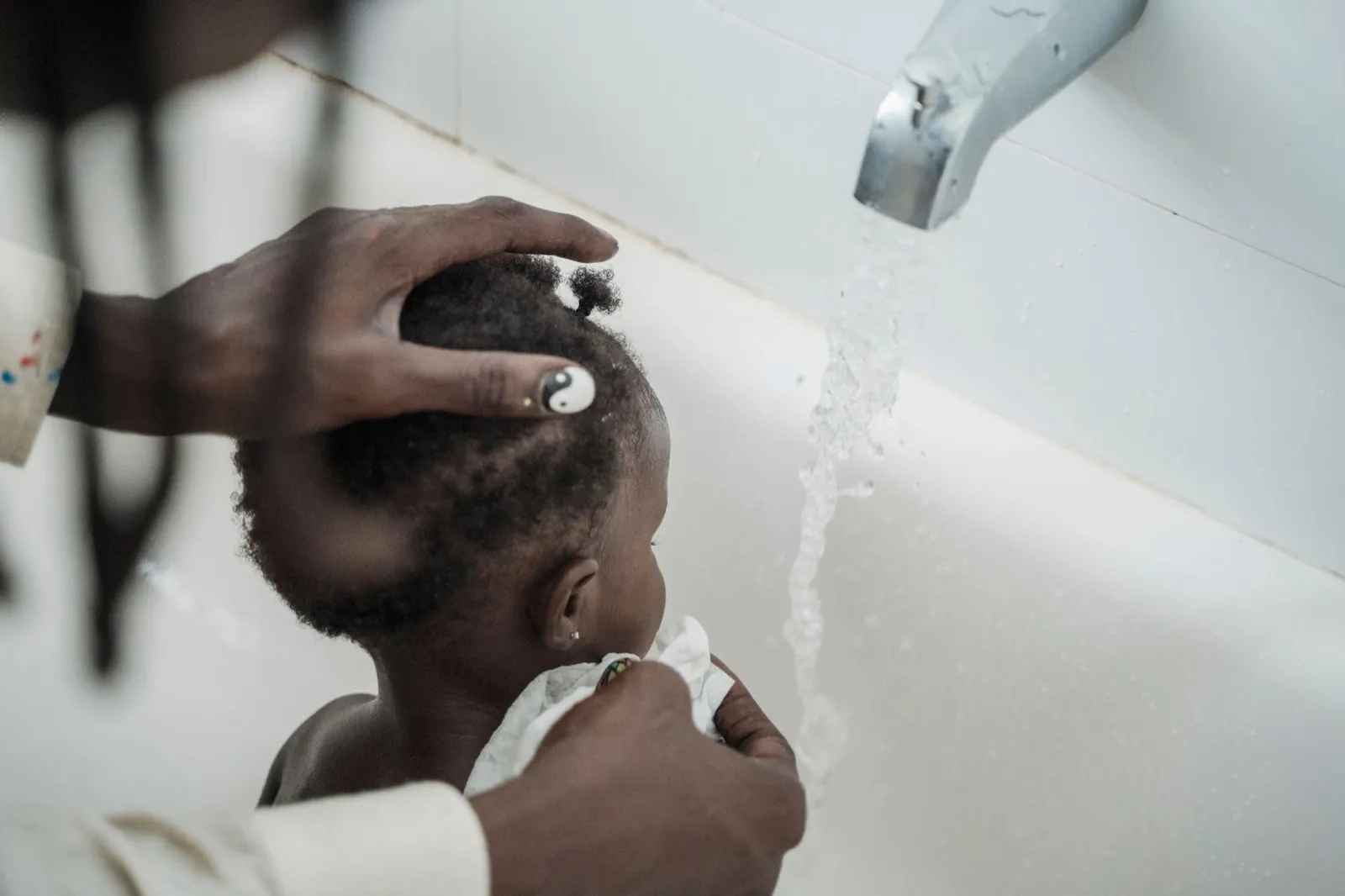
Image Credit: Pexels / Sasha Kim
Top and tail washing is a simple way to clean your baby without giving them a full bath. You gently wash the areas that tend to need regular attention, particularly the face, neck, hands and nappy area, using warm water and cotton wool.
It can be especially useful during the first few weeks. The NHS says newborns do not need a bath every day, so topping and tailing gives you a practical way to keep your baby clean between baths.
There is no complicated technique to master. The main things are to keep your baby warm, prepare everything before you begin, use fresh cotton wool for different areas and dry the skin carefully afterwards.
What does top and tail mean?
The name describes the basic idea. You clean your baby’s upper areas first, then finish with their bottom and genital area.
Unlike a full bath, your baby is not placed in bath water.
The NHS recommends cleaning the face, neck, hands and bottom carefully as an alternative to bathing every day. This can be useful when your baby is very young or whenever a full bath is unnecessary.
A top and tail wash can also feel more manageable if you are still becoming confident handling your newborn. You can keep most of their body wrapped in a towel while cleaning one area at a time.
It does not have to happen at a precise time each day. Choose a moment when your baby is awake and content rather than hungry, tired or already upset.
What you need to top and tail your baby
Set everything out before you start so you can stay with your baby throughout the wash.
According to NHS guidance, you will need:
- warm water
- cotton wool
- a towel
- a clean nappy
- clean clothes, if needed
Some current NHS guidance suggests having two bowls of warm water available for topping and tailing.
Make sure the room is warm. Young babies can become cold quickly when they are undressed, so having everything ready helps you keep the wash brief and comfortable.
A changing mat on the floor can provide a practical place to wash your baby. You can also hold them securely on your knee for parts of the routine.
How to top and tail a baby step by step
Once everything is within reach, you can work from your baby’s face downwards.
1. Keep your baby warm
Hold your baby securely on your knee or place them on a changing mat.
Remove their outer clothes but leave their vest and nappy on initially. Wrap them in a towel so most of their body stays warm while you clean their face.
You do not need to uncover your baby’s whole body at once.
2. Clean the eyes
Dip a fresh piece of cotton wool into the warm water and squeeze it so it is damp rather than dripping.
Gently wipe around one eye from the nose outwards.
Use a new piece of cotton wool for the other eye. NHS guidance recommends using fresh cotton wool for each eye to reduce the chance of transferring stickiness or infection between them.
Avoid rubbing the eyes.
3. Clean around the ears
Use another fresh piece of damp cotton wool to clean around the outside of your baby’s ears.
Do not try to clean inside the ear canal.
The NHS specifically advises against using cotton buds inside a baby’s ears.
4. Wash the face
Using fresh damp cotton wool, gently clean the rest of your baby’s face.
Pay attention to areas around the mouth where milk or dribble may collect.
There is no need to scrub. Gentle wiping with warm water is enough for routine cleaning.
Pat the skin dry afterwards.
5. Clean the neck and hands
Next, gently wash your baby’s neck and hands.
Check the folds around the neck carefully. Milk, dribble and moisture can collect there, sometimes without being immediately visible.
Dry the folds gently after washing them. Leaving moisture sitting between skin folds can make the area uncomfortable.
Clean the hands too, including around the fingers where possible.
6. Remove the nappy
Once the upper areas are clean and dry, remove your baby’s nappy.
Use fresh cotton wool and warm water for the bottom and genital area rather than reusing cotton wool from the face or hands.
Clean gently and thoroughly.
For girls, NHS nappy-changing guidance recommends cleaning from front to back. For boys, clean around the penis and testicles without pulling back the foreskin.
7. Dry carefully and put on a clean nappy
Gently pat the nappy area dry.
Take particular care to dry between the skin folds rather than rubbing the skin.
Once your baby is dry, put on a fresh nappy and clean clothes if needed.
What about the umbilical cord?
If your newborn’s umbilical cord stump is still attached, it does not need routine washing during every top and tail.
The NHS says you only need to wash around the cord if it becomes dirty with wee or poo.
If this happens, clean the area with fresh cotton wool and warm water, then gently pat it dry with a clean towel.
Keep the cord clean and dry and allow it to come away naturally. Do not pull it off yourself.
If you notice bleeding or discharge from the cord, tell your midwife, health visitor or GP.
How often should you top and tail a baby?
There is no requirement to perform a formal top and tail wash several times a day.
Think of it as a practical way to clean the areas that need attention between baths.
The NHS says newborn babies do not need a bath every day. Current NHS guidance suggests that two or three baths a week can be fine for a newborn, although babies can be bathed more frequently if they and their parents enjoy it.
On other days, topping and tailing can keep your baby’s face, neck, hands and bottom clean.
You may also find that individual areas need attention at different times. Milk around the neck may need wiping after a messy feed, while the nappy area is cleaned during nappy changes.
There is no need to turn every small clean-up into a complete washing routine.
Do you need soap or baby wash?
Warm water is enough for a straightforward top and tail wash.
NHS guidance says plain water is best for a baby’s skin during the first month. That means you do not need to add soap, bubble bath or fragranced products to make your newborn clean.
Keeping the routine simple may also make it easier to notice if your baby’s skin becomes irritated.
If your baby has particularly dry, sensitive or sore skin, ask your health visitor, pharmacist or GP about suitable skincare rather than introducing several products at once.
Top and tail washing versus a full bath
You do not need to choose one method permanently.
Topping and tailing is useful for everyday freshening up because it focuses on the areas most likely to become messy. A bath washes the whole body and may become something you and your baby enjoy as part of your routine.
During the newborn stage, some parents feel more comfortable starting with topping and tailing before moving on to regular baths.
Others are happy bathing their baby early on.
Both approaches can fit into normal baby hygiene. The NHS does not recommend daily bathing as a necessity for newborns.
If your baby dislikes baths, topping and tailing also gives you a gentler alternative while you try bathing again another time.
Small habits that make topping and tailing easier
A little preparation makes a surprisingly big difference.
Keep cotton wool, clean nappies and towels somewhere easy to reach. Fill the bowl shortly before you begin so the water remains comfortably warm.
Choose a warm room and avoid starting when your baby is very hungry or tired.
Work gently and keep most of your baby covered while you clean one section at a time.
You can talk or sing quietly while washing them. NHS guidance suggests talking during washing can help babies relax and become familiar with their parent’s voice.
Most importantly, do not worry about making the routine elaborate. A top and tail wash is meant to be simple.
When to get professional advice
Most top and tail washing is straightforward, but everyday care also gives you a chance to notice changes in your baby’s skin and umbilical area.
Speak to your midwife, health visitor, GP or pharmacist if your baby’s skin becomes persistently sore, develops a worsening rash, looks infected or you are unsure which products are appropriate.
Tell your midwife, health visitor or GP if the umbilical cord has bleeding or discharge.
You should also seek medical advice if your baby seems unwell rather than assuming a change is simply related to washing or skincare.
If your baby was born prematurely or is receiving neonatal care, follow the individual washing and skincare advice provided by their healthcare team. Premature babies can have particularly delicate skin and may need different care.
Related reading
- Baby Hygiene & Everyday Care
- When Should You Give a Newborn Their First Bath?
- How to Bathe a Newborn Before the Umbilical Cord Falls Off