Baby Hygiene & Everyday Care
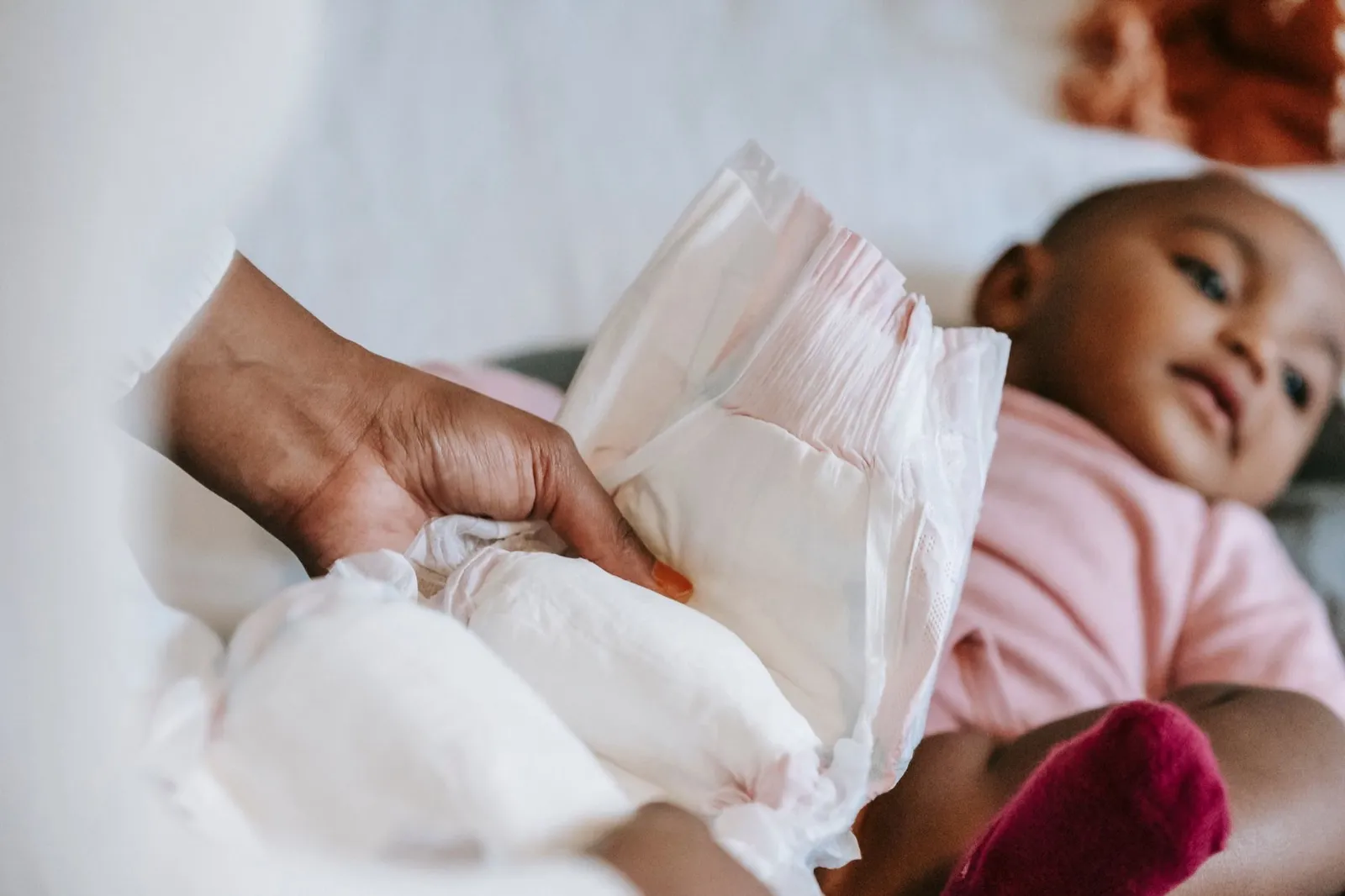
Image Credit: Pexels / William Fortunato
Looking after a baby’s everyday hygiene can feel surprisingly delicate at first. Tiny nails, a healing umbilical cord, frequent nappies and a first bath can all make you wonder if there is a special technique you are supposed to know.
Most baby hygiene is simpler than it looks. Keep your baby clean and dry, change wet or dirty nappies promptly, wash them gently, take care around their skin and umbilical cord, and never leave them unattended during bathing or on a raised changing surface.
You do not need a cupboard full of baby toiletries or a complicated daily routine. A few basics, gentle care and reliable health guidance are usually a much better starting point.
How often should you bathe a baby?
A baby does not need a full bath every day.
NHS guidance says you may prefer to wash your baby’s face, neck, hands and bottom instead. This is often called topping and tailing.
For a newborn, NHS Best Start in Life guidance says two or three baths a week can be enough, although a daily bath is also fine if you and your baby enjoy it.
Bathing can fit around your family’s routine rather than becoming another task that has to happen at exactly the same time each day.
Choose a moment when your baby is awake and reasonably settled rather than hungry or tired. Avoid bathing them straight after a feed.
Before you begin, get everything ready. You might need:
- a baby bath, clean washing-up bowl or suitable sink
- towels
- cotton wool
- a clean nappy
- clean clothes
Having everything within reach means you will not be tempted to step away once your baby is in the water.
How to bathe your baby safely
Bath safety matters more than creating a perfect bath-time routine.
The NHS advises never leaving a baby alone in the bath, even for a second. An older child should not be left responsible for supervising a baby in the bath either.
Make sure the room is warm before undressing your baby.
The bath water should feel warm rather than hot. NHS guidance recommends running cold water first, adding hot water and mixing it thoroughly so there are no hot patches. Check the temperature before putting your baby in.
Support your baby’s head and shoulders securely as you lower them into the water, and keep their head clear of the water.
Once the bath is finished, lift your baby out carefully, wrap them in a towel and pat them dry. Pay attention to skin folds where moisture can remain.
If your baby hates baths, you do not need to force a lengthy bath because you think they should enjoy it. Topping and tailing can keep them clean while you try again another day.
Topping and tailing
Topping and tailing is a simple way to wash your baby without giving them a full bath.
Have warm water, cotton wool, a towel, a clean nappy and clothes ready before you begin.
NHS guidance recommends using fresh cotton wool to gently clean around each eye, wiping from the nose outwards and using a separate piece for each eye.
Clean around the ears rather than inside them. Do not use cotton buds inside your baby’s ears.
You can then gently clean the face, neck and hands.
Remove the nappy last and clean the bottom and genital area with fresh cotton wool and warm water. Dry carefully, including between skin folds, before putting on a clean nappy.
It does not need to take long. For many families, this is an easy way to freshen a baby up between baths.
Changing nappies and protecting your baby’s skin
Nappy changing becomes routine surprisingly quickly.
The NHS recommends changing a newborn’s nappy whenever they have done a wee or poo. Prompt changes help reduce prolonged contact between the skin and urine or faeces and can help prevent nappy rash.
Before starting, gather what you need:
- a clean nappy
- a changing mat or towel
- cotton wool and warm water, or gentle non-scented, alcohol-free wipes
- a bag or suitable container for the used nappy
- barrier cream if needed
- clean clothes in case of leaks
Clean the nappy area thoroughly from front to back.
If you use a changing table, stay with your baby throughout the change. A mat on the floor is a simple alternative and removes the risk of falling from a raised surface.
Once you have finished, wash your hands.
Nappy changes are also a good opportunity to talk, smile or sing to your baby. Everyday care does not have to be purely functional.
What to do about nappy rash
Nappy rash is common.
The NHS describes it as sore or irritated skin in the nappy area. It can happen when skin stays in contact with urine or faeces, from rubbing, or because of irritation from products such as fragranced wipes or soap.
To help prevent and manage mild nappy rash, NHS guidance recommends changing wet or dirty nappies promptly and keeping the skin clean and dry.
Clean with water or fragrance-free, alcohol-free baby wipes and dry the skin gently. Leaving the nappy off for periods when practical can also allow air to reach the skin.
Make sure nappies fit properly and are not fastened too tightly.
Avoid talcum powder and antiseptics on nappy rash. Soap, bubble bath and some lotions can also irritate sore skin.
A pharmacist can advise about an appropriate barrier cream or other treatment if your baby is uncomfortable.
If the rash is getting worse, spreading, not improving, or your baby has a high temperature or seems very uncomfortable, contact your health visitor or GP.
Caring for your baby’s umbilical cord
The small stump of umbilical cord left after birth usually needs very little intervention.
NHS bathing guidance says you only need to wash around the cord if it becomes dirty with urine or faeces.
Use fresh cotton wool and warm water, then gently pat the area dry.
There is no need to scrub it or apply products unless a healthcare professional has specifically advised you to do so.
Follow any instructions given by your midwife about caring for the cord.
If you are worried about the cord or the skin around it, particularly if your baby also seems unwell, contact your midwife, health visitor or GP.
Baby skin does not need a complicated routine
Baby skin can be sensitive, and more products do not necessarily mean better care.
For your baby’s first month, NHS Best Start in Life guidance says plain water is best for their skin during bathing.
As your baby gets older, if you choose to use cleansers, oils or lotions, select products suitable for babies and follow the instructions.
Try not to introduce several new products at once if your baby’s skin is easily irritated. This can make it harder to work out what may be causing a reaction.
Skin folds deserve a little extra attention after washing because moisture can collect around the neck, thighs and other creases. Pat these areas dry gently rather than rubbing.
Babies can develop many different rashes and skin changes. If you are unsure what you are looking at, avoid diagnosing it from photographs online. A pharmacist, health visitor or GP can advise you.
Cutting your baby’s nails
Baby nails can be surprisingly sharp.
The NHS recommends special baby nail clippers or small round-ended safety scissors rather than adult nail clippers or scissors. A fine emery board can also be used to file nails.
It may be easier to trim your baby’s nails while they are asleep or relaxed and moving less.
There is no need to rush if you feel nervous. Filing a sharp edge can be easier than attempting to cut a tiny nail while your baby is wriggling.
Check fingers and toes regularly so you notice nails that have become long or sharp.
Cleaning your baby’s ears
You only need to clean around the outside of your baby’s ears.
The NHS advises against putting cotton buds inside a baby’s ears.
During topping and tailing or bathing, use fresh cotton wool to clean gently around the outer ear.
Do not try to remove wax from inside the ear canal yourself.
Earwax normally has a protective role, and inserting objects into the ear can cause damage.
If you notice discharge, an unusual smell, swelling, or your baby seems to be in pain, speak to a healthcare professional.
Washing your baby’s hair
Your baby’s hair can be washed gently during bath time.
NHS bathing guidance recommends using plain water for a newborn’s hair. Support your baby securely over the bath or bowl and keep water away from their face as much as possible.
There is no need to wash a newborn’s hair every day.
If your baby develops flaky or crusty patches on the scalp, this may be cradle cap, which is common in babies. NHS guidance provides specific advice on caring for cradle cap and when to speak to a pharmacist or GP.
Avoid picking at crusts or using adult shampoos on your baby’s scalp.
Dressing your baby for everyday comfort
Baby clothes need to be practical more than impressive.
Soft bodysuits, sleepsuits and simple layers make changing easier, particularly during the early months when nappies and clothes may need changing frequently.
Make sure clothing is appropriate for the temperature and does not cause your baby to overheat.
Keep a spare outfit in your changing bag for trips out. Milk, dribble and nappy leaks have very little respect for carefully planned outfits.
Wash new baby clothes and bedding according to the manufacturer’s care instructions.
If you notice that a particular detergent or product seems to irritate your baby’s skin, stop using it and ask a pharmacist, health visitor or GP for advice if the irritation persists.
Keep everyday care supplies simple
You do not need a separate product for every part of baby care.
A practical everyday setup might include:
- nappies
- cotton wool or suitable baby wipes
- a changing mat
- barrier cream
- towels
- a few clean muslin cloths
- baby nail clippers or a fine emery board
- clean clothes
- a baby bath or another suitable bathing container
Keep frequently used items somewhere convenient.
If your home has more than one floor, a small basket of changing supplies in different areas can save repeated trips up and down stairs.
Do not keep medicines, sharp objects or other hazardous products in an accessible changing basket as your baby becomes able to reach and grab.
Everyday care can also be bonding time
Baths and nappy changes are not only jobs to get through.
Talking, smiling and singing while you care for your baby gives them opportunities to hear your voice and interact with you.
You do not need to make every routine stimulating or educational. Sometimes your baby will be tired, hungry or thoroughly unimpressed by having their clothes removed.
Follow their mood.
A quiet nappy change at 3am does not need a song and a developmental activity. During the day, however, everyday care can naturally include plenty of eye contact and conversation.
The simplest routines are often the easiest to maintain.
When to get professional advice
Speak to your health visitor, GP or pharmacist if you are concerned about your baby’s skin, nappy area, umbilical cord or another aspect of everyday care.
For nappy rash, NHS guidance recommends contacting a health visitor or GP if the rash does not go away, becomes worse, spreads, your baby develops a high temperature or they seem very uncomfortable.
If a rash appears alongside signs that your baby is unwell, or you are unsure what has caused a skin change, seek professional advice rather than repeatedly trying new products.
Contact a healthcare professional if the area around your baby’s umbilical cord concerns you or your baby seems unwell.
For urgent concerns about your baby’s health, use NHS 111 for advice when appropriate. Call 999 in a life-threatening emergency.
You do not need to know whether a problem is serious before asking for help. If something about your baby’s health or care is worrying you, getting advice is reasonable.
Related reading
- Baby Hygiene Checklist: What You Need for Everyday Care
- How to Bathe a Baby: A Step-by-Step Guide for New Parents
- How to Change a Baby’s Nappy: A Step-by-Step Guide