What to Wear to a Funeral
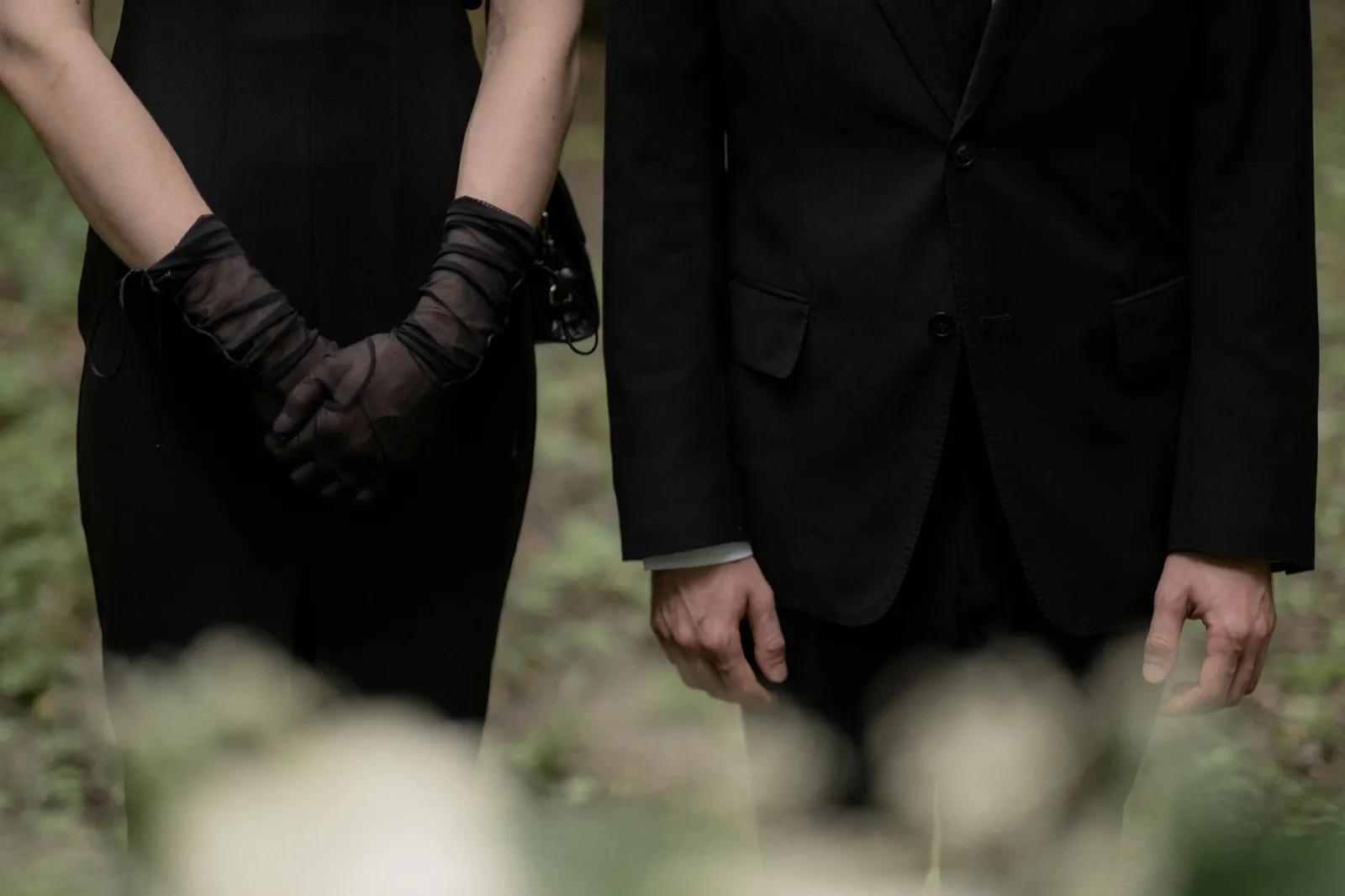
Image Credit: Pexels / cottonbro studio
If you are wondering what to wear to a funeral, a simple starting point is to choose clothing that feels respectful, understated and appropriate for the type of service. In many settings, dark or muted colours and relatively simple clothes are common, but they are not universal requirements.
The wishes of the family, cultural or religious traditions, the venue and the weather matter more than any general fashion rule. Some families specifically ask guests to wear bright colours, a favourite colour of the person who died, traditional clothing or something connected to their life.
If no guidance has been given, you might choose a dark dress, tailored trousers with a blouse or knit, a skirt and jacket, or a simple suit. Comfortable shoes and practical layers are also worth considering, particularly if there will be a graveside service or time spent outdoors.
This is one occasion where your clothes should make the day easier, not give you another thing to worry about.
Check whether the family has given any guidance
Before deciding what to wear, look at the funeral notice, invitation or information provided by the family.
There may be a specific request about clothing. Phrases such as “bright colours welcome”, “no black”, “wear something blue” or requests for traditional dress can completely change what is appropriate.
If the funeral follows particular religious or cultural customs, there may also be expectations around colour, head coverings, footwear or levels of formality.
Customs vary widely between communities and families, so it is better not to assume that one tradition applies everywhere.
If you are unsure and know someone close to the family, it is reasonable to ask quietly whether there is anything guests should know about the dress expectations.
Do you have to wear black to a funeral?
Not necessarily.
Black remains a common choice for funerals in many Western settings, but it is not the only respectful option. Navy, charcoal, dark brown, deep green and other subdued colours can also work.
You can also combine darker pieces with softer neutrals such as cream, beige, grey or muted blue.
For example:
- Navy trousers with a cream blouse
- A charcoal dress with a black coat
- Black trousers with a muted knit
- A dark skirt with a simple blouse
- A navy suit with a neutral top
If the family has requested colour, follow their guidance rather than defaulting to black.
The purpose is not to achieve a particular aesthetic. It is to dress in a way that feels considerate of the occasion and the people involved.
Simple funeral outfit ideas
If there are no specific instructions and you need a straightforward outfit, start with clothes that are simple, comfortable and relatively understated.
Possible combinations include:
- A dark midi dress with flats and a coat
- Tailored trousers with a blouse and blazer
- A knee-length or midi skirt with a fine knit
- A simple trouser suit with a plain top
- Dark trousers with a shirt and cardigan
- A modest jumpsuit with a jacket
- A simple dress with ankle boots in colder weather
These are examples rather than rules. You do not need to wear a dress, skirt, suit or any particular silhouette.
If you already own something appropriate, there is no reason to buy new clothes for the service.
What to wear to a traditional funeral service
A traditional funeral held in a church, crematorium or formal venue may lean towards more conventional, understated clothing.
You might choose:
- A dark dress with a jacket or coat
- Tailored trousers with a blouse
- A skirt with a knit and blazer
- A dark trouser suit
- A simple jumpsuit with smart shoes
If you are attending a religious service, consider whether the place of worship has its own expectations for visitors.
Some religious settings may have guidance around covering shoulders or legs, removing shoes, wearing a head covering or following particular traditions. If you are unfamiliar with the customs, checking with the family, funeral organiser or place of worship beforehand can help.
What to wear to a celebration of life
A celebration of life may have a different atmosphere from a traditional funeral, although this varies from family to family.
Some are informal and colourful. Others remain relatively formal. The family may encourage guests to wear the person’s favourite colour, a sports shirt, floral prints or clothes that reflect a particular interest.
Follow any specific request if you comfortably can.
If no guidance is provided, you can still choose something simple and respectful, then adjust the level of formality to the venue. A gathering in a hotel may call for smarter clothing than an outdoor memorial or informal reception.
The name of the event alone does not tell you exactly how to dress, so context is useful.
What to wear to a funeral in summer
Warm weather can make traditional dark layers uncomfortable, particularly if part of the service takes place outside.
Lightweight clothing can still feel appropriate.
You might wear:
- A lightweight midi dress
- Tailored trousers with a short-sleeved blouse
- A midi skirt with a simple top
- A lightweight trouser suit
- A loose-fitting jumpsuit with a light jacket
Dark colours are not essential unless they are expected by the family or tradition.
If the service includes a cemetery or outdoor gathering, consider sun protection and how long you may be standing outside. A lightweight jacket, cardigan or other layer can also be useful inside cooler venues.
What to wear to a funeral in winter
In winter, warmth and suitable footwear matter.
You might choose:
- A dark dress with tights, boots and a warm coat
- Tailored trousers with a knit, blazer and coat
- A midi skirt with a jumper and boots
- A trouser suit with a warm outer layer
- Dark trousers with a blouse and cardigan
A practical coat is entirely appropriate, even if it does not perfectly coordinate with the rest of the outfit.
If there will be a graveside service, think carefully about the ground. Rain, mud, frost or uneven paths may make delicate shoes or narrow heels difficult to manage.
Comfortable boots, loafers or sturdy flats may be more practical.
What shoes should you wear to a funeral?
There is no requirement to wear heels.
Choose shoes that feel appropriate with your outfit and allow you to stand and walk comfortably.
Options might include:
- Loafers
- Ballet flats
- Court shoes
- Low block heels
- Ankle boots
- Smart flat boots
- Simple, understated shoes that suit the venue
If you are attending a burial, consider the cemetery surface. Grass and uneven ground can make narrow heels difficult.
You may also be standing for longer than expected, so familiar shoes are often a sensible choice.
Can you wear trousers to a funeral?
Yes.
Tailored trousers are a simple option for many funeral settings and can be combined with a blouse, shirt, knit, cardigan or blazer.
A trouser suit is another possibility, but the pieces do not need to match.
For example:
- Black trousers + cream blouse + dark blazer
- Navy trousers + grey knit + coat
- Wide-leg trousers + simple shirt + flats
- Dark trousers + cardigan + loafers
Choose the level of formality that suits the service rather than feeling that you need to wear a dress or skirt.
Can you wear jeans to a funeral?
This depends on the service.
For a traditional or formal funeral, jeans may feel more casual than the setting. If you have another suitable option, you might prefer that.
For an informal memorial, outdoor gathering or celebration of life, dark jeans with a simple shirt, blouse, knit or jacket may be entirely appropriate, particularly if the family has encouraged casual clothing.
If jeans are the only practical option available to you, there is no reason to feel embarrassed. Being present to support the people you care about matters more than having an ideal funeral wardrobe.
What accessories are appropriate for a funeral?
Accessories can be kept simple, but there is no requirement to remove jewellery or avoid personal style completely.
You might wear:
- Small or simple earrings
- A necklace
- A watch
- A scarf
- Jewellery with personal or sentimental meaning
A practical handbag or shoulder bag can carry tissues, your phone, keys and other essentials.
If the service is outdoors, an umbrella may be one of the most useful accessories you bring.
Sunglasses can also be practical for an outdoor service, both for bright weather and for personal comfort.
What should you avoid wearing to a funeral?
Rather than treating funeral clothing as a list of forbidden items, think about anything that could feel distracting or impractical in the particular setting.
You might reconsider clothing if:
- It goes against a specific request from the family
- It conflicts with religious or cultural expectations
- It is uncomfortable for a long service
- The shoes are unsuitable for a cemetery or outdoor venue
- It includes prominent slogans or imagery that may draw attention away from the occasion
- It leaves you unprepared for the weather
This is about being considerate, not judging anyone’s personal style.
If you are attending at short notice and your options are limited, choose the most suitable clothing you have and go. Your presence is more important than achieving a perfectly coordinated outfit.
What to wear if you do not own formal clothes
You do not need an expensive suit, formal dress or entirely new outfit to attend a funeral respectfully.
Look for simple pieces you already have.
Dark trousers with a plain knit can work. So can a modest everyday dress with a cardigan, or a skirt with a simple top.
If your wardrobe is very casual, choose the least casual combination available to you and keep the overall look simple.
You may also be able to borrow a jacket, coat or other piece from someone you know if that would be helpful, but there is no obligation to do so.
Funeral clothing should not become a financial burden.
A practical funeral outfit checklist
The day before the service, check the practical details.
Ask yourself:
- Has the family given any clothing guidance?
- Are there cultural or religious customs I should be aware of?
- Does my outfit suit the venue?
- Will I be comfortable sitting or standing for an extended period?
- Are my shoes suitable if we go outside?
- Do I need a warm coat, raincoat or umbrella?
- Do I have tissues and any personal essentials?
- Can I stop worrying about my clothes once I arrive?
If you are unsure between two outfits, the simpler option will often work well.
There is no perfect way to dress for a funeral. Respect can be expressed through many different kinds of clothing, and what is appropriate varies between families, cultures and services.
Follow any guidance you have been given, choose something suitable for the setting, and prioritise being present for the people who need you.
Related reading
- What to Wear: Dressing for Every Occasion
- What to Wear to a Job Interview
- What to Wear to a Christening