When Can Babies Start Solid Foods? Signs Your Baby Is Ready
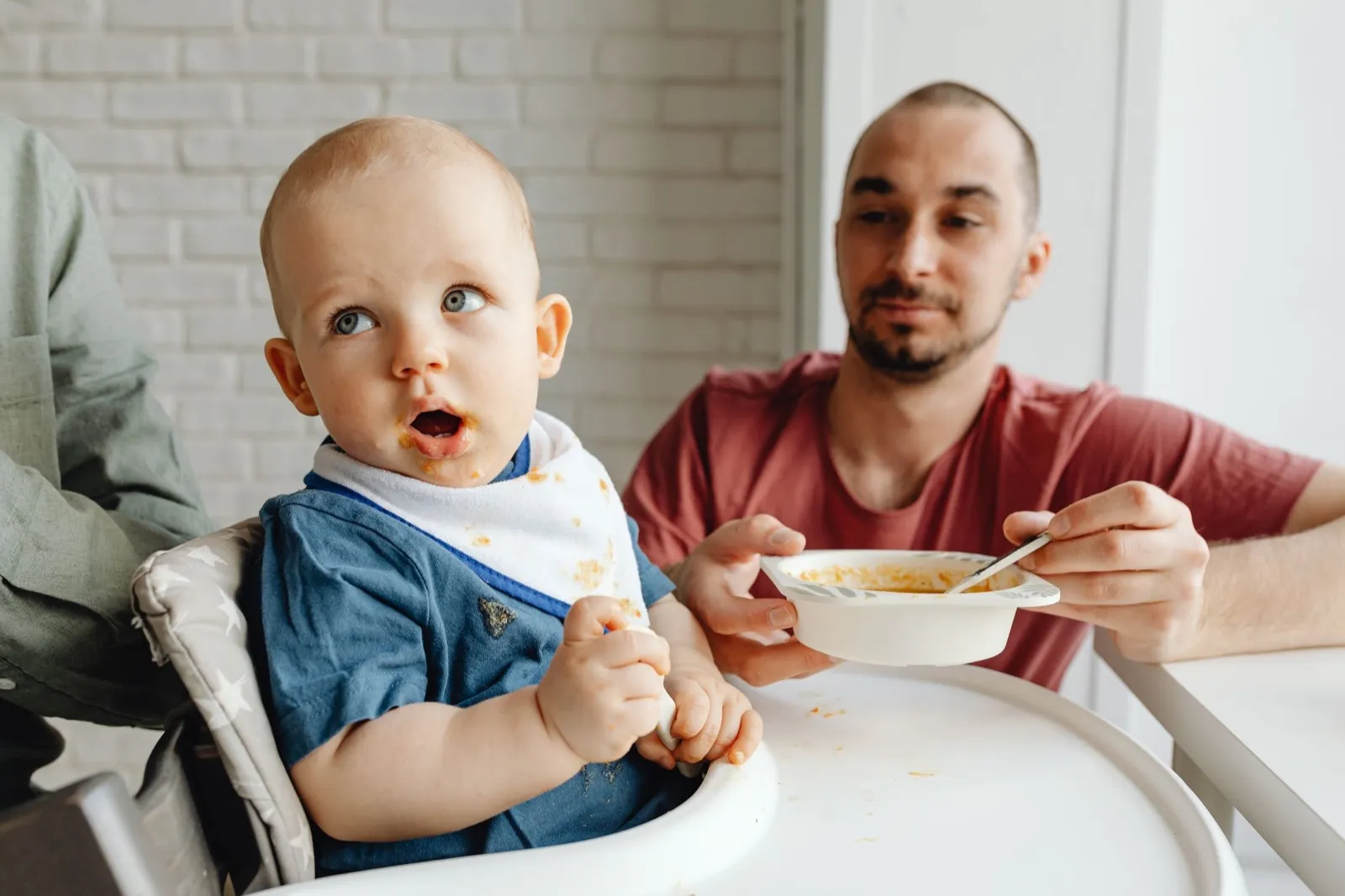
Image Credit: Pexels / https://kaboompics.com/
Most babies can start solid foods from around 6 months old, when they are also showing the developmental signs that they are ready to eat. Rather than relying on age alone, the NHS recommends looking for three key abilities that usually appear together at around this stage.
Starting solids can feel surprisingly significant. One day your baby’s meals are entirely milk, and the next you are wondering whether that intense stare at your toast means they are ready for breakfast too. Knowing what genuine readiness looks like can make the decision much clearer.
Breast milk or first infant formula should continue alongside solid foods when weaning begins. At first, eating is also about learning new skills, tastes and textures, so there is no need to expect your baby to suddenly eat full meals.
When should babies start solid foods?
NHS guidance recommends introducing solid foods, sometimes called weaning or complementary feeding, from around 6 months of age.
The World Health Organization (WHO) also recommends starting complementary foods at 6 months. Around this age, babies begin to need additional energy and nutrients alongside milk and are developmentally becoming ready to manage other foods.
The word “around” matters. Babies develop at slightly different rates, which is why readiness signs are useful alongside age.
The NHS advises looking for three developmental signs that should appear together:
- Your baby can stay in a sitting position and hold their head steady.
- They can coordinate their eyes, hands and mouth so they can look at food, pick it up and bring it to their mouth.
- They can swallow food rather than automatically pushing it back out with their tongue.
These signs rarely appear together before around 6 months.
If your baby was born prematurely, their readiness for solids may need to be considered differently. Ask your health visitor or another healthcare professional for advice about the right time to begin.
The three signs your baby is ready for solid foods
1. They can sit and hold their head steady
Your baby needs enough head and body control to eat safely. The NHS describes one of the key readiness signs as being able to stay in a sitting position while keeping their head steady.
This does not mean your baby needs to be independently walking, crawling or reaching other unrelated milestones before you begin. The important point is having the stability and control needed for eating.
When offering food, babies should be sitting safely in an upright position. If you use a high chair, the NHS recommends using a securely fitted safety harness and never leaving your baby unattended.
2. They can coordinate their eyes, hands and mouth
Starting solids requires several skills to work together.
A baby who is developmentally ready should be able to see food, reach for it and bring it towards their mouth. This hand-eye-mouth coordination is one of the three signs identified by the NHS.
You might notice this naturally during family mealtimes or when your baby is given an appropriate piece of food to explore.
It is one reason starting solids is about more than simply reaching a particular date on the calendar. Your baby is learning a completely new physical skill.
3. They can swallow food
The third key sign is being able to swallow food rather than automatically pushing it back out of the mouth.
Babies who are not yet ready may push food forwards with their tongue, meaning much of it ends up outside their mouth.
Do not confuse this with gagging. Gagging can happen when babies are learning to manage solid foods and is different from choking. The NHS advises always staying with your baby while they are eating because choking can happen.
If you are unsure about the difference between gagging and choking, familiarise yourself with NHS choking guidance before beginning solids.
Signs that can be mistaken for readiness
Some behaviours can make it look as though your baby is desperate to start eating, but they are not reliable signs of readiness on their own.
For example, babies may:
- chew their fists
- wake more frequently during the night
- want additional milk feeds
- show an interest in what other people are eating
Babies explore the world with their mouths, and feeding and sleeping patterns can change for many reasons. These behaviours do not replace the developmental signs of readiness.
Watching you eat can certainly make your baby curious about food. That curiosity can be lovely to see, but it is still worth waiting until the appropriate developmental signs are present.
Can babies start solids before 6 months?
NHS guidance is to begin introducing solid foods from around 6 months, and the three readiness signs rarely appear together before this point.
If you are considering introducing solids earlier, speak to your health visitor or GP first rather than making the decision based only on your baby’s appetite, size or sleeping pattern.
There are also some foods that should not be introduced before 6 months. Following age-appropriate guidance becomes particularly important if a baby has specific feeding, growth or health needs.
For most families, there is no need to rush. Reaching the stage where your baby is developmentally ready is more useful than trying to get a head start on weaning.
What happens to milk feeds when solids begin?
Starting solids does not mean suddenly replacing your baby’s usual milk feeds.
The NHS advises that breast milk or first infant formula remains an important source of energy and nutrients as solids are introduced. In the beginning, babies only need small amounts of food as they become familiar with eating.
That can take some pressure off those first meals. A few tastes, touches and attempts at swallowing are all part of learning.
Some babies take to new foods quickly, while others need more time to become comfortable with unfamiliar tastes and textures. Try to follow your baby’s hunger and fullness cues rather than comparing how much they eat with another baby of the same age.
What should your baby’s first meals look like?
Once your baby is around 6 months and showing the readiness signs, you can begin introducing suitable foods alongside their usual milk.
There is no single compulsory way to start. Some families use puréed or mashed foods, some prefer baby-led weaning with suitable finger foods, and others combine the two. The NHS states that there is no right or wrong choice between baby-led weaning and spoon feeding, provided your baby receives a varied diet and the nutrients they need.
At first, keep expectations simple. Your baby is discovering unfamiliar tastes, smells and textures while learning how food feels and moves inside their mouth.
The NHS recommends allowing plenty of time, going at your baby’s pace and responding when they show that they are hungry or full.
Always prepare and serve foods in an age-appropriate way to reduce choking risk, and stay with your baby whenever they are eating.
What if your baby seems ready but does not eat much?
It is very normal for the amount eaten at the beginning to seem tiny.
According to the NHS, parents should not worry too much about quantity in the early days. Babies are becoming accustomed to new tastes and textures and learning how to move food around their mouths and swallow it.
There may also be days when your baby seems enthusiastic and others when very little gets eaten.
Try not to turn the amount left on the plate into a measure of how successfully weaning is going. Offer suitable foods, allow your baby time to explore them and follow their cues.
Never force a baby to eat. WHO guidance recommends responsive feeding, which includes encouraging babies patiently while responding to their signs of hunger and fullness.
A simple readiness check before you begin
Before offering your baby’s first solid food, check that they are around 6 months old and that the three NHS readiness signs are appearing together.
Ask yourself:
- Can my baby stay sitting and keep their head steady?
- Can they look at food, reach for it and bring it towards their mouth?
- Can they swallow food instead of automatically pushing it back out?
If the answer is yes to all three, your baby may be ready to begin exploring solid foods.
You can then focus on the next practical steps, such as choosing suitable first foods, learning how to prepare them safely and deciding whether you would prefer spoon feeding, baby-led weaning or a combination.
There is no need for the first meal to be elaborate. Starting gradually gives your baby time to practise a completely new set of skills.
When to get professional advice
Speak to your health visitor, GP or another qualified healthcare professional if you are unsure whether your baby is developmentally ready for solid foods, particularly if you are considering starting before around 6 months.
You should also seek individual advice if your baby was born prematurely or has feeding, swallowing, growth or developmental concerns that could affect how or when solids are introduced.
If your baby has eczema, an existing food allergy or a family history of allergies and you have concerns about introducing allergenic foods, discuss this with a health professional. The NHS provides specific guidance on introducing foods that can trigger allergic reactions.
Get urgent medical help if your baby is choking and cannot breathe normally. It is worth learning what to do if a baby chokes before you begin weaning, as choking is different from the normal gagging that can occur while babies learn to manage food.
Related reading
- Starting Solids
- How to Start Solids at 6 Months: A Simple Step-by-Step Guide
- Starting Solids Checklist: How to Prepare for Your Baby’s First Meal