Affordable Fashion: How to Look Stylish on a Budget
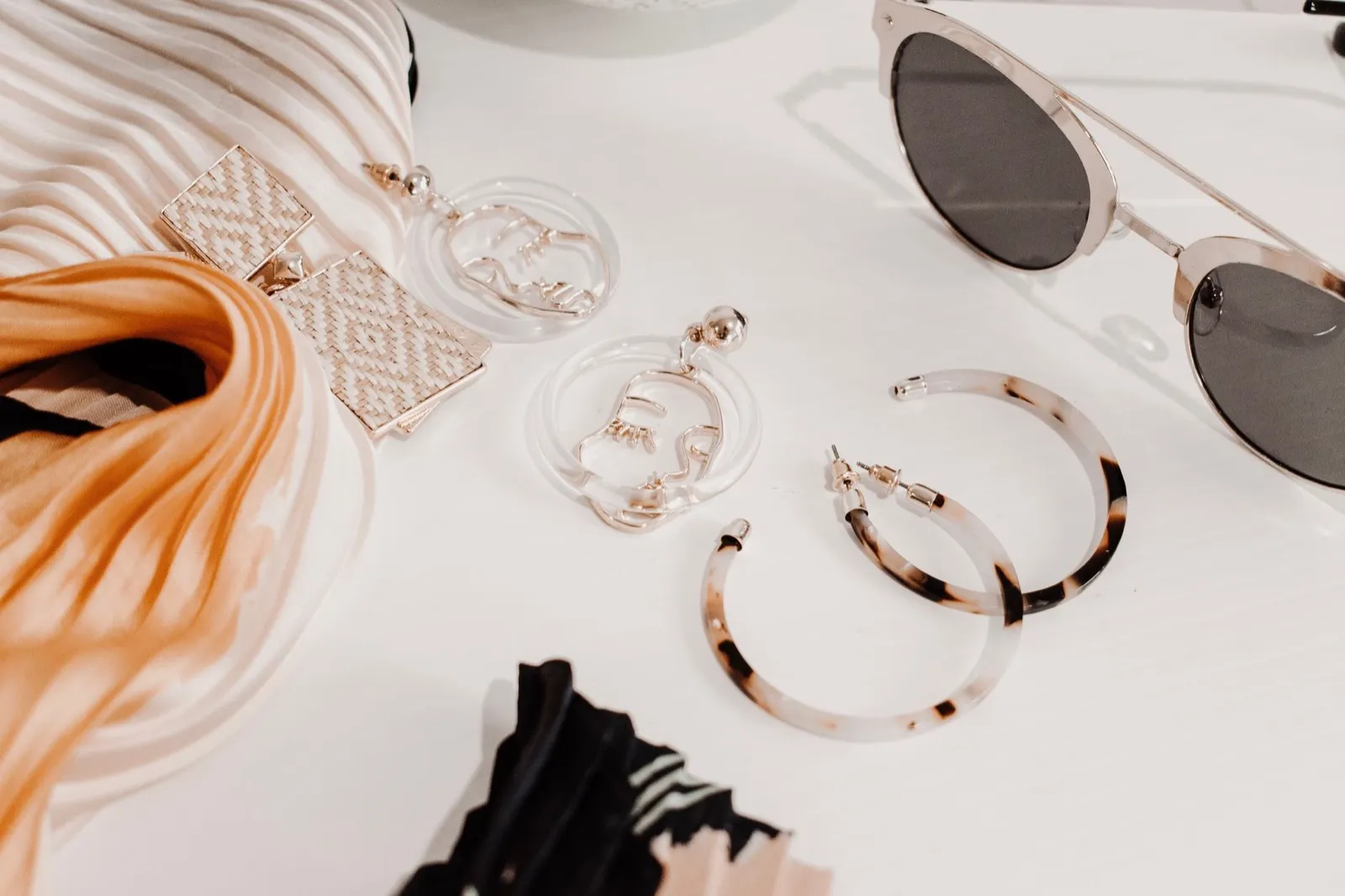
Image Credit: Pexels / Harper Sunday
Looking stylish does not require an expensive wardrobe or a constant stream of new clothes. A useful starting point is much simpler: know what you already enjoy wearing, create more combinations from those pieces, and be selective about anything you add.
Affordable fashion is not about finding the cheapest possible version of every trend. It is about making your clothing budget work for your real life. That might mean shopping less often, buying second-hand, repeating outfits, altering something you already own or simply learning a few styling tricks that make familiar clothes feel different.
Start by shopping your own wardrobe
Before buying anything, spend some time with the clothes you already have.
Pieces are easy to forget when they sit at the back of a wardrobe or are always worn in exactly the same combination. Try taking out a few favourites and pairing them with items you would not normally put together.
A blazer you usually save for work might work with jeans and trainers. A summer dress could be worn with a cardigan and boots in cooler weather. A button-down shirt might be worn open over a vest, tucked into trousers or layered underneath a jumper.
You can also photograph combinations you like. Keeping a small album of reliable outfits on your phone can make getting dressed easier and remind you how much choice you already have.
The aim is not to force yourself to wear things you dislike. If an item is uncomfortable or no longer suits your life, you do not have to make it work simply because you own it.
Build outfits around the clothes you wear most
Budget-friendly wardrobes become easier to manage when new pieces work with clothes you already reach for regularly.
Notice what those pieces have in common.
Perhaps you repeatedly wear:
- Straight-leg jeans
- Wide-leg trousers
- Midi skirts
- Simple dresses
- Oversized shirts
- Fine knitwear
- Relaxed blazers
- Trainers, loafers or ankle boots
Your list may look completely different, and that is useful information.
Instead of starting with a generic list of wardrobe essentials, use your own habits as the guide. If you rarely wear shirts, a supposedly perfect white shirt is unlikely to become essential just because a fashion checklist says it should.
The most useful wardrobe is built around your actual routine.
Choose a flexible colour palette
You do not need a minimalist wardrobe or a strict collection of neutral colours to make affordable fashion easier.
It can help, however, to notice which colours naturally work together in your wardrobe.
If most of your clothes are black, cream, denim and burgundy, for example, adding something in one of those shades may give you more outfit possibilities than buying a completely unrelated colour.
Your palette can be bright, muted, neutral or mixed. There is no ideal combination.
A simple approach is to identify a few colours you wear often, then keep them in mind while shopping. This makes it easier to imagine several outfits before spending money.
Repeat outfits without apologising for it
There is nothing wrong with wearing the same outfit regularly.
If a combination is comfortable, practical and feels like you, repetition is a sign that the clothes are useful.
You can wear the exact same outfit again or make small changes. Swap the shoes, add a belt, change the jewellery, wear a different coat or tuck the top differently.
Even those changes are optional.
The idea that every occasion needs a fresh outfit can make fashion unnecessarily expensive. Clothes are meant to be worn more than once, and a dependable outfit can be far more valuable than a wardrobe full of pieces you struggle to combine.
Use accessories to change familiar clothes
Accessories can alter the mood of an outfit without requiring a completely different set of clothes.
A simple dress, for example, might be worn with trainers and a tote during the day, then with earrings and a smaller bag for dinner. Jeans and a knit can feel different with loafers instead of trainers or with a colourful scarf added at the neck.
Useful accessories might include:
- Jewellery you genuinely enjoy wearing
- A belt
- A scarf
- Sunglasses
- A practical everyday bag
- A smaller occasion bag
- Hair accessories
- Shoes that work with several outfits
You do not need all of these. Choose the details that fit your personal style and daily routine.
Pay attention to proportion and styling
Sometimes an outfit feels different because of how the clothes are worn rather than what they cost.
Try small adjustments before deciding you need another item.
You might:
- Tuck in all or part of a shirt
- Roll or push up sleeves
- Leave a shirt open over another layer
- Add or remove a belt
- Change the length of a trouser hem with suitable footwear
- Layer a jumper over a dress
- Wear a cardigan buttoned as a top
- Try a jacket with a different skirt or trouser shape
These are styling choices rather than rules. Some will suit your clothes and preferences, while others will not.
The useful part is experimenting with what you already own before assuming the solution is another purchase.
Make a shopping list instead of browsing for ideas
Unplanned browsing can make almost anything look like a wardrobe gap.
A written list gives you something more concrete to work from.
Perhaps you notice that you own several skirts but very few tops that work with them. Maybe your everyday shoes need replacing. Perhaps you would use a warm cardigan constantly but already have more than enough dresses.
Write down the genuine gaps and keep the list for a while.
If you still want or need the item after a few weeks, you can search for it more deliberately. This also makes sales easier to navigate because you are looking for something specific rather than treating the discount itself as a reason to buy.
Look at second-hand options
Second-hand shopping can be a useful way to find clothing at a lower price, although availability, sizing and condition vary widely.
Charity shops, vintage shops, resale platforms and clothing swaps can all be worth considering if they suit the way you like to shop.
Searching for a specific item is often easier than browsing without a plan. If you know you want a navy wool-blend coat, black leather loafers or a particular style of jeans, you can narrow the search considerably.
Check photographs and descriptions carefully when shopping online. Look for measurements where available, signs of wear, fabric information and the seller’s return terms or platform policies before purchasing.
There is also no obligation to buy second-hand. Affordable fashion should work with your time, accessibility needs, preferences and local options.
Be selective with sales
A lower price does not automatically make something good value for you.
Before buying a discounted item, ask yourself whether you would have considered it without the sale label. Then think about what you would actually wear it with.
A useful test is to picture at least a few realistic outfits using clothes you already own.
If you love the item but can only imagine wearing it after buying new trousers, shoes and a jacket to accompany it, the true cost may be higher than the sale price suggests.
Equally, a sale can be a sensible opportunity to buy something already on your list. The difference is that the purchase starts with a wardrobe need rather than the discount.
Consider cost per wear carefully
Cost per wear is a simple idea: an item worn frequently can work out cheaper per use than something inexpensive that is rarely worn.
It can be a helpful way to think about purchases, but it is not a perfect formula.
You cannot always predict how frequently something will be worn, and not every item needs to become a hardworking wardrobe staple. Occasion clothes, sentimental pieces and playful fashion can still have value even if they are worn less often.
Instead, use the idea as a question.
Am I likely to wear this enough for the price to make sense within my budget?
Your answer matters more than an arbitrary number.
Take care of the clothes you already own
Keeping clothing in wearable condition can reduce how often it needs replacing.
Always check the care label because washing, drying and ironing requirements depend on the garment and fabric.
Simple habits can also help. Deal with stains promptly where appropriate, store clothes in a way that avoids unnecessary stretching, and repair small problems such as loose buttons before they become bigger ones.
Basic alterations can also make existing clothes more useful. A hem that feels awkward, a missing button or a slightly loose waistband may sometimes be fixable rather than a reason to replace the whole garment.
If a repair or alteration is outside your skills, compare the cost with replacing the item and decide what makes sense for you.
Know where spending more matters to you
Being stylish on a budget does not mean every item has to be inexpensive.
You might prefer to spend more on shoes because comfort matters to you, while buying simple tops second-hand. Someone else may invest in a winter coat but spend very little on occasion clothes.
Think about which pieces you use heavily and what qualities matter most.
For one person that might be durability. For another it could be comfort, easy washing, fabric feel, adjustable features or simply finding a fit they genuinely enjoy wearing.
Your budget can be distributed according to your priorities rather than according to someone else’s list of investment pieces.
Create simple outfit formulas
An outfit formula is simply a combination you know works for your lifestyle.
For example:
Casual: jeans + T-shirt + cardigan + trainers
Smart casual: wide-leg trousers + knit + loafers + simple jewellery
Work: trousers + blouse or shirt + blazer + comfortable shoes
Weekend: midi skirt + T-shirt + denim jacket + trainers
Evening: simple dress + earrings + small bag + your preferred shoes
The exact formulas do not matter. Yours might involve colourful dresses, leggings, tailored suits or long skirts instead.
Once you identify a few combinations you enjoy, shopping becomes more focused because you can see where a potential purchase would fit.
Try a pause before buying something new
If something is not urgently needed, give yourself a little time before purchasing it.
Save the link, photograph the item or write it on your list. Then return to it later.
The pause does not need to be a strict rule. It simply creates enough distance to ask whether you like the piece itself or were caught up in the moment.
You may still want it, which is fine. You may also realise that you already own something similar or cannot think of many occasions when you would wear it.
Either result is useful.
Style is not determined by what you spend
An affordable wardrobe can be colourful, minimalist, classic, experimental, feminine, practical, dramatic or anything in between.
The strongest budget strategy is to become more familiar with your own preferences. Know the pieces you wear repeatedly. Notice the colours and silhouettes you enjoy. Learn which purchases have worked well and which ones tend to sit unworn.
From there, spend according to your priorities and make the most of what you already have.
Looking stylish on a budget is not about making inexpensive clothes appear expensive. It is about creating outfits you genuinely like without feeling that good style depends on constantly buying something new.
Related reading
- How to Dress Well Without Spending a Lot of Money
- How to Look Expensive on a Budget
- How to Shop for Clothes on a Budget Without Buying More