How to Shop for Clothes on a Budget Without Buying More
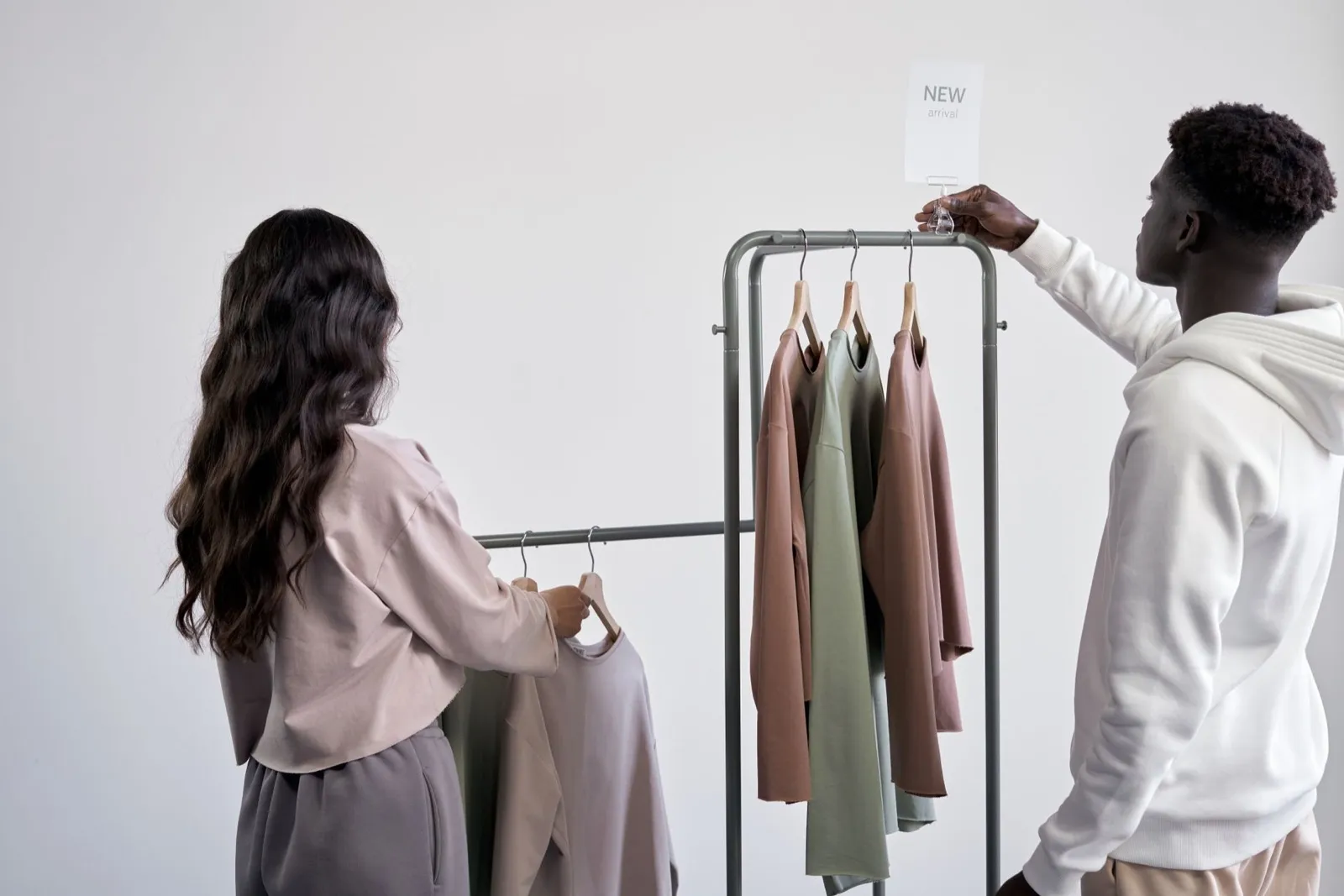
Image Credit: Pexels / Ron Lach
Shopping for clothes on a budget does not have to mean hunting for the cheapest possible pieces. If you also want to avoid buying more than you need, the most useful approach is to shop less often, know what is already in your wardrobe and be specific about what a new item needs to do.
A smaller budget can actually give you a helpful boundary. Instead of asking, “What can I afford to buy?”, try asking, “What would genuinely make my wardrobe easier to use?”
That small change can make shopping feel much more purposeful.
Start by shopping your own wardrobe
Before looking for anything new, spend a little time with the clothes you already own.
You do not need to empty your entire wardrobe onto the floor. Simply look through the category you are thinking about buying.
If you want new trousers, check your current trousers first. If you are tempted by another summer dress, look at the dresses you already have.
Ask yourself:
- What do I wear most often?
- What do I keep avoiding?
- Which pieces are difficult to style?
- What is genuinely missing?
- Do I already own something similar?
- Could a different combination solve the problem?
You may discover that you do not need another top. You need a pair of trousers that works with five tops you already own.
Or perhaps you have plenty of clothes but are missing a comfortable pair of everyday shoes.
That is useful information because it turns a vague desire to shop into a specific wardrobe need.
Make a short shopping list
A clothing shopping list can be surprisingly effective.
Keep it specific. Instead of writing “new clothes”, try:
- Black everyday trousers
- Lightweight cardigan for work
- Comfortable flat shoes
- White T-shirt to replace worn one
A short list helps you separate things you have already identified as useful from things that simply catch your attention while browsing.
You do not have to treat the list as a strict rule. Fashion can be spontaneous and enjoyable.
Think of it as a filter.
If you find something unexpected that you genuinely love and can comfortably afford, you can still consider it. But your list gives you a reference point before every appealing sale section turns into a new plan.
Set a clothing budget before you browse
It is much easier to make decisions when you already know what you are comfortable spending.
Your budget might be weekly, monthly, seasonal or simply an amount you set aside when something needs replacing.
There is no ideal figure.
The important part is deciding what works alongside your other financial priorities rather than letting the shop determine how much you spend.
If you have £80 available for clothes and need both trousers and a jumper, you can decide in advance how you might divide it.
That feels very different from browsing first and working out the financial consequences afterwards.
Identify your repeat purchases
Most of us have a category that is particularly tempting.
Perhaps you repeatedly buy striped tops, black dresses, trainers, handbags or oversized shirts.
There is nothing wrong with owning several versions of something you genuinely wear. Repetition can be part of a very functional wardrobe.
The question is whether you are actually using those repeats.
If you own eight similar shirts and wear all eight, the category clearly works for you. If six stay untouched while you repeatedly wear the same two, another one may not add much.
Notice your patterns without judging them. The aim is simply to understand where your budget tends to disappear.
Stop treating sales as automatic savings
A discounted item only saves you money if it replaces something you were already going to buy or becomes genuinely useful to you.
A £60 dress reduced to £25 still costs £25.
Before buying something because the reduction looks impressive, ask whether you would still want the item if you had never seen the original price.
Also consider whether you would have noticed it without the sale sign.
If the answer is no, the discount may be creating the desire rather than helping you meet an existing wardrobe need.
Sales can be useful when an item already on your list becomes cheaper. They are less helpful if they encourage you to buy three things you never intended to own.
Give online purchases a waiting period
Online shopping makes it easy to move from seeing something to owning it within minutes.
Adding a little time between those stages can help.
If an item is not urgently needed, leave it in your basket or save the page and return later.
You might wait until the next day, the end of the week or another period that feels realistic for you.
During that time, ask:
- Can I picture at least a few outfits with it?
- Do I own something that already serves the same purpose?
- Where would I actually wear it?
- Does it fit within my clothing budget?
- Would I still choose it without the styling shown on the website?
Sometimes you will return and still want it. That is useful too. The aim is not to talk yourself out of every purchase, only to give yourself enough space to decide.
Shop for outfits, not isolated pieces
One reason wardrobes grow without becoming easier to use is that individual pieces are bought without considering what they will be worn with.
Before buying something, mentally place it beside your existing clothes.
A patterned skirt may be beautiful, but what tops and shoes would you actually wear with it?
A bright blazer may suit your style perfectly, but does it work with your trousers, dresses or jeans?
Try to imagine complete outfits using mostly pieces you already own.
If a new item requires another top, another pair of shoes and a different coat before you can wear it, the real cost may be much higher than its price tag.
Know your useful colours
You do not need a strict colour palette to shop thoughtfully.
It can still help to notice which colours are easiest to combine in your particular wardrobe.
Look at your most-worn clothes. You might discover that you naturally rely on navy, cream and denim, or perhaps black, grey and bright red.
These are not necessarily the colours that supposedly “suit” you. They are simply colours you enjoy wearing and already know how to combine.
When considering something new, ask how it relates to that existing mix.
You can absolutely introduce a completely different colour if you love it. Just make sure you are buying it because you want to wear it, rather than because it looked appealing in isolation.
Consider second-hand before buying new
Second-hand shopping can be useful if you are working with a limited budget, particularly when you know exactly what you are looking for.
Charity shops, resale platforms, vintage shops and clothing swaps can all offer alternatives to buying new.
Availability, sizing and condition vary considerably, so second-hand shopping may require more patience.
Check photographs and descriptions carefully when buying online. Look for information about measurements, marks, alterations and general condition.
It can also help to search for a specific garment rather than scrolling without a plan.
“Black wool-blend coat size X” gives you a clearer target than simply browsing hundreds of listings.
Borrow for one-off occasions
If you need something for a wedding, party, themed event or formal occasion, buying is not always the only option.
You may be able to borrow from a friend or family member, use something you already own in a different way or consider a clothing rental service available in your area.
The best choice depends on your budget, preferences and what is realistically accessible to you.
If you do decide to buy, think about what happens after the event.
A simple dress might work later with boots and knitwear. A blazer could return to your work wardrobe. Occasion shoes might also work for dinners or other events.
You do not have to make every purchase endlessly versatile, but thinking beyond one night can help when money is limited.
Replace rather than automatically add
For everyday basics, a replacement approach can help prevent gradual wardrobe expansion.
If your favourite white T-shirt is worn out, replace it rather than automatically buying a multipack of five.
If your everyday trainers need replacing, look for the next pair based on what worked and what did not about the old ones.
This is particularly useful for categories where you already know how many pieces you realistically use.
It does not need to become a strict one-in, one-out system. Your needs change, and sometimes you genuinely need to add something.
Treat it as a useful question rather than a rule: Am I replacing a need, or simply adding another option?
Check fit before being persuaded by price
An inexpensive item is not good value if you dislike wearing it.
When trying clothes on, move around rather than only looking in the mirror.
Sit down. Raise your arms. Walk. Try the garment with the type of shoes or layers you would normally wear.
Pay attention to whether you like the fit and feel.
This does not mean clothes should follow a particular silhouette. Loose, fitted, cropped, oversized and structured clothes can all work beautifully.
The useful question is whether the garment fits the way you want it to.
If you are buying online, check the retailer’s measurements and return conditions before ordering where possible.
Work out your personal cost per wear
Cost per wear can be a simple way to think about value.
A £20 top worn twice costs £10 per wear. A £70 pair of trousers worn 70 times costs £1 per wear.
You do not need to calculate this for every item.
Use the idea mainly for purchases you are unsure about. Ask how often the piece realistically fits into your life.
A more expensive item is not automatically better value, and a cheap item is not automatically a bargain.
The amount you actually wear something matters.
At the same time, not every garment needs to achieve a perfect cost-per-wear figure. A special occasion dress can still be worth owning if you love it and the purchase comfortably fits your budget.
Unsubscribe from shopping triggers if they make you overspend
Retail emails, app notifications and promotional messages are designed to bring products back to your attention.
If you find yourself shopping because a discount notification arrived rather than because you needed anything, reducing those prompts may help.
You might unsubscribe from some mailing lists, switch off retail app notifications or avoid saving card details if instant checkout encourages purchases you later question.
This is not about making shopping joyless.
It simply creates a little distance between seeing something and deciding to spend money on it.
Keep a wish list instead of buying immediately
A wish list gives interesting pieces somewhere to go without requiring an immediate purchase.
Write down the item, approximate price and why you want it.
After a few weeks, review the list.
Some things will still feel useful. Others may have completely lost their appeal.
You may also notice patterns. If three different versions of the same type of jacket keep appearing on your list, that could suggest a genuine wardrobe gap.
A wish list can therefore do more than delay spending. It can help you understand your style.
Try a simple three-question rule
Before buying, ask yourself:
- Where will I wear this?
- What will I wear it with?
- Would I choose it at full price?
You do not need perfect answers.
The questions simply move your attention away from the excitement of finding something new and back towards your actual wardrobe.
If you can immediately picture the item in several real situations, it may be a useful purchase.
If every answer depends on buying something else, changing your lifestyle or waiting for an imaginary occasion, you might prefer to leave it.
Shopping less does not mean caring less about fashion
You can love clothes without constantly buying them.
Restyling a familiar dress, trying different proportions, changing shoes, layering jewellery or wearing a shirt in a new way can be just as creative as purchasing something new.
A budget can encourage you to notice the possibilities already sitting in your wardrobe.
Shop when something genuinely adds value to the way you dress. Save your money when it does not.
The aim is not to build the smallest possible wardrobe or to feel guilty about enjoying fashion. It is to spend intentionally, buy at a pace that suits your budget and make sure the clothes coming home with you have a realistic place in your life.
Related reading
- Affordable Fashion: How to Look Stylish on a Budget
- How to Look Expensive on a Budget
- How to Make Cheap Clothes Look More Expensive