Baby Hygiene Checklist: What You Need for Everyday Care
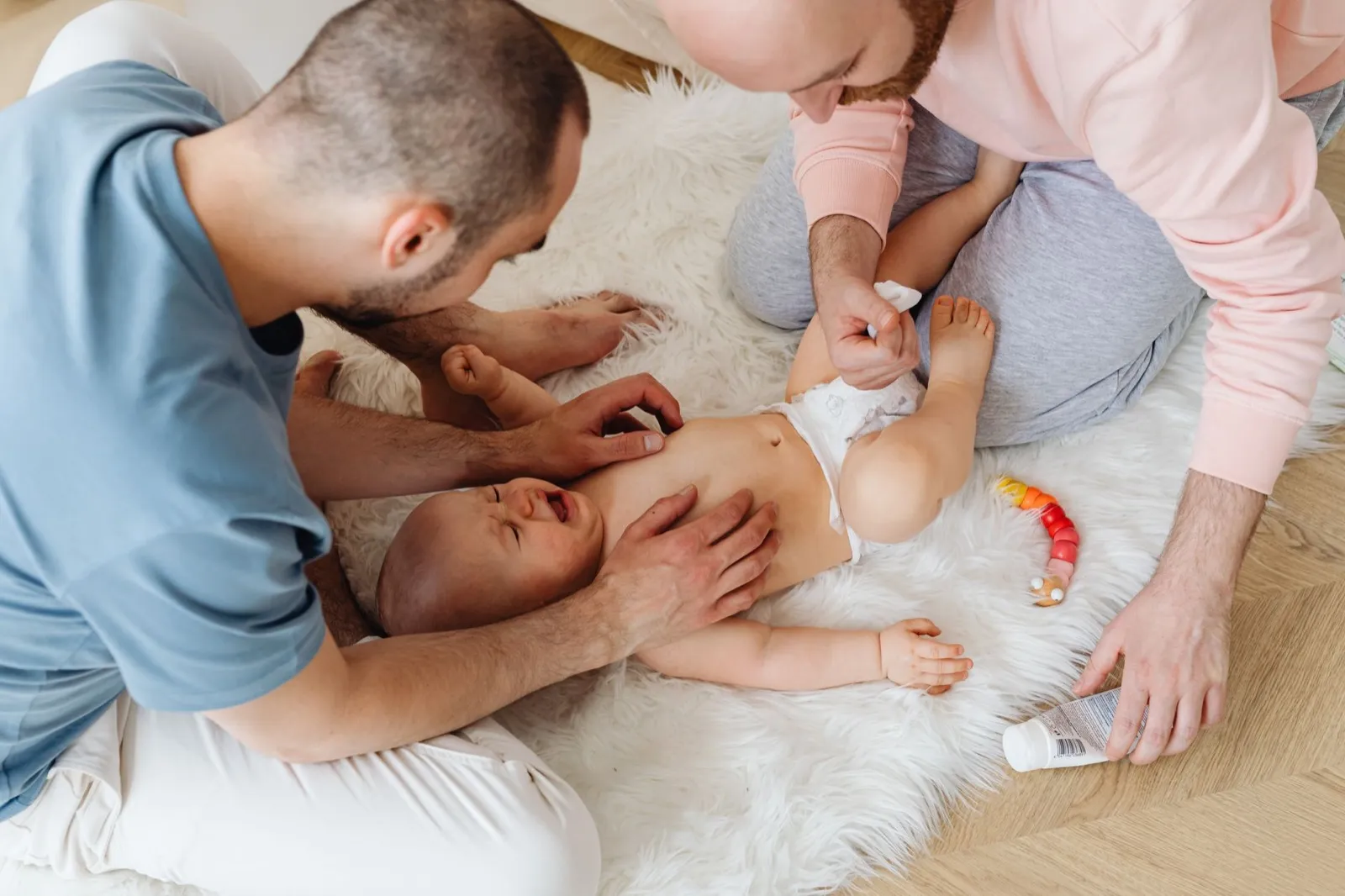
Image Credit: Pexels / https://kaboompics.com/
Keeping a baby clean does not require a cupboard full of special products or an elaborate daily routine. A simple baby hygiene checklist covers the basics: clean nappies, gentle washing, clean clothes, nail care and, once teeth appear, toothbrushing.
For newborns, everyday hygiene can be especially simple. The NHS says babies do not need a bath every day. You can wash their face, neck, hands and bottom instead, often called topping and tailing. Having a few essentials within reach makes these small care tasks much easier, particularly during those tired early weeks.
Your everyday baby hygiene checklist
You do not need to use every item on this list every day. Think of it as a practical collection of basics to keep at home rather than a strict routine to complete.
For washing and bathing
Useful basics include:
- soft, clean towels
- cotton wool
- a bowl for warm water
- clean clothes
- a clean nappy
- a baby bath, if you choose to use one
The NHS recommends getting everything ready before washing or bathing your baby. This is particularly important at bath time because a baby should never be left alone in the bath, even for a moment.
Newborns do not need a daily bath. NHS guidance says two or three baths a week can be enough, although you can bathe your baby more often if you both enjoy it.
Between baths, topping and tailing can keep the areas that need regular attention clean. This usually means gently washing the face, neck, hands and nappy area with warm water.
Pay attention to skin folds around the neck and nappy area, where moisture can collect. Dry these areas gently rather than rubbing the skin.
For nappy changes
Keep a small nappy-changing supply somewhere convenient. You may want:
- clean nappies
- a changing mat or clean towel
- cotton wool and warm water, or fragrance-free and alcohol-free baby wipes
- a cloth or towel for drying
- barrier cream
- spare clothes
- a suitable place for used nappies or reusable nappy storage
The NHS advises changing a baby’s nappy as soon as possible after a wee or poo to help prevent soreness and nappy rash.
Clean the entire nappy area gently, including the skin folds, and dry the skin before putting on a fresh nappy. For girls, NHS guidance recommends cleaning from front to back. For boys, clean around the penis and testicles without pulling back the foreskin.
Wash your hands after every nappy change.
You do not need a changing table. A changing mat or towel on the floor can be a practical option and removes the risk of your baby falling from a raised surface. If you do use a changing table, stay with your baby at all times.
Caring for your baby’s face, ears and eyes
A baby’s face can usually be cleaned gently with warm water and cotton wool.
For the eyes, the NHS recommends wiping gently from the nose outwards and using a fresh piece of cotton wool for each eye. This reduces the chance of transferring stickiness or infection from one eye to the other.
Clean around the outside of the ears rather than trying to clean inside the ear canal. Do not use cotton buds inside your baby’s ears.
You can also gently clean around the neck, paying attention to the folds where milk, dribble and moisture may collect.
There is no need to scrub. Gentle cleaning followed by careful drying is enough for everyday care.
Looking after the umbilical cord
During the newborn stage, your baby’s umbilical cord stump needs simple care rather than lots of cleaning products.
NHS guidance recommends keeping the cord clean and dry until it falls off. If the area becomes dirty with wee or poo, it can be cleaned with warm water and fresh cotton wool and then gently dried.
Avoid pulling the stump off, even if it appears to be nearly ready to detach.
If you notice bleeding, discharge, redness around your baby’s abdomen or anything else that concerns you, speak to your midwife, health visitor or GP.
Cutting your baby’s nails
Baby fingernails can be surprisingly sharp, so nail care may become part of your regular routine quite quickly.
The NHS suggests using special baby nail clippers, small round-ended safety scissors or a fine emery board. Cutting or filing nails while your baby is asleep or relaxed can make the task easier because they are less likely to wriggle.
There is no need to follow a fixed nail-cutting schedule. Check their nails regularly and trim or file them when they become long or sharp.
If you accidentally nick the skin and are worried about the cut or bleeding, seek appropriate medical advice.
Caring for your baby’s mouth and first teeth
Before teeth arrive, feeding and dribbling can make the skin around your baby’s mouth and chin damp. Gently wiping the area and keeping the skin dry can form part of everyday hygiene.
Once the first tooth comes through, toothbrushing should become part of your baby’s routine.
The NHS advises brushing baby teeth as soon as they appear. For babies and toddlers under three, NHS guidance recommends a smear of fluoride toothpaste containing at least 1,000 ppm fluoride. Teeth should be brushed twice a day, including last thing at night.
Do not worry if brushing is brief or awkward at first. Many babies need time to become familiar with the toothbrush and the sensation.
What baby hygiene products do you actually need?
Baby aisles can make basic care look much more complicated than it is.
For many everyday tasks, warm water, cotton wool, clean towels, nappies and clean clothes cover much of what you need. If you use wipes for nappy changes, NHS guidance recommends fragrance-free and alcohol-free options.
You may also choose products such as a suitable baby wash, moisturiser or barrier cream depending on your baby’s needs.
More products do not automatically mean better hygiene. Babies can have delicate skin, so there is no need to use heavily fragranced products simply because they are marketed for babies.
If your baby’s skin is particularly dry, irritated or prone to rashes, ask your health visitor, pharmacist or GP which products are suitable rather than repeatedly trying new ones.
A simple everyday care routine
Baby hygiene does not have to happen at a particular time of day.
Your routine might simply involve changing nappies whenever needed, washing your baby’s face and hands when necessary, cleaning the neck and nappy area, and putting on clean clothes as needed.
Baths can fit around family life rather than becoming another daily task you feel you must complete. Some babies enjoy bathing, while others prefer a quick wash.
As your baby grows, the routine will change too. Teeth appear, nails need trimming, mealtimes become messier and babies become much more mobile. The basics remain surprisingly similar: keep them comfortably clean, dry damp skin folds, change dirty clothing and nappies, and use gentle care.
Hygiene habits that help keep everyday care manageable
A little organisation can make baby care easier, especially when you are short on sleep.
Keep frequently used supplies together so you do not have to search for them while holding your baby. Restock nappies, cotton wool and clean clothes before you run out.
Wash your hands before and after care tasks where appropriate, particularly after changing nappies.
Clean changing surfaces regularly and wash reusable cloths and towels after use as needed. Keep dirty items separate from clean supplies.
Most importantly, prepare everything before starting a bath or using a raised changing surface. You should never have to leave your baby unattended to retrieve a forgotten towel or clean nappy.
When to get professional advice
Everyday hygiene can also give you an opportunity to notice changes in your baby’s skin, eyes, mouth, umbilical area or general wellbeing.
Speak to your midwife, health visitor, GP, pharmacist or another qualified healthcare professional if you are concerned about persistent or worsening skin irritation, a rash you are unsure about, problems around the umbilical cord, unusual discharge, signs of infection or anything about your baby’s health that worries you.
The NHS advises telling a healthcare professional if a newborn’s umbilical cord has bleeding or discharge. Redness around the abdomen should also be assessed.
If your baby appears seriously unwell or you think they need urgent medical attention, seek urgent medical help rather than relying on home hygiene measures.
Parents see their babies every day. If something looks or feels unusual and you are concerned, asking a healthcare professional for advice is always reasonable.
Related reading
- Newborn Baby Hygiene Kit: What You Actually Need
- How to Clean a Baby’s Eyes, Ears and Nose Safely
- How to Wash a Baby’s Hair and Care for Their Scalp