Newborn Baby Hygiene Kit: What You Actually Need
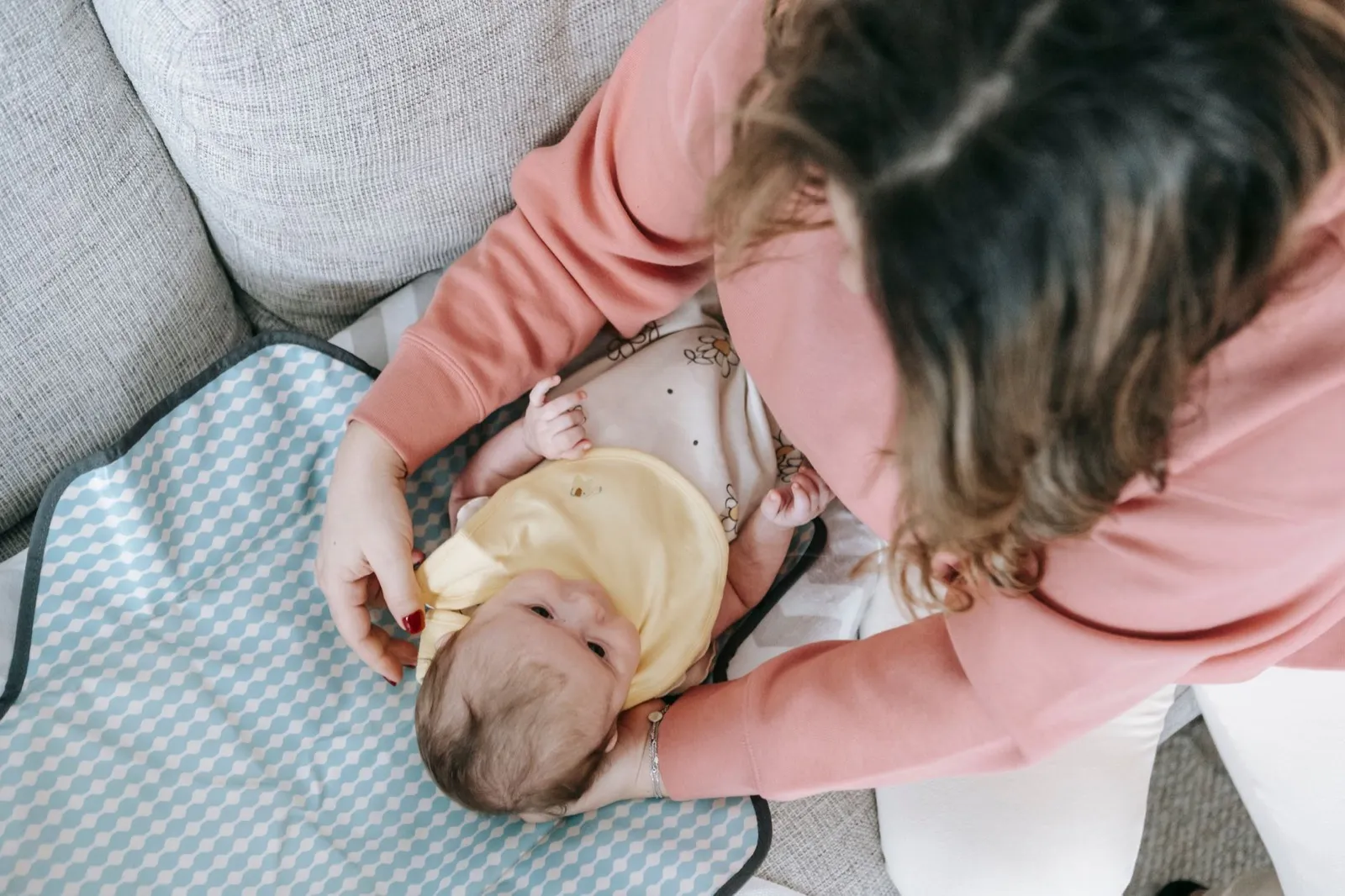
Image Credit: Pexels / Sarah Chai
Shopping for a newborn can make it seem as though you need an entire cupboard of lotions, gadgets and tiny grooming tools before your baby arrives. For everyday hygiene, the list is much shorter.
A practical newborn baby hygiene kit can be built around a few basics: nappies, cotton wool or suitable baby wipes, a changing mat, towels, simple bathing supplies, clean clothes and a safe way to trim your baby’s nails. You can add products later if you discover that your baby actually needs them.
The NHS also advises starting with the essentials rather than buying everything immediately. That is useful to remember when every baby aisle seems to suggest otherwise.
Newborn hygiene essentials at a glance
For a simple starter kit, consider having:
- newborn nappies
- cotton wool
- gentle, non-scented, alcohol-free baby wipes
- a changing mat or washable towel
- a bowl for warm water
- soft towels
- a baby bath or clean washing-up bowl, if you want one
- clean vests and sleepsuits
- barrier cream for the nappy area
- baby nail clippers, round-ended safety scissors or a fine emery board
- bags or a suitable container for dirty nappies
You do not necessarily need every item on this list from day one. For example, you can use cotton wool and warm water instead of wipes, and a clean washing-up bowl can be used instead of buying a dedicated baby bath.
The aim is to make everyday care easier, not to build the biggest possible collection of baby products.
What you need for nappy changes
Nappy changes will make up a large part of your newborn’s daily hygiene routine, so this is the best place to concentrate your supplies.
Nappies
You will obviously need a supply of nappies, either disposable, reusable or a combination of both.
There is no single correct choice. Cost, convenience, laundry arrangements and your own preferences all matter.
Avoid buying an enormous stock of one newborn size before your baby arrives. Babies grow at different rates, and you may find that a different size or style fits your baby better.
A changing mat or towel
A wipe-clean changing mat is convenient, but it is not essential. The NHS also suggests using a towel for nappy changes.
Changing your baby on a mat or towel on the floor can be particularly practical because there is no risk of your baby falling from a raised surface.
If you use a changing table, stay with your baby at all times. Never rely on straps to keep them safe while you step away.
Cotton wool and warm water
Cotton wool is one of the simplest newborn hygiene supplies to keep at home.
The NHS recommends cotton wool and warm water as one option for cleaning the nappy area. It is also useful for topping and tailing, including gently washing your baby’s face and skin folds.
Keep a clean bowl nearby that you can fill with fresh warm water when needed.
Baby wipes
Wipes can be convenient, particularly when you are away from home.
The NHS recommends gentle, non-scented, alcohol-free wipes for nappy changing. If you are buying wipes before your baby arrives, choosing a simple fragrance-free option avoids stocking up on products your baby’s skin may not tolerate well.
You do not need wipes for every clean-up if cotton wool and water work well for you.
Barrier cream
The NHS includes barrier cream among useful nappy-changing supplies because it can help protect the skin.
You do not need a shelf full of different creams. One suitable barrier product is enough to start with.
If your baby develops persistent, severe or unusual-looking nappy rash, ask a pharmacist, health visitor or GP for advice rather than repeatedly trying new products.
Somewhere for dirty nappies
A special nappy disposal system is optional.
For disposable nappies, the NHS advises rolling the used nappy up, resealing it with its tabs and placing it into a bag kept for nappies before putting it into an outside bin.
If you plan to use reusable nappies, follow the manufacturer’s washing and storage instructions.
What you need for washing and bathing
Newborns do not need a complicated bathing routine or a bathroom full of toiletries.
The NHS says babies do not need a bath every day. You may prefer to wash your baby’s face, neck, hands and bottom between baths, a method commonly known as topping and tailing.
A baby bath, bowl or sink
A dedicated baby bath can be convenient, but it is not the only option.
NHS guidance suggests a baby bath, a clean washing-up bowl or a suitable sink for bathing. For topping and tailing, you simply need a bowl of warm water.
Whichever option you use, never leave your baby alone in or around bath water, even for a moment.
Soft towels
Have at least one clean, soft towel ready before you start washing your baby.
Two can be useful for bath time, particularly when you want one ready for your baby’s body while another is available for their hair or as a spare.
Hooded baby towels are popular but optional. An ordinary clean, soft towel works too.
Cotton wool
The same cotton wool you keep at your changing station can be used for washing your newborn.
For topping and tailing, NHS guidance recommends using fresh cotton wool to clean different areas. A separate piece should be used for each eye, wiping gently from the nose outwards.
Do not use cotton buds inside your baby’s ears.
Baby cleanser
You do not need to buy several washes, shampoos and soaps before your baby arrives.
The NHS says you can use water for bathing and notes that plain water is best for a baby’s skin in the first month. If you later choose to use a cleanser, select one that is suitable for babies.
Simple is perfectly adequate.
What do you need for umbilical cord care?
Very little.
The NHS advises keeping the umbilical cord stump clean and dry until it falls off naturally. You only need to wash around it if it becomes dirty with wee or poo.
If that happens, use fresh cotton wool and warm water, then gently pat the area dry with a clean towel.
This means you do not need to create a separate collection of cord-cleaning products for routine care.
Do not routinely apply powders, creams or other products to the stump unless a healthcare professional has specifically advised you to.
What you need for baby’s nails
Newborn nails can be surprisingly long and sharp.
The NHS recommends special baby nail clippers or small, round-ended safety scissors rather than adult nail tools. A fine emery board is another option for gently filing the nails.
You only need one of these methods.
It can be easier to trim nails while your baby is asleep or relaxed because their hands are less likely to move suddenly.
Keep whichever tool you choose somewhere secure and out of reach of children.
What about cleaning baby’s ears and nose?
You do not need special tools for routine cleaning inside your newborn’s ears.
The NHS advises cleaning around the outside of the ears during washing, but not putting cotton buds inside them.
Your baby’s face and the outside of the nose can usually be cleaned gently with water and cotton wool as part of normal washing.
Avoid inserting objects into the nostrils or ear canals.
If your baby appears to have a blocked nose that is affecting feeding or breathing, or you are worried about discharge from an ear, ask a healthcare professional for advice rather than trying to clean deeply yourself.
Do you need baby powder?
Baby powder is not an essential newborn hygiene product.
You can leave it off your shopping list unless a healthcare professional has specifically recommended a particular product for a particular reason.
For the nappy area, the NHS focuses on frequent changes, gentle cleaning, careful drying and appropriate barrier cream. NHS guidance for nappy rash specifically advises against using talcum powder on affected skin.
Removing unnecessary products from your list also keeps the changing area less cluttered.
Do you need lots of baby skincare products?
Probably not at the beginning.
Newborn skin can be delicate, and more products do not automatically mean better care. Plain water can handle much of everyday washing during the early weeks.
You may later find that your baby benefits from a particular emollient or skincare product. If their skin becomes persistently dry, inflamed, cracked or sore, speak to your health visitor, pharmacist or GP about what is appropriate.
There is little benefit in buying multiple lotions and oils in advance when you do not yet know what your baby’s skin will need.
Hygiene essentials for your changing bag
You do not need to carry your entire home hygiene kit every time you leave the house.
A small changing pouch can contain:
- spare nappies
- suitable baby wipes or your preferred cleaning supplies
- a portable changing mat
- nappy bags
- a spare vest or sleepsuit
- barrier cream if you regularly use it
The exact contents will depend on where you are going and how long you expect to be away.
Keeping a small pouch permanently packed can make leaving the house easier, particularly during the newborn weeks when remembering everything can feel like a task in itself.
What can you skip at first?
This will vary between families, but many products marketed for newborn hygiene are conveniences rather than necessities.
You may not need:
- a dedicated nappy bin
- a wipe warmer
- several different baby washes
- multiple shampoos
- baby perfume or fragranced skincare
- a dedicated bath thermometer if you are following NHS guidance to check that water feels warm rather than hot with your wrist or elbow
- several types of nappy cream
- an elaborate baby grooming set
- a separate cord-care kit
Some parents love particular gadgets, and there is nothing wrong with buying something that genuinely makes everyday care easier for you. The distinction is simply that useful and essential are not always the same thing.
Start small. Once your baby is here, it becomes much clearer which extras would actually help.
A simple way to organise your newborn hygiene kit
You do not need a perfectly styled changing station. You need the things you use most within easy reach while keeping unsafe items away from your baby.
One basket or caddy can hold nappies, cotton wool, wipes and barrier cream. Keep clean clothes nearby and have a separate place for towels and bathing supplies.
Before every nappy change or bath, gather what you need first.
This matters for convenience, but it also matters for safety. The NHS advises never leaving a baby unattended on a changing table or in the bath.
A simple set-up that allows you to stay beside your baby is more useful than an elaborate one that looks organised but forces you to walk across the room for supplies.
When to get professional advice
Everyday hygiene should generally be gentle and straightforward, but skin and cord problems sometimes need professional advice.
Speak to your health visitor, pharmacist or GP if your baby develops a rash that is persistent, worsening or causing significant discomfort, or if you are unsure which skincare products are suitable.
Seek advice if the umbilical cord area becomes increasingly red or swollen, has discharge or persistent bleeding, or otherwise concerns you.
If your baby seems unwell, has difficulty breathing, is unusually difficult to wake, is feeding much less than usual or you have another urgent concern about a newborn, seek prompt medical advice. Do not rely on hygiene or skincare changes to treat symptoms of illness.
Your midwife and health visitor are also useful sources of advice during the newborn period. There is no need to wait until something feels serious before asking a question.
Related reading
- Baby Hygiene Checklist: What You Need for Everyday Care
- How to Bathe a Newborn Before the Umbilical Cord Falls Off
- How to Change a Baby’s Nappy: A Step-by-Step Guide