Best First Foods for Babies: What to Offer When Starting Solids
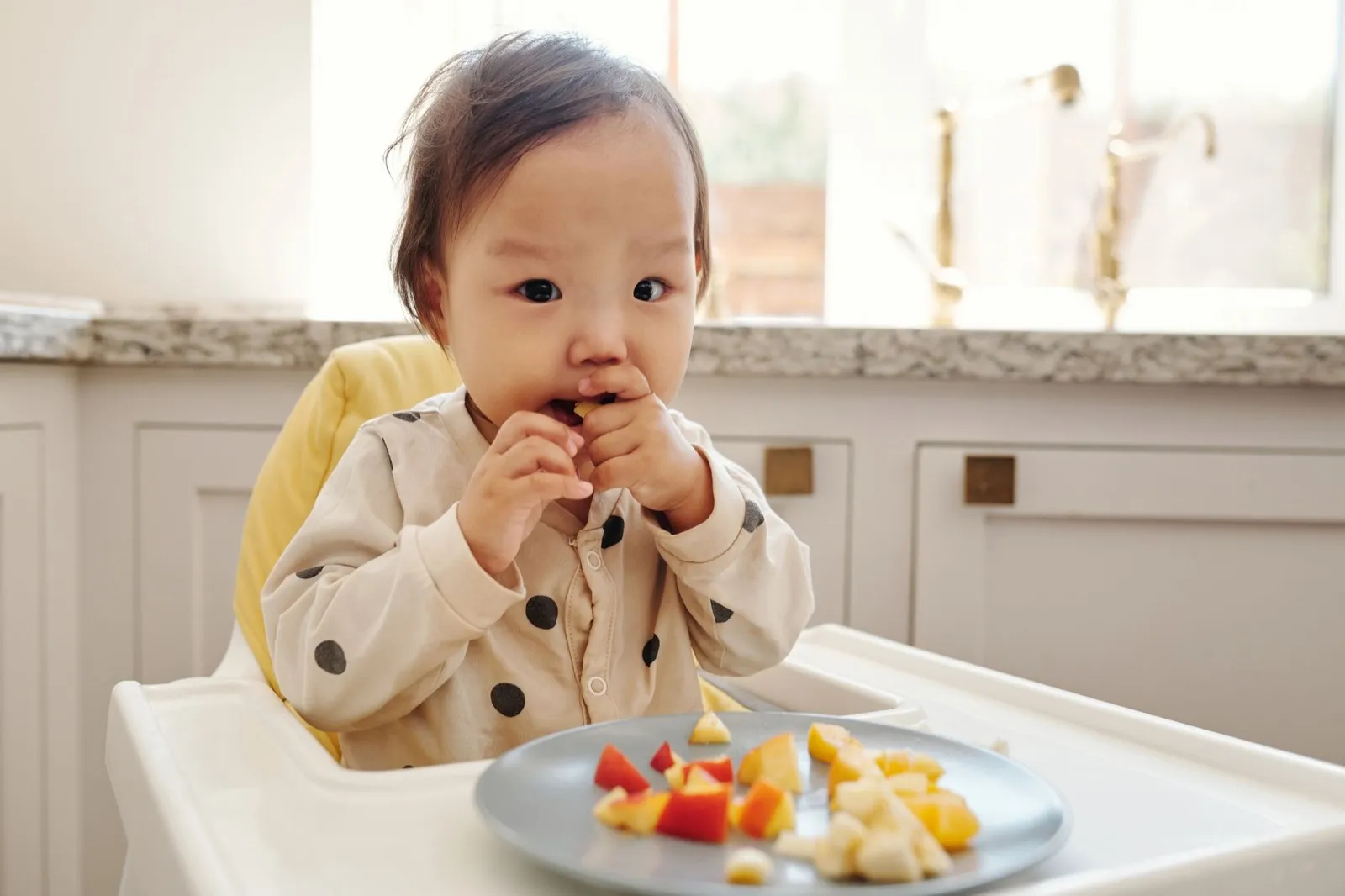
Image Credit: Pexels / Vanessa Loring
Some of the best first foods for babies are simple, everyday foods prepared in a texture they can manage. Soft-cooked vegetables, soft fruit, potatoes and other starchy foods, beans and lentils, eggs, fish, meat, plain full-fat yoghurt and pasteurised cheese can all form part of a varied diet once your baby is ready to start solids.
You do not need to find one perfect first food. The NHS recommends introducing a variety of foods and flavours from around 6 months, alongside your baby’s usual breast milk or first infant formula. In the early days, small amounts are enough while your baby gets used to eating.
What are the best first foods for babies?
A useful starting point is variety rather than a rigid list. Babies can gradually explore foods from different food groups, prepared so the texture and shape are appropriate for their stage.
The NHS suggests suitable foods including:
- soft-cooked vegetables
- soft or appropriately prepared fruit
- potatoes, rice, pasta and other starchy foods
- beans, lentils and other pulses
- eggs
- fish without bones
- meat without bones
- pasteurised full-fat plain yoghurt
- pasteurised cheese, choosing lower-salt options
Breast milk or first infant formula remains an important source of energy and nutrients while solid foods are being introduced.
There is also no need to make every first food sweet. The NHS encourages offering vegetables that are not sweet, such as broccoli, cauliflower and spinach, as part of helping babies become familiar with a range of flavours.
Vegetables to try as first foods
Vegetables are an easy place to begin because there are plenty of flavours and textures to explore.
Suitable options can include:
- broccoli
- cauliflower
- courgette
- spinach
- peas
- carrot
- parsnip
- butternut squash
- sweet potato
Cook vegetables until they are soft enough for your baby’s stage of eating. Depending on how you choose to feed, they might be mashed, puréed or offered as appropriately prepared soft finger foods.
Offering both sweeter and more savoury or slightly bitter vegetables can expose your baby to a broader range of tastes from the beginning.
Do not add salt, stock cubes or gravy to your baby’s vegetables or cooking water. NHS guidance states that babies do not need salt added to their food.
Fruit to offer when starting solids
Soft fruit can be another simple first food.
The NHS includes options such as:
- banana
- melon
- peach
- avocado
- pear
- apple
Naturally soft fruits can be mashed or offered in a suitable finger-food shape. Harder fruits such as apple and pear can be cooked until soft without adding sugar.
Fruit does not need added sugar, syrup or sweeteners. Babies are already discovering plenty of new flavours without them.
Fruit can be part of a varied diet, but it does not need to dominate those early meals. Mixing fruit with vegetables, starchy foods and protein-rich foods helps introduce your baby to a wider selection of tastes and nutrients.
Protein-rich first foods
Protein-rich foods are worth including as your baby’s diet starts to become more varied.
Suitable options listed by the NHS include beans and pulses, fish, eggs and meat. For families who do not eat meat or fish, foods such as lentils, beans, chickpeas and other pulses can contribute to a varied diet.
Examples include:
- well-cooked lentils
- soft beans
- chickpeas
- well-cooked egg
- fish with all bones carefully removed
- tender meat with bones removed
The texture needs to suit your baby’s eating skills. Beans or lentils, for example, can be mashed, while other foods can be prepared in soft pieces where appropriate.
The World Health Organization recommends dietary variety during complementary feeding, rather than relying heavily on a narrow range of foods.
Starchy foods for babies
Starchy foods can also be introduced from around 6 months.
NHS examples include:
- potato
- sweet potato
- rice
- pasta
- noodles
- bread
- chapatti
These foods can be combined with vegetables, pulses, meat, fish or other suitable foods as your baby becomes accustomed to eating.
Check packaged foods for added salt and sugar where relevant. Babies do not need either added to their meals.
Can babies have yoghurt and cheese?
Yes, suitable dairy foods can be introduced from around 6 months according to NHS guidance.
Pasteurised full-fat plain yoghurt, fromage frais and pasteurised cheese are options. Choose yoghurt without added sugar and lower-salt cheese where possible.
Cow’s milk can also be used in cooking or mixed into food from around 6 months. However, the NHS advises that cow’s milk should not be given as a main drink until a baby is 12 months old.
This distinction can be confusing at first. Using a little cow’s milk in food is different from replacing breast milk or infant formula with cow’s milk as your baby’s main drink.
Purées, mashed foods or finger foods?
You do not have to commit to one feeding style.
Some parents start with smooth or mashed foods offered on a spoon. Others use baby-led weaning and offer suitable finger foods from the beginning. Many families combine both approaches.
The NHS states that there is no right or wrong choice between baby-led weaning and spoon feeding. What matters is offering a varied diet that provides the nutrients your baby needs.
If offering finger foods, the NHS recommends starting with foods that break up easily in the mouth and pieces that are long enough for a baby to grip. Hard foods such as whole nuts and raw carrot or apple should be avoided because of choking risk.
Whatever method you use, stay with your baby while they eat and make sure they are sitting safely upright.
What about foods that can cause allergies?
Foods that commonly cause allergic reactions can be introduced from around 6 months alongside other foods, according to the NHS.
These include foods such as:
- eggs
- peanuts and other nuts
- foods containing gluten
- fish and shellfish
- cow’s milk
- soya
The NHS recommends introducing foods that can trigger allergic reactions one at a time and in small amounts so that it is easier to identify a reaction.
Whole nuts should not be given to babies and young children because they are a choking hazard. Nuts need to be offered in a suitable form for your baby’s age and stage.
Once a food that may cause an allergy has been introduced and tolerated, NHS guidance advises continuing to include it as part of your baby’s usual diet.
If your baby has an existing allergy, eczema or a family history of food allergies, speak to your GP or health visitor before introducing foods that may trigger an allergic reaction.
Foods not to add to your baby’s first meals
Simple foods are often easiest at this stage, and there are a few ingredients babies do not need.
Do not add salt or sugar to your baby’s food. This includes avoiding salt-containing additions such as stock cubes and gravy.
Honey should not be given to babies under 12 months because it can occasionally contain bacteria that produce toxins in a baby’s intestines and can cause infant botulism.
Whole nuts should not be given to children under 5 because of choking risk.
There are additional foods and drinks that need particular care or should be avoided during infancy, so check current NHS guidance when introducing something you are unsure about.
How much food should you offer at first?
Those first tastes do not need to resemble a full meal.
The NHS advises that babies only need a small amount of food at the beginning. Getting used to new tastes and textures, learning to move food around the mouth and learning to swallow are the priorities.
Your baby will still be receiving most of their energy and nutrients from breast milk or first infant formula at first.
Try to follow your baby’s cues. Give them time, allow them to explore and stop when they show that they have had enough. WHO guidance supports responsive feeding, which means responding to signs of hunger and fullness and encouraging a child without forcing them to eat.
Some foods may be accepted immediately while others take more attempts. A rejected spoonful does not necessarily mean that food needs to disappear from the menu permanently.
A simple way to think about first foods
You do not need an elaborate meal plan for your baby’s first few tastes.
Think about gradually introducing variety across the foods your family already eats, where those foods can be safely adapted for your baby. Over time, that might mean offering different vegetables and fruits, a starchy food, protein-rich foods and suitable dairy foods.
Keep added salt and sugar out, prepare foods in a safe texture, and let your baby become familiar with eating at their own pace.
Starting solids is a learning process as much as a nutritional change. A squashed piece of broccoli, a spoonful of lentils or a little plain yoghurt may look very ordinary, but for a baby experiencing it for the first time, there is plenty to discover.
When to get professional advice
Speak to your health visitor, GP or another qualified healthcare professional if you are unsure whether your baby is ready to begin solids, if your baby was born prematurely, or if there are concerns about feeding, swallowing, growth or development.
Ask for individual advice before introducing foods that may cause an allergic reaction if your baby already has an allergy or eczema, or if there is a family history of food allergies.
If your baby develops symptoms that you think may be an allergic reaction after eating, follow NHS guidance and seek medical advice. Call 999 for a severe allergic reaction or other medical emergency.
Choking is different from gagging and requires immediate action. Stay with your baby whenever they eat and familiarise yourself with NHS guidance on choking and first aid before starting solids.
Related reading
- How to Prepare Baby’s First Foods Safely
- Finger Foods for Babies: When and How to Introduce Them
- Baby Food Texture by Age: From Purées to Finger Foods