Cheap Hobbies That Don't Cost a Fortune to Start
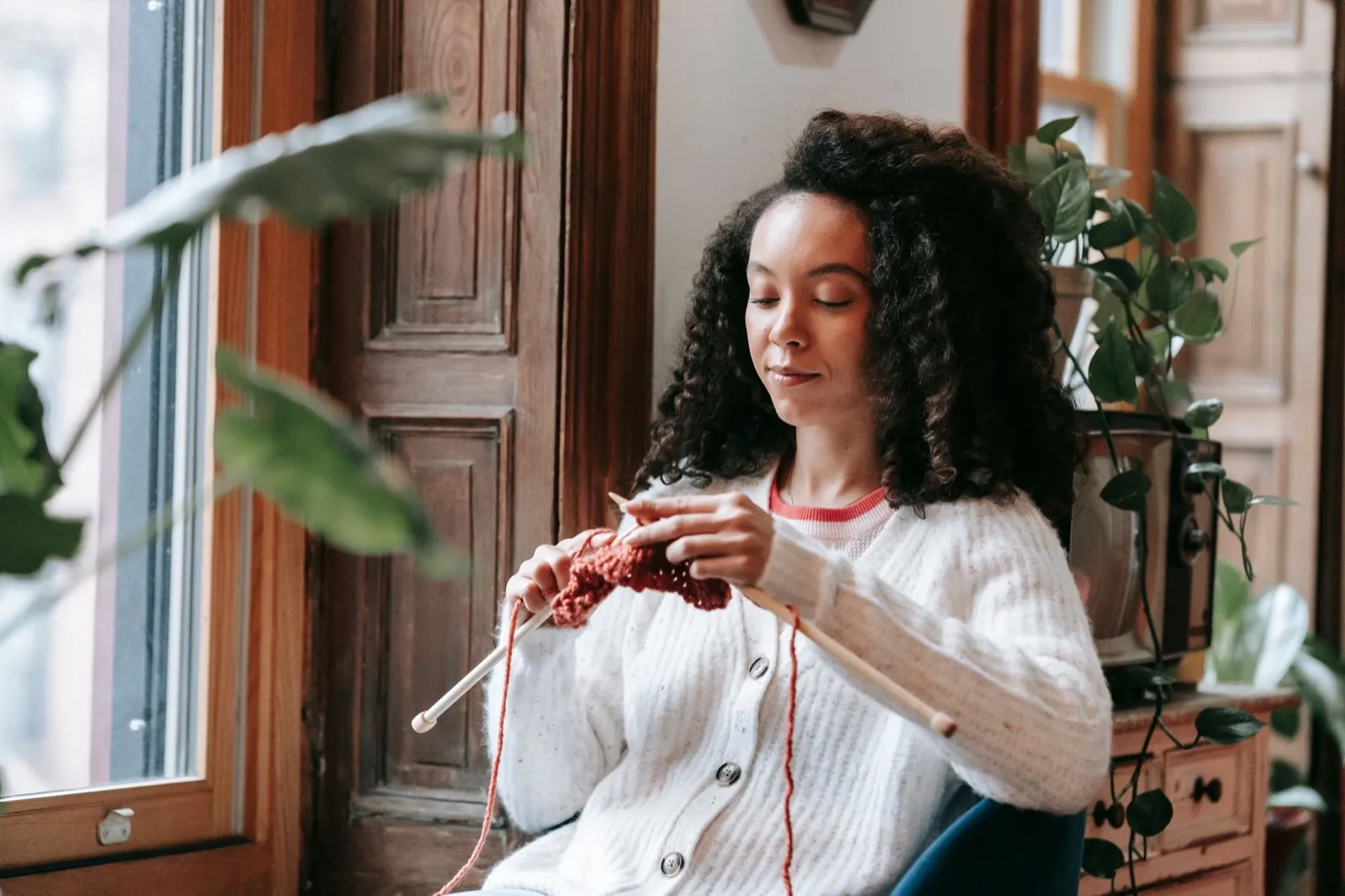
Image Credit: Pexels / Miriam Alonso
A cheap hobby should feel like a source of interest, not another place where you are told to make do. The useful question is not “What costs nothing forever?” but “What can I try without risking money I need elsewhere?” Many satisfying hobbies begin with a library card, a borrowed tool, a public path or a notebook you already own.
Start with a small budget ceiling. It might be zero, the cost of a bus fare or one low-priced taster. Do not buy a complete kit until you know you enjoy the activity. This protects both your money and the fun of being a beginner.
Free hobbies that offer a real change of scene
Use your local library
Libraries are a practical starting point for reading, audiobooks, magazines, local history and often free groups. LibraryOn describes libraries as community hubs and lists activities such as book groups, craft and interest groups, games, gardening and local history. Check your branch’s noticeboard, website and social posts, then ask staff what is not advertised online.
Try a “library hobby month”: borrow one book for pleasure, attend one free activity and browse a shelf you would normally ignore. You might discover poetry, a language course, a board-game afternoon or a knitting group without spending anything.
Take themed walks
Walking becomes more absorbing when you give it a theme. Photograph front doors, look for old street names, follow a river, notice birds, sketch a tree or find public art. Use free council maps, heritage trails and library local-history resources. Pack water, check the route and choose a distance that suits your day.
Learn to notice nature
Learn three birds, five common trees or the changing plants on one route. A local wildlife charity or museum may offer free identification sheets and public walks. You do not need specialist binoculars or a rare sighting. The point is to build familiarity with a place.
Write, draw and photograph
Use a pen and paper for a journal, sketchbook, list of overheard phrases, poems or stories. Use your phone to take a photo series: a week of shadows, blue objects, local signs or meals you make. Give the project a boundary, then let it be imperfect.
Low-cost creative hobbies
Mending is a good place to begin because it uses small amounts of thread and can save a favourite item. Learn to sew on a button, patch a hole or reinforce a seam. Visible mending can turn a repair into a design choice, but plain repair is just as satisfying.
Collage needs paper, scissors and glue. Save packaging, leaflets, old magazines and cards, then make postcards or themed pages. Origami uses scrap paper. Air-dry clay can be shared between friends. A simple watercolour pan set can last a while, but pencils and colouring are equally valid.
For cooking, avoid the trap of buying ingredients for a complicated recipe you will only make once. Choose one affordable dish with overlapping ingredients, such as soup, flatbread, traybakes, dhal or pasta sauce. Borrow cookbooks and keep notes about what you actually want to repeat.
Cheap social hobbies
Ask a friend to start a regular walking date, cook one meal together, swap books, watch a film with a theme or play a card game. Consistency matters more than elaborate plans. A fortnightly hour at home can be more sustainable than expensive nights out.
Community centres, faith spaces, libraries and local charities often host low-cost groups. Look for choirs, repair cafés, craft circles, public talks, games nights and gardening sessions. Contact organisers about fees, concessions, equipment and whether you can try once. If an event says “donation welcome”, give only what you comfortably can.
Volunteering can also be a hobby-like way to meet people and learn skills, but it should not cost you more than you can afford. Ask about travel reimbursement, training, shift length and flexibility before you agree.
Affordable ways to be active
The UK Chief Medical Officers recommend finding activity that fits your life and say any activity is better than none. You do not need a gym membership to move for enjoyment. Walking, dancing at home, gardening, cycling on a borrowed bike, swimming at an off-peak public session and community badminton can all be comparatively low-cost.
Check council leisure centres for concession prices, free sessions and equipment hire. Look for local walking groups and parkrun if walking, jogging or volunteering appeals. Choose a pace that feels safe for you. The hobby does not have to become a fitness identity.
Borrow, swap and buy second-hand
Before buying, try these routes:
- Ask friends or family whether you can borrow a book, instrument, bike, puzzle or sewing machine.
- Search your library for lending schemes, maker sessions or equipment.
- Look for tool libraries and repair cafés in your area.
- Buy second-hand only after trying the hobby a few times.
- Share consumables, such as yarn or paint, with someone else.
- Put a waiting period between interest and a larger purchase.
Second-hand shops can be excellent for wool, frames, cookware, sportswear and books, but they can also create clutter. Buy for a specific next step, not for the fantasy version of the hobby.
Plan for the costs people forget
The price of a class may exclude materials, firing, travel, membership or insurance. Outdoor hobbies may need weatherproof clothes, transport or a map. Ask what is included before booking. If a hobby needs ongoing costs you cannot meet, it is sensible to choose a related version: sketching instead of expensive painting, walking instead of trail running kit, library books instead of collecting new releases.
Making a hobby affordable is not about deprivation. It is about keeping room for pleasure without creating financial stress.
Try a four-week no-spend experiment
If money is tight, give yourself four weeks in which the only rule is to try interests using what is already available. Week one might be a library visit and a themed walk. Week two could be a drawing prompt and a recipe from ingredients already in the cupboard. Week three could be a free community event or a borrowed jigsaw. In week four, revisit the activity that held your attention most.
This is not a challenge to avoid all spending or to prove that free time must be economical. It is a way to make the first decision easier. At the end, ask whether a small purchase would genuinely help: perhaps a decent pen, a pool entry, a used pair of walking shoes or a single class. Spend because you have evidence that the hobby fits, not because a beginner kit made a promise.
Keep an eye on the costs that make an activity feel less accessible, too. A free event may still require a bus fare, childcare or food out. An online course may need quiet time and reliable internet. Choosing a more local, shorter or home-based version is an adjustment, not a lesser hobby. You are allowed to enjoy what is possible now.
Make a small hobby budget work harder
If you can put aside a little money, decide what removes the biggest barrier rather than buying the most supplies. A bus ticket to a free museum, one pool session, a basic repair needle or printing a local walking map may make a hobby possible. Keep a note of recurring costs and choose one paid activity at a time.
Swap and share when that sounds pleasant. Arrange a book exchange, borrow a puzzle, split a packet of seeds or trade craft leftovers with a friend. Be clear about return dates and condition so borrowing stays easy. You can also use a “one in, one out” rule for materials in a small home.
Paid teaching is worthwhile when it gives you equipment, instruction or access that you could not get alone. A one-off class can tell you far more than a cupboard full of unopened kit. Ask whether there is a concession, taster, or materials-included option before booking.
Frequently asked questions
What is the cheapest hobby to start?
Walking with a theme, drawing, writing, reading through the library, photography on a phone and local history research can start at little or no cost. The best choice is one you will genuinely want to return to.
Are free groups really welcoming to beginners?
Many are, but it is reasonable to check. Send a short message asking whether newcomers need to book, bring anything or have prior experience. Leave if the atmosphere is not right for you.
How do I stop spending too much on supplies?
Set a first-try budget, keep a list before shopping and wait until you have used the basic materials several times. Borrow or buy used where possible.
When to get professional advice
Enjoyable activities can support daily wellbeing, but they are not a replacement for professional support. Speak to a GP or qualified mental health professional if persistent low mood, anxiety or financial stress is affecting your ability to cope. Seek medical advice before starting demanding physical activity if you have a relevant health concern or injury.
Related reading
- Self-Care Ideas That Don’t Cost Any Money
- 50 Hobbies for Women Who Want to Try Something New
- How to Romanticise Your Life Without Spending a Fortune