Creative Hobbies for Adults Who Need a Break From Screens
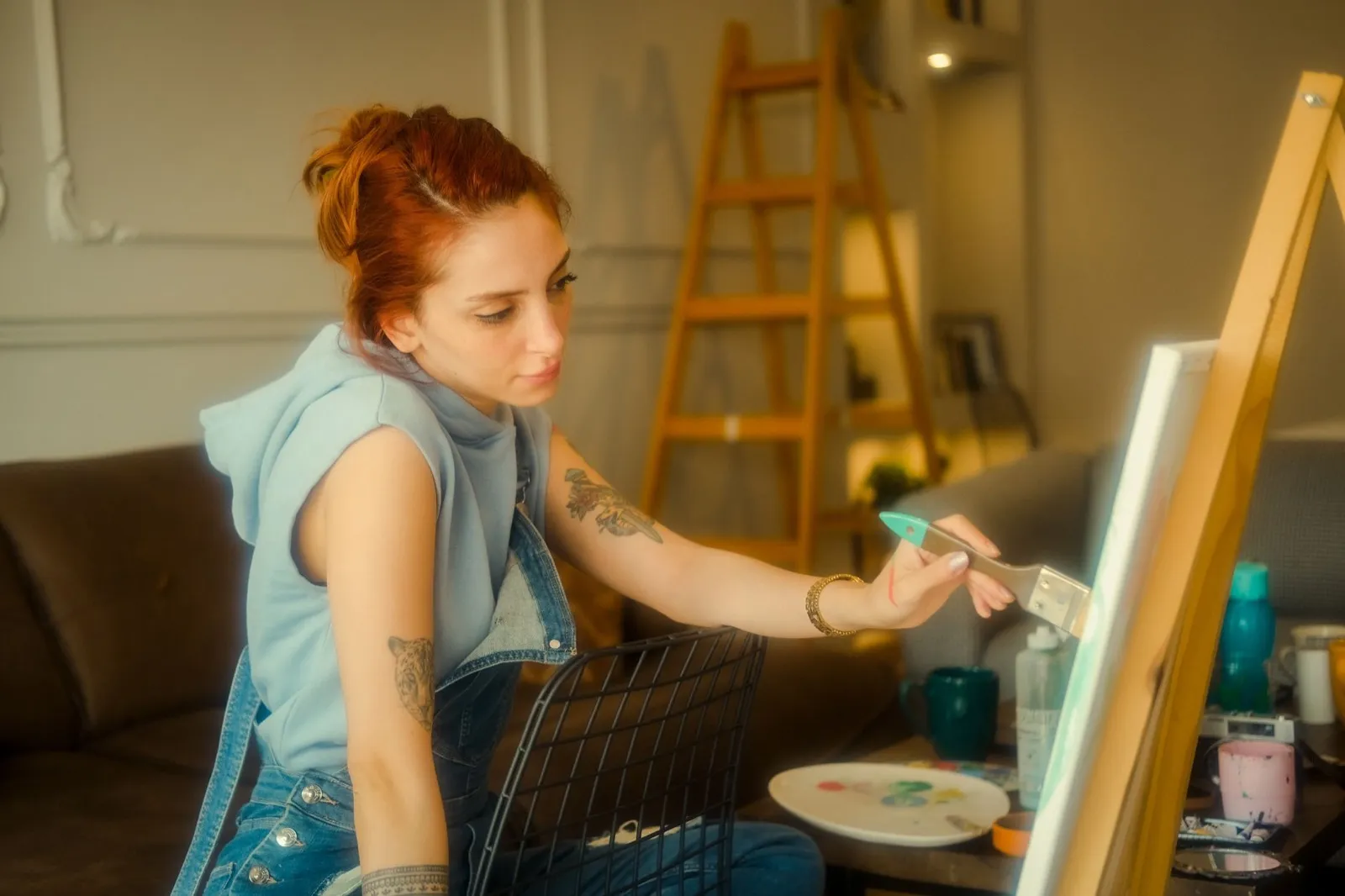
Image Credit: Pexels / Zeynep Sude Emek
A break from screens does not have to mean banning them or becoming exceptionally productive. It can mean giving your eyes, hands and attention a different job for half an hour. A creative hobby is useful here because it offers something to look at, touch and return to without needing to be good at it.
Choose an activity with a small beginning and a physical stopping point. One drawing, one page, one stitch pattern or one simple recipe is enough. Put your phone in another room if notifications pull you away, but keep it nearby if you need it for access, safety or a tutorial. The aim is relief, not rules.
Start with the least intimidating materials
Pencil drawing
Drawing is one of the easiest creative hobbies to begin because paper and a pencil are enough. Draw objects that do not move: a mug, spoon, shoe, plant or hand. Look for shapes and shadows rather than trying to make a perfect picture. Set a timer for ten minutes, date the page and turn it over when you are done.
A sketchbook is not a test. Use cheap paper, draw badly on purpose and leave pages unfinished. If you enjoy observing but not drawing, try making tiny visual lists: the shapes of leaves, windows on your street or patterns on fabric.
Collage and paper play
Collage is ideal if blank paper makes you freeze. Collect old magazines, packaging, receipts, coloured paper and postcards. Cut out colours, textures and words, then arrange them without a plan. Make a page about a season, an imaginary room, favourite meals or a fictional character.
Origami and paper cutting offer a more structured alternative. Start with a basic fold from scrap paper. It is repetitive in a soothing way, and you can stop after one shape without a mess of expensive materials.
Writing by hand
Write a page about what you noticed today, describe an object you own, make a list of childhood games or write a letter you will not send. Handwriting changes the pace of thought for many people, but it does not need to be neat. Keep one notebook for fragments and one for longer ideas only if that feels helpful.
Try a “six sentence story”: one sentence for who, where, what changed, what was noticed, what was wanted and what happened next. The small container prevents the activity becoming a huge ambition.
Creative hobbies that use your hands
Mending, knitting, crochet, embroidery and simple sewing are satisfying because the work is tactile and cumulative. Start with a button, straight running stitch or a crochet chain. A local library or craft group can be a kinder place to learn than trying to decode every variation alone.
Visible mending is practical and expressive, but plain repair is just as worthwhile. Use a scrap of fabric to practise first. For knitting or crochet, buy one ball of yarn and one suitable needle or hook rather than a large kit. If your hands tire or ache, take breaks, use larger tools or choose another craft.
Air-dry clay, salt dough and simple model-making can also be playful. Make a small dish, bead, ornament or figure. Follow any product safety instructions, protect the surface you are working on and let the result be lumpy.
Make creativity part of ordinary life
Cooking, gardening and arranging flowers can be creative hobbies when you approach them with curiosity. Borrow a cookbook and make a new version of a familiar dish. Learn one herb, grow something in a pot or make a small seasonal arrangement from shop flowers or foliage you are permitted to gather.
Photography can become more screen-light by taking pictures on a phone, then choosing only a few to print, paste into a notebook or describe in words. Give yourself a weekly theme rather than scrolling through hundreds of images.
Music also belongs here. Sing along to an album, learn a simple rhythm on a borrowed instrument or make a handwritten playlist. Community choirs often welcome beginners and can offer an offline creative hour with other people.
Make a screen break easier to repeat
Prepare a small “start here” box: pencil, notebook, scissors, glue, yarn or a library book. Leave it somewhere you naturally sit. Decide in advance what counts as enough, such as one page or twenty minutes. This makes the activity available on a tired evening without turning it into a major project.
If tutorials help, use them deliberately. Watch one, write down the three steps you need and put the screen away. You may prefer a library craft book or an in-person beginners’ class, where someone can demonstrate without sending you down an endless search.
Give yourself useful creative constraints
Too much choice can make an offline hobby surprisingly hard to begin. A gentle limitation creates a doorway: use only one colour, draw only objects on the table, write exactly one page, make something from paper already in the house or sew with one thread colour. Constraints are not about making better work. They save you from having to decide everything at once.
You can also keep a “next small thing” note with prompts such as: draw the view from a chair; repair one loose button; write about a smell you remember; make a postcard-sized collage; or cook one dish from a place you want to learn about. On a tired day, choose the first prompt rather than searching for inspiration.
Creative hobbies do not need a large result. Photograph a page before recycling it, put a small drawing on the fridge, give a repaired item another season of use or tuck a handwritten note into a book. These modest endings can make a session feel complete without turning it into a performance.
Share only if sharing adds something
You may want to show a friend a finished page, join a local exhibition or take a class after practising alone. Sharing can offer encouragement and ideas. It is equally fine to keep your work private. Not every creative moment needs a reaction, a photograph or a place online.
If comparison is spoiling the activity, return to a small private prompt for a while. Copying a simple object, making a colour chart or mending something useful can reconnect you with the physical process. The value is in the time you spend making, not in how the work looks next to someone else’s.
Set up a comfortable making space
Use a surface that is easy to clear, with enough light to see what you are doing. Put a cloth, old newspaper or tray underneath paint, glue or clay so cleaning up is not a reason to avoid starting. Keep water, scissors and rubbish close by, then stop before you become overtired or impatient.
Adapt tools to suit your hands and attention. A thicker pen, spring-loaded scissors, a lap tray, a clip to hold paper or a larger crochet hook can make a project more comfortable. If sitting still is difficult, choose standing collage, a short cooking task or a craft that can be done in five-minute pieces.
When a project goes wrong, make one decision before abandoning it: repair, cover, crop, repurpose or leave it as practice. That small choice prevents perfectionism from deciding the whole session was wasted.
A gentle creative routine
Try a three-week experiment:
- Pick one activity that needs very little setup.
- Reserve a realistic twenty-minute slot once or twice a week.
- Put materials out before the slot starts.
- Stop when the time ends, even if you are mid-project.
- Note one detail you enjoyed or would change.
Do not add goals about posting, selling or improving. The experiment is only to discover whether the activity gives you a different kind of attention.
Frequently asked questions
What if I am not creative?
Creativity is not a fixed trait you either possess or lack. Choose a process, not a performance: arrange paper, copy a leaf, repair a button or write six sentences. Interest can come before confidence.
What is a good creative hobby for low energy days?
Colouring, collage, simple hand sewing, listening and making notes, a jigsaw, or reading poetry can work when concentration is limited. Keep the setup small and stop early.
Can I use online tutorials and still take a screen break?
Yes. Use the screen as a short tool rather than the whole activity. Watch one clear demonstration, then make or practise away from it.
When to get professional advice
Creative time may offer a welcome pause, but it is not treatment for persistent distress. Speak to a GP or qualified mental health professional if low mood, anxiety, sleep problems or loss of interest is lasting or making life hard. If pain, numbness or repetitive-strain symptoms affect your hands, seek appropriate clinical advice before pushing through a craft activity.
Related reading
- Hobbies You Can Do at Home When You’re Bored
- Cheap Hobbies That Don’t Cost a Fortune to Start
- How to Romanticise Your Life Without Spending a Fortune