Hobbies You Can Do at Home When You’re Bored
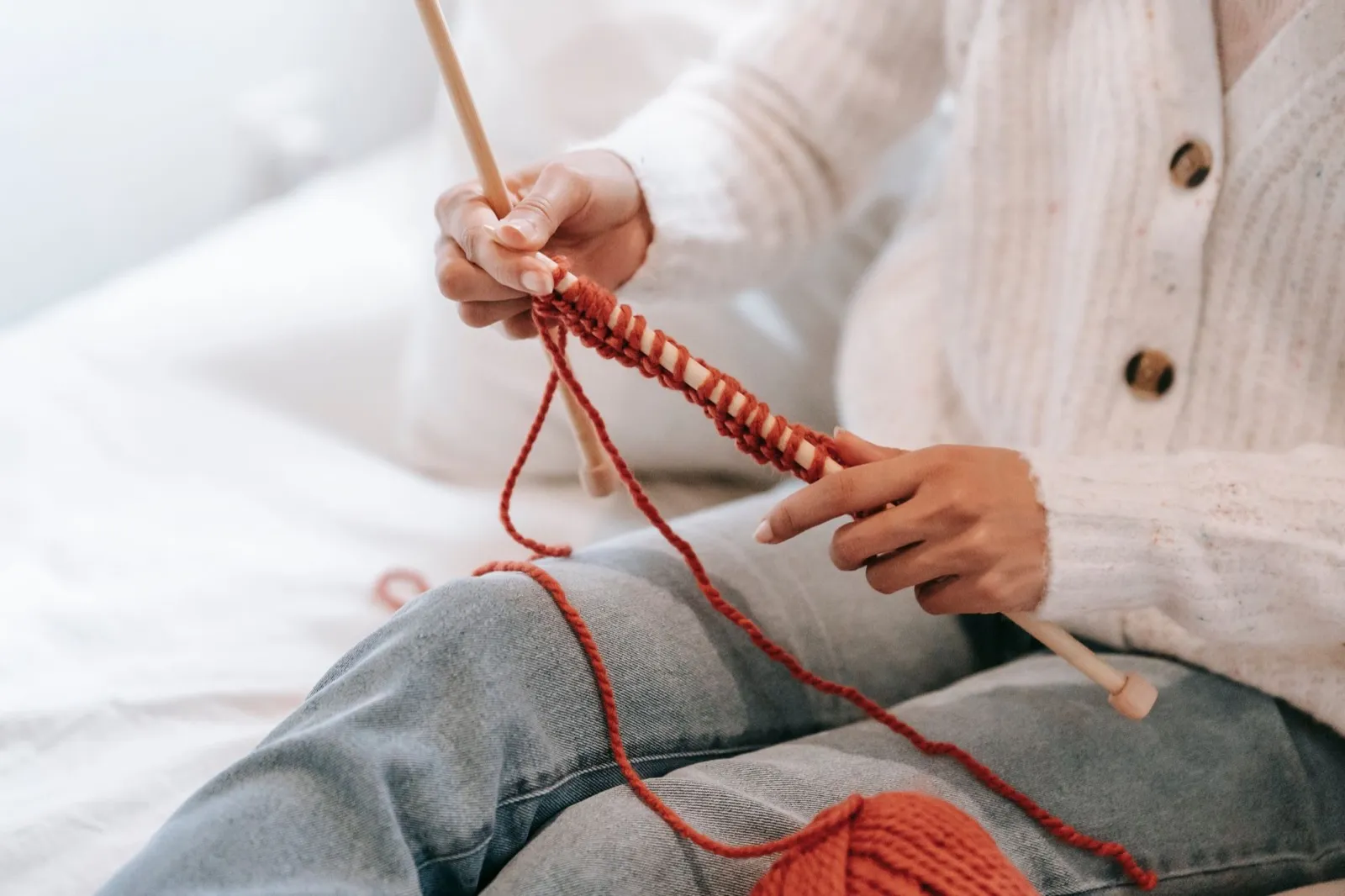
Image Credit: Pexels / Miriam Alonso
When you are bored at home, the answer does not have to be an expensive delivery, a big clear-out or a perfect creative project. Choose something with a small beginning: one page, one recipe, one song, one corner of a sketchbook. A home hobby can be a useful change of pace, not another demand on your evening.
The aim is not to fill every quiet moment. Boredom can be a signal that you want novelty, rest, movement, company or simply less scrolling. Try one category below and notice what kind of boredom it eases. If it does not suit you today, leave it.
Make something with what you have
Draw, paint or collage
Put a pencil, pen and paper on the table and draw what is nearby. A mug, your shoes, a houseplant and your own hand are all valid subjects. Give yourself ten minutes and keep the first attempt. The point is to look, not to produce a wall-worthy image.
For collage, save packaging, magazines, old greetings cards and printed paper. Pick a loose theme: colours that feel calm, meals you want to cook, imaginary book covers or places you would like to walk. Glue sticks and scissors are enough. A digital version using saved phone images also works.
Try a small textile project
Sew a button, mend a tiny hole, learn a basic embroidery stitch or crochet a chain. Search for a beginner tutorial from a library, recognised craft organisation or a maker you trust, then stop after the first skill. You do not need a starter bundle, a colour palette or a plan to sell anything. If yarn and tools are a cost issue, ask a library, community craft group or a friend whether they have leftovers.
Make a tiny book
Fold paper into a booklet and fill it with a week of observations, a film list, recipes you want to try, drawings of windows, poems or family stories. A small format keeps the project finite. You could make one each season and let the collection become its own hobby.
Cook for curiosity, not optimisation
Cooking can be a hobby when it is about interest rather than fixing your diet or feeding people perfectly. Borrow a cookbook, choose one recipe with ingredients you can use again and read it through before starting. A loaf cake, flatbread, soup, dumplings or a regional dish can teach you something without requiring specialist equipment.
Make a personal recipe notebook as you go. Write what you changed, what you would do differently and whether it was worth repeating. Keep food safety practical: wash hands, use clean equipment, follow storage instructions and cook foods thoroughly. If cooking feels like another chore today, choose a recipe for another time and make something easy instead.
Tea tasting is another low-key home hobby. Compare two teas, write down what you notice and learn where they come from. You can do the same with spices, jams, bread or supermarket fruit. You are not training a refined palate; you are paying attention.
Learn in short, enjoyable sessions
Read differently
Read a novel, comic, essay, poetry collection or audiobook. Give yourself permission to stop a book that is not working. Try a themed month: translated fiction, nature writing, mysteries, books under 200 pages or authors from your region. Libraries offer free borrowing and often have e-books and audiobooks as well as physical shelves.
If you want conversation without leaving home, arrange a two-person reading date. Both read for half an hour, then send a voice note about one thing you noticed. It is lighter than a formal book club and does not require matching tastes.
Learn a language or a musical phrase
Language learning works best as a small habit when your schedule is busy. Pick greetings, food vocabulary or a short song in a language that interests you. Say the sounds aloud, write a few words by hand and revisit them next week. Fluency is not the only worthwhile outcome.
For music, use an instrument you can borrow or an app you already have. Learn the chord shape, rhythm or melody of one song. Practise quietly if you share walls. The pleasure can be in hearing a tiny improvement, but it does not need to be.
Explore local history from your sofa
Look at digitised maps, museum collections, old photographs or local newspaper archives available through a library subscription. Research the history of one street, building, park or family object. Keep a list of sources and questions. This is a satisfying hobby because it grows naturally without demanding a weekly appointment.
Use your hands and senses
Jigsaws, crosswords, sudoku, model kits, LEGO, origami and card games can give your hands something to do while you listen to music or radio. Buy second-hand, swap with friends or borrow when possible. Set up a tray if you need to clear the table for meals.
Try houseplant care as observation rather than pressure. Learn the name of one plant, where it naturally grows and how much light it needs. Check the soil before watering, rather than following a rigid schedule. A plant that does not thrive is information about the space, not a verdict on you.
If you have outdoor space, grow herbs or salad leaves in containers. If you do not, a windowsill can still hold a pot of mint or a small vase of cuttings. Community gardens are an option if you want more space and company later.
Add gentle movement without calling it a workout
Put three favourite songs on and dance in your kitchen. Follow a beginner mobility, chair movement or yoga class from a qualified teacher if that appeals. Practise a few beginner dance steps or balance moves while holding a stable surface. Stop if something hurts, makes you dizzy or does not feel right.
The UK Chief Medical Officers emphasise that any activity is better than none and that activity should fit people’s circumstances. At home, that may mean stretching while the kettle boils, practising a seated routine or simply moving to music. It is not a reason to turn every break into exercise.
Create a home hobby shelf
Boredom gets harder to act on when everything is hidden. Keep a small box or shelf with the materials for two or three hobbies: notebook and pens, a puzzle book, yarn, a library book, seed packets or cards. Make the options visible but modest. A hobby shelf should make starting easier, not become a pile of supplies you feel guilty about.
Choose the activity by your energy:
- Very low energy: audiobook, colouring, a puzzle, photo sorting or a comfort film list.
- Some focus: reading, knitting practice, a simple recipe, language flashcards or a jigsaw.
- Restless energy: dance, cleaning and rearranging a small display, indoor gardening or a craft with your hands.
- Wanting company: a video call craft session, online quiz, shared watch-along or message to arrange a future class.
Avoid turning hobbies into more screen time
Online tutorials are helpful, but endless searching for the perfect tutorial can become the activity itself. Set a short limit: watch one beginner video, gather materials, then put the phone on charge across the room. If an app is the hobby, such as language learning or photography, decide when you are finished before you start.
It is also fine to use a screen deliberately. A film club, online course, digital drawing session or video call with a friend can be meaningful. The question is whether you feel more interested afterwards, not whether the activity was perfectly offline.
Frequently asked questions
What can I do at home when I am bored and have no money?
Draw with a pen, read library e-books, write a list of observations, photograph objects on your phone, try a free local-history collection, cook from what you have, listen to radio or take a themed walk near home.
What is a good hobby for someone who gets bored quickly?
Try hobbies with short rounds and visible endings: a crossword, sketch, recipe, chapter, song or small repair. Rotate between two or three rather than forcing one activity to hold your attention forever.
Do I need to finish projects?
No. Finished projects can be satisfying, but unfinished work also teaches you what you enjoyed and what you did not. Keep, reuse, gift or recycle materials without guilt.
When to get professional advice
A hobby can offer a pause, but it cannot treat persistent low mood, anxiety, sleep problems or loss of interest. Speak to a GP or qualified mental health professional if these are lasting or affecting daily life. Seek individual medical advice before beginning physical activity if you have a health concern, injury or symptoms that make movement unsafe.
Related reading
- 50 Hobbies for Women Who Want to Try Something New
- Self-Care Ideas That Don’t Cost Any Money
- How to Romanticise Your Life Without Spending a Fortune