Hair Colour Guide: Choosing, Dyeing and Caring for Coloured Hair
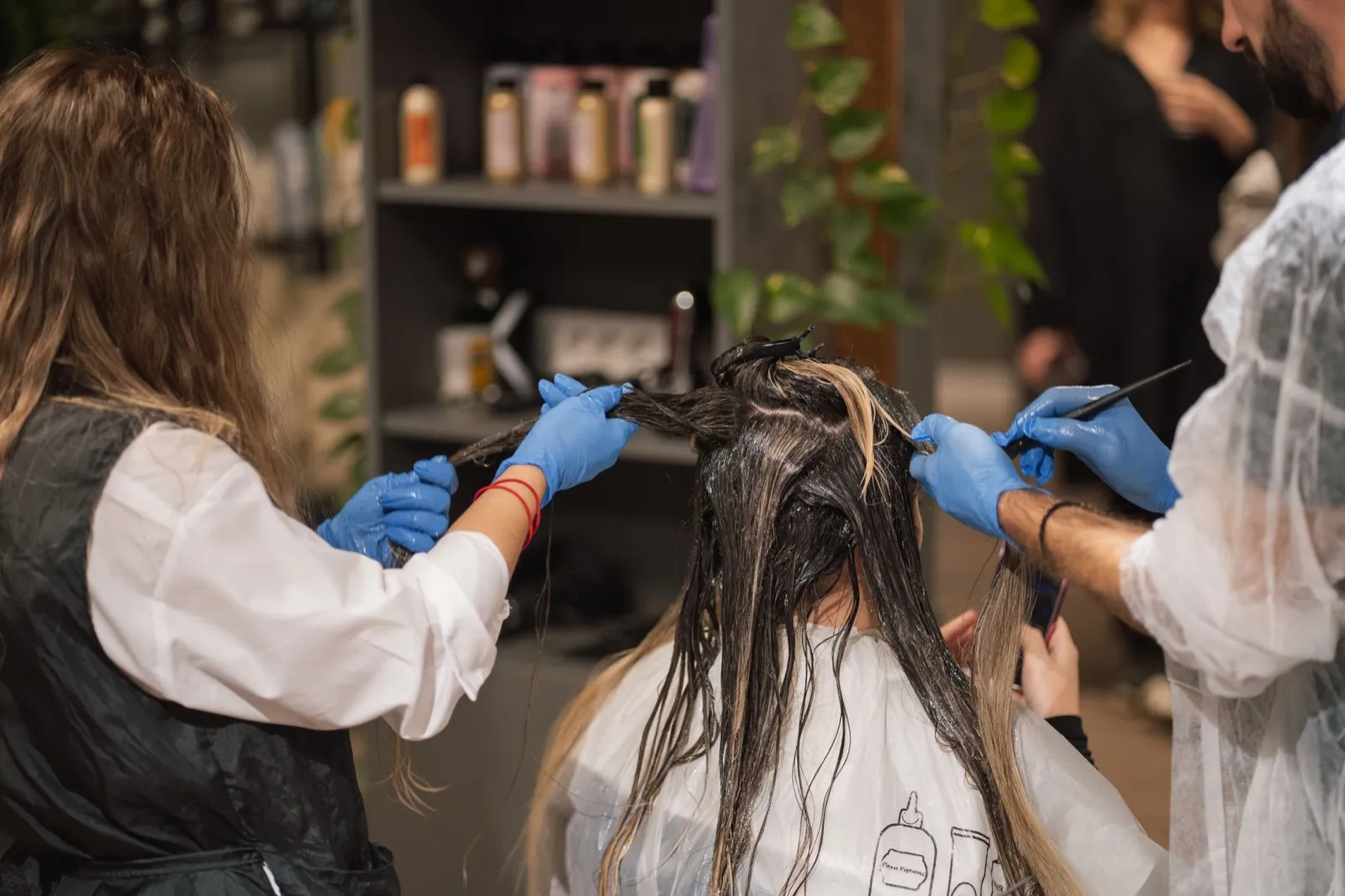
Image Credit: Pexels / Ionela Mat
The best hair colour suits your preferences, works with your current hair condition and can be maintained without causing more damage than you are comfortable with. Skin tone and undertone may help narrow down shades, but they are not strict rules.
Before colouring, decide whether you want a temporary change, grey coverage, added warmth, a darker shade or a much lighter result. Going darker is usually simpler than lifting dark hair to blonde, which may require bleach and several appointments.
Always follow instructions and complete the recommended allergy alert test before using dye, even if you have used the same shade before. Stop immediately for intense burning, swelling, blistering or difficulty breathing.
How to choose a hair colour
Consider natural hair colour, skin tone and undertone, eye colour, maintenance, grey coverage, current condition, previous dye or bleach, heat styling, lifestyle and whether you want subtle or dramatic change.
Ask how much time and money you want to spend on roots, toning and specialist products. A colour that looks effortless on someone else may require frequent maintenance on your hair.
Hair colour and undertone
Undertones may be warm, cool, neutral or olive. These are useful comparisons rather than fixed rules.
Warm undertones
Golden, peachy or yellow undertones may complement golden or honey blonde, caramel, warm brown, chestnut, copper, auburn, chocolate and golden balayage.
Cool undertones
Pink, rosy, red or blue undertones may complement ash blonde, pearl blonde, cool beige, mushroom or ash brown, burgundy, plum, blue-black and cool chocolate.
Neutral undertones
Neutral undertones may suit neutral brown, beige blonde, soft black, balanced chocolate, bronde, rose brown and neutral copper.
Olive undertones
Olive skin may suit espresso, rich chocolate, caramel, golden brown, chestnut, deep burgundy, warm black and beige blonde. Very green-toned ash may look dull on some people.
Compare shades in natural daylight. Vein colour is not reliable for everyone and a professional swatch consultation may be more useful.
Hair colour and eyes
Brown eyes can work with caramel, honey, chestnut, copper, chocolate, espresso, ash brown, burgundy and blue-black.
Blue eyes may stand out with copper, strawberry blonde, golden or ash blonde, cool brown and dark chocolate.
Green eyes may be emphasised by copper, auburn, warm brown, golden blonde, deep red and chocolate.
Hazel eyes can bring out gold with warm brown, caramel, copper and golden blonde, or green with cooler brown and dark shades.
Hair and eyebrows do not need to match. Never use ordinary scalp dye on eyebrows or eyelashes because it can cause serious eye injury.
Understanding colour levels and tones
Professional colour levels generally run from darkest black to lightest blonde, although numbering varies by brand. Starting level affects how light you can go, whether bleach is needed, underlying warmth, coverage and maintenance.
Tone describes visible colour within a depth, such as ash, beige, gold, copper, red, violet, pearl, mahogany or neutral.
Violet products may reduce yellow and blue products may reduce orange in some brunette hair. Over-toning can leave porous hair grey, violet or dull.
Permanent, demi-, semi-permanent and temporary colour
Permanent dye uses an oxidising developer and may cover grey, darken hair, alter tone or lift some natural pigment. It grows out rather than washing away completely and may fade with washing, sun and heat.
Permanent dye cannot reliably lighten darker permanent colour and may require colour removal or bleach.
Demi-permanent colour usually deposits pigment with lower-strength developer. It can add shine, deepen colour, blend grey, refresh lengths or change tone and gradually fades.
Semi-permanent colour deposits pigment without oxidising developer. It can refresh colour or create fashion shades, but bright colours usually need prior lightening and may stain porous hair.
Temporary products such as sprays, chalk, wax, root sprays and wash-out mousse coat the surface and may transfer to skin, clothing or bedding.
What is bleach?
Bleach lightens natural or artificial pigment by changing hair structure. It can create blonde hair, highlights, balayage, fashion colour or colour correction.
Bleached hair may become porous, dry, fragile, rough, tangled, less elastic, split or prone to breakage. Dark hair commonly passes through red, orange and yellow stages. Toner adjusts tone but does not lift like bleach.
Damage risk increases with repeated applications, strong developer, long processing and overlap onto already lightened hair.
Strand tests and allergy alert tests
A strand test shows likely colour, lift speed, fragility, porosity response and processing time. It does not replace an allergy alert test.
Follow the dye manufacturer’s allergy alert instructions before every application. Do not use the product if testing causes itching, redness, swelling, burning, blistering or a rash.
A home alert test cannot guarantee a reaction will not occur during full application. Medical patch testing is a separate dermatology procedure.
Can you become allergic to dye after previous use?
Yes. Permanent and some semi-permanent dyes contain PPD, which can cause irritation or allergic contact dermatitis.
Symptoms may include itching, burning, soreness, redness, swelling, blisters, cracked skin, hairline rash, swollen eyelids or facial swelling.
Black henna may contain high PPD concentrations. Natural henna is not the same. Tell your colourist about previous reactions to black henna tattoos, hair dye, eyebrow or eyelash tint, textile dye or other colour products.
What to do if dye burns
Stop immediately, rinse thoroughly with lukewarm water and mild shampoo and do not leave the dye on for the planned time.
Seek advice if pain, swelling, blistering, weeping, spreading rash or facial swelling continues. Call emergency services for breathing difficulty, faintness, throat tightness or swelling of the lips, mouth, tongue or throat.
How to colour hair at home more safely
Before starting, read instructions, check expiry, complete the alert test, perform a strand test if appropriate, check scalp health, protect surfaces, use gloves, ventilate, set a timer and keep clean water available.
During application, do not mix unrelated systems, add developer, exceed processing time, get product in eyes, dye eyebrows or eyelashes, continue through intense burning, save mixed dye or ignore rinsing instructions.
Do not use dye on broken, inflamed, eczematous, psoriatic, sunburnt or infected scalp, unexplained sores or hair that breaks during gentle handling.
Previous box dye, henna, metallic salts or unknown products may make further colour unpredictable. Seek professional advice.
Can you dye dirty or wet hair?
Heavy build-up from dry shampoo, oil, wax, gel, hairspray, silicone or root spray may affect colour. Follow the colourist’s instructions; some services suit freshly washed hair while others are done a day or two after washing.
Some demi-permanent colours and toners are designed for damp hair, while permanent colour and bleach are often applied dry. Follow the exact product instructions.
Grey coverage and grey blending
Grey hair may resist colour or absorb differently. Permanent dye generally gives strongest coverage; demi-permanent colour offers softer blending.
Grey blending uses highlights, lowlights, demi-permanent colour or strategic placement to soften contrast and reduce obvious regrowth. It may allow longer gaps between appointments and a gradual transition to natural grey.
Going lighter, darker or correcting colour
Going dark to blonde often needs several sessions. A colourist considers starting level, previous dye, henna, porosity, strand strength, curl pattern, breakage and target tone.
Lightened hair may need warm filler before dark colour. Without it, the result can look greenish, muddy, hollow or uneven.
Lighter box dye usually cannot lift dark artificial colour. It may lighten roots while leaving dark lengths, creating warmth or patchiness.
Colour correction may involve remover, bleach, toner, filler, highlights, lowlights or demi-permanent colour and may need several appointments.
What is toner?
Toner adjusts the tone of lightened or coloured hair. It may reduce yellow or orange, add beige, pearl, ash or warmth, blend highlights or improve shine.
Toner cannot make dark hair blonde and usually fades faster than permanent colour. Porous hair may absorb it unevenly.
Purple shampoo may reduce yellow in blonde, silver or grey hair. Blue shampoo may reduce orange in some lightened brunette hair. Overuse can make hair dry, grey, violet, blue-green or dull.
Caring for coloured hair
Shampoo when the scalp needs cleansing, use colour-safe products if desired, condition after washing, detangle gently, use heat protection, reduce high heat, protect from sun, clarify only when needed, refresh tone without colouring full lengths and trim severely split ends.
Frequent washing may fade red, copper, pastel, blue, purple and pink shades faster. Use lukewarm water if comfortable and do not use dry shampoo indefinitely instead of washing.
Heat and bleach care
Use heat protectant, lowest effective setting, fully dry hair before straightening, avoid repeated passes and limit daily heat.
Bleached hair may need gentle shampoo, conditioner after every wash, leave-in, mask, protein if tolerated, bond-supporting treatment, lower temperatures, gentle detangling and regular trims.
Stop further bleaching if hair feels gummy when wet, extremely stretchy, fragile, rough, snaps easily, is difficult to detangle or is thinning at the ends.
Bond-building treatments may improve feel and manageability temporarily but do not make repeated bleaching risk-free.
Root maintenance and swimming
Root schedules depend on contrast and preference. Full grey coverage and platinum roots may require more frequent appointments, while balayage, highlights, root smudging, grey blending and close-to-natural shades allow longer gaps.
Avoid overlapping bleach or permanent colour onto processed lengths unless specifically required.
Root sprays, powders, coloured dry shampoo, hair mascara, headbands and temporary sticks can cover regrowth. Shampoo them out regularly.
Chlorinated water may dry and fade hair, while minerals such as copper may create green tones in pale or porous hair.
Before swimming, wet hair with clean water, apply leave-in if suitable, wear a cap and tie long hair gently. Rinse promptly afterwards, shampoo if needed, condition and chelate if mineral build-up develops.
Sunlight can fade and weaken coloured hair. Use a hat, scarf, shade and suitable UV-protective products. Protect exposed scalp partings separately.
Hair colour during pregnancy and breastfeeding
Most evidence suggests hair dye during pregnancy is unlikely to cause harm because exposure through a healthy scalp is low. Some people choose to wait until after 12 weeks as a personal precaution.
Follow instructions, complete the alert test, wear gloves, ventilate, use minimum processing time, rinse thoroughly and avoid broken skin. Highlights can reduce scalp contact.
Hair dye is generally considered unlikely to affect breastfeeding because little enters the bloodstream through healthy scalp. Use ventilation and avoid inflamed skin. Ask a pharmacist, health visitor or GP if you have concerns.
Common hair colour mistakes
Avoid choosing only from the model photograph, expecting light dye to lift dark artificial colour, skipping alert tests, ignoring burning, overlapping bleach, applying dark dye to pale hair without filling, using toner for major lightening, recolouring damaged hair, leaving dye longer, using scalp dye on eyebrows, mixing brands or covering a scalp condition.
When to get professional help
Speak to an experienced colourist before colouring if hair has box dye layers, henna or metallic salts, severe bleach damage, gummy or snapping strands, a very dark-to-light goal, major correction, banding or patchiness.
Speak to a pharmacist, GP or dermatologist for persistent itching, burning, spreading rash, blistering, weeping skin, facial or eye swelling, cracked skin, repeated reactions or hair loss with scalp inflammation.
Seek prompt advice for increasing scalp pain, heat, swelling or pus. Call emergency services for breathing difficulty, faintness, throat tightness or swelling of the lips, mouth, tongue or throat.
Related reading
- Haircare Guide: How to Build a Healthy Hair and Scalp Routine
- Hair Types Guide: How to Identify and Care for Your Hair
- Hair Growth Guide: What Helps Hair Grow and When to Seek Advice
- Hair Loss in Women: Causes, Treatments and When to Seek Help