How Often Should You Change a Baby's Nappy?
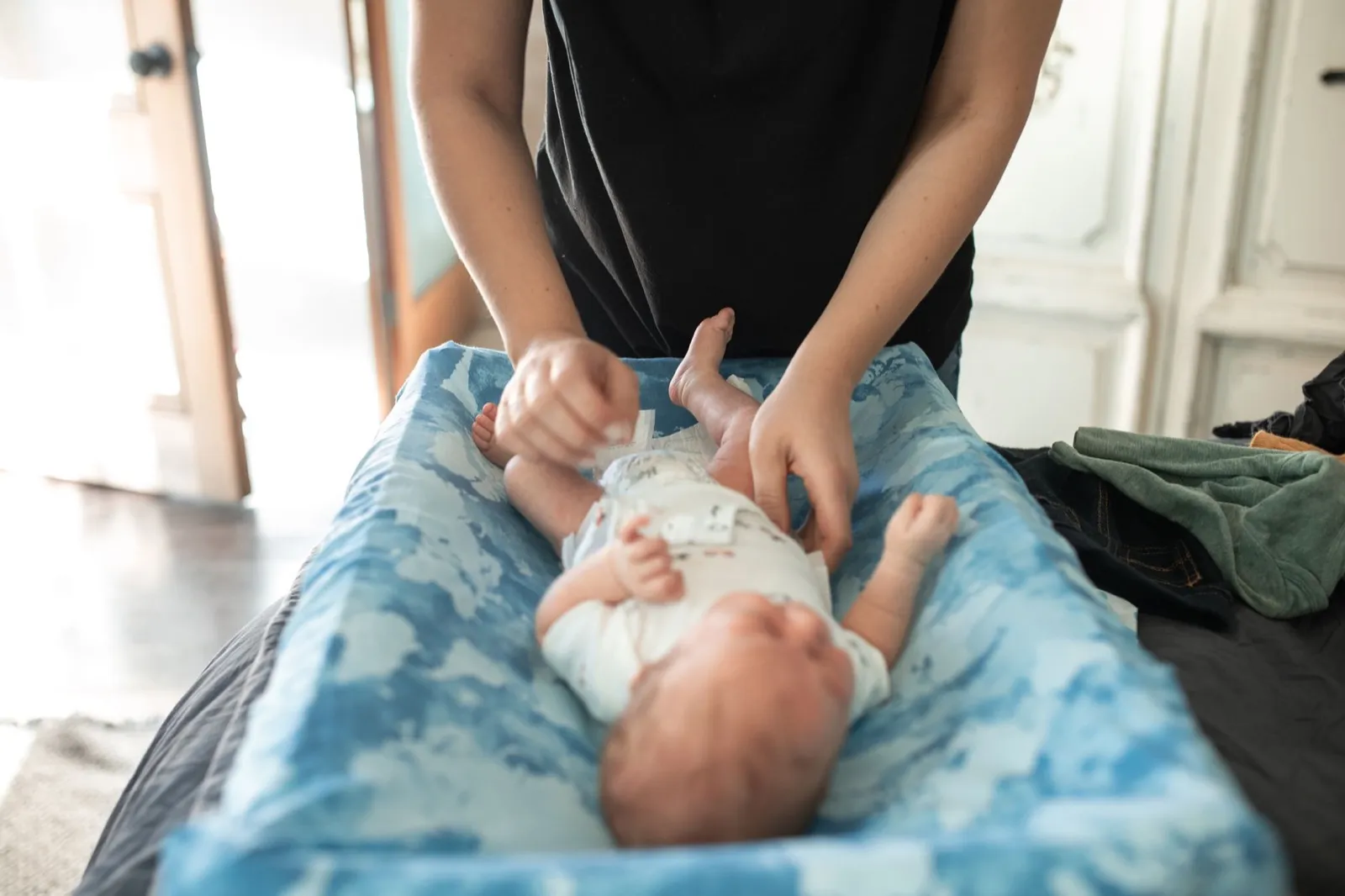
Image Credit: Pexels / RDNE Stock project
How Often Should You Change a Baby’s Nappy?
If it feels as though you have only just finished one nappy change before the next one arrives, that is very normal in the early weeks. Babies need frequent changes, and newborns generally need more than older babies.
The NHS says young babies may need their nappies changed as many as 10 to 12 times a day, while older babies may need around 6 to 8 changes a day. These figures are a guide rather than a schedule. The most useful rule is to check your baby’s nappy regularly and change it as soon as possible after they have done a wee or poo.
Frequent changes help keep delicate skin clean and dry and reduce prolonged contact with urine and faeces, which can contribute to nappy rash.
How often do newborn nappies need changing?
During the newborn stage, expect nappy changing to take up a noticeable part of the day.
NHS guidance says that in the beginning you may change your baby’s nappy around 10 to 12 times a day. That does not mean every newborn will need exactly 10, 11 or 12 changes each day.
Some babies wee or poo more frequently than others, and patterns can vary depending on age and feeding. Your baby’s needs also change as the first days and weeks pass.
Rather than watching the clock, check the nappy regularly and respond to what is actually there.
If it is wet or contains poo, change it promptly.
How often do older babies need changing?
As babies get older, nappy changes often become less frequent.
The NHS suggests that older babies may need around 6 to 8 nappy changes a day.
Again, this is not a target you need to hit. A baby who has done an extra poo will naturally need another change, while another baby’s pattern may look different.
The practical approach remains the same: check regularly, respond to wet or dirty nappies and make sure your baby’s skin is kept clean and dry.
As your baby becomes more active, you may also find that checking the fit of the nappy becomes increasingly important. A nappy that has become too small or sits awkwardly can rub the skin and may be more prone to leaks.
Should you change a nappy after every wee?
NHS guidance advises changing a baby’s nappy as soon as possible after they have done a wee or poo.
This is particularly helpful for protecting delicate skin from prolonged moisture.
Modern nappies can be highly absorbent, so a wet nappy may not always feel obviously soaked from the outside. Regular checks are therefore useful, especially with a newborn.
Some disposable nappies have wetness indicators, which can make checking easier. If yours does not, you may notice that a wet nappy feels heavier or fuller than a clean one.
You will gradually become familiar with what your baby’s nappies normally feel like.
Should you change a nappy immediately after a poo?
Yes. A dirty nappy should be changed as soon as you reasonably can.
Poo can irritate the skin, particularly when it stays against the nappy area for an extended period.
Clean the whole area gently but thoroughly using cotton wool and warm water or fragrance-free, alcohol-free baby wipes. Pay attention to the skin folds, where traces of poo can remain.
For girls, clean from front to back. For boys, clean gently around the penis and testicles without pulling back the foreskin.
Dry the skin gently before putting on the fresh nappy.
If your baby tends to poo again a few minutes after a change, try not to worry about “wasting” a nappy. Babies do not organise their bowel movements around our convenience.
Should you change a baby’s nappy before or after feeding?
There is no universal rule that every nappy change must happen before or after a feed.
Checking the nappy before feeding can be useful, especially if your baby is uncomfortable in a wet or dirty nappy. Some babies, however, poo during or shortly after feeding, so you may find yourself changing them afterwards anyway.
If the nappy contains poo, change it promptly rather than waiting for a particular point in the feeding routine.
For a wet nappy, regular checks and your baby’s normal pattern can guide you.
During the newborn weeks, feeding and nappy changing can feel almost continuous. You do not need to create a perfect routine immediately. A pattern usually becomes easier to recognise with time.
Should you change a baby’s nappy at bedtime?
The NHS recommends putting a fresh nappy on your baby at bedtime because they are likely to wear it for a longer period.
Make the change part of whatever bedtime routine works for your family.
Make sure the nappy fits properly around the waist and legs. It should be secure without being excessively tight.
If your baby does a poo after you have put on the bedtime nappy, change it again rather than leaving them in a dirty nappy overnight.
Do you need to wake a sleeping baby for a nappy change?
This question can be difficult because nappy care and sleep often collide, particularly during the newborn stage.
If your baby has done a poo, change the nappy promptly. Leaving faeces against the skin can cause irritation.
If the nappy is wet and you are unsure whether your sleeping baby needs changing, your baby’s age, feeding needs, skin condition and any individual advice from your maternity or healthcare team can matter.
Newborn babies also wake frequently for feeding, so nappy checks can often be combined with those wakes.
If your baby has significant nappy rash, has been premature, is unwell or you have been given specific feeding or care instructions, ask your midwife, health visitor or doctor what they recommend for overnight changes.
What if your baby hates nappy changes?
Some babies protest loudly during changes, particularly when they are tired, hungry or dislike being undressed.
You still need to change wet and dirty nappies, but there are small ways to make the process calmer.
Prepare everything first so the change is quick. Keep the room comfortably warm. Talk or sing to your baby while you clean and dress them.
For an older baby, an age-appropriate toy can provide a distraction.
If your baby suddenly becomes much more distressed during nappy changes, check the skin carefully. Nappy rash, broken skin or another source of discomfort may make cleaning painful.
How nappy changes help prevent nappy rash
Nappy rash is common, and it can happen even when parents are careful.
Frequent nappy changes are one of the main ways to reduce irritation. The NHS advises changing wet or dirty nappies as soon as possible, keeping the skin clean and dry and making sure nappies fit properly.
When changing your baby:
- clean the nappy area gently but thoroughly
- use water or fragrance-free, alcohol-free baby wipes
- dry the skin gently
- allow some nappy-free time when practical
- make sure the fresh nappy fits properly
- use an appropriate barrier cream if needed
Avoid vigorous rubbing when drying the skin.
If your baby already has nappy rash, NHS guidance advises avoiding soap, bubble bath and talcum powder on the affected skin.
How many wet nappies should a baby have?
The number of wet nappies is not only about changing. It can also provide useful information about feeding and hydration, particularly in the early days.
The expected number changes during the first week after birth.
For breastfed babies, NHS guidance says that in the first 48 hours a baby is likely to have only 2 or 3 wet nappies. From day 5 onwards, wet nappies should become more frequent, with at least 6 heavy, wet nappies in 24 hours.
NHS formula-feeding guidance similarly says babies should have around 6 wet nappies a day from a few days after birth, with clear or pale-yellow urine.
These numbers relate to signs that a baby may be getting enough milk, rather than telling you exactly how many times you must change a nappy. One nappy can contain more than one wee.
If you are worried that your newborn is producing fewer wet nappies than expected, speak to your midwife or health visitor.
What about dirty nappies?
Baby poo changes considerably during the first days and weeks.
The first poo is called meconium and is usually dark, sticky and greenish-black. Over the following days, the colour and consistency change.
How frequently babies poo also varies. Feeding method and age can influence the pattern, and some healthy babies poo much more often than others.
You do not need to change a clean nappy simply because your baby has not pooed according to a schedule. What matters for nappy changing is responding when the nappy actually becomes dirty.
If you notice a definite change in your baby’s poo, particularly if it becomes very watery, very hard, unusually smelly or contains blood, the NHS advises speaking to your doctor or health visitor.
Pale poo should also be discussed with a healthcare professional.
How can you tell whether a disposable nappy is wet?
This can be surprisingly difficult when you are new to nappies because absorbent disposable nappies can pull moisture away from the surface.
Some have a line that changes colour when the nappy becomes wet.
You can also gently feel the nappy from the outside. A wet nappy usually becomes heavier and fuller than a fresh one.
The NHS suggests that parents who are unsure what a properly wet disposable nappy feels like can add 2 to 4 tablespoons of water to an unused nappy to get an idea of the expected weight and feel.
This can be particularly useful when you are monitoring wet nappies during the first days of breastfeeding.
Does reusable nappy use change how often you should change your baby?
The principle is the same whichever type of nappy you use.
Wet and dirty nappies should be changed regularly and as soon as possible after your baby wees or poos.
Reusable nappies differ in absorbency, design and fitting method, so follow the manufacturer’s guidance for the particular system you use.
You may need to experiment with liners, inserts and fit to find what works for your baby.
The NHS recognises both disposable and washable nappies as options. Your choice can be based on what works for your baby, budget and family routine.
When to get professional advice
Nappy patterns can give useful clues about a baby’s feeding and health, especially during the newborn period.
Speak to your midwife or health visitor if your newborn is producing fewer wet nappies than expected or you are concerned they may not be getting enough milk.
Contact your GP or health visitor if your baby’s poo changes significantly, particularly if it contains blood, becomes very watery or unusually hard, or looks pale.
Ask a pharmacist, health visitor or GP for advice if your baby develops nappy rash that is worsening, persistent or causing significant discomfort.
Seek prompt medical advice if your baby seems unwell, is unusually difficult to wake, is feeding much less than normal, has difficulty breathing or you have another urgent concern.
Nappy counts can be helpful, but they are only one part of the picture. If something about your baby concerns you, you do not need to wait for a particular number of wet or dirty nappies before asking for professional advice.
Related reading
- Baby Hygiene Checklist: What You Need for Everyday Care
- How to Change a Baby’s Nappy: A Step-by-Step Guide