How to Change a Baby's Nappy: A Step-by-Step Guide
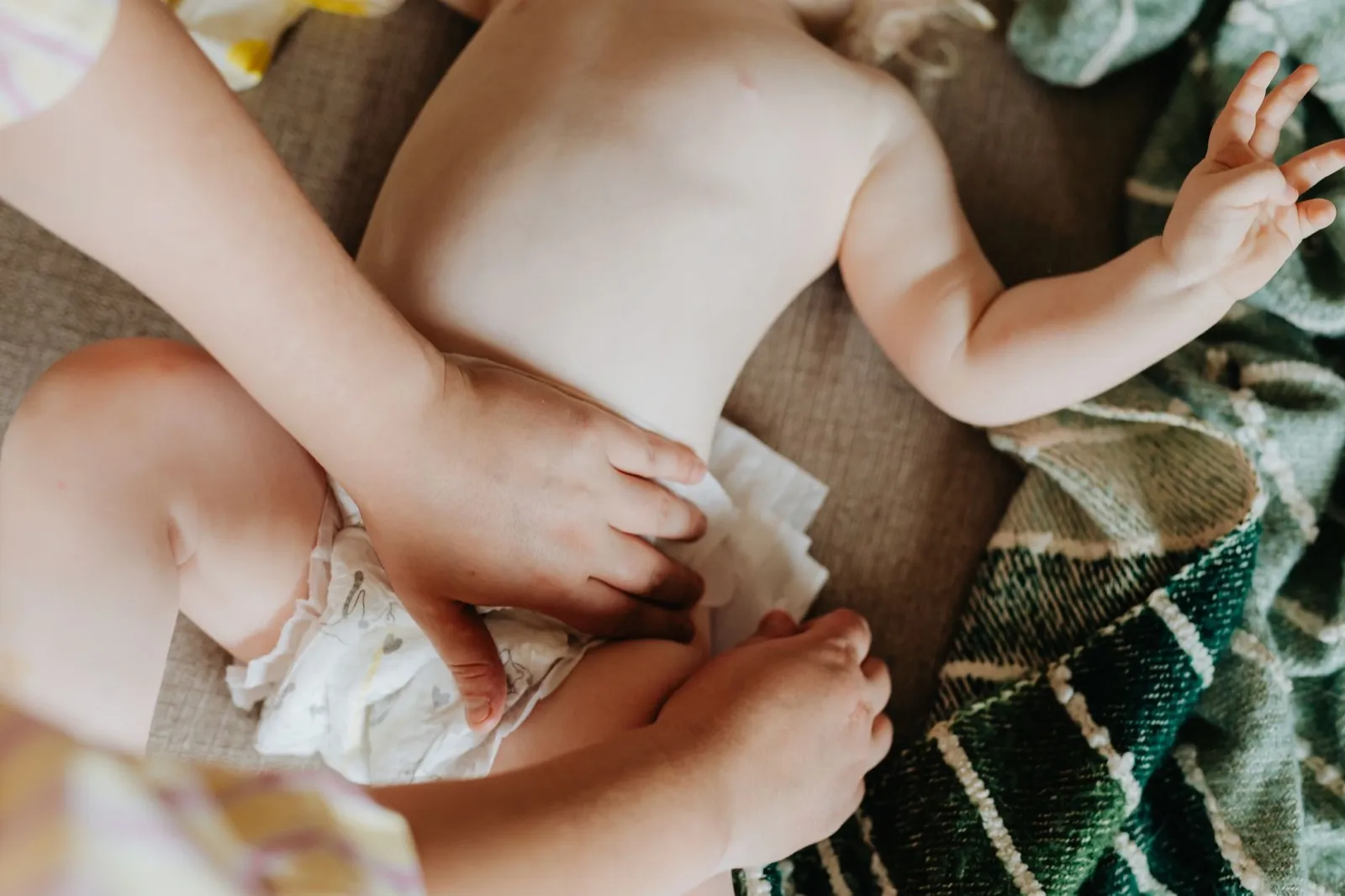
Image Credit: Pexels / https://kaboompics.com/
How to Change a Baby’s Nappy: A Step-by-Step Guide
Changing your baby’s first few nappies can feel fiddly, especially when you are also trying to support tiny legs, work out which way the nappy goes and keep everything clean. It soon becomes one of those everyday jobs you can do almost automatically.
The basic routine is simple. Prepare everything before you begin, remove the dirty nappy, gently clean and dry the whole nappy area, then put on a fresh nappy that fits comfortably around your baby’s waist and legs.
The most important habits are good hygiene, gentle cleaning and never leaving your baby unattended on a raised changing surface.
What you need before changing a nappy
Getting everything within reach before you start makes nappy changes much easier.
Healthier Together, an NHS-backed resource, recommends having:
- a changing mat or towel
- cotton wool and a bowl of warm water, or fragrance-free and alcohol-free baby wipes
- a clean nappy
- a bag or suitable container for the dirty nappy and used wipes or cotton wool
- barrier cream
- clean clothes in case the ones your baby is wearing become soiled
If you use reusable nappies, have the liner and cover ready if your particular system requires them.
Wash your hands before you begin.
You do not need a dedicated changing table. A changing mat or towel on the floor is a practical option and removes the risk of your baby rolling or falling from a raised surface.
If you do use a changing table, stay beside your baby throughout the change. Do not rely on straps to keep them secure.
How to change a baby’s nappy step by step
Once everything is ready, you can work through the change in the same order each time.
1. Place your baby somewhere safe
Lay your baby on their back on a clean changing mat or towel.
If you are using a raised changing surface, keep at least one hand close to your baby and never walk away or turn your back.
Babies can become surprisingly wriggly, sometimes before you expect them to.
2. Open the dirty nappy
Undo your baby’s clothes enough to give you clear access to the nappy.
Unfasten the nappy but do not immediately pull it away. If your baby has done a poo, you can use the clean part of the old nappy to gently remove some of the mess from their bottom first.
Fold the dirty part of the nappy underneath your baby while you clean them, or move it safely out of the way.
3. Clean the whole nappy area
Use cotton wool with plain warm water or suitable baby wipes to clean the skin gently but thoroughly.
Pay attention to the folds of skin around the thighs and bottom, where wee or poo can remain.
For girls, NHS-backed guidance advises cleaning from front to back. This helps avoid moving germs from the bottom towards the vagina.
For boys, clean gently around the penis and testicles. There is no need to pull back the foreskin.
Use fresh cotton wool or a clean part of the wipe as needed rather than repeatedly wiping dirty material across the skin.
4. Gently dry the skin
Make sure the nappy area is clean and gently pat the skin dry.
Avoid vigorous rubbing. Baby skin is delicate, and repeated friction can make soreness worse.
If the room is comfortably warm and it is practical, a little nappy-free time can allow air to reach the skin.
5. Apply barrier cream if you use one
If you use a barrier cream as part of your baby’s nappy care, apply it according to the product instructions.
Barrier creams can help protect the skin from moisture and irritation. You do not need to apply a thick layer unless the instructions for your particular product tell you to.
If your baby already has a rash that is worsening or not improving, speak to a pharmacist, health visitor or GP rather than continually adding different products.
6. Put the clean nappy underneath your baby
Slide a clean nappy beneath your baby’s bottom with the fastening tabs at the back.
Bring the front of the nappy up between your baby’s legs towards their tummy.
If you are using reusable nappies, follow the fitting instructions for your particular style, as designs vary.
7. Fasten the nappy comfortably
Fasten both sides so the nappy sits securely around the waist.
It should be snug enough to stay in place and help contain leaks without being uncomfortably tight.
Check around the legs and waist to make sure the nappy is sitting properly and that clothing has not become trapped underneath.
8. Dress your baby and dispose of the dirty nappy
Redress your baby and place them somewhere safe before tidying the changing area.
For disposable nappies, Healthier Together advises rolling the dirty nappy up and using its tabs to secure it before placing it in a bag kept for nappies and putting it in an outside bin.
Reusable nappies should be stored and washed according to the manufacturer’s instructions.
Wash your hands thoroughly after the change.
How should you clean a baby girl during a nappy change?
Clean a baby girl’s nappy area gently from front to back.
This direction matters because it reduces the chance of transferring germs from poo towards the vagina and urinary opening.
There is no need to scrub the skin or try to clean inside the vagina. Concentrate on removing visible wee or poo from the external nappy area and skin folds.
Use clean cotton wool or an unused section of a wipe as you move across the area.
If you notice discharge in a newborn girl and are unsure whether it is normal, ask your midwife, health visitor or GP rather than trying to clean internally.
How should you clean a baby boy during a nappy change?
Clean around your baby’s penis, testicles, bottom and surrounding skin folds using warm water and cotton wool or suitable wipes.
There is no need to pull back an uncircumcised baby’s foreskin. NHS-backed guidance specifically advises against doing this during routine cleaning.
Keep the cleaning gentle and external.
If you notice persistent swelling, redness, discharge or anything else that concerns you around your baby’s genitals, ask a healthcare professional for advice.
How often should you change a baby’s nappy?
Babies need frequent nappy changes, particularly during the newborn period.
Rather than trying to follow a rigid timetable, check your baby’s nappy regularly and change wet or dirty nappies promptly.
Healthier Together advises changing a baby’s nappy as soon as possible after they have done a wee or poo. This reduces the amount of time their delicate skin is in contact with moisture and waste and can help prevent nappy rash.
Your baby’s pattern will change as they grow, so you may find that the number of changes varies from day to day.
Should you change a baby’s nappy before or after a feed?
There is no single routine that works for every baby.
Some parents find it convenient to check the nappy before a feed. Others need to change their baby afterwards because feeding often stimulates a bowel movement.
If your baby has done a poo, change the nappy promptly rather than waiting for a particular point in the feeding routine.
With wet nappies, regular checks will help you find a rhythm that works for your baby.
If your baby tends to become very sleepy during feeds, a nappy change may also naturally fit into your routine between feeding or settling, but there is no need to make every change happen at exactly the same time.
Do you need wipes for every nappy change?
No. Cotton wool and plain warm water are a simple option, particularly for newborns.
If you prefer wipes, choose ones that are fragrance-free and alcohol-free. These are recommended by NHS and NHS-backed guidance for gentle nappy-area cleaning.
You may find cotton wool and water convenient at home and wipes useful when you are out. Using both is also fine.
If your baby’s skin becomes irritated, consider whether a product may be contributing and speak to a pharmacist or health visitor if you need advice.
How can you help prevent nappy rash?
Nappy rash is common, and getting it does not mean you have done something wrong.
The NHS advises several straightforward measures that can help protect the skin:
- change wet or dirty nappies as soon as possible
- keep the nappy area clean and dry
- use water or fragrance-free and alcohol-free wipes
- make sure nappies fit properly
- leave the nappy off for a while when practical
- avoid putting nappies on too tightly
Soap, bubble bath and talcum powder can irritate sore nappy skin, so the NHS advises avoiding them when managing nappy rash.
A barrier cream may help protect the skin. A pharmacist or health visitor can advise you if you are unsure which product to use.
What if your baby wriggles during nappy changes?
Wriggling is normal, especially as babies become more mobile.
The safest response is to make your changing set-up work around movement rather than expecting your baby to stay completely still.
Changing on a mat on the floor is particularly useful once rolling begins because your baby cannot fall from a changing table.
Keep nappies, wipes and clean clothes within reach before you start. You can also talk, sing or offer an age-appropriate toy to keep an older baby occupied.
If you use a raised surface, never turn away to grab something, even if you think your baby cannot roll yet.
What if your baby wees during the nappy change?
It happens.
Keep a clean towel or spare nappy nearby and calmly clean your baby and the changing surface before continuing.
With boys, you may find it useful to keep the clean nappy ready to bring into place once cleaning is finished. There is no need for special products or complicated tricks.
If clothes become wet, change them so your baby is clean and comfortable.
A slightly messier nappy change is simply part of caring for a baby, not a sign that you are doing anything incorrectly.
Disposable or reusable nappies: does the changing method differ?
The cleaning part of a nappy change is essentially the same. Your baby’s skin still needs to be cleaned gently and thoroughly and the fresh nappy needs to fit comfortably.
The main difference is how the nappy itself is fitted and dealt with afterwards.
Disposable nappies use adhesive tabs and are discarded after use. Reusable nappies come in several designs and may involve separate liners, absorbent inserts or waterproof covers.
Follow the manufacturer’s instructions for fitting, storing and washing reusable nappies. A good fit around the waist and legs matters whichever type you choose.
There is no need to treat one option as the universally correct choice. The best system is one that is safe, manageable and practical for your family.
When to get professional advice
Mild nappy rash is common and can often be managed with gentle skin care, frequent nappy changes and appropriate barrier protection.
Speak to your health visitor or pharmacist if you need advice about nappy rash or suitable creams.
Contact your GP if a nappy rash is bleeding, if there are red spots together with redness in the skin folds, or if the rash is not improving with appropriate care. These are among the situations highlighted by NHS-backed Healthier Together guidance.
Seek medical advice sooner if your baby seems unwell, has a widespread or concerning rash, develops difficulty breathing, becomes unusually difficult to wake or you are worried about their condition.
For newborn babies in particular, it is reasonable to seek professional advice whenever something does not seem right. Your midwife, health visitor or GP can help you work out what needs attention.