How to Clean a Baby's Umbilical Cord and Belly Button
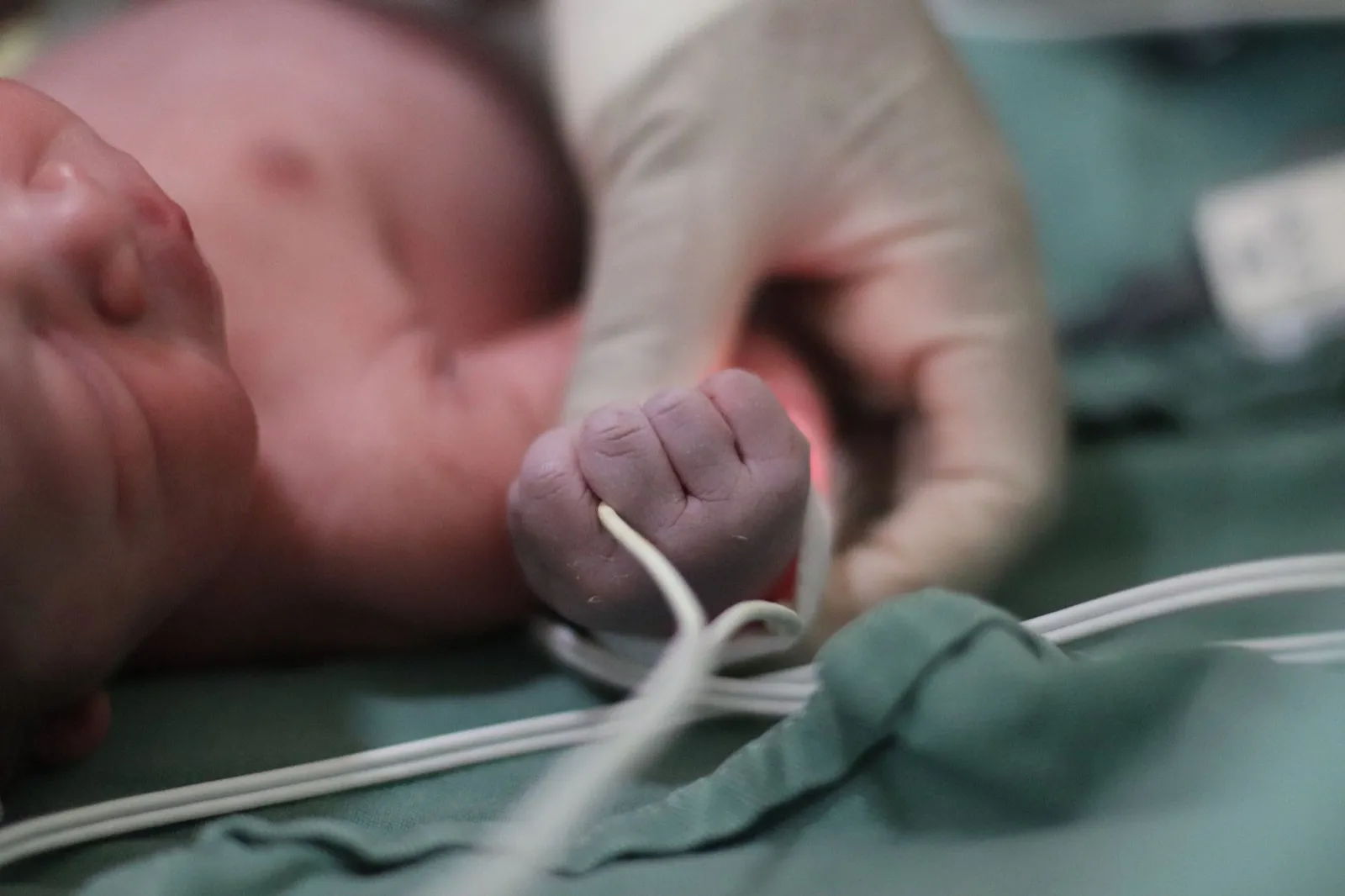
Image Credit: Pexels / Gabi Orrico
How to Clean a Baby’s Umbilical Cord and Belly Button
Caring for your newborn’s umbilical cord can feel surprisingly nerve-racking. It looks delicate, and many new parents worry about touching it or accidentally doing something wrong.
In most cases, umbilical cord care is very simple. NHS guidance is to keep the cord stump clean and dry while you wait for it to fall off naturally. You do not need to routinely scrub or clean it. If it becomes dirty with wee or poo, you can gently clean around it with fresh cotton wool and warm water, then carefully pat it dry.
Once the stump falls away, the belly button continues to heal. Gentle cleaning with water during your baby’s normal washing routine is usually all that is needed.
What happens to the umbilical cord after birth?
During pregnancy, the umbilical cord connects your baby to the placenta. After your baby is born, the cord is clamped and cut, leaving a short stump attached to the tummy.
Over the following days, the stump gradually dries, shrivels and becomes darker before falling off by itself.
The NHS says a newborn’s umbilical cord takes about a week to dry out and drop off, although NHS maternity guidance notes that the timing can vary. Some babies keep their stump for a little longer.
There are no nerves in the remaining cord stump, so the normal drying process itself does not hurt your baby.
The important thing is to let the stump separate naturally. Do not pull or pick at it, even if it looks as though it is hanging on by a tiny piece.
How to clean your baby’s umbilical cord
You generally do not need to clean the cord stump routinely if it is already clean.
The NHS advises keeping it clean and dry. If urine or poo gets onto the area, clean it gently rather than leaving it dirty.
A simple approach is:
- Wash your hands before touching the cord area.
- Use fresh cotton wool and warm water if the stump or surrounding skin is dirty.
- Gently clean away any urine or poo.
- Pat the area dry carefully with a clean towel or cloth.
- Leave the stump exposed to the air rather than covering it with creams, powders or dressings unless a healthcare professional has specifically advised you to use something.
There is no need to scrub the stump. Gentle cleaning is enough.
University Hospitals Sussex NHS Foundation Trust advises using tap water to clean around the stump as part of normal skin care and says wipes, powders and creams are not needed on the cord.
Should you use antiseptic on the umbilical cord?
For routine cord care at home in the UK, you should not normally need antiseptic, alcohol, powder or another product.
Keeping the stump clean and dry is usually enough.
Avoid applying lotions, creams, oils or powders to the cord unless your midwife, health visitor or doctor has specifically recommended something for your baby.
Adding products can make a straightforward task feel more complicated than it needs to be. If the stump is clean, you can generally leave it alone.
How do you keep the cord dry?
Keeping the stump dry helps it go through its natural drying and separation process.
After cleaning it with water, gently pat it dry.
It can also help to keep the top of the nappy away from the cord. Some newborn nappies are shaped around the stump. With others, the front can be folded down so it does not rub against or cover the area.
Keeping the cord outside the nappy also reduces the chance of urine or poo reaching it.
If the cord does become dirty, simply clean and dry it again.
Can you bathe a baby before the cord falls off?
You do not need to give a newborn a full bath every day. The NHS suggests that many parents may prefer topping and tailing during the first few weeks.
If you are washing your baby while the cord stump is still attached, the main aim is to keep the stump clean and dry.
The NHS advises that you only need to wash around the umbilical cord if it becomes dirty with wee or poo. Fresh cotton wool and warm water can be used, followed by gentle drying.
Your midwife can also show you how to care for the stump if you are uncertain about washing or bathing your newborn.
What should a healing umbilical cord look like?
The stump changes appearance as it dries.
It may become darker, harder and more shrivelled before eventually dropping off. That change is part of the normal process.
A small spot of blood around the time the cord separates can occur. However, ongoing bleeding, discharge or other changes should be discussed with a healthcare professional.
Try not to compare your baby’s cord too closely with photos online. The exact shape, size, colour and timing can vary.
What matters more is whether the surrounding skin looks healthy and your baby seems well.
What happens when the umbilical cord falls off?
Once the stump separates, you will see your baby’s belly button underneath.
The area may still look as though it is healing rather than immediately resembling an older child’s belly button. Continue to keep it clean and dry.
Do not pick at scabs or remaining tissue.
During normal washing, you can gently clean around the belly button with water and carefully dry it afterwards.
If the area continues to ooze, bleed or look inflamed, ask your midwife, health visitor or GP to check it.
How to clean your baby’s belly button after the stump falls off
Once the area has healed, the belly button can simply be cleaned as part of your baby’s normal washing or bathing routine.
You do not need a special belly button cleanser.
Use warm water and gently clean around the visible folds. Dry the area carefully afterwards, particularly if your baby’s belly button is deep enough to hold moisture.
Avoid pushing cotton buds or other objects deeply into the belly button.
If you notice dried material that does not come away easily, do not scrape at the skin. Gentle washing is preferable.
What is an umbilical granuloma?
Sometimes a small piece of tissue remains at the belly button after the cord has fallen off.
NHS maternity guidance describes an umbilical granuloma as a small, soft pink lump that can look wet or leak a little fluid during the first weeks of a baby’s life.
If you notice something like this, speak to your health visitor or GP rather than trying to treat it yourself.
A healthcare professional can confirm what it is and advise whether any treatment is needed.
Signs that the umbilical cord may be infected
Most cord stumps heal without a problem, but infection needs medical attention.
Contact your midwife, health visitor or GP if you notice concerning changes such as:
- redness spreading onto the skin around the belly button
- swelling or warmth around the area
- unpleasant or foul-smelling discharge
- pus-like discharge
- persistent wetness or discharge
- bleeding that concerns you
NHS guidance specifically advises contacting a healthcare professional if there is bleeding or discharge from the cord.
If your baby also seems unwell, seek medical advice promptly.
Common umbilical cord care mistakes to avoid
Newborn care comes with a lot of advice, and it is easy to assume the cord needs more attention than it really does.
Try to avoid:
- pulling the stump off before it separates naturally
- picking at dried tissue or scabs
- routinely covering the stump with creams or powders
- leaving urine or poo on the cord
- keeping the stump damp after cleaning
- allowing the nappy to repeatedly rub against the stump
- ignoring redness, swelling, discharge or an unpleasant smell
Simple care is usually best: clean if needed, dry carefully and otherwise allow the stump to heal naturally.
When to get professional advice
Speak to your midwife, health visitor or GP if you notice bleeding or discharge from your baby’s umbilical cord, as advised by the NHS.
You should also seek advice if the skin around the belly button becomes red, swollen or hot, if there is pus-like or unpleasant-smelling discharge, or if the area remains persistently wet.
If a small pink, moist lump remains after the stump falls off, ask your health visitor or GP about it. It may be an umbilical granuloma and should be assessed rather than treated at home without advice.
If your newborn seems unwell, is unusually sleepy or difficult to wake, is feeding much less than usual, has difficulty breathing or you are worried about their condition, seek urgent medical advice.
You know what is normal for your baby as you get to know them. If something about the cord or belly button does not look right to you, it is reasonable to ask your maternity or healthcare team to check it.
Related reading
- How to Bathe a Newborn Before the Umbilical Cord Falls Off
- How to Bathe a Baby: A Step-by-Step Guide for New Parents
- Baby Hygiene & Everyday Care