How to Get Things Done Without Trying to Be Productive 24/7
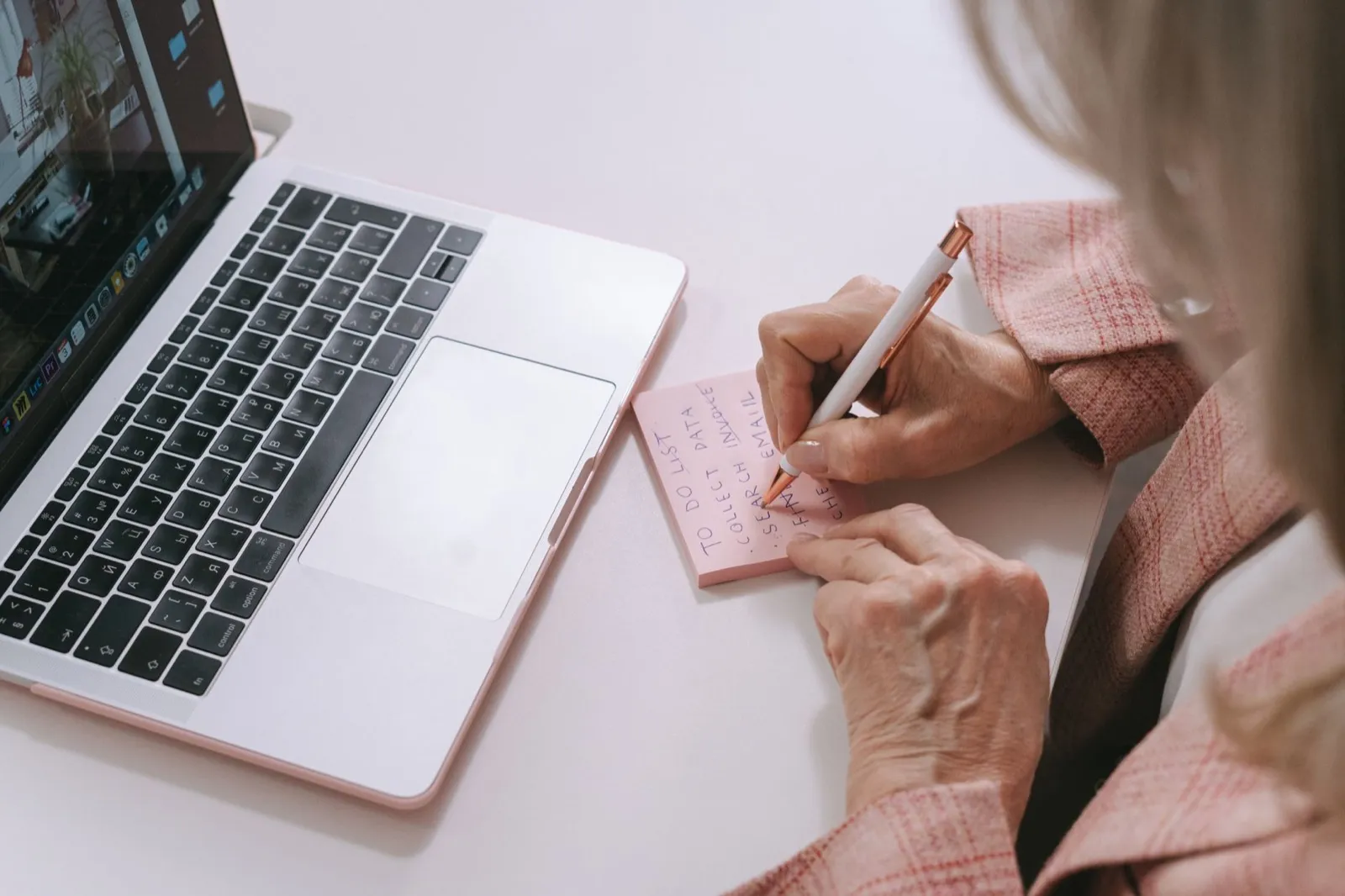
Image Credit: Pexels / Ivan S
Getting things done sustainably starts with an effort budget: decide how much focused work fits alongside rest, relationships, care and ordinary life, then choose priorities within that boundary.
Set the budget before the list
Look at the week and protect time that has no output goal. Include sleep, meals, care, travel, appointments, people and recovery. The remaining time is not an invitation to fill every gap; it is the maximum attention you can choose to allocate.
Choose a few outcomes
Select a small number of outcomes that matter this week. For each, write the next action and a bounded work period. A clear finish point stops a productive day from becoming an endless one.
Use boundaries as part of the system
Decide when work starts and ends, when messages are checked and what a useful completion looks like. HSE says demands should be achievable in relation to agreed hours. If work repeatedly needs your evenings to fit, raise the prioritisation conflict rather than making overtime the default response.
Make rest non-negotiable information
Notice what happens to focus, mood and decisions when rest is removed. Rest is not a gap in a productivity system. It is part of the conditions that let you return to important work without relying on constant urgency.
Review without expanding the budget
At the end of a week, ask what reduced friction and what created pressure. Keep one useful adjustment, but do not use the review to fill every spare minute with more tasks. A system is sustainable when it leaves room for ordinary human variation.
When to get professional advice
Speak to a GP or relevant professional if persistent low mood, anxiety, stress, sleep problems, pain or fatigue are affecting daily life. If you are in immediate danger or unable to keep yourself safe, call 999 or go to A&E.
Related reading
- How to Plan Your Week on Sunday Without Overcomplicating It
- How to Create a Weekly Routine That Keeps You Organised
- Evening Habits That Make Tomorrow Easier