How to Make Your Clothes Last Longer
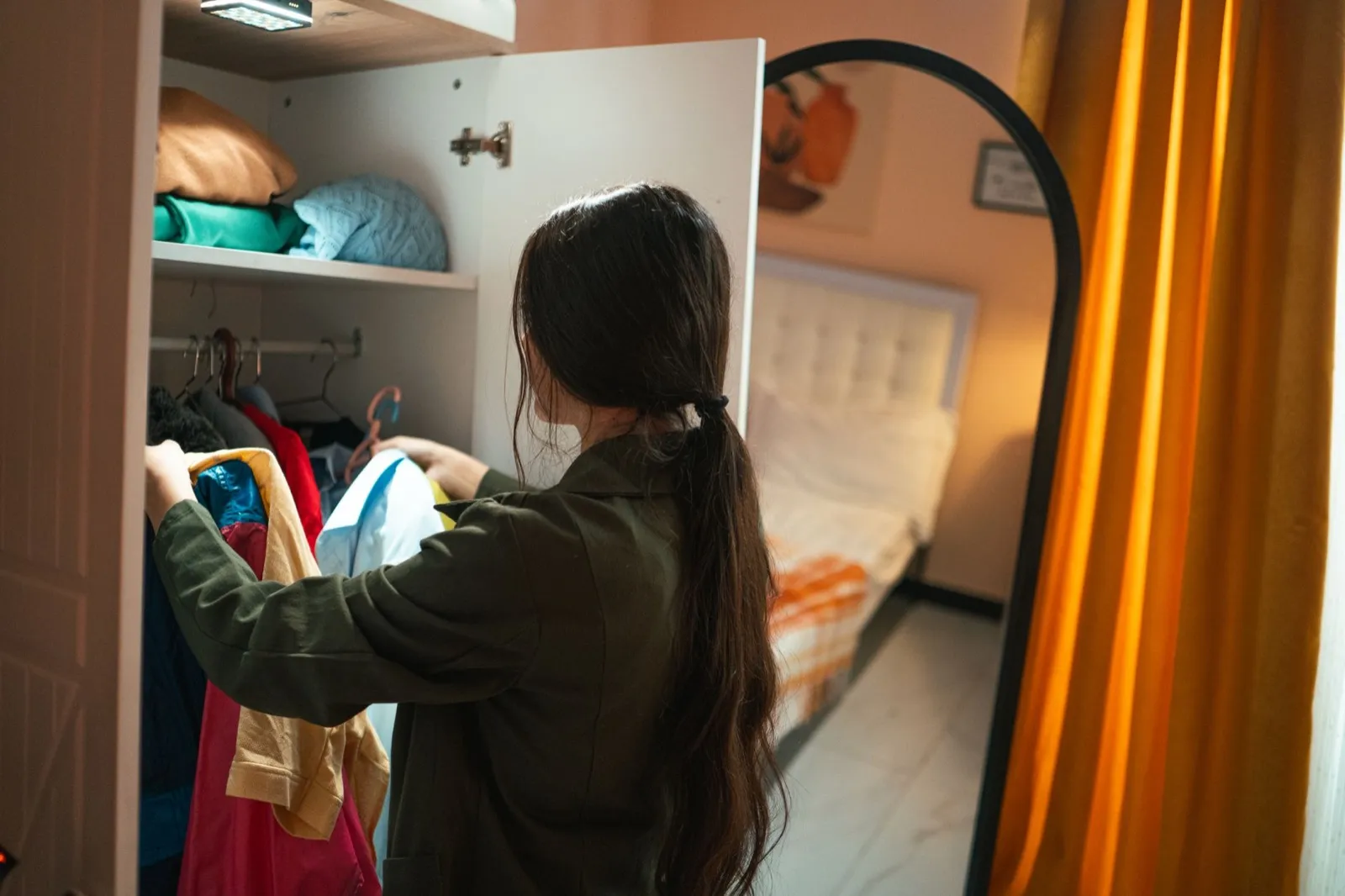
Image Credit: Pexels / khezez | خزاز
Making clothes last longer is often less about complicated routines and more about avoiding unnecessary wear. Following the care label, washing only when a garment actually needs it, using suitable wash and drying settings, storing pieces carefully and dealing with small repairs early can all help.
You do not need a perfect wardrobe-care system. Start with the clothes you wear most and build a few habits around them. A favourite jumper, pair of jeans or everyday shirt is worth looking after precisely because it already works for you.
Read the care label before washing
The care label is the best starting point because different garments can tolerate very different treatments.
GINETEX, the organisation behind the internationally recognised textile care symbols, explains that care labels communicate the maximum permitted treatments for washing, bleaching, drying, ironing and professional textile care.
That means a temperature shown inside the washing symbol is a maximum, not necessarily a target you must use every time.
Before putting something into the washing machine, check:
- Whether it can be machine washed
- The maximum washing temperature
- Whether a mild or very mild cycle is required
- Whether bleaching is permitted
- Whether it can be tumble dried
- The permitted ironing temperature
- Whether professional textile care is required
This matters particularly for clothes you have bought second-hand or pieces you have owned for years and may be washing from habit rather than according to their instructions.
If the label says not to use a particular treatment, follow that guidance rather than relying on a general laundry rule.
Wash clothes when they need washing
Not every garment needs to go into the laundry basket automatically after one wear.
GINETEX advises against washing clothes more than necessary and suggests airing garments between wears where appropriate.
How often something needs washing depends on the garment, how it has been worn, the weather, personal preference and hygiene needs. Underwear and clothes worn directly against the skin will naturally have different requirements from a coat or jumper worn over other layers.
For pieces that are still clean enough to wear, you might hang them somewhere with good airflow before putting them back into your wardrobe.
If there is a small mark, check the care instructions before deciding whether it can be treated locally rather than washing the entire garment.
The point is not to avoid washing clothes that need it. It is simply to avoid laundering them automatically when they do not.
Sort laundry with the garment in mind
Sorting does not have to become an elaborate ritual, but separating incompatible items can help prevent avoidable problems.
Colour is one consideration. Fabric weight and construction can matter too.
A delicate blouse sharing a load with heavy, heavily soiled garments may receive more friction than it needs. Clothes with hooks, exposed zips or rough fastenings can also catch on more delicate fabrics.
Before washing, it can help to:
- Empty pockets
- Close fastenings where appropriate
- Check for loose trims or buttons
- Follow any instruction to wash an item inside out
- Separate garments that require different cycles or temperatures
- Use the care label to decide which machine programme is suitable
A little attention before the machine starts can save you from discovering a preventable snag or colour problem afterwards.
Use the gentlest suitable treatment
The safest washing method is the one that cleans the garment adequately while remaining within its care instructions.
GINETEX notes that bars underneath the washing symbol indicate milder mechanical treatment. Two bars indicate a very mild process.
So if a garment calls for a mild cycle, treat that instruction as meaningful rather than simply selecting your usual programme.
Temperature deserves the same attention. The number in the wash symbol indicates the maximum permitted temperature. Do not exceed it.
There is no single ideal wash setting for every wardrobe. Towels, sportswear, delicate tops, knitwear and structured garments may all have different requirements.
Let the individual garment guide you.
Be careful with tumble drying
Drying is part of clothing care, not an afterthought.
Check the drying symbol before putting a garment into a tumble dryer. GINETEX’s care system distinguishes between garments that can be tumble dried, those requiring particular heat levels and those that should not be tumble dried.
Where the care label permits an alternative drying method, you might prefer to air dry.
GINETEX recommends natural drying as a clothing-care option and notes that it can help clothes retain their shape and last longer.
That does not mean every garment should simply be hung on a hanger while soaking wet. Knitwear and other pieces can have specific drying requirements, so follow the garment instructions.
The useful habit is simply to check before drying rather than assuming everything that survives the washing machine belongs in the tumble dryer.
Treat knitwear gently
Knitwear can need a little more attention because pulling, stretching and friction can change how a garment looks over time.
Start with the label. Some knitwear is machine washable, while other pieces may require a very mild cycle, hand washing or professional care.
Avoid pulling a wet knit into shape aggressively. Follow its drying instructions and handle it carefully while wet.
Storage matters too.
If hanging a particular jumper causes the shoulders or length to distort, folding it may work better. The best method will depend on the garment’s weight and construction.
If you notice a loose thread, resist the temptation to pull it. A small problem is usually easier to deal with before it becomes a larger one.
Store clothes so they keep their shape
Good storage does not require a magazine-perfect wardrobe.
It just needs to support the clothes rather than strain them.
Use hangers that are appropriate for the garment. A heavy coat needs different support from a lightweight blouse. If a piece stretches noticeably while hanging, folding may be a better option.
Try not to pack clothes so tightly that everything becomes crushed and difficult to remove.
Before storing seasonal clothes for a longer period, make sure they are clean according to their care instructions and completely dry.
Also think about the environment in which clothes are stored. A clean, dry space where garments can be kept neatly is generally more practical than leaving them compressed in damp or unsuitable conditions.
Deal with small repairs early
A loose button is easier to fix while you still have the button.
The same applies to a small opening in a seam, a falling hem or a loose hook.
You do not need advanced sewing skills to extend the useful life of clothes. Learning a few simple repairs can be enough for many everyday problems.
Useful basic skills include:
- Sewing on a button
- Closing a small open seam
- Securing a loose hem
- Reattaching a simple hook
- Carefully dealing with a loose thread
For anything beyond your skills or equipment, a tailor, alterations service, cobbler or specialist repair service may be worth considering.
There is no shame in deciding a repair is not practical, either. Cost, garment condition and how much you wear the item can all affect whether repairing it makes sense for you.
Give shoes and bags some attention too
Wardrobe care does not stop with clothes.
Shoes and bags also benefit from being stored and used with their materials and construction in mind.
Avoid applying random cleaning products simply because they worked on another item. Leather, suede, coated materials, textiles and synthetic materials can respond differently to cleaning and protective treatments.
Check the manufacturer’s instructions if they are available.
For shoes, allowing a frequently worn pair time to dry properly between uses can also be sensible if they have become damp.
Small repairs are worth noticing here as well. A worn heel tip, loose sole or broken fastening may become a larger problem if ignored.
Rotate the pieces you wear hardest
You do not need a huge wardrobe to avoid wearing something into the ground.
But if you own alternatives, rotating frequently used items can spread wear between them.
This is particularly useful for everyday shoes, work trousers, bras, coats and other pieces that receive repeated use.
Rotation is not a rule. If you enjoy wearing the same jeans several times a week, wear them.
It is simply worth recognising that the clothes you use most will naturally need the most attention. Check them occasionally for loose seams, worn areas or repairs rather than waiting for something to fail completely.
Be cautious with stain treatment
A stain can make it tempting to reach for the strongest product available.
Pause first.
Check the garment’s care label and any instructions supplied with the stain treatment. GINETEX’s symbols also indicate whether bleaching is permitted, restricted or prohibited.
Different fibres, dyes and finishes can respond differently to treatment, so a method that worked perfectly on one white cotton T-shirt may not be appropriate for another garment.
If you are unsure about a valuable or delicate piece, professional advice may be preferable to experimenting.
Acting quickly can be useful for some stains, but quick does not have to mean aggressive.
Keep a tiny repair kit
A basic repair kit can make it much easier to deal with problems while they are still small.
You might keep:
- A few sewing needles
- Neutral-coloured thread
- Spare buttons that came with your clothes
- Small scissors
- Safety pins
- A simple tape measure
You do not need to buy a specialist kit if you already have these things at home.
Keep spare buttons somewhere you can actually find them. Those tiny packets attached to new clothes are much more useful in one labelled box or pouch than scattered through drawers.
Make clothing care fit your real routine
The best care routine is one you can realistically maintain.
You might start with three habits:
- Check the care label before washing something unfamiliar.
- Avoid washing a garment automatically if it is still suitable to wear again.
- Repair small problems before they become large ones.
Then add more only if they are useful to you.
Some wardrobes contain delicate silk, wool or tailored pieces that need careful treatment. Others are mostly made up of easy-care clothes that can handle a straightforward routine.
Neither requires you to turn clothing care into a hobby.
The aim is simply to give the pieces you already like a better chance of staying in wearable condition for longer. If that means your favourite shirt, coat or pair of trousers remains part of your wardrobe for another season, the small amount of attention is doing its job.
Related reading
- Affordable Fashion: How to Look Stylish on a Budget
- How to Tell If Clothes Are Good Quality Before You Buy Them
- Where to Spend and Where to Save on Your Wardrobe