Makeup by Age: How to Adapt Your Routine from Your Teens to Your 60s
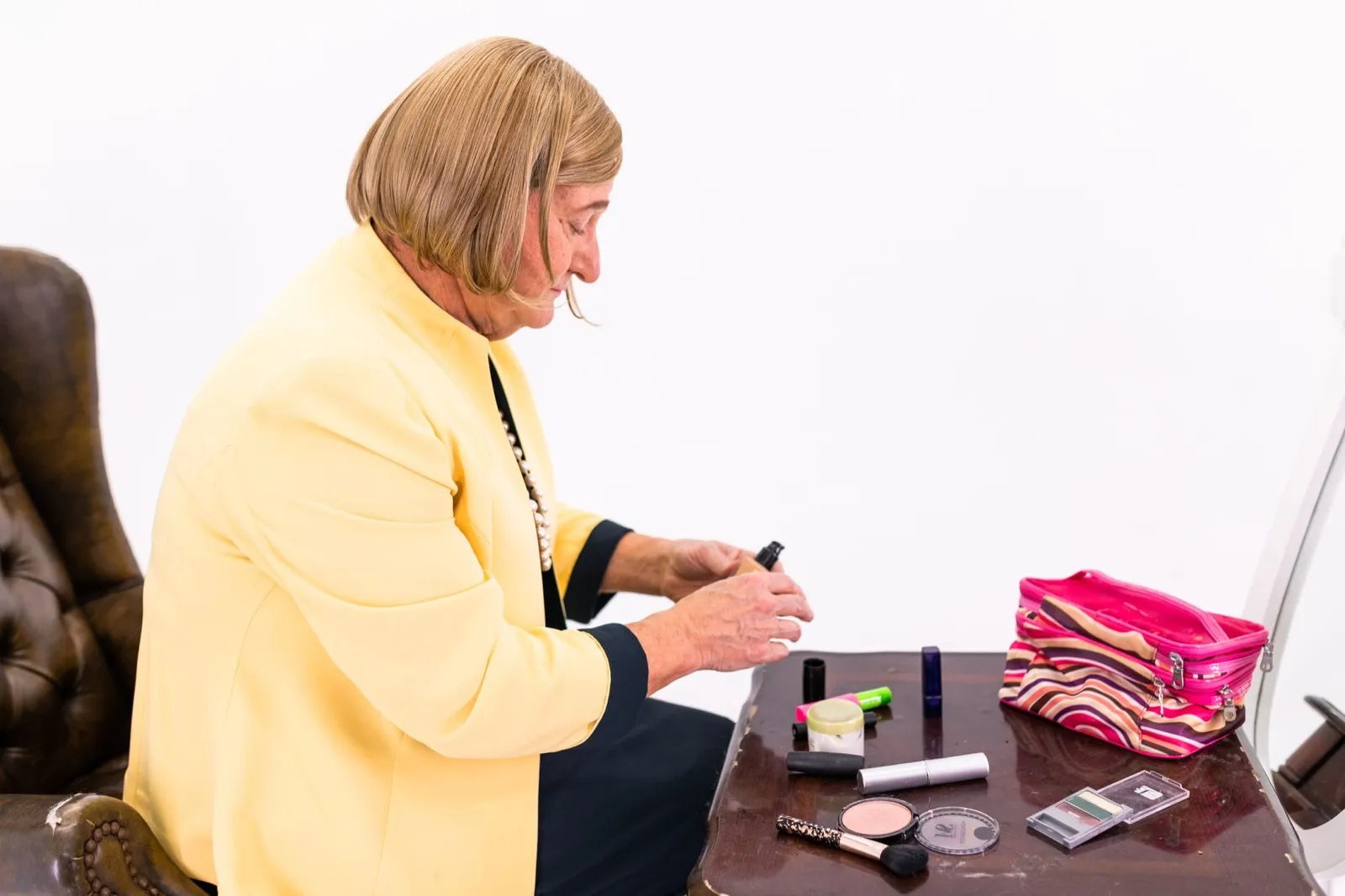
Image Credit: Pexels / RDNE Stock project
Makeup does not have an age limit. You can wear bright eyeshadow at 60, red lipstick at 16, or no foundation at any age. However, your skin, features, and preferences may change over time, so adjusting your products and techniques can make makeup feel more comfortable and easier to apply.
The most useful approach to makeup by age is not following strict rules. It is noticing what your skin needs now, choosing textures you enjoy, and applying each product with purpose.
Does makeup need to change with age?
Your makeup does not have to change simply because you reach a particular birthday.
You may choose to adapt it because:
- Your skin becomes oilier or drier
- Your preferred level of coverage changes
- Your eyelid shape changes
- Foundation settles differently than it once did
- Your brows or lashes become sparser
- Your daily routine becomes busier
- You want to try a different style
Age can offer helpful context, but skin type, face shape, and personal taste usually matter more.
Makeup for teenagers
Teen makeup can be simple, creative, or somewhere in between. There is no need to cover the entire face unless that is the look you want.
Teenage skin may become oily or prone to breakouts because of hormonal changes. Gentle preparation and careful makeup removal are often more useful than applying several heavy layers.
A simple routine might include:
- Lightweight moisturiser
- Suitable facial sunscreen
- Tinted moisturiser or skin tint
- Concealer where needed
- Light powder through oily areas
- Cream or powder blush
- Clear or tinted brow gel
- Mascara
- Tinted lip balm or gloss
If you want foundation, begin with a lightweight formula and apply a thin layer. Look for products described as non-comedogenic or oil-free if your skin is oily or acne-prone.
Use only products intended for the area where you are applying them. Craft glitter, paint, and ordinary colouring pencils are not suitable substitutes for eye or lip cosmetics.
Makeup in your 20s
Your twenties can be a time of experimentation, although many people also want a quick routine that works for university, work, and social plans.
Skin may still be oily or acne-prone, but it can also become dry, sensitive, or combination. Choose products based on how your skin behaves rather than assuming all young skin needs mattifying makeup.
A skin tint, BB cream, or medium-coverage foundation can create an even finish without requiring a complicated routine. Use concealer strategically under the eyes, around the nose, or over blemishes, then set only areas that crease or become shiny.
Beauty trends can be fun, but they are optional. Try one new element at a time rather than replacing your entire makeup bag.
Makeup in your 30s
Many people in their thirties want makeup that applies quickly, lasts through a full day, and still feels like their own style.
You may notice subtle changes in moisture, texture, or the way concealer sits beneath your eyes. Small adjustments are often enough.
Apply moisturiser and allow it to absorb before makeup. Begin with less foundation than you think you need, then add concealer only where necessary. Thin layers tend to move more naturally with the skin than one thick coat.
Cream and liquid blushes can create a soft finish, while powder formulas may offer easier control and longer wear. Choose the texture that works with your base and skin type.
Makeup in your 40s
Makeup in your forties can be as natural, colourful, or dramatic as you like.
You may notice that skin feels drier, texture becomes more visible, or eyelids begin to sit differently. Adapting product placement can help, but you do not need to abandon shimmer, eyeliner, powder, or bold lipstick.
If your skin feels dry, consider hydrating foundation, skin tint, a satin finish, cream blush, and selective powder. If it remains oily, a lightweight matte foundation and oil-free formulas may still suit you.
Use a small amount of concealer on the darkest under-eye areas rather than creating a large, heavy triangle. Keep eyeliner close to the upper lash line, and use a fine pencil or tinted brow gel for softer brow definition.
Makeup in your 50s
Skin often becomes drier or more delicate around menopause, although this varies. You may also notice changes in facial volume, brow density, and lash fullness.
The aim is not to make yourself look younger. Good makeup can add colour, definition, and polish while still looking like you.
Prepare the skin with moisturiser and choose a foundation that feels flexible and comfortable. Apply it from the centre of the face outwards, keeping the outer edges light.
Powder is not forbidden on mature skin. Use a small, soft brush on areas that crease or become shiny, such as around the nose, the centre of the forehead, beneath the eyes, and the chin.
There is no need to avoid red, berry, plum, or bright pink lipstick. If lipstick feathers into fine lines, outline the lips with a pencil and apply colour in thin layers.
Makeup in your 60s and beyond
Makeup in your sixties, seventies, and beyond can add brightness, definition, and colour, but it should still feel enjoyable and personal.
Skin may become thinner, drier, or more textured. Brows and lashes may also appear lighter or sparser. Gentle preparation and precise application can make products easier to control.
Skin tint, lightweight foundation, or targeted concealer may create a fresher result than a thick full-coverage base. Natural skin texture will remain visible, and that is completely fine.
Blush can add warmth after foundation. Cream blush may blend easily into dry skin, while powder blush can offer longer wear. Both can work beautifully when applied lightly.
Shimmer is not reserved for younger skin. A fine satin or shimmer shadow can look beautiful on the lid or inner corner. Use lip liner close to the natural outline before applying lipstick if you want more definition.
Is there makeup you should stop wearing after a certain age?
No cosmetic product becomes unsuitable simply because of age.
You do not have to stop wearing shimmer eyeshadow, black eyeliner, bright lipstick, full-coverage foundation, powder, gloss, false lashes, bold blush, colourful mascara, or glitter.
The better question is whether the product still gives you the finish and comfort you want. Adapt the technique before assuming you need to abandon the product.
Makeup tips that work at every age
These habits can make a routine easier to adapt:
- Prepare the skin with products suited to your skin type.
- Apply thin layers and build only where needed.
- Use natural daylight to check foundation colour and blending.
- Blend around the hairline, jaw, nose, and outer edges of eyeshadow.
- Wash reusable brushes and sponges regularly.
- Change one part of your routine at a time if your makeup no longer sits as well as it once did.
Common makeup mistakes at any age
Common mistakes include:
- Using too much foundation
- Choosing products only by an age label
- Trying to erase all texture
- Using a foundation that is too dark
- Applying too much powder beneath the eyes
- Following restrictive beauty rules
Skin has pores, movement, and natural lines at every age. Makeup can change colour and add definition, but it cannot create a completely texture-free surface.
When to get professional help
A makeup artist or trained beauty consultant can help you update your technique, find a foundation match, or choose products that feel easier to use.
Speak to a pharmacist, GP, or dermatologist if cosmetics repeatedly cause redness, itching, swelling, blistering, or a persistent rash.
Seek medical advice if you notice a new or changing mark, a sore that does not heal, or another skin change that concerns you. Makeup can temporarily cover its appearance, but it should not replace assessment by a qualified professional.
Seek urgent medical help if a cosmetic reaction causes difficulty breathing or swelling of the lips, mouth, tongue, or throat.
Related reading
- Makeup Basics for Beginners: Step by Step Guide
- Makeup by Skin Type: How to Choose and Apply the Right Products
- Makeup by Skin Tone: How to Choose Flattering Colours and Foundation
- Face Makeup Guide for Beginners: Products, Order and Easy Application Tips