Makeup by Skin Type: How to Choose and Apply the Right Products
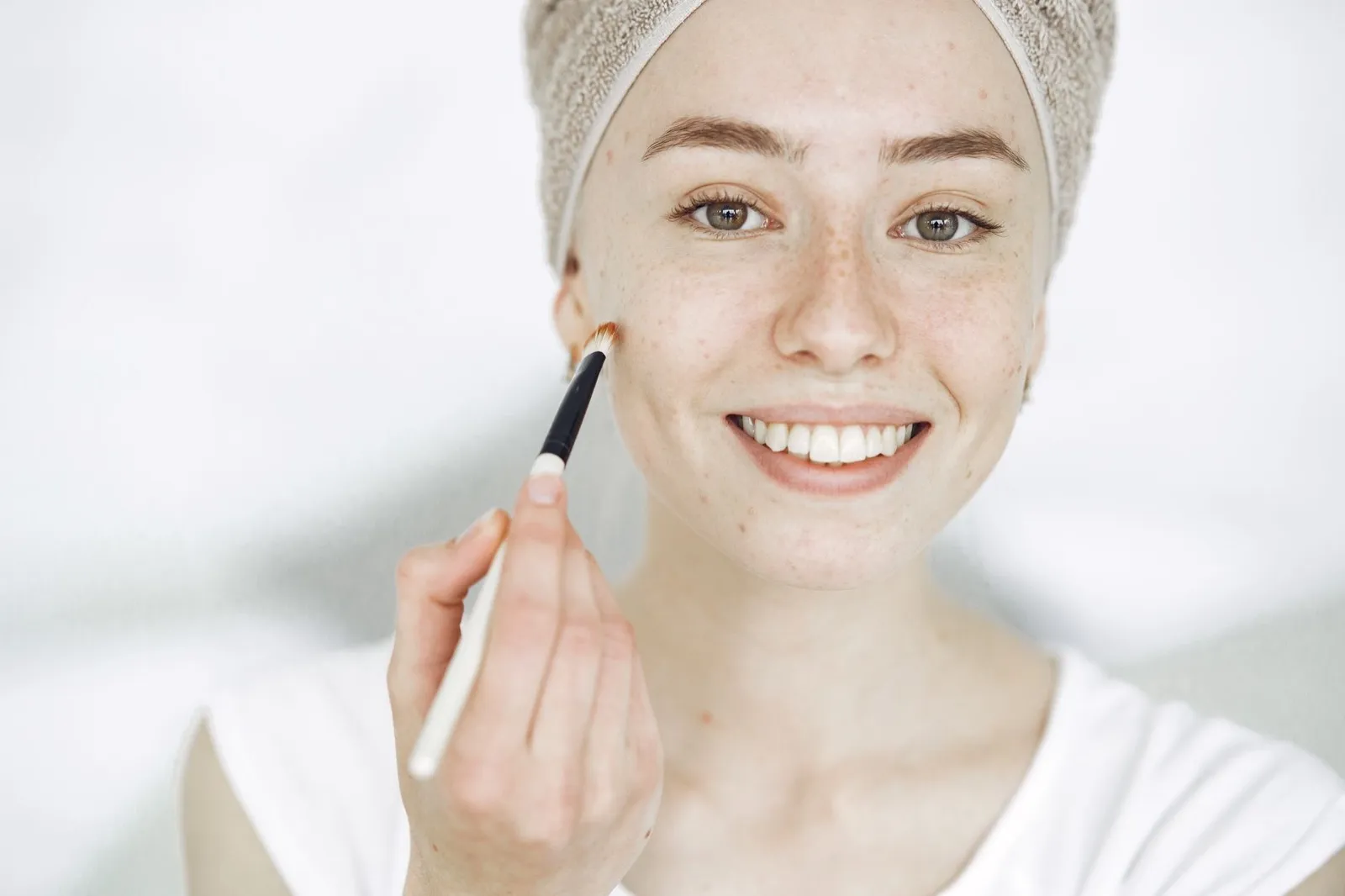
Image Credit: Pexels / Gustavo Fring
Choosing makeup by skin type can help your foundation apply more evenly, feel more comfortable, and last longer. Oily skin often suits lightweight, oil-free formulas, while dry skin may benefit from hydrating products and minimal powder. Combination skin usually needs a more flexible approach, and sensitive or acne-prone skin may require careful product selection.
Your skin can also change with the weather, hormones, age, skincare products, and daily habits. Rather than following one routine forever, notice how your skin feels and adjust your makeup when needed.
What are the main skin types?
The commonly discussed skin types are:
- Normal skin
- Oily skin
- Dry skin
- Combination skin
- Sensitive skin
Acne-prone skin and mature skin can overlap with any of these categories. For example, you can have dry and acne-prone skin or oily and sensitive skin.
Understanding your skin type helps you choose suitable textures and finishes. It does not mean you are restricted to one kind of makeup.
How to identify your skin type
Start by looking at how your bare skin behaves during an ordinary day.
Cleanse your face gently, apply your usual basic skincare, and avoid testing a new product at the same time. Notice how your skin feels a few hours later.
Oily skin may:
- Look shiny across much of the face
- Feel greasy during the day
- Cause foundation to separate or fade
- Need blotting around the forehead, nose, and chin
- Be prone to clogged pores or spots
Dry skin may:
- Feel tight after cleansing
- Look flaky, rough, or dull
- Make foundation cling to dry patches
- Develop fine surface lines when powdered
- Feel uncomfortable in cold weather
Combination skin may:
- Become oily through the centre of the face
- Remain dry or balanced on the cheeks
- Need powder in some areas but not others
- React differently to the same foundation across the face
Sensitive skin may:
- Sting or burn after using certain products
- Become red or itchy easily
- React to fragrance or particular ingredients
- Feel uncomfortable after cleansing
Skin type is not the same as a skin condition. Persistent redness, painful spots, eczema, rosacea, or dermatitis may need advice from a qualified healthcare professional.
The best makeup for oily skin
The aim is not to remove every trace of natural shine. Oily skin still needs gentle preparation and suitable hydration.
Look for descriptions such as oil-free, water-based, matte, natural matte, long-wearing, lightweight, or non-comedogenic.
Start with gentle cleansing and a lightweight moisturiser. A mattifying or oil-controlling primer may help foundation remain in place, particularly through the centre of the face. You do not have to apply it everywhere.
Apply foundation in thin layers. Heavy coverage may separate more visibly as oil develops. Set the forehead, nose, and chin lightly with powder, then blot excess oil before adding more powder during the day.
Powder blush and bronzer often last well on oily skin. Cream products can still work, especially if they dry down rather than remaining very glossy.
The best makeup for dry skin
Dry skin often looks best with gentle preparation, flexible formulas, and careful powder placement.
Use a gentle cleanser and apply moisturiser before makeup. Give skincare time to absorb, as applying foundation immediately over wet or sticky moisturiser can cause streaking or pilling.
Useful foundation descriptions include:
- Hydrating
- Moisturising
- Dewy
- Radiant
- Luminous
- Satin
- Serum foundation
- Skin tint
Liquid and cream foundations often feel more flexible than highly absorbent powder foundations. Use a small amount and blend gently.
You may not need to powder the entire face. Set only areas that crease or move, such as beneath the eyes, around the nose, the centre of the forehead, and the chin.
Cream blush, bronzer, and highlighter can blend naturally into dry skin. Press products into the skin rather than rubbing firmly across dry patches.
The best makeup for combination skin
Combination skin often needs different products or techniques in different parts of the face.
You may notice oil through the forehead, nose, and chin but dryness across the cheeks or around the mouth. Treating the entire face as oily can make dry areas uncomfortable, while using rich products everywhere may cause the centre to become shiny.
Apply a lightweight moisturiser across the face and add a little more to areas that feel dry. You can use a mattifying primer through oily areas and a hydrating primer on the cheeks.
A natural, satin, or soft matte foundation is often a helpful starting point. Set the centre of the face lightly while leaving the cheeks less powdered.
There is no need for every product in your routine to have the same finish. You can use cream blush on the cheeks and powder bronzer around areas that become oily.
The best makeup for sensitive skin
Sensitive skin may react to a product that causes no difficulty for someone else. It can sting, burn, itch, or become red after contact with certain cosmetics.
Keep preparation simple and use skincare products you already know your skin tolerates. Avoid testing a new cleanser, moisturiser, primer, and foundation on the same day.
You may prefer products described as:
- Fragrance-free
- Suitable for sensitive skin
- Alcohol-free
- Dermatologically tested
- Hypoallergenic
These descriptions can be useful starting points, but they do not guarantee that you will not react.
Introduce new products one at a time. If a product causes burning, itching, or swelling, remove it and stop using it.
The best makeup for acne-prone skin
Acne-prone skin may be oily, dry, sensitive, or combination. Makeup does not need to be avoided simply because you have acne, but gentle application and thorough removal matter.
Consider products described as non-comedogenic, oil-free, non-acnegenic, fragrance-free, or lightweight. Non-comedogenic generally means the formula is intended to be less likely to block pores, but it does not guarantee that a product will suit every person or prevent all breakouts.
Start with a lightweight base to even the overall complexion. Then use concealer on individual areas that need more coverage. Avoid pressing firmly on painful, swollen, or broken spots, and do not apply makeup directly to open or weeping skin.
Wash brushes and reusable sponges regularly. Avoid repeatedly dipping a used brush into a pot of concealer, and do not share makeup or applicators.
The best makeup for normal and mature skin
Normal skin is generally balanced, but it still benefits from suitable preparation and gentle removal. You may be able to choose from a broad range of finishes, including matte, satin, natural, radiant, and dewy.
Mature skin is not a single skin type. It may be dry, oily, sensitive, or combination. However, texture and moisture levels can change over time.
Apply moisturiser and allow it to absorb before makeup. Heavy foundation and powder can collect in lines and textured areas, so start with a light layer and add concealer only where more coverage is needed.
A satin or natural finish may provide a good balance between radiance and staying power. Cream blush and bronzer can add colour without a heavily powdered finish.
Does primer need to match your skin type?
Primer is optional. A well-chosen moisturiser and compatible foundation may be enough.
Primer can be useful if you want to address a specific concern:
- Mattifying primer for shine
- Hydrating primer for dryness
- Smoothing primer for visible texture
- Gripping primer for longer wear
- Colour-correcting primer for visible redness or dullness
- Radiant primer for extra glow
Use primer only where it is useful. Applying a mattifying formula to dry cheeks or a rich primer to an oily nose may make the base harder to manage.
Should foundation and primer have the same base?
You may hear that water-based, silicone-based, and oil-based products must always be matched perfectly.
In practice, cosmetic formulas contain mixtures of ingredients. Application technique, skincare underneath, and the amount of product used also affect how layers behave.
If your foundation pills or separates:
- Use less skincare.
- Allow each layer to absorb.
- Apply a smaller amount of primer.
- Press foundation on rather than rubbing.
- Test the foundation without primer.
- Change one product at a time.
How to make foundation last on every skin type
A long-lasting base begins with thin, compatible layers.
- Cleanse your skin gently.
- Apply moisturiser suited to your skin.
- Allow skincare and sunscreen to settle.
- Add primer only where needed.
- Apply a thin layer of foundation.
- Add concealer to targeted areas.
- Set areas that move or become oily.
- Use setting spray if it suits your routine.
- Avoid touching or rubbing your face.
More product does not always create better wear. Thick layers may crease, separate, or transfer more visibly.
Common makeup mistakes for different skin types
Some common mistakes include:
- Using a fully matte routine on very dry skin
- Using very rich products across oily skin
- Treating combination skin as one uniform type
- Covering texture with more foundation
- Trying several new products at once
- Sleeping in makeup
- Using dirty brushes and sponges
Small adjustments to preparation, quantity, and placement may be enough. You do not necessarily need to replace every product when your skin changes.
When to get professional help
Speak to a pharmacist, GP, or dermatologist if your skin is persistently painful, inflamed, very itchy, cracked, blistered, or affecting your daily life.
Seek advice if you have severe acne, deep painful spots, scarring, ongoing redness, or a rash that does not improve after stopping a suspected cosmetic.
Stop using a product if it causes burning, significant itching, swelling, or a persistent rash. Seek urgent medical help if a cosmetic reaction causes difficulty breathing or swelling of your lips, mouth, tongue, or throat.
Related reading
- Makeup Basics for Beginners: Step by Step Guide
- Face Makeup Guide for Beginners: Products, Order and Easy Application Tips
- Makeup Tools for Beginners: A Complete Guide to Brushes, Sponges and Applicators
- Makeup by Skin Tone: How to Choose Flattering Colours and Foundation