Makeup by Occasion: Easy Looks for Work, Weddings, Parties and Everyday Wear
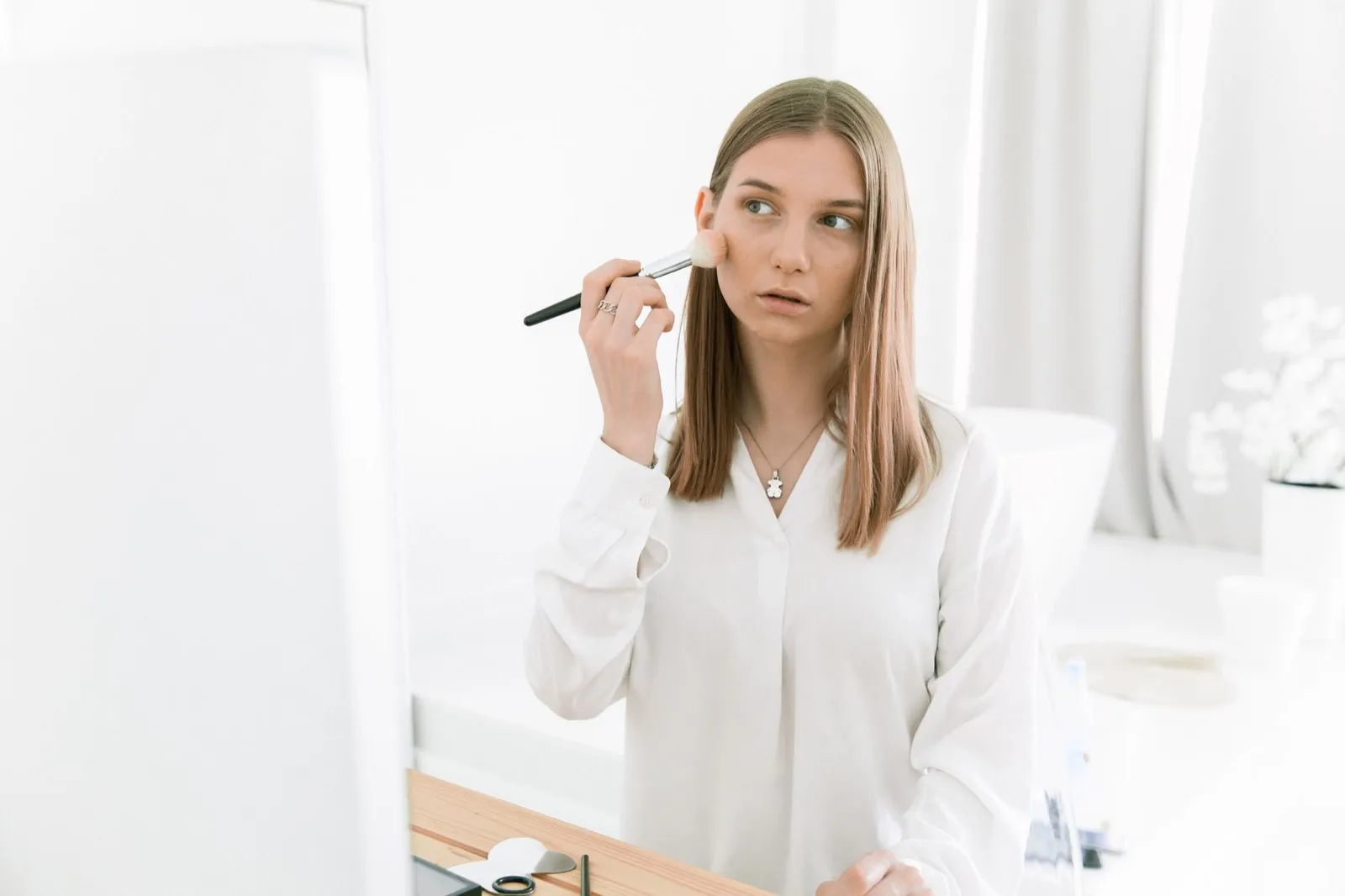
Image Credit: Pexels / KATRIN BOLOVTSOVA
Choosing makeup by occasion is mainly about balancing comfort, setting, and personal style. Everyday makeup may be light and quick, while wedding, party, or festival makeup often needs stronger colour and better staying power.
You do not need a completely different makeup collection for every event. A reliable base, neutral eye products, blush, mascara, and two or three lip colours can be adapted for most situations.
The right look is the one that suits your plans and still feels like you.
How should makeup change for different occasions?
Consider four practical questions before choosing your makeup:
- How long will you be wearing it?
- Will the event be indoors or outdoors?
- Will you be photographed?
- How formal or creative does the occasion feel?
A short coffee date may only require tinted moisturiser and mascara. An outdoor wedding may call for sunscreen, careful setting, and products that tolerate heat. A party gives you more room for shimmer, bold colour, and dramatic lashes.
Your skin type matters too. Someone with oily skin may use more powder and blotting paper, while dry skin may feel more comfortable with hydrating products and less powder.
Everyday makeup
Everyday makeup should be comfortable, easy to apply, and simple to maintain.
A basic look might include:
- Skin tint or lightweight foundation
- Concealer where needed
- Cream or powder blush
- Brow gel
- Mascara
- Tinted lip balm, lipstick, or gloss
Begin with your usual skincare and suitable facial sunscreen. Apply a small amount of skin tint or foundation from the centre of your face outwards. Add concealer under the eyes, around the nose, or over individual marks rather than applying a thick layer everywhere.
For eyes, brush your brows into place, add neutral eyeshadow if you like, then finish with mascara. Brown, taupe, bronze, and soft plum are easy to adapt to everyday wear.
Work and interview makeup
Work makeup can be natural, polished, colourful, or minimal. The most practical option is usually one that lasts through the day and does not require frequent touch-ups.
A polished work routine could include:
- Natural or satin foundation
- Targeted concealer
- Light powder on areas that become shiny
- Soft blush or bronzer
- Defined brows
- Mascara
- Neutral lipstick or tinted balm
Keep eye makeup subtle if that suits your workplace, using taupe, beige, brown, bronze, or muted rose. If black eyeliner feels too strong, try brown, navy, charcoal, or plum.
For an interview, a simple familiar routine is often the safest choice. Avoid experimenting with an entirely new foundation, false lashes, or unfamiliar eyeliner technique on the morning of an important interview.
Date night makeup
Date night makeup can be soft, romantic, bold, or playful. Choose products that feel comfortable and will not distract you during the evening.
You might focus on one feature:
- Glowing skin
- Defined eyes
- A bold lip
- Strong blush
- Glossy lips
- Soft shimmer
For a gentle look, try light to medium coverage foundation, cream blush, soft highlighter, brown eyeliner, lengthening mascara, and rose or nude lipstick.
For more drama, choose one main feature. A smoky eye can be balanced with a neutral lip, while red or berry lipstick can be paired with simple eyeshadow and defined lashes.
Wedding guest makeup
Wedding guest makeup usually needs to last for several hours, work in photographs, and remain comfortable through eating, dancing, and changes in temperature.
Use skincare that you already know works beneath makeup. Allow moisturiser and sunscreen to settle before applying primer or foundation. Apply foundation in light layers, add concealer where more coverage is needed, then set areas that crease or become oily.
Soft metallics, satin neutrals, and muted colours often photograph beautifully. Consider champagne, bronze, gold, taupe, rose, plum, olive, or soft brown.
A small touch-up kit might include:
- Lipstick or gloss
- Concealer
- Blotting paper
- Pressed powder
- Cotton buds
- A small mirror
- Lash glue if you are wearing false lashes
Bridal makeup
Bridal makeup is personal. Some brides prefer barely there makeup, while others feel most like themselves in strong eyeliner, full coverage, and a bold lip.
The main priorities are comfort, longevity, and familiarity.
A bridal makeup trial can help you assess foundation colour, coverage, lash comfort, lipstick wear, photography, daylight appearance, and how long the makeup lasts.
Avoid introducing several new skincare or makeup products immediately before the wedding. Use familiar products unless a professional has tested alternatives with you.
Party and festive makeup
Party makeup gives you space to experiment with colour, texture, and stronger definition.
You might try:
- Metallic eyeshadow
- Graphic eyeliner
- Cosmetic glitter
- False lashes
- Bold blush
- Glossy lips
- Deep lipstick
- Strong highlighter
Begin with thin layers and allow each one to settle. Use primer where needed, then apply long-wearing foundation and concealer. Set oily areas with powder and finish with setting spray if it suits your skin.
For festive makeup, you might add red lipstick, gold eyeshadow, silver shimmer, berry lips, emerald eyeliner, or cranberry blush. Use only cosmetic glitter intended for the relevant area. Craft glitter should not be applied around the eyes.
Prom and graduation makeup
Prom and graduation makeup should feel special while remaining comfortable enough for photographs, dinner, dancing, and celebrations.
Consider the colour and neckline of your outfit, but your makeup does not need to match it exactly.
A balanced look could include:
- Long-wearing foundation
- Targeted concealer
- Soft contour or bronzer
- Blush
- Defined brows
- Shimmer or satin eyeshadow
- Eyeliner
- Mascara or false lashes
- Lip liner and lipstick
Test false lashes before the event. Heavy lashes can feel uncomfortable or cover your eyes in photographs.
Do not choose a darker foundation to look tanned. Use a foundation that matches your skin and add warmth with bronzer or a carefully applied body product.
Festival, holiday, and hot-weather makeup
Festival makeup can be colourful, creative, and playful, but it also needs to tolerate outdoor conditions.
Popular ideas include bright eyeliner, colourful mascara, face gems, metallic shadow, graphic shapes, cosmetic glitter, bold lips, and makeup freckles.
Use suitable sunscreen as part of your daytime skincare. Makeup with added sun protection should not be treated as your only sunscreen unless it is applied in the amount and manner directed for sun protection.
Choose lightweight products if the weather is hot. Heavy layers can feel uncomfortable and may move with sweat. Carry blotting paper, lip balm, and sunscreen for reapplication.
For a beach or pool day, keep the routine minimal and prioritise suitable sun protection. Waterproof products may resist water better, but friction from towels, swimming, and touching the face can still remove them.
Funeral makeup
There is no correct way to wear makeup to a funeral. Some people prefer a minimal look, while others feel more comfortable wearing their usual makeup.
A simple option might include a light base, concealer, soft blush, brow gel, waterproof mascara, and tinted lip balm or muted lipstick.
Waterproof mascara may reduce smudging if you cry, but it is also completely acceptable to skip eye makeup.
Photoshoot and video-call makeup
Makeup for photographs depends on the lighting, camera, styling, and purpose of the shoot.
Match foundation carefully to your face, neck, and visible chest. Apply thin layers and blend around the hairline, ears, and jaw. Use blush and bronzer so the face retains colour and dimension in the finished image.
Take test photographs in the lighting you expect to have if possible. A product that looks subtle in person may appear more reflective with flash.
For video calls, a little extra blush, brow definition, and lip colour may help your features remain visible on screen. Good lighting can make more difference than adding extra makeup.
How to turn daytime makeup into evening makeup
You do not need to remove your entire face before going out after work.
Try these simple changes:
- Blot excess oil.
- Add concealer only where needed.
- Refresh blush.
- Deepen the outer corners of your eyes.
- Add eyeliner.
- Apply another coat of mascara if the first coat is still flexible.
- Add highlighter.
- Change your lip colour.
Avoid adding a thick new layer of foundation over makeup that has already been worn all day. Targeted touch-ups usually look fresher.
How to make occasion makeup last longer
Long-lasting makeup usually comes from careful layering rather than simply using more product.
- Apply skincare suited to your skin type.
- Allow each layer to absorb.
- Use primer only where useful.
- Apply foundation in thin layers.
- Add concealer to targeted areas.
- Set areas that crease or become oily.
- Use eye primer beneath eyeshadow.
- Apply lip liner under lipstick.
- Carry a few touch-up products.
Heat, sweat, tears, eating, and friction can still affect even long-wearing formulas.
Common occasion makeup mistakes
Some common mistakes include:
- Trying several new products on the day
- Applying much more than usual
- Choosing a foundation for artificial tanning
- Forgetting the lighting
- Ignoring comfort
- Following occasion rules too strictly
Use the occasion as practical guidance, then adapt the look to your personality.
When to get professional help
A qualified makeup artist may be helpful for weddings, photography, special events, or occasions where you would prefer someone else to manage the application.
Arrange a trial if possible, especially if you have sensitive skin, allergies, or a specific look in mind. Tell the artist about any known reactions before products are applied.
Stop using a cosmetic if it causes burning, significant itching, swelling, or a persistent rash. Speak to a pharmacist, GP, or dermatologist if the reaction continues.
Seek urgent medical help if you experience difficulty breathing or swelling of your lips, mouth, tongue, or throat after using a cosmetic product.
Related reading
- Makeup Basics for Beginners: Step by Step Guide
- Makeup by Skin Type: How to Choose and Apply the Right Products
- Makeup by Skin Tone: How to Choose Flattering Colours and Foundation
- Makeup by Age: How to Adapt Your Routine from Your Teens to Your 60s