Pilates during pregnancy
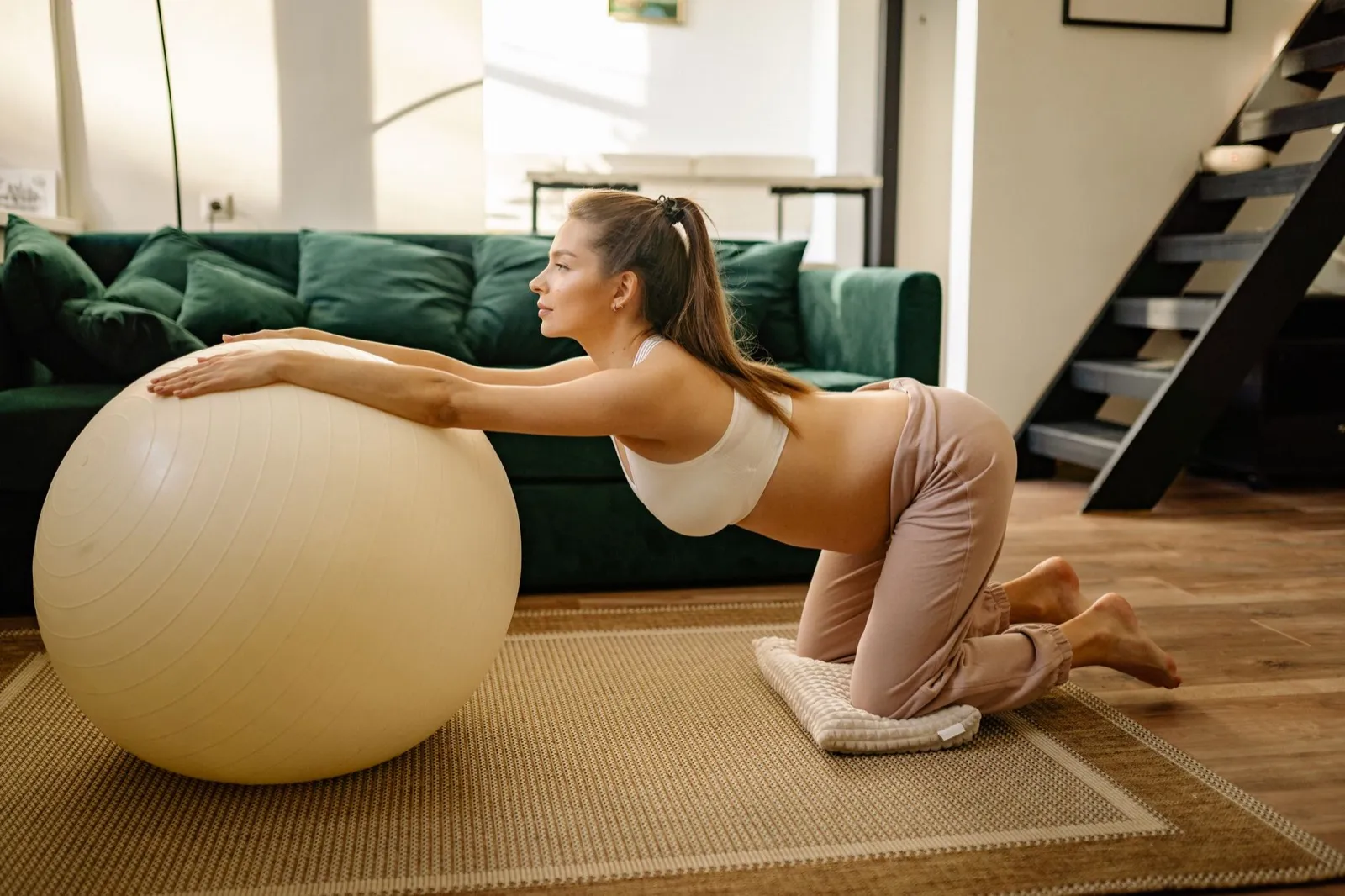
Image Credit: Pexels / Yan Krukau
Pilates can be a suitable way to stay active during an uncomplicated pregnancy. It focuses on controlled movement, strength, balance, flexibility and posture, and exercises can be adapted as your body changes.
If you already practised Pilates before becoming pregnant, you may be able to continue with modifications. If you are new to it, Tommy’s says it can be safe to start during pregnancy if you do not have complications, although beginning with basic exercises and an instructor experienced in pregnancy is sensible.
The key is not to keep up with your pre-pregnancy ability or anyone else in a class. Pregnancy can change your balance, comfort and energy, so your Pilates practice may need to change too.
Is Pilates safe during pregnancy?
For many people with an uncomplicated pregnancy, Pilates can be an appropriate form of exercise. Tommy’s includes Pilates among the activities that can be done during pregnancy and advises adapting exercises as pregnancy progresses.
General NHS guidance also encourages people to remain active during pregnancy for as long as they feel comfortable.
There are situations where exercise may need to be modified or avoided. If you have a medical condition, pregnancy complication or a history that may affect exercise, ask your midwife or doctor for individual guidance.
You should also tell your Pilates instructor that you are pregnant. This gives them the chance to adapt exercises and avoid movements that are not suitable for pregnancy.
What does pregnancy Pilates involve?
Pregnancy Pilates uses controlled exercises that can work on strength, posture, balance and flexibility. Breathing is usually incorporated throughout the movements.
Some classes are designed specifically for pregnancy, while others are general Pilates classes with modifications for pregnant participants.
A pregnancy-specific class can be useful because the instructor can plan movements around the physical changes of pregnancy. Your centre of gravity changes as your bump grows, for example, which can affect balance.
You do not need to perform difficult exercises for Pilates to be worthwhile. Basic, controlled movements may be more appropriate than progressing towards challenging variations.
Can you start Pilates while pregnant?
Tommy’s says Pilates can be started during pregnancy if you do not have complications.
If you are new to Pilates, begin with basic exercises rather than joining an advanced class. An instructor qualified or experienced in teaching pregnant people can help you understand which movements need adjusting.
If you were not active before pregnancy, avoid suddenly beginning strenuous exercise. NHS guidance recommends building activity gradually instead.
Speak to your midwife, GP or maternity team before starting if you have a medical condition, pregnancy complication or concerns about exercising.
Continuing Pilates if you already practise
You may not need to stop Pilates simply because you are pregnant.
If your pregnancy is uncomplicated and you feel comfortable, you may be able to continue your usual practice with appropriate changes. Tell your instructor about your pregnancy so they can modify exercises as needed.
Your routine is likely to evolve. Balance can become more challenging, some positions may become uncomfortable, and exercises involving lying on your back may need changing later in pregnancy.
Pregnancy is not a reason to prove that you can maintain your previous intensity. Adjusting an exercise is part of practising safely.
Lying on your back during Pilates
Many traditional Pilates exercises are performed lying on the back, so this is one area where pregnancy modifications become particularly relevant.
The NHS advises avoiding exercises that involve lying flat on your back for longer than a few minutes, particularly after 16 weeks. The weight of the bump can press on a major blood vessel returning blood to the heart and may make you feel dizzy or faint.
Tommy’s similarly advises avoiding lying on your back for too long, especially after 16 weeks.
A pregnancy-trained instructor can offer alternative positions rather than simply removing large parts of the session.
Balance and stability
Your centre of gravity changes during pregnancy, which can make some movements feel less stable than they did before.
Tommy’s recommends moving slowly and using support, such as a wall or chair, when needed.
Do not feel that using support makes an exercise less effective. Stability matters more than completing a movement without assistance.
If a particular exercise makes you feel unsteady, ask for a modification or leave it out.
Stretching during pregnancy
Pilates can include flexibility work, but pregnancy is not the time to force a deeper stretch.
Tommy’s advises being careful not to overstretch or push yourself too hard. Controlled movement within a comfortable range is more appropriate than trying to reach a previous level of flexibility.
Pain is a reason to stop rather than push further.
An experienced pregnancy Pilates instructor should be able to adjust exercises to suit your changing range of movement.
Breathing during Pilates
Controlled breathing is a familiar part of Pilates, but you should not hold your breath during pregnancy exercise.
Tommy’s recommends breathing deeply and evenly throughout Pilates exercises.
If an exercise leaves you unable to breathe comfortably or makes you unusually breathless, stop and recover.
The NHS uses a simple conversation test for pregnancy exercise. You should be able to hold a conversation while being active. If talking makes you very breathless, the intensity is too high.
Pilates and the pelvic floor
Pilates often includes awareness of the muscles around the trunk and pelvis. Pelvic floor exercises are also specifically recommended during pregnancy by the NHS.
The pelvic floor supports the bladder, bowel and womb, and pregnancy places additional strain on these muscles.
A Pilates class may include pelvic floor work, but it does not need to replace individual advice. If you have pelvic floor symptoms, pain or uncertainty about how to perform pelvic floor exercises, speak to your midwife, GP or a pelvic health physiotherapist.
Pilates with pelvic girdle pain
Pelvic girdle pain can make certain movements uncomfortable.
Tommy’s notes that people with pelvic girdle pain may need to avoid movements that involve taking the legs far apart. Your instructor should know about your symptoms so they can modify the session.
Do not use exercise as a way to push through pelvic pain. If Pilates is worsening your symptoms, stop the uncomfortable movements and ask your midwife, GP or maternity physiotherapist for advice.
What about abdominal separation?
The abdominal muscles naturally change as pregnancy progresses, and some people develop separation of the abdominal muscles, known as diastasis recti.
Tommy’s advises that people with separated abdominal muscles should avoid exercises requiring a lot of core strength, such as planks, and seek appropriate guidance.
If you notice changes that concern you or are unsure which abdominal exercises are suitable, ask your midwife or a physiotherapist with experience in pregnancy and pelvic health.
Choosing a pregnancy Pilates class
A good starting point is a class specifically designed for pregnant people or an instructor with relevant pregnancy experience.
Tell the instructor that you are pregnant before starting. Also mention any medical conditions, pregnancy complications, pain or professional advice that could affect your exercise.
If you attend a general Pilates class, ask whether the instructor can confidently provide pregnancy adaptations. You should not be expected to perform movements that feel uncomfortable simply because the rest of the class is doing them.
Online classes can be convenient, but choose sessions created specifically for pregnancy and taught by an appropriately qualified instructor.
Heated Pilates
Avoid Pilates classes that involve exercising in excessive heat.
NHS guidance advises against strenuous exercise in hot weather because overheating is easier during pregnancy. Tommy’s also specifically recommends keeping cool and avoiding types of Pilates that involve heat.
Choose a comfortable environment, drink water and stop if you feel unwell.
When to get professional advice
Talk to your midwife or doctor before starting or continuing Pilates if you have a medical condition, pregnancy complication, previous pregnancy problem or have been advised that your pregnancy needs additional monitoring.
Stop exercising if you feel pain, dizziness, unusual breathlessness or generally unwell. Seek advice from your midwife, GP or maternity team if symptoms concern you rather than assuming they are caused by normal pregnancy changes.
Vaginal bleeding during pregnancy requires medical advice. Contact your maternity unit or the healthcare service you have been advised to use if you experience bleeding or another urgent pregnancy concern.
NHS 111 can help with urgent medical problems when you are unsure where to seek care. Call 999 for a life-threatening emergency.