Pregnancy Exercise
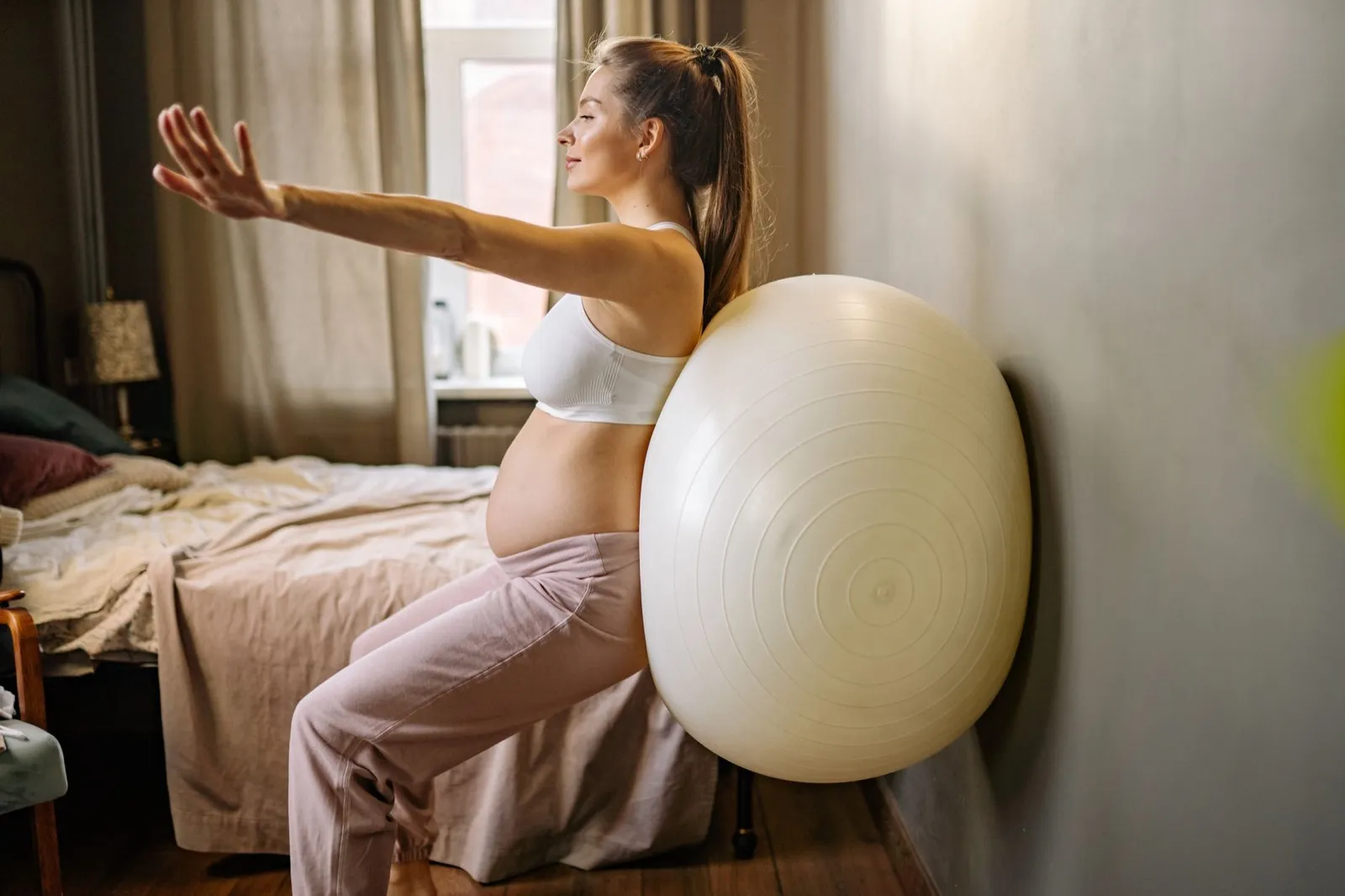
Image Credit: Pexels / Yan Krukau
For most people with an uncomplicated pregnancy, staying active is encouraged. Current UK guidance recommends aiming for at least 150 minutes of moderate-intensity activity each week, while adapting what you do as your pregnancy changes.
That does not mean you need to reach a particular fitness level or push through discomfort. If you were already active before pregnancy, you can usually continue with suitable activities for as long as they feel comfortable. If you were not active before pregnancy, guidance recommends starting gradually rather than suddenly beginning strenuous exercise.
Some pregnancies need more individual advice. If you have a medical condition, pregnancy complication or concerns about exercising, speak to your midwife, GP or maternity team before changing your activity.
How much exercise should you do during pregnancy?
The UK Chief Medical Officers’ physical activity guidelines recommend aiming for at least 150 minutes of moderate-intensity activity each week during pregnancy. They also recommend muscle-strengthening activities twice a week.
Those 150 minutes do not have to happen in long workouts. Activity can be spread across the week, and every minute counts.
Moderate intensity means you are working hard enough to notice your breathing increase while still being able to talk. The NHS uses a simple conversation check: if you become too breathless to talk while exercising, you may be exercising too strenuously.
If 150 minutes feels unrealistic because of tiredness, nausea, pain or simply a busy week, that does not make exercise pointless. The NHS emphasises that any amount of activity is better than none.
Can you continue exercising if you were active before pregnancy?
In many uncomplicated pregnancies, yes.
The NHS advises keeping up your usual daily physical activity or exercise for as long as you feel comfortable. This can include activities such as walking, running, yoga and dancing.
Pregnancy can change how exercise feels. You may find that an activity you previously enjoyed needs to become slower, shorter or less intense. Your balance, energy levels and comfort can also change as pregnancy progresses.
Listening to those changes is part of adapting exercise, not a sign that you are doing something wrong.
If your maternity team has advised you to limit or avoid particular activities, follow their individual guidance.
What if you did not exercise before pregnancy?
Pregnancy does not mean you have to suddenly become highly active.
If you were not exercising before becoming pregnant, NHS guidance advises against suddenly starting strenuous exercise. Instead, activity can be introduced gradually.
Walking is one accessible option. The NHS suggests beginning with around 10 minutes of daily activity if you have not exercised for a while, then gradually building towards the weekly activity recommendation.
If you have concerns about starting exercise, particularly if you have a medical condition or pregnancy complication, ask your midwife or doctor what is appropriate for you.
Which exercises can you do during pregnancy?
There is no single best pregnancy workout. The most suitable activity depends on your previous fitness, health, pregnancy and what feels comfortable.
Examples included in current NHS and UK physical activity guidance include:
- walking
- swimming
- pregnancy or prenatal yoga
- dancing
- gym activities
- cycling
- aerobic exercise
- muscle-strengthening activities
Running can also be continued by people who are experienced runners and remain comfortable doing it. The NHS advises against taking up running for the first time during pregnancy.
Swimming can feel particularly comfortable because the water supports some of your increased body weight. Pregnancy-specific exercise or aqua-natal classes may also be available locally.
If you attend a fitness class, tell the instructor that you are pregnant. NHS guidance recommends choosing an appropriately qualified instructor who knows about your pregnancy.
What about strength training?
Strengthening activity is included in current UK physical activity recommendations for pregnancy, with guidance suggesting muscle-strengthening activities twice a week.
That does not mean every type of strength workout is appropriate for every pregnancy. Your previous training experience matters, and exercises may need to be modified as your body changes.
If you already lift weights or follow a structured strength programme, discuss any concerns with a qualified prenatal fitness professional or your maternity team.
If strength training is completely new to you, pregnancy is not the time to suddenly begin a strenuous programme without appropriate guidance.
Exercises and activities to avoid during pregnancy
Some activities carry risks that make them unsuitable during pregnancy.
The NHS advises against scuba diving because a developing baby has no protection against decompression sickness and gas embolism.
Contact sports where there is a risk of being hit should also be avoided. Activities with a significant risk of falling, such as horse riding, downhill skiing and gymnastics, require particular caution because a fall could cause injury.
NHS guidance also advises avoiding prolonged exercise lying flat on your back, particularly after 16 weeks of pregnancy. The weight of the uterus can press on a major blood vessel and make you feel faint.
Exercise at high altitude also needs care. Current NHS guidance advises against exercising at altitudes above 2,500 metres until you have acclimatised because of the risk of altitude sickness.
Exercising comfortably and safely
Pregnancy is a good time to pay attention to how exercise feels rather than chasing previous performance.
The NHS recommends warming up before exercise and cooling down afterwards. It also advises drinking plenty of fluids and avoiding strenuous exercise in hot weather.
Use the conversation check to judge intensity. During moderate activity, you should generally still be able to speak.
Your usual pace may change during pregnancy, and there is no need to compete with your pre-pregnancy fitness. If something feels uncomfortable, stop and reassess rather than pushing through it.
Pelvic floor exercise during pregnancy
Pelvic floor exercises are another part of NHS pregnancy exercise guidance.
The pelvic floor is a group of muscles that supports the bladder, bowel and uterus. Pregnancy and childbirth place additional strain on these muscles.
The NHS recommends pelvic floor exercises during pregnancy and provides instructions for practising both shorter and longer contractions.
If you are unsure whether you are doing pelvic floor exercises correctly, experience pelvic pain or have symptoms such as urine leakage, ask your midwife or GP about pelvic health physiotherapy.
Exercise does not have to look like a workout
Physical activity during pregnancy can be much simpler than a scheduled gym session.
Walking, climbing stairs, dancing and everyday movement can all contribute towards weekly activity. Current UK guidance makes the point that every minute counts.
This can be useful during weeks when pregnancy symptoms make your normal routine difficult. Some days you may want a longer walk or workout. On others, gentle movement may be all that feels manageable.
Rest is also part of responding to what your body needs. Pregnancy exercise guidance is a health recommendation, not a test of discipline or fitness.
When to get professional advice
Speak to your midwife, GP or maternity team if you have a medical condition, pregnancy complication or any concern about whether an activity is suitable for you. Individual advice matters because general exercise guidance may not apply to every pregnancy.
If you were not active before pregnancy and want to begin a new exercise programme, start gradually. If you are unsure what level or type of activity is appropriate, discuss it with your maternity team.
Stop exercising if you feel unwell or uncomfortable and seek advice if you are concerned about symptoms during or after activity. Do not use general exercise advice to explain away pregnancy symptoms that worry you.
Contact your maternity unit if you develop symptoms that your maternity team has told you require urgent assessment. If you need urgent medical advice and cannot reach the appropriate maternity service, NHS 111 can advise you where to get help. Call 999 for a life-threatening emergency.