Swimming during pregnancy
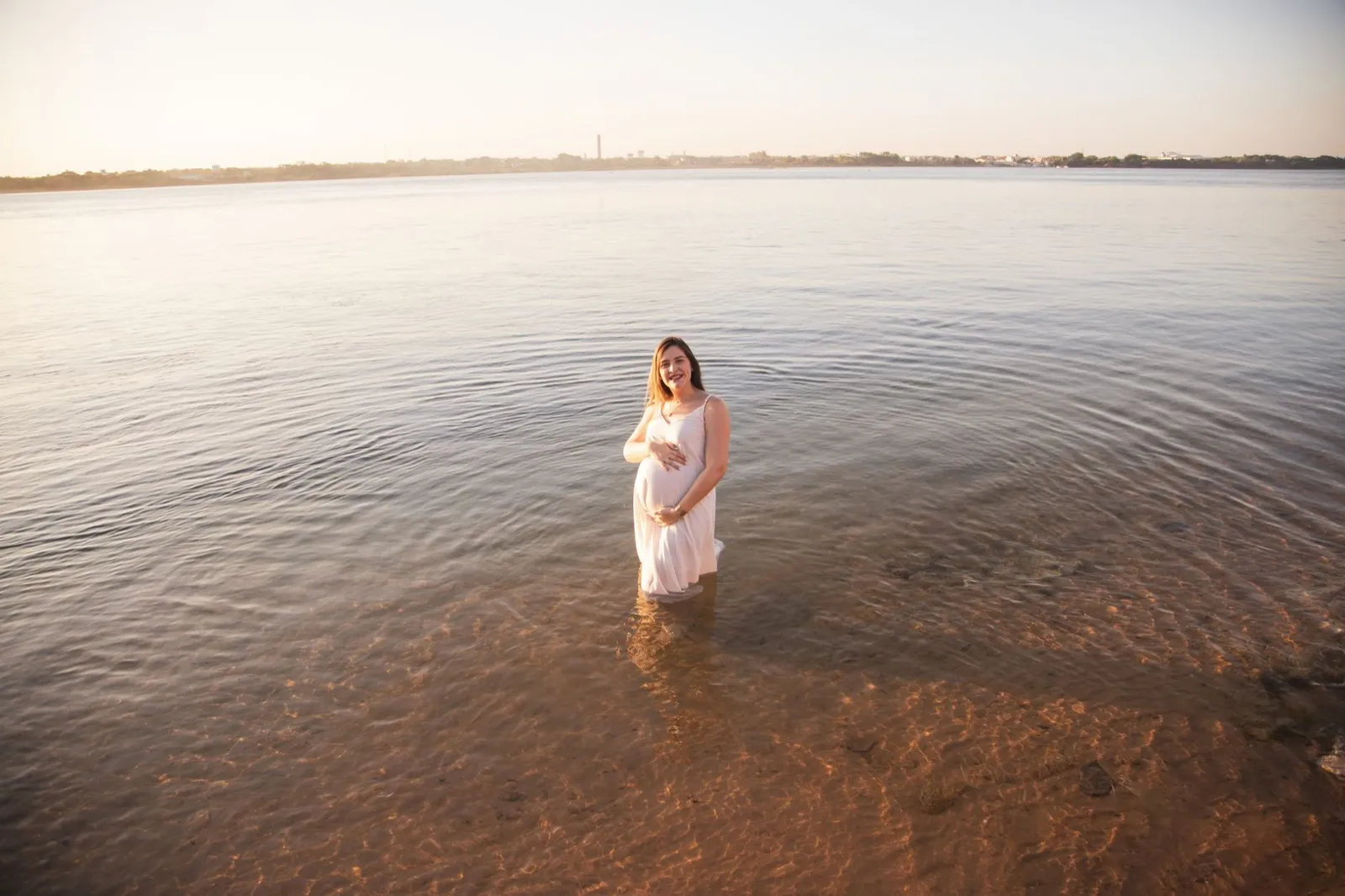
Image Credit: Pexels / Hannah Barata
Swimming can be a comfortable way to stay active during pregnancy because the water supports your increased weight and places less stress on your joints. If your pregnancy is uncomplicated, swimming is generally considered a suitable form of exercise.
If you already swam regularly before pregnancy, you can usually continue for as long as it feels comfortable. If swimming is new to you, start gently rather than suddenly beginning strenuous sessions.
Pregnancy can change your energy, balance and comfort in the water, so your swimming routine does not need to look the same from week to week.
Is swimming safe during pregnancy?
The NHS includes swimming among the forms of exercise that can be suitable during pregnancy. The water supports your increased weight, which can make movement feel easier as your body changes.
Tommy’s also advises that people who were used to swimming before pregnancy can generally continue. If you have not done much swimming previously, begin slowly and build up gradually.
How hard you swim matters too. The NHS recommends using the conversation test during pregnancy exercise. You should still be able to hold a conversation while being active. If talking leaves you breathless, reduce the intensity.
If you have a medical condition, pregnancy complication or history that may affect exercise, speak to your midwife or doctor before swimming.
Why swimming can feel comfortable in pregnancy
One of the main attractions of swimming during pregnancy is the support provided by the water.
As your bump grows, weight-bearing exercise may feel different. In a pool, the water supports your body while still allowing you to move and exercise.
Swimming is also a low-impact activity, so it does not place the same load on your joints as some land-based exercises.
Tommy’s notes that swimming can be a useful way to stay active for people experiencing back pain or pelvic girdle pain, although the swimming stroke may need adapting if particular movements are uncomfortable.
You do not need to swim fast or cover a certain distance for a session to count as physical activity.
Can you start swimming while pregnant?
You do not need to have been a swimmer before pregnancy to use the pool for exercise.
If you are new to swimming or have not exercised regularly for some time, start slowly. The NHS advises against suddenly beginning strenuous exercise if you were not active before becoming pregnant.
That might mean beginning with an easy swim or simply moving through the water at a comfortable pace rather than trying to complete a demanding workout.
If you attend a swimming or exercise class, tell the instructor that you are pregnant. The NHS recommends choosing a properly qualified instructor who knows about your pregnancy.
How much swimming should you do?
There is no requirement to complete a particular number of lengths or swim at a certain speed.
General NHS pregnancy exercise guidance recommends aiming for regular activity while adapting it to your fitness level and how you feel. If you were active before pregnancy, you may be able to continue your usual activity with adjustments. If you are starting from a less active baseline, build up gradually.
Use the conversation test as a simple guide. You should be able to speak while exercising without becoming very breathless.
Some days may feel easier than others. Slowing down, shortening a swim or taking more breaks is a reasonable response if your body is asking for it.
Which swimming stroke is best during pregnancy?
There is no single swimming stroke that everyone needs to use during pregnancy. Comfort is the most useful guide.
Tommy’s recommends finding a stroke that feels comfortable and avoiding strong twisting movements that cause strain.
If you have pelvic girdle pain, breaststroke may be uncomfortable because of the leg movement involved. Tommy’s advises that people with pelvic girdle pain may need to avoid breaststroke if it worsens their symptoms.
If you are unsure which movements are suitable because of pain or another pregnancy-related issue, ask your midwife or a maternity physiotherapist for individual advice.
Aquanatal classes
Aquanatal classes are exercise sessions in water designed specifically for pregnancy.
They may include aerobic exercise, strengthening movements, stretching, breathing awareness and a warm-up. The exact structure depends on the class and instructor.
The NHS notes that some local swimming pools offer aquanatal classes with qualified instructors.
Do not assume that a general aqua aerobics class is automatically pregnancy-specific. Tommy’s recommends checking that the instructor is qualified to teach pregnant people and can appropriately modify the exercises.
A class should allow you to work at your own level rather than pressure you to keep pace with other participants.
Pool temperature and hydration
Swimming can feel cooler than exercising on land, but hydration still matters.
The NHS advises drinking plenty of water and other fluids during pregnancy exercise. Tommy’s suggests taking water with you if you will be swimming or exercising in water for longer periods.
Very hot water should be avoided. Tommy’s advises against swimming in very hot or very cold water, and NHS pregnancy exercise guidance recommends avoiding strenuous exercise in hot conditions.
If you begin to feel unwell while swimming, get out of the water rather than continuing your session.
Diving and jumping into the pool
Tommy’s advises avoiding diving or jumping into the water during pregnancy.
Using the pool steps or another safe entry can be a more controlled option, particularly as your balance and body shape change.
Take care around wet poolside surfaces too. Move at a comfortable pace and use handrails where available.
What about open water swimming?
Some people continue swimming in the sea, lakes or rivers during pregnancy, but open water brings considerations that are different from swimming in a controlled pool.
Tommy’s advises being aware that changes to your body may affect how strong you feel in the water. Waves, currents and water temperature can also make open water more demanding.
Stay within your swimming ability and avoid swimming alone. Very cold water should be avoided.
If you are uncertain about open water swimming during your pregnancy, particularly if you have a health condition or pregnancy complication, ask your midwife or doctor for advice before continuing.
Listening to your body in the water
Pregnancy is not a time when exercise needs to become a test of endurance.
You may find that swimming feels wonderfully comfortable one week and more tiring another. Adjusting your pace or stopping early is not a failure to exercise properly.
The NHS advises not to exhaust yourself during pregnancy exercise and to slow down as needed.
If something hurts, you feel unwell or your usual swim suddenly feels wrong for you, stop and seek professional advice if you are concerned.
When to get professional advice
Speak to your midwife or doctor before swimming if you have a medical condition, pregnancy complication, previous pregnancy problem or have been advised to modify physical activity.
Stop exercising and seek advice if you feel unwell or develop symptoms that concern you. Tommy’s specifically advises leaving the water and contacting your midwife or GP if you become unwell while swimming.
Vaginal bleeding during pregnancy requires medical advice. Contact your maternity unit or the healthcare service you have been advised to use if you experience bleeding or another urgent pregnancy concern.
NHS 111 can advise you about urgent medical problems when you are unsure where to get help. Call 999 for a life-threatening emergency.