Pregnancy Aftercare
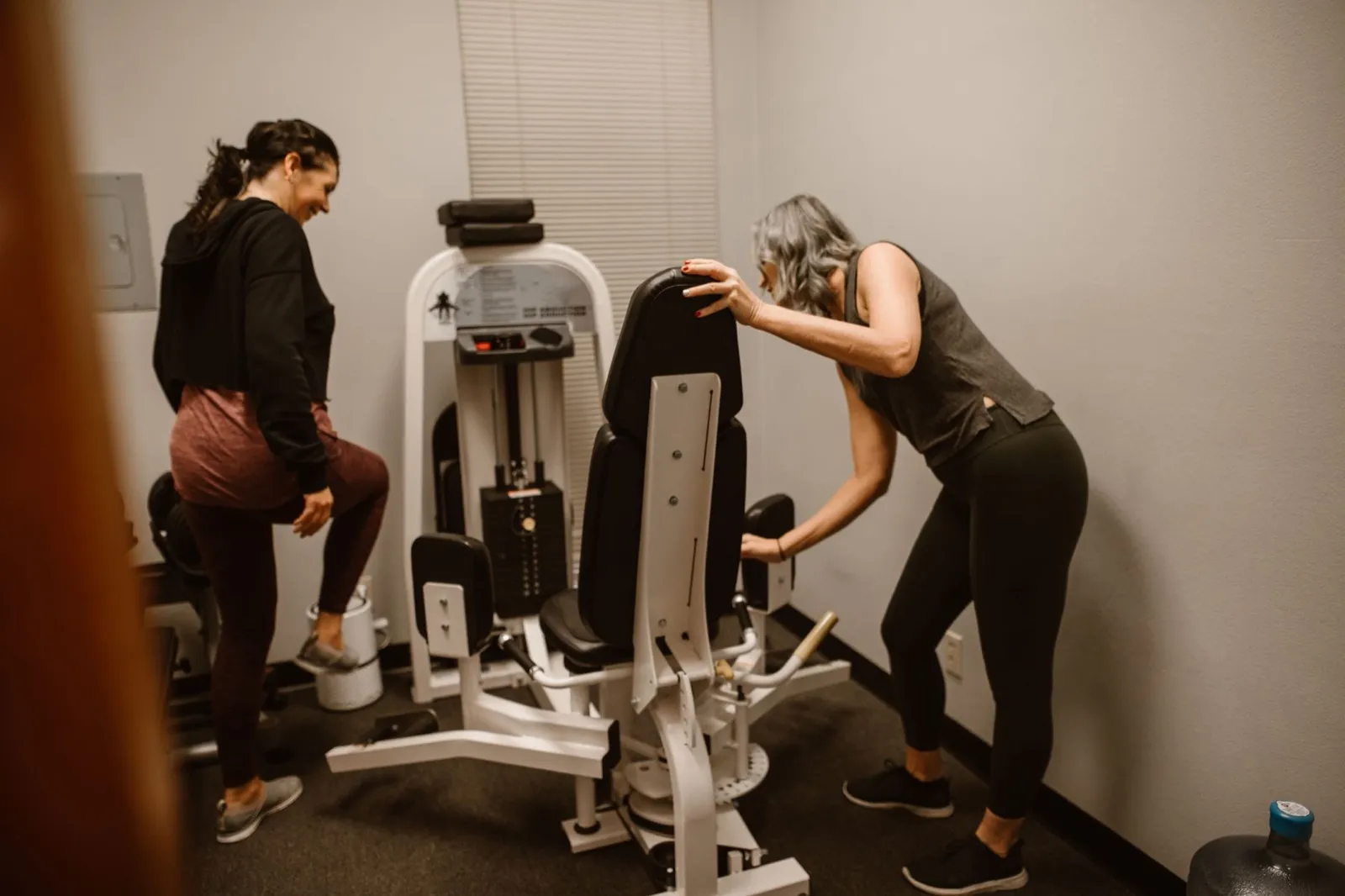
Image Credit: Pexels / RDNE Stock project
The weeks after giving birth can involve a lot of attention on the baby, but your own recovery matters too. Pregnancy aftercare, usually called postnatal care, covers your physical recovery, emotional wellbeing and the support you receive after birth.
There is no single timetable for feeling like yourself again. Recovery can depend on the pregnancy, the type of birth, any complications, your health and many other factors. Some changes settle relatively quickly, while others need more time or professional support.
You also do not need to wait for a routine appointment if something feels wrong. Your midwife, maternity team, health visitor or GP can help with concerns about your recovery.
What happens after you give birth?
Postnatal care begins soon after birth and continues once you are home.
In the early days, healthcare professionals may check how you are recovering physically and ask about your emotional wellbeing. The care you need will depend on your individual circumstances, including how you gave birth and whether you or your baby need additional support.
The NHS says that postnatal bleeding, known as lochia, is expected after birth and can continue for several weeks. It should generally become lighter over time. Your body may also be recovering from stitches, a tear, an episiotomy or a caesarean wound.
There can be less visible changes too. Pregnancy and birth can affect your bladder, pelvic floor, bowel function, sleep, energy levels and emotional wellbeing.
You do not have to decide for yourself whether a problem is simply part of recovery. If something concerns you, ask.
Recovering after a vaginal birth
After a vaginal birth, the area around the vagina and perineum may feel sore, particularly if you had a tear, episiotomy or stitches.
The NHS advises keeping stitches clean and telling your midwife if they are particularly sore or uncomfortable. Difficulty passing urine, significant soreness or an unpleasant smell are also reasons to speak to your midwife.
Bleeding after birth is normal, but the amount should reduce over time. RCOG explains that bleeding is usually heaviest shortly after birth before gradually becoming lighter.
Pelvic floor symptoms can also occur after pregnancy and birth. The NHS advises asking a GP or health visitor for help if problems such as bladder leakage or a feeling of heaviness are bothering you. Referral to specialist support may be appropriate.
Recovery does not have to look impressive. Rest, practical support and allowing your body time to recover are legitimate parts of postnatal care.
Recovering after a caesarean birth
A caesarean is abdominal surgery, so recovery has some additional considerations.
The NHS advises watching the wound for signs of infection and gradually returning to normal activities as you feel able. Some activities may remain uncomfortable or unsuitable for several weeks, and your midwife or GP can advise you about your individual recovery.
Contact your midwife or GP promptly if the wound becomes increasingly red, painful or swollen, or if you notice pus or foul-smelling fluid. Severe pain, heavy vaginal bleeding, pain when passing urine, shortness of breath, or pain or swelling in a lower leg also need medical assessment.
Try not to compare your recovery with somebody else’s. Even two people who both had caesarean births may have very different experiences afterwards.
Understanding bleeding after birth
Vaginal bleeding happens after both vaginal and caesarean births because the womb is healing from where the placenta was attached.
The NHS says postnatal bleeding usually continues for several weeks and often stops within around 6 to 8 weeks, although it can last longer.
The pattern matters as well as the presence of bleeding. Speak to your GP, midwife or health visitor if the bleeding becomes heavier rather than lighter, smells unusual, contains clots, or is accompanied by a temperature above 38°C, worsening abdominal pain or worsening pain around the perineum.
Sudden, very heavy bleeding accompanied by faintness, dizziness or a pounding heart is an emergency. The NHS advises calling 999 in this situation.
Looking after stitches and wounds
If you have stitches following a tear or episiotomy, the NHS recommends washing the area daily with plain warm water and carefully patting it dry.
If you have a caesarean wound, follow the wound-care advice given by your maternity team and pay attention to changes such as increasing redness, swelling, pain or discharge.
Pain that is worsening rather than settling deserves attention. You do not need to wait until a scheduled check if you are concerned about healing.
If you need pain relief after birth, ask your midwife, GP or pharmacist what is appropriate for you, particularly if you are breastfeeding or taking other medicines.
Your pelvic floor and bladder
Pregnancy and birth can affect the muscles that support your bladder, bowel and pelvic organs.
Some people notice urine leakage, difficulty controlling their bowel, discomfort or a heavy sensation after birth. These symptoms can feel awkward to mention, but they are valid health concerns.
The NHS recommends discussing ongoing bladder or bowel problems at your postnatal check and seeking help earlier if a physical problem is bothering you.
Your GP or health visitor can advise you and arrange specialist assessment where necessary. You do not have to accept persistent symptoms as something you simply have to live with after having a baby.
Emotional recovery matters too
Physical recovery is only one part of pregnancy aftercare.
Birth can leave people feeling happy, relieved, overwhelmed, anxious, low, numb, unsettled or a mixture of emotions. Your experience may also be affected by how the pregnancy and birth went, previous experiences, sleep, support at home and your wider circumstances.
NICE guidance recognises the importance of mental health care during pregnancy and the postnatal period. Emotional wellbeing should be treated as part of healthcare, not as something separate from it.
Tell your midwife, health visitor or GP if you are struggling with persistent low mood, anxiety, frightening thoughts, distress about the birth or anything else affecting your mental wellbeing. You can ask for support before your routine postnatal check.
If you are concerned that you may harm yourself or someone else, or you are experiencing a mental health crisis, seek urgent medical help.
Eating, drinking and resting after birth
The early postnatal period can be physically demanding, and caring for a newborn can make basic routines surprisingly difficult.
There is no need to turn recovery into another project. Regular meals, drinks, opportunities to rest and accepting practical help where it is available can make everyday life more manageable.
Your nutritional needs and any supplements or medicines you need may depend on your health and circumstances. Ask your midwife, GP or pharmacist for personalised advice rather than starting a treatment or supplement because it is marketed for postpartum recovery.
Sleep can be fragmented with a newborn. If exhaustion is becoming difficult to manage, particularly if it is affecting your mood or ability to function safely, tell your healthcare team.
Returning to movement and exercise
There is no prize for returning to exercise quickly after birth.
What feels appropriate depends on your recovery, the type of birth you had, complications and how your body feels. After a caesarean, the NHS recommends gentle activity while recovering and advises against overexertion.
If movement causes pain, increased bleeding, pressure, bladder or bowel symptoms, or you are uncertain about returning to a particular activity, ask your midwife, GP or a qualified pelvic health professional for advice.
Postnatal recovery is not a fitness deadline. Your body has been through pregnancy and birth, and your needs can change from one week to the next.
Your 6 to 8 week postnatal check
The NHS says you should be offered a postnatal check by your GP surgery around 6 to 8 weeks after birth.
This appointment is about your health and recovery. It may include discussion of your mental wellbeing, vaginal discharge or bleeding, contraception and any physical symptoms. Your blood pressure may be checked if there were concerns during pregnancy or immediately after birth.
If you had stitches, an episiotomy or a caesarean, you may also be offered an examination to check healing where appropriate.
This is a useful opportunity to mention bladder or bowel problems, painful sex, ongoing pain, low mood, anxiety or anything else that has been troubling you.
You can request an appointment yourself if you have not been offered one. More importantly, you do not have to wait until 6 to 8 weeks to ask for help.
Aftercare after pregnancy or baby loss
Postnatal care can also be needed after pregnancy or baby loss.
Physical recovery and follow-up depend on what happened and the stage of pregnancy. Emotional needs vary just as widely. RCOG advises that people experiencing stillbirth should receive support and information from their healthcare professionals, including care following the birth.
If you have experienced a loss, your maternity team or GP can explain what follow-up is recommended for your individual circumstances. You can also ask about emotional or bereavement support.
There is no correct way to feel or a timetable for grief.
When to get professional advice
Contact your midwife, maternity team, health visitor or GP if you are worried about your recovery, even if your symptoms are not listed here.
Seek prompt medical advice if postnatal bleeding becomes heavier, smells unusual, contains clots, or is accompanied by a temperature above 38°C, worsening abdominal pain or worsening perineal pain.
After a caesarean, contact your midwife or GP promptly for severe pain, heavy bleeding, pain when passing urine, increasing redness, pain or swelling around the wound, pus or foul-smelling wound discharge, shortness of breath, or pain or swelling in a lower leg.
Call 999 if postnatal bleeding is suddenly very heavy and you feel faint, dizzy or have a pounding heart. Emergency help is also appropriate if you have severe breathing difficulty, collapse or another life-threatening emergency.
Mental health concerns deserve the same attention as physical ones. Speak to your midwife, health visitor or GP if you are feeling persistently low, anxious, overwhelmed or distressed. If you believe you or someone else is in immediate danger, seek emergency help.