Pregnancy Tests
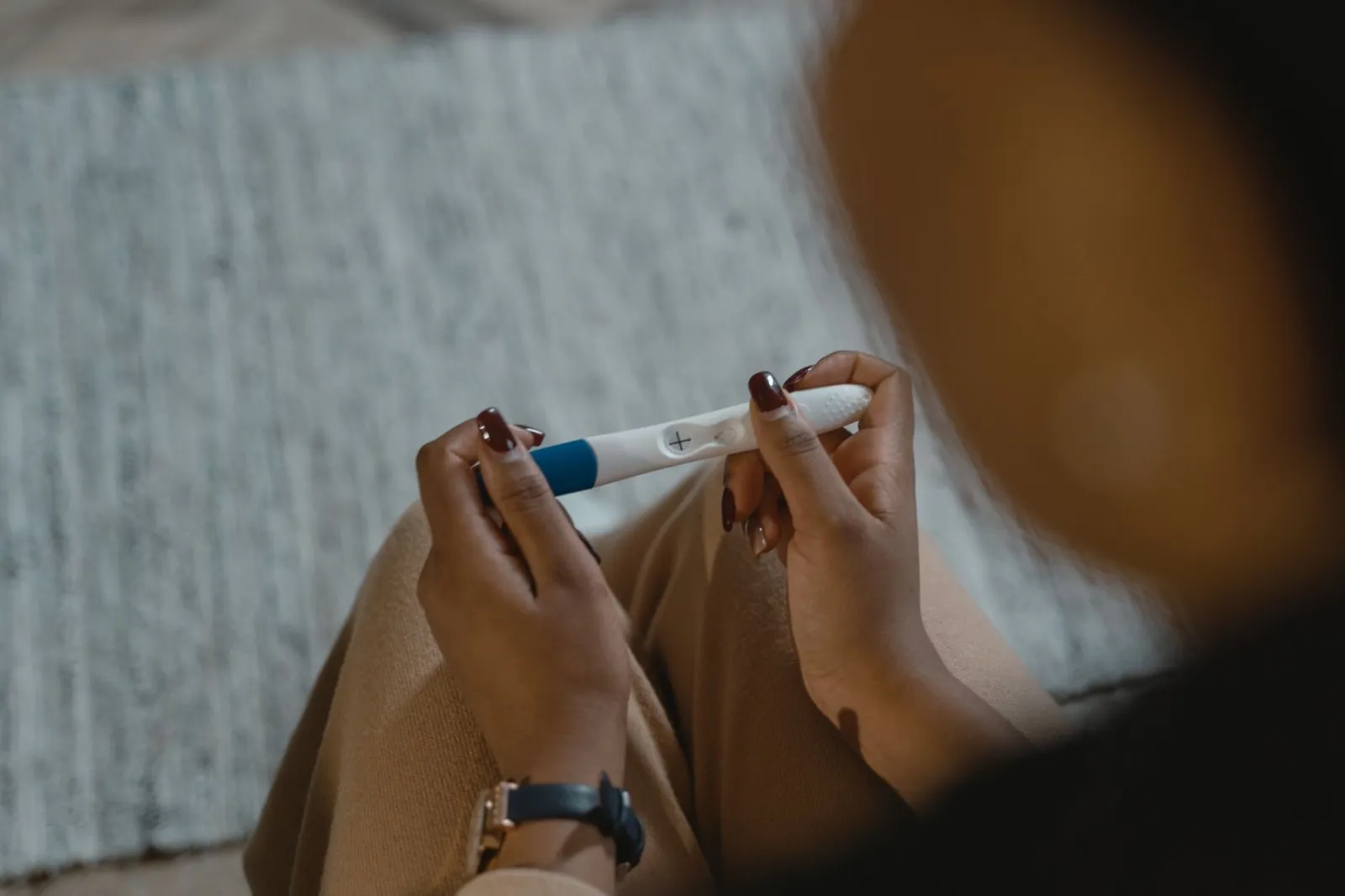
Image Credit: Pexels / Tima Miroshnichenko
Taking a pregnancy test can feel surprisingly emotional. You may be hoping for a positive result, hoping for a negative one, or simply wanting a clear answer after days of uncertainty.
Home pregnancy tests detect a hormone called human chorionic gonadotrophin, usually shortened to hCG, in urine. According to the NHS, most pregnancy tests are most reliable from the first day of a missed period. If you do not know when your next period is due, the NHS advises testing at least 21 days after you last had unprotected sex.
A positive home test is almost certainly correct when the instructions have been followed properly. A negative result can be less reliable, particularly if you test too early.
How do pregnancy tests work?
Pregnancy tests look for hCG. This hormone starts to be produced around six days after fertilisation, according to the NHS.
Home tests usually involve either passing urine onto a testing stick or collecting urine and using it as directed by the manufacturer. The result then appears according to the particular test’s instructions.
Tests are not all designed in exactly the same way. Some show lines, some use symbols and digital tests may display words. Reading the instructions for the specific test you are using matters, including checking how and when the result should be read.
The NHS says urine for a pregnancy test can be collected at any time of day. It does not have to be first thing in the morning.
When should you take a pregnancy test?
For most home pregnancy tests, the NHS recommends testing from the first day of a missed period.
If you do not know when your period is due, perhaps because your cycles are irregular, NHS guidance is to wait until at least 21 days after you last had unprotected sex.
Some tests are marketed for use before a missed period. However, testing earlier can make a negative result less reliable because there may not yet be enough hCG for the test to detect.
This means the timing of the test matters most when the result is negative. If you test early and receive a negative result, it does not necessarily rule out pregnancy.
How accurate are home pregnancy tests?
The NHS states that home pregnancy tests are accurate when their instructions are followed correctly.
A positive result is almost certainly correct. Negative results are less reliable and can occur if the test is taken too early or the instructions are not followed properly.
Some medicines can also affect pregnancy test results. If you are taking medication and are unsure whether it could affect a test, speak to a pharmacist, GP or another healthcare professional rather than trying to interpret the result yourself.
Checking the expiry date and following the manufacturer’s instructions can also help you use the test as intended.
What does a positive pregnancy test mean?
A positive home pregnancy test usually means hCG has been detected.
What happens next depends partly on how you feel about the pregnancy. There is no single emotional response you are supposed to have. A positive result can bring happiness, worry, surprise, uncertainty or several feelings at once.
If you want to continue the pregnancy, the NHS advises telling the NHS as soon as possible so that antenatal care can be arranged. In England, you can often self-refer directly to an NHS maternity service.
If you are unsure about continuing the pregnancy, you can discuss your options confidentially with a healthcare professional or sexual health service.
A home pregnancy test confirms the presence of hCG, but it cannot tell you how the pregnancy is developing or where it is located. If you have concerning symptoms, seek medical advice even if the test result itself seems clear.
What does a negative pregnancy test mean?
A negative pregnancy test means the test has not detected enough hCG to give a positive result at that time.
It may mean you are not pregnant, but a negative result can also happen if you test too early.
The NHS advises waiting a few days and testing again if the result is negative but you still think you may be pregnant. If a second test is negative and your period still has not arrived, speak to your GP.
Pregnancy symptoms alone cannot confirm pregnancy. Many early pregnancy symptoms can have other causes, and some people who are pregnant have few noticeable symptoms.
What does a faint line mean?
Seeing a faint line can be confusing, particularly if you have been watching the test closely and are unsure what counts as positive.
Tommy’s explains that, in most cases, a faint test line usually indicates a positive result because hCG has been detected. Results can vary depending on when the test is taken and the sensitivity of the particular test.
Always interpret the result according to the manufacturer’s instructions and within the stated reading time. If the result is unclear, you can repeat the test as advised by the test manufacturer or speak to a pharmacist or GP.
Can contraception affect a pregnancy test?
The NHS states that hormonal contraception such as the contraceptive pill does not stop a pregnancy test from working.
No contraceptive method is completely effective, so pregnancy testing can still be appropriate if you think pregnancy is possible.
If you are unsure how your contraception, medication or menstrual pattern affects when you should test, a pharmacist, GP or sexual health professional can give individual advice.
Can a pregnancy test tell you how many weeks pregnant you are?
A standard home pregnancy test is designed to detect hCG. It does not establish the gestational age of a pregnancy in the way an antenatal assessment does.
Some commercial tests provide an estimate alongside the pregnancy result, but this should not replace pregnancy dating carried out as part of maternity care.
In NHS maternity care, pregnancy dating is assessed using information such as your menstrual history and ultrasound. The routine dating scan in England is usually offered between 10 and 14 weeks.
If your dates are uncertain, your midwife or maternity team can explain how the pregnancy will be dated.
Are blood pregnancy tests different?
Pregnancy can also be assessed using blood tests for hCG in particular clinical situations.
Blood hCG testing is not something everyone needs after a positive home pregnancy test. It may be used as part of medical assessment when healthcare professionals need more information, including in some early pregnancy complications.
NICE guidance uses serum hCG measurements alongside clinical assessment and ultrasound in certain pregnancies where the location or viability has not yet been established.
The meaning of an hCG blood result depends on the clinical situation. Individual numbers should therefore be interpreted by the healthcare team arranging the tests.
Pregnancy tests after fertility treatment or pregnancy loss
Pregnancy testing can carry additional uncertainty after fertility treatment or pregnancy loss.
If a fertility clinic has given you a particular date for testing, follow the instructions from your clinical team. They can explain how treatment or medication may affect the timing and interpretation of your result.
After some early pregnancy losses, a healthcare professional may also ask you to take a pregnancy test at a particular time as part of follow-up. Tommy’s notes that hCG can remain detectable for a period after a pregnancy ends, so follow the timing given by the team caring for you.
If the result is different from what your healthcare team told you to expect, contact them for advice rather than trying to interpret it alone.
When to get professional advice
Speak to your GP if you continue to receive negative pregnancy tests but your period has not arrived, or if you are uncertain about your result, medication or symptoms.
If you think you might be pregnant and have vaginal bleeding, one-sided lower abdominal pain, shoulder-tip pain, pain or pressure when going to the toilet, or other concerning symptoms, contact your GP or NHS 111 for advice. NHS guidance notes that ectopic pregnancy can cause these symptoms and advises seeking medical assessment even if you have not had a positive pregnancy test.
Call 999 or go to A&E if you have severe, sudden abdominal pain together with symptoms such as significant dizziness or fainting. These can be signs of a ruptured ectopic pregnancy and need emergency assessment.
If you have already had a positive test and are worried about any pregnancy symptom, you do not need to wait for your first routine appointment. Your GP, midwife, early pregnancy service or maternity unit can advise you about the appropriate assessment.