Skincare Cleansers: How to Choose the Right Cleanser for Your Skin
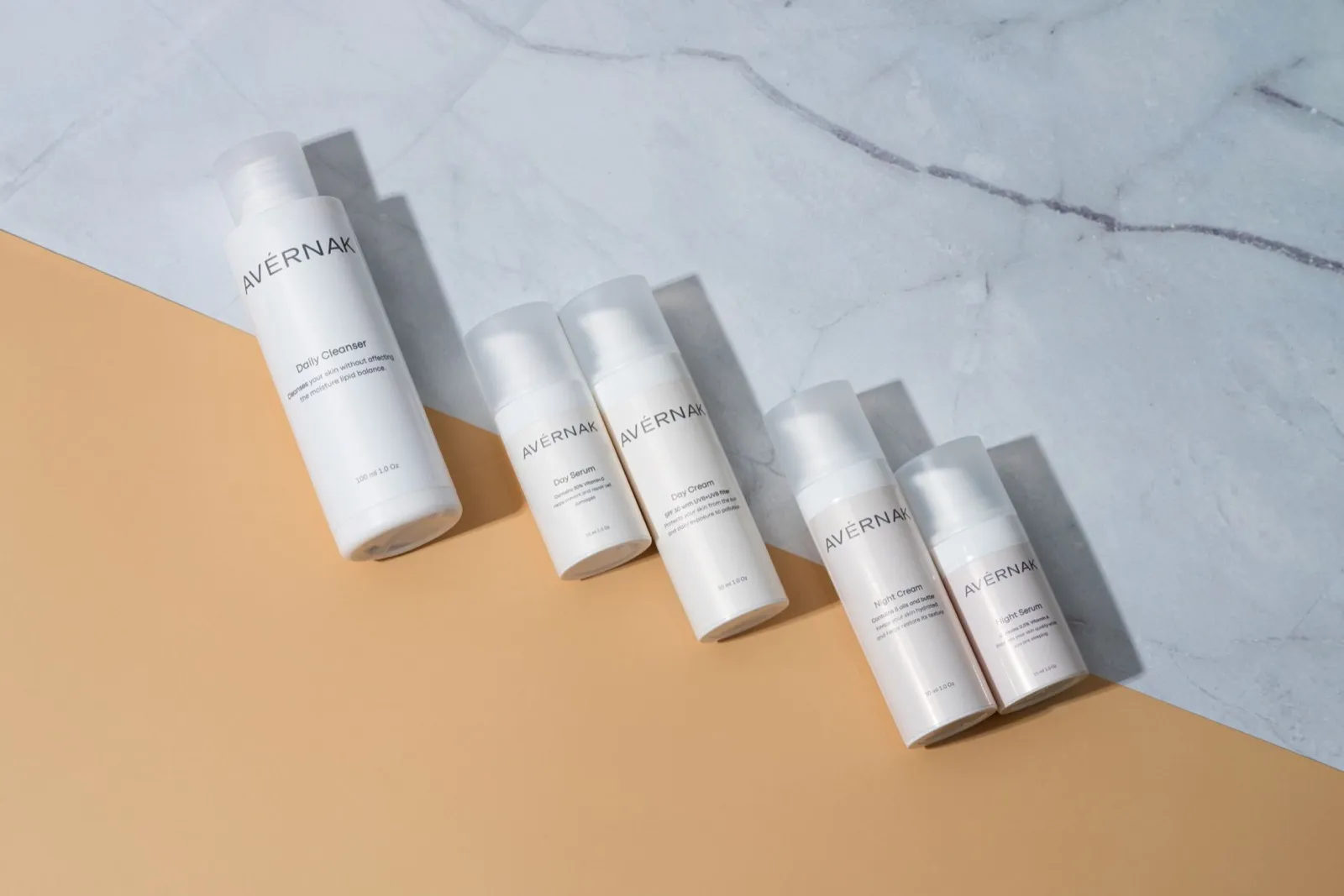
Image Credit: Pexels / Avernak Skincare
A facial cleanser removes makeup, sunscreen, excess oil, sweat, and daily residue from your skin. The right cleanser should leave your face feeling clean and comfortable, not tight, sore, or stripped.
Choose a gentle formula suited to your skin type. Gel and foaming cleansers often appeal to oily skin, while cream, milk, and balm cleansers may feel more comfortable on dry skin. Sensitive skin may benefit from a simple fragrance-free cleanser.
You do not need the strongest cleanser or the most complicated routine. Gentle, consistent cleansing is usually more useful than repeatedly scrubbing your skin.
What is a facial cleanser?
A facial cleanser is a skincare product designed to lift away substances that collect on the surface of your skin, including:
- Excess oil
- Sweat
- Makeup
- Sunscreen
- Airborne dirt
- Dead surface skin cells
- Residue from other products
Cleansers contain ingredients that help oil and water mix so residue can be rinsed away. A cleanser is not the same as an exfoliant. Some cleansers contain exfoliating ingredients, but an ordinary daily cleanser is mainly intended to clean the skin.
Why is cleansing important?
Cleansing prepares your skin for the rest of your routine. Removing makeup, sunscreen, and excess oil can help prevent residue from remaining on the skin overnight.
However, cleansing too aggressively can cause its own problems. Repeated washing, rough cloths, very hot water, and harsh formulas may leave the skin dry or irritated.
The American Academy of Dermatology recommends using a gentle, non-abrasive cleanser, lukewarm water, and your fingertips rather than scrubbing the face.
Types of facial cleansers
Gel and foaming cleansers
Gel cleansers have a light, slippery texture and usually rinse away with water. They may suit oily, combination, or acne-prone skin and people who prefer a fresh rinsed finish.
Foaming cleansers are often chosen for oily or combination skin because they can remove excess surface oil effectively. Look for a gentle formula rather than choosing the cleanser that leaves your skin feeling most squeaky.
Cream and milk cleansers
Cream cleansers have a soft, lotion-like texture and may feel more comfortable on dry, sensitive, or mature skin. Milk cleansers are lightweight fluid formulas that cleanse without producing much lather.
They may work well for gentle morning cleansing or light makeup removal. You may need a separate remover first for waterproof makeup or several layers of sunscreen.
Cleansing balms and oils
Cleansing balms begin as a solid or thick texture and melt into an oil as you massage them over dry skin. Cleansing oils work in a similar way.
They can be particularly useful for foundation, sunscreen, waterproof mascara, eyeliner, long-wearing lipstick, and cream makeup. Add water after massaging to emulsify the product, then rinse according to the instructions.
Micellar water
Micellar water is a liquid cleanser usually applied with a cotton or reusable pad. It can remove light makeup, skin tint, powder, brow products, non-waterproof mascara, and surface oil.
Hold the dampened pad against the skin briefly before wiping. This gives the cleanser time to loosen the product and reduces the need for rubbing.
Medicated cleansers
Medicated cleansers contain active ingredients intended to address a particular concern, such as acne. Examples may include salicylic acid or benzoyl peroxide.
They can cause dryness or irritation, particularly when combined with other active skincare. Follow the label and any advice from your pharmacist, GP, or dermatologist.
How to choose a cleanser for your skin type
Oily or acne-prone skin
A lightweight gel or gentle foaming cleanser can remove excess oil without requiring hard scrubbing. Look for gentle, oil-free, non-comedogenic, or fragrance-free options if those descriptions suit your needs.
Avoid trying to remove every trace of oil. Skin naturally produces oil, and washing repeatedly may cause irritation.
Dry skin
Consider a cream cleanser, milk cleanser, cleansing balm, non-foaming cleanser, or fragrance-free formula. Use lukewarm water and apply moisturiser after washing if your skin tends to feel dry.
Combination skin
A mild gel, low-foaming cleanser, or gentle cream cleanser may provide a useful balance. Start with one gentle formula and adjust only if some areas remain uncomfortable or greasy.
Sensitive skin
Look for a simple cleanser described as fragrance-free, suitable for sensitive skin, gentle, non-foaming, or soap-free.
Terms such as “hypoallergenic” do not guarantee that a product will suit everyone. Introduce one new cleanser at a time and stop using it if you develop persistent burning, itching, swelling, or a rash.
Mature or balanced skin
Mature skin is not a separate skin type, but it may become drier, more delicate, or more sensitive over time. Cream, milk, or gentle non-foaming cleansers may feel comfortable.
Balanced skin may tolerate a wider range of formulas. Choose the product that removes daily residue without causing tightness, excess shine, or irritation.
How to wash your face properly
- Wash your hands before touching your face.
- Remove heavy makeup first with micellar water, cleansing balm, cleansing oil, or a dedicated remover if needed.
- Wet your face with lukewarm water.
- Apply a small amount of cleanser.
- Massage gently using your fingertips.
- Rinse thoroughly, including the hairline, sides of the nose, jaw, and eyebrows.
- Pat the skin dry with a clean, soft towel.
- Apply your usual moisturiser or skincare.
Avoid pressing hard or dragging the skin.
How often should you cleanse your face?
Many people cleanse in the morning and evening. An evening cleanse removes makeup, sunscreen, oil, and daily residue.
Dry or sensitive skin may feel comfortable with water or a very gentle cleanse in the morning and a thorough but gentle cleanse in the evening.
Oily or acne-prone skin may benefit from cleansing up to twice daily and after heavy sweating. Repeated washing throughout the day may irritate the skin.
What is double cleansing?
Double cleansing uses two cleansing steps. The first removes makeup, sunscreen, and oil-based products. The second removes remaining residue from the skin.
A typical double cleanse includes a cleansing balm, cleansing oil, or micellar water followed by a gentle gel, cream, or low-foaming facial cleanser.
It may be useful after full makeup or water-resistant sunscreen, but it is not essential for everyone.
Can you over-cleanse your skin?
Yes. Cleansing too often or too aggressively may cause tightness, stinging, dry patches, redness, flaking, increased sensitivity, or discomfort when applying moisturiser.
If this happens, simplify your routine. Use a gentle cleanser, reduce unnecessary washing, and avoid adding exfoliating products until your skin feels comfortable.
Common cleanser mistakes
Avoid:
- Choosing the strongest formula
- Washing with very hot water
- Scrubbing with a rough cloth
- Washing too many times
- Using too much product
- Changing several products at once
- Expecting cleanser to treat every concern
- Forgetting the hairline and jaw
Your face should feel clean but still comfortable.
When to get professional help
Stop using a cleanser if it causes persistent burning, itching, swelling, blistering, or a worsening rash.
Speak to a pharmacist, GP, or dermatologist if your skin remains painful, inflamed, cracked, or uncomfortable after simplifying your routine.
Seek advice for severe or persistent acne, ongoing facial redness, recurrent dermatitis, or symptoms that affect your daily life.
Seek urgent medical help if a product causes difficulty breathing or swelling of your lips, mouth, tongue, or throat.
Related reading
- How to Remove Makeup Properly: A Gentle Step by Step Guide
- Makeup by Skin Type: How to Choose and Apply the Right Products
- Face Makeup Guide for Beginners: Products, Order and Easy Application Tips