Solo Hobbies for People Who Love Their Own Company
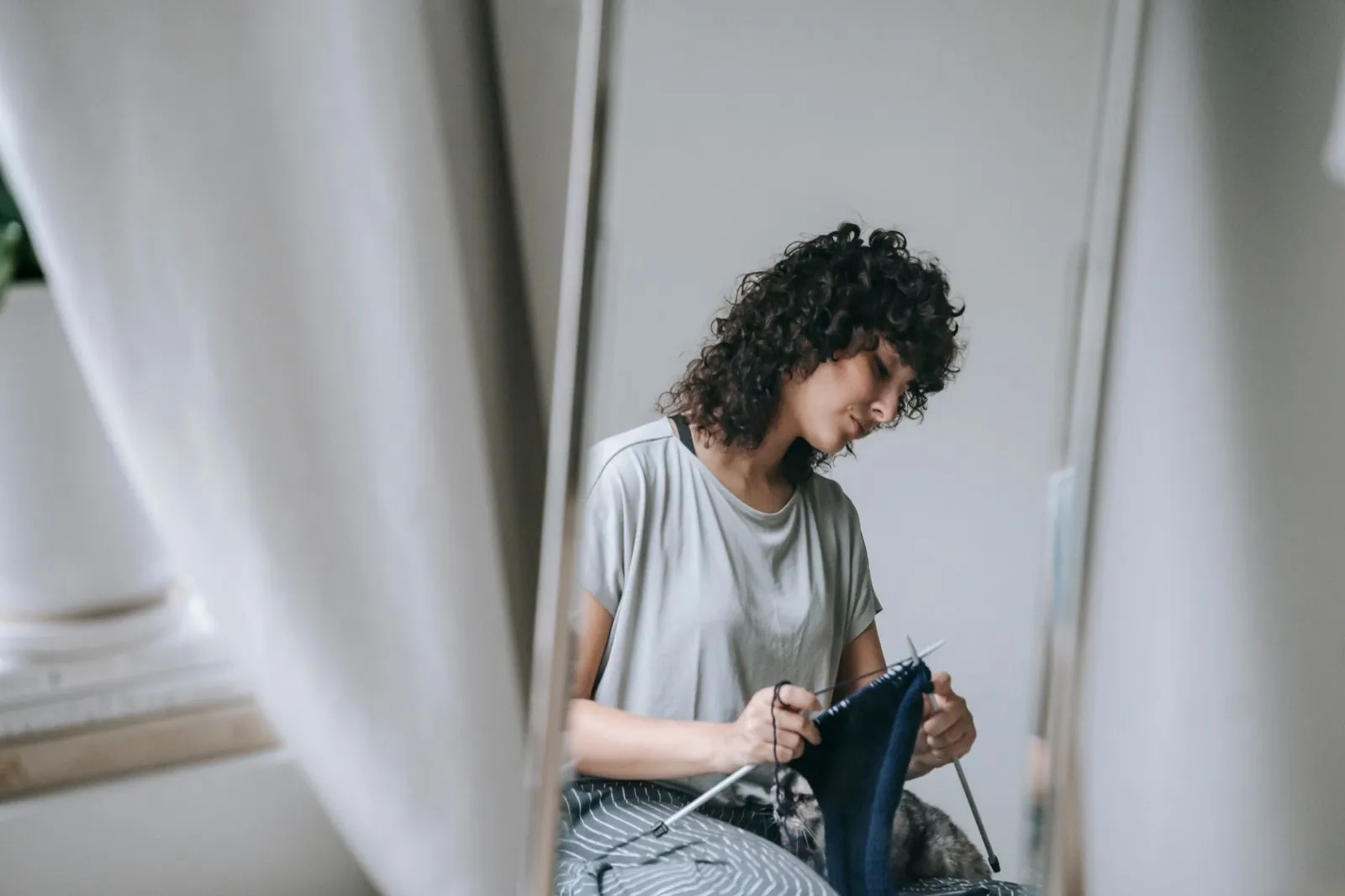
Image Credit: Pexels / Sam Lion
Liking your own company is not a problem to correct. A solo hobby can be a way to follow your curiosity at your own pace, without coordinating calendars, making small talk or turning every interest into a group activity. It can also be a calm counterweight to a busy job, family life or a noisy world.
Choose a hobby that suits the kind of solitude you want. Some are quiet and inward, such as reading or drawing. Some give you a reason to go out alone, such as birdwatching or visiting museums. Some are practical and absorbing, such as cooking, gardening or mending. None require you to become a different kind of person.
Quiet hobbies for home
Reading is a generous solo hobby because it can be fitted around almost any schedule. Borrow novels, memoirs, comics, poetry or audiobooks from your library. Keep a small list of books you want to try, but do not make finishing a book a moral achievement. The right book for a tired week may be a comfort reread.
Writing by hand can be equally private. Keep a journal, write about ordinary days, make lists of things you notice or try short fiction. You do not need an audience. A useful prompt is to describe one object as if someone from another century has found it.
Drawing, colouring, collage and watercolour invite focused attention without requiring a large commitment. Start with a pencil and objects around you. If you enjoy images more than making them, create a scrapbook of museum postcards, printouts, ticket stubs and notes.
Puzzles, crosswords, chess problems and jigsaws suit people who like a clear task. Use a tray so a puzzle can be put away, buy second-hand or swap with friends. The hobby is the small stretch of concentration, not the number of completed boxes.
Hands-on solo hobbies
Knitting, crochet, embroidery, mending and hand sewing can be companionable even when you do them alone. Begin with a single useful skill: sew on a button, make a running stitch or learn a basic crochet chain. Work slowly enough that your hands stay comfortable and take breaks.
Cooking gives you many directions to explore: one region’s food, bread, simple soups, seasonal vegetables, tea, baking or preserving. Pick recipes that fit your budget and kitchen rather than buying special equipment. Keep a notebook of meals you genuinely liked, including the easy ones.
Houseplants and container gardening give you a small ongoing project. Learn the needs of one plant before adding more. If you have a garden, choose one tiny area rather than trying to transform everything. If you do not, herbs or a windowsill cutting are enough.
Model-making, miniature scenes, bookbinding and repair projects can be satisfying for people who enjoy working with a clear process. Borrow or buy only basic tools until you know the activity holds your interest.
Solo hobbies that get you out of the house
Take a walk with an interest attached: photograph brickwork, notice trees, follow a local-history route or look for birds. A themed walk offers a reason to go slowly and can make familiar streets feel different. Carry water, check the weather and choose a route that feels safe and comfortable.
Museums and galleries are excellent alone because you can linger or leave without negotiating. Pick one room, exhibition or object to focus on. Many have free permanent collections, and some offer audio guides, late openings or quieter visiting times.
Birdwatching, stargazing, geocaching and local history research offer gentle structure outdoors. Start close to home. Learn three common birds, identify one constellation or research the history of a building you pass. You do not need expensive kit for the first stage.
Swimming can be a peaceful solo activity if the pool environment suits you. Check for quieter sessions, accessible changing rooms and lane arrangements before going. Cycling on traffic-free paths, gardening and gentle outdoor photography are other ways to spend time alone while moving at your own pace.
Keep solitude enjoyable, not isolating
Solitude and loneliness are not the same. You can deeply enjoy solo time and still want meaningful contact with other people. A useful balance might be a private hobby during the week and one low-pressure social touchpoint, such as a call with a friend, library visit or familiar class, when you want it.
Notice how you feel after a hobby. Peaceful, interested and restored may be signs it is serving you well. If you regularly feel more cut off, flat or anxious afterwards, vary the setting or speak to someone you trust. You do not have to force sociability, but you deserve support if being alone has become painful rather than chosen.
A simple way to choose
Make three columns: “at home”, “outside” and “hands busy”. Put two ideas in each. This week, choose one that costs little, takes under an hour and does not require special confidence. Repeat it twice before judging it. The second attempt is often when the setup becomes familiar enough for enjoyment to appear.
Make solo time feel intentional
It can help to make a small transition into a solo hobby. Make a drink, clear a chair, put on a familiar album or take your materials to a different room. The ritual need not be elaborate. It simply tells your attention that this is time you are choosing, rather than time left over after everything else.
Keep a short record of what you want to return to. A list might include a book you paused, a local trail, a sewing repair, an exhibition, a recipe and a question to research. When you have an unexpectedly free hour, you will not need to invent an interest from scratch.
Solo hobbies can also be portable. Carry a book, small notebook, headphones for an audiobook, camera or simple handwork for waiting rooms, train journeys and quiet lunch breaks. There is no obligation to fill every gap, but having an option can make unplanned time feel less empty.
Let a hobby be a private pleasure
There is no need to make a solo interest legible to other people. You can research maps without becoming an expert, keep a notebook nobody reads, revisit the same gallery room or cook the same bread every week. Repetition is often part of enjoyment.
If you do want occasional input without ongoing social contact, borrow a library book, visit a public talk, use a museum audio guide or take a self-guided trail. These forms of company can add perspective while leaving your time fully your own.
Plan solo outings with care
For an outing alone, choose the practical details before you leave: opening times, route, cost, weather, phone charge and when you plan to return. A simple plan can make a museum visit, walk or public talk feel more relaxed, especially if you are trying it for the first time.
Pick places where you can leave easily if your energy changes. A gallery, library, café near a park or short local trail lets you stay for ten minutes or two hours. Bring what supports your comfort, such as water, a layer, headphones, a mobility aid or a small notebook.
If an outdoor hobby takes you somewhere unfamiliar, tell someone your broad plan, check conditions and choose established public routes. Solo time can be independent while still being sensible about safety.
For indoor outings, check whether timed entry, bag rules or accessible facilities affect your plan. Knowing you can take a break, find a seat or leave early helps a new place feel genuinely enjoyable rather than like an endurance test.
Frequently asked questions
What are the best hobbies for introverts?
There is no single best hobby. Reading, drawing, gardening, cooking, local history, walking, photography and crafts are all good options if you enjoy quiet concentration. Introversion does not mean you must avoid people, only that your preferred pace may differ.
Is it strange to go to a museum or class alone?
No. Many people attend museums, films, talks and classes alone. Arrive with a small plan, such as seeing one exhibition or staying for forty minutes, and leave when you have had enough.
How can I afford hobbies when I live alone?
Use your library, borrow equipment, buy second-hand, choose public spaces and set a small first-try budget. A hobby does not need lots of supplies to be real.
When to get professional advice
Chosen solitude can be nourishing, but persistent loneliness, low mood, anxiety or withdrawal that is affecting daily life deserves support. Speak to a GP or qualified mental health professional if you are struggling. Seek individual medical advice if you have a health concern or injury before beginning demanding physical activities.
Related reading
- Hobbies You Can Do at Home When You’re Bored
- How to Make Friends as an Adult
- 50 Hobbies for Women Who Want to Try Something New