When Do Babies Start Talking? First Words and Language Milestones
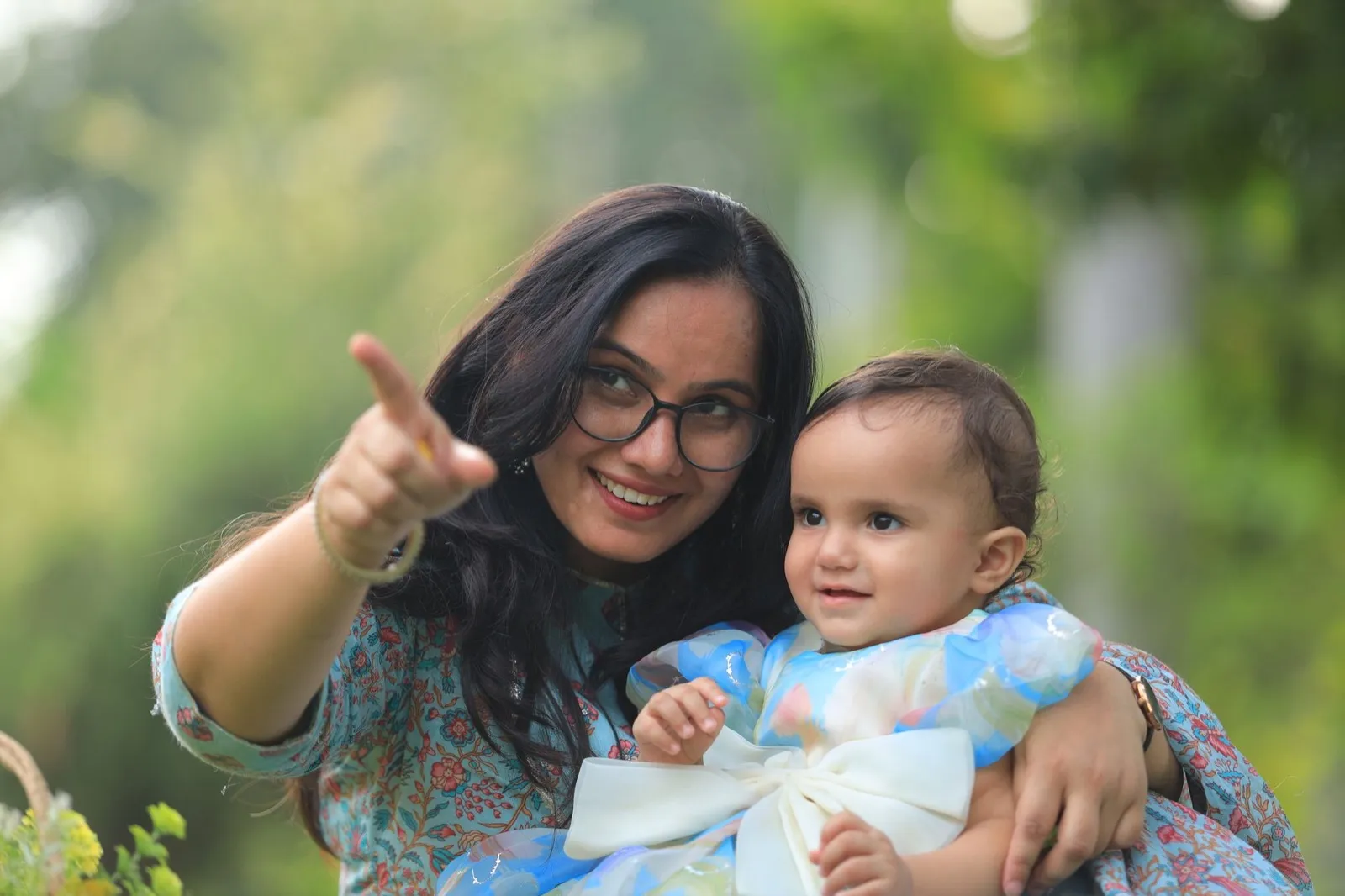
Image Credit: Pexels / the Amritdev
Babies usually spend many months learning about communication before they say a recognisable first word. Long before talking begins, your baby is listening to voices, making sounds, watching faces, taking turns in little vocal exchanges and learning that sounds and gestures have meaning.
By around 12 months, the US Centers for Disease Control and Prevention lists calling a parent “mama”, “dada” or another special name among common language milestones. NHS guidance describes babies between 6 and 12 months as becoming increasingly interested in sounds, words and gestures, with some beginning to use simple words around their first birthday.
There is plenty of variation. Some babies say a recognisable word earlier, while others take longer. Rather than focusing on one first-word deadline, it is more useful to watch how your baby’s communication develops over time.
What counts as a baby’s first word?
Parents often wonder whether an enthusiastic “mamamama” really counts as “mama”.
Babbling and meaningful words are not quite the same thing. Babies experiment with repeated speech-like sounds before they consistently connect a word with a particular person, object or idea.
By 9 months, the CDC lists making repeated sounds such as “mamamama” and “bababababa” as a language and communication milestone. By 12 months, calling a parent “mama”, “dada” or another special name is included on the milestone checklist.
A first word is therefore more than simply producing the right combination of sounds. Your baby begins using a particular sound or word meaningfully and consistently.
The pronunciation may not sound perfect. Early words are still part of a developing communication system.
How communication develops before first words
Language development begins well before spoken words.
During the first year, babies gradually learn that communication goes backwards and forwards. They listen, watch, make sounds and notice how people respond.
The CDC lists making sounds other than crying among the milestones most babies reach by 2 months. By 4 months, babies may make cooing sounds and respond with sounds when someone talks to them.
At 6 months, milestones include taking turns making sounds, squealing and blowing raspberries.
By 9 months, babbling may include repeated strings of sounds. Babies may also lift their arms to show they want to be picked up.
All of these behaviours are part of communication development. Spoken words are only one part of the picture.
Around 2 to 4 months: early sounds
In the first few months, crying remains an important way for your baby to communicate their needs.
Gradually, other sounds begin appearing.
At around 2 months, the CDC lists making sounds other than crying as a communication milestone. By 4 months, babies may make cooing sounds such as “oooo” and “aahh” and make sounds back when you talk.
These early exchanges may feel simple, but they introduce the pattern of conversation.
Try talking to your baby and pausing. If they make a sound, respond. You do not need to correct or teach anything. You are simply showing that communication can involve taking turns.
The NHS recommends holding babies close, looking at them while talking and repeating the sounds they make.
Around 4 to 6 months: experimenting with the voice
Between 4 and 6 months, your baby’s collection of sounds may become much more varied.
They may squeal, laugh, blow raspberries or experiment with different pitches and volumes.
By 6 months, the CDC includes taking turns making sounds with you among common communication milestones.
This stage can be wonderfully noisy. Your baby is discovering what their mouth and voice can do.
You can respond naturally. Copy a sound, smile, say something back and give your baby a chance to respond again.
There is no need for special language exercises. Ordinary conversation during nappy changes, getting dressed or play provides plenty of opportunities to hear speech.
Around 6 to 9 months: babbling becomes more complex
During the second half of the first year, babbling can begin to sound increasingly speech-like.
By 9 months, the CDC lists repeated sounds such as “mamamama” and “bababababa” among common communication milestones.
Your baby may also begin responding more clearly to language. Looking towards you when you call their name is included among the CDC’s 9-month social and emotional milestones.
The NHS recommends talking about things you can both see during the 6 to 12 month period. You can point to an object and name it, talk about pictures in a book or simply describe something that has caught your baby’s attention.
Following what your baby is already interested in can make these interactions feel natural rather than instructional.
Around 9 to 12 months: gestures, understanding and first words
Towards the end of the first year, babies often become much more intentional communicators.
They may use gestures, sounds, facial expressions and movements together. Waving, reaching or lifting their arms can communicate a clear message even without spoken words.
The NHS recommends combining words with gestures, such as waving while saying “bye bye”, during the 6 to 12 month stage.
By 12 months, CDC communication milestones include waving goodbye, calling a parent by a special name and understanding “no” well enough to pause briefly or stop.
Some babies may use other simple words around this stage too.
Remember that understanding language and speaking it are different skills. Your baby may recognise familiar words before they can say them.
What words do babies usually say first?
There is no required list of first words.
Words connected to familiar people, objects and everyday routines often become meaningful because babies hear them repeatedly in context.
A baby’s first recognisable words might relate to a parent, another familiar person, a favourite object, an animal or something they regularly see.
The CDC specifically uses “mama”, “dada” or another special name for a parent as its 12-month example.
What matters is not whether your baby says the same first word as somebody else’s child. It is the gradual development of meaningful communication.
How to encourage your baby’s language development
You do not need flashcards, formal lessons or a constant stream of educational activities to support early language.
The NHS recommends simple everyday interaction.
You can:
- talk to your baby during ordinary routines
- respond when they make sounds
- repeat some of their sounds back to them
- sing songs and nursery rhymes
- name things your baby is looking at
- use simple gestures alongside words
- look at books together
- give your baby time to respond rather than filling every pause
- use your baby’s name to help get their attention
Try to keep conversation natural. If your baby is watching water run into the bath, talk about the water. If they are staring at a dog, name the dog.
Language learning can sit comfortably inside everyday family life.
Does reading to a baby help with language?
Sharing books gives babies another opportunity to hear words and interact with you.
The NHS encourages looking at books together and talking about the pictures. You do not need to read a story perfectly from beginning to end.
A young baby may want to touch the pages, look at one picture repeatedly or lose interest after a short time. That is fine.
You can point, name what you see and follow your baby’s attention.
The aim is not to teach them to read. It is another enjoyable way to share language and attention.
What if you speak more than one language at home?
You do not need to avoid using multiple languages with your baby.
The NHS advises parents to speak to their child in the language that feels comfortable and notes that children can learn to understand and use more than one language.
Using the language that comes naturally to you can make conversation richer and more relaxed.
A multilingual child’s words may be distributed across their languages as their communication develops. If you have concerns about your baby’s language development, tell the health professional which languages your baby regularly hears so they can consider the full picture.
Do screens help babies learn to talk?
Babies learn communication through interaction with people.
NHS guidance on helping babies learn to talk recommends reducing background noise from television and radio so that babies can listen to your voice more easily.
For children under 2, the World Health Organization advises that sedentary screen time is not recommended for 1-year-olds and is not recommended for infants.
That does not mean parents need to feel guilty about every moment a screen happens to be nearby. The practical focus is to create plenty of opportunities for face-to-face interaction, talking, singing and play.
What if my baby is quiet?
Babies vary in how vocal they are.
Some seem to experiment constantly with their voices, while others may be quieter. A quiet personality on its own does not tell you whether language development is progressing typically.
Look at communication more broadly.
Does your baby react to voices and sounds? Do they look at you? Are they making some sounds or using expressions and gestures to communicate? Are these skills changing over time?
If you are worried about your baby’s hearing or communication, speak to your health visitor or GP rather than waiting to see whether more words appear.
Hearing is closely connected with speech and language development, so concerns about how your baby responds to sound are worth raising.
What if my baby has not said a word by 12 months?
By 12 months, the CDC includes calling a parent “mama”, “dada” or another special name among the milestones most babies can do.
That does not mean a baby who has not produced a clear first word on their first birthday can be diagnosed with a language delay.
Development needs to be considered as a whole, including your baby’s babbling, gestures, understanding, social interaction and hearing.
If your baby is not meeting one or more language milestones or you are concerned about their communication, speak to your health visitor or GP.
You do not need to wait for the situation to become more obvious before asking a question.
When to get professional advice
Speak to your health visitor, GP or another qualified healthcare professional if you are concerned about your baby’s speech, language, hearing or communication.
The CDC recommends acting early if a child is not meeting one or more developmental milestones, has lost skills they previously had or if you have another developmental concern.
It is particularly important to seek advice if your baby stops using communication skills they previously had or if you are worried that they do not hear or respond to sounds.
In England, the NHS offers a health and development review between 9 and 12 months that includes language and learning. This is an opportunity to discuss communication, but you do not need to wait for the review if you are concerned now.
An online milestone guide can help you understand typical language development, but it cannot assess an individual child. Your health visitor, GP or another appropriate professional can look at your baby’s communication in the context of their overall development.
Related reading
- Baby Development
- How to Support Your Baby’s Development Through Play
- Baby Developmental Milestones: What to Expect in the First Year
Sources
- NHS: Help your baby learn to talk
- NHS: Your baby’s health and development reviews
- NHS Best Start in Life: Listening and learning, 6 to 12 months
- Centers for Disease Control and Prevention: Milestones by 2 Months
- Centers for Disease Control and Prevention: Milestones by 4 Months
- Centers for Disease Control and Prevention: Milestones by 6 Months
- Centers for Disease Control and Prevention: Milestones by 9 Months
- Centers for Disease Control and Prevention: Milestones by 1 Year
- World Health Organization: Guidelines on physical activity, sedentary behaviour and sleep for children under 5 years of age