When to take a pregnancy test
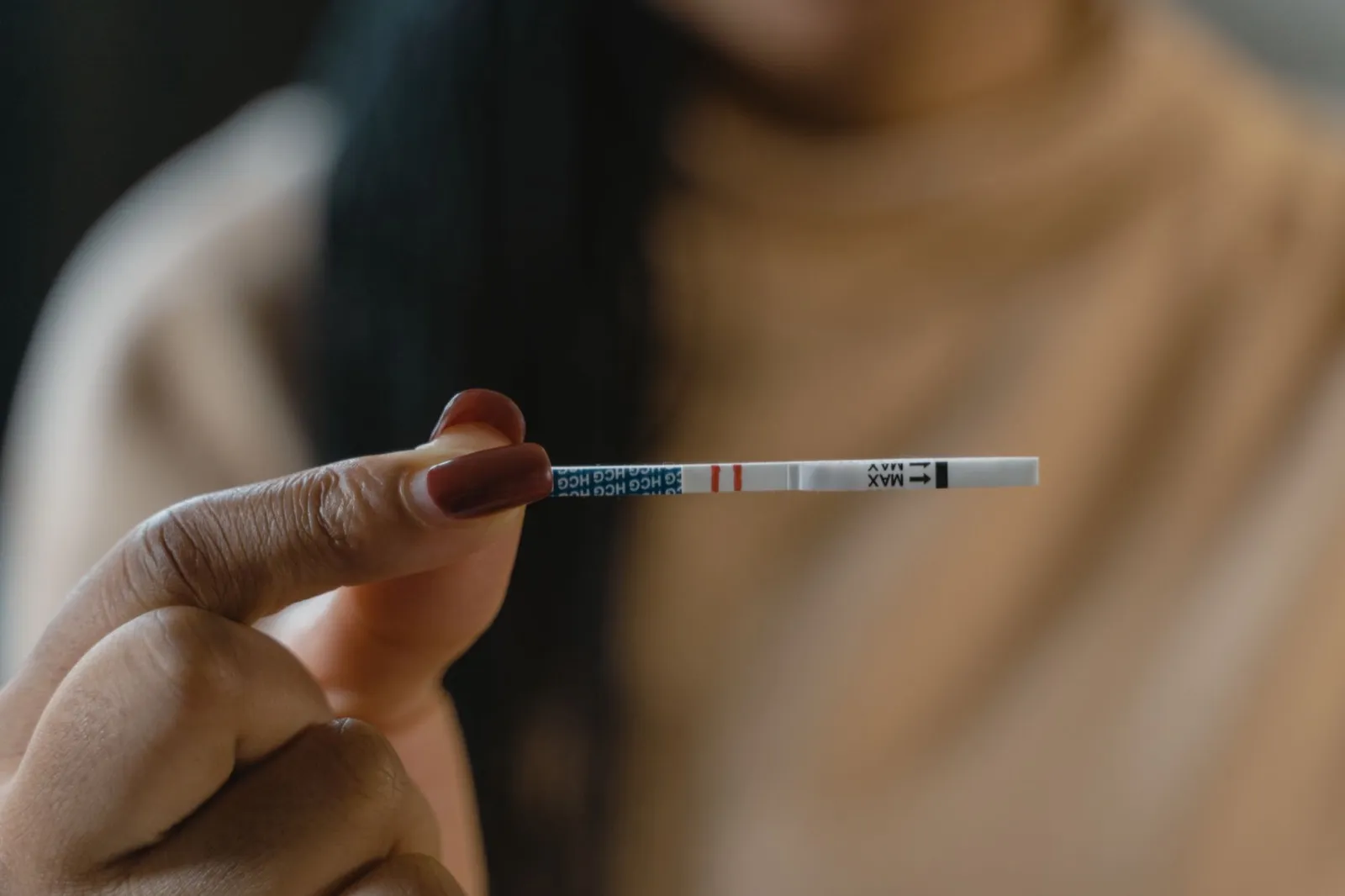
Image Credit: Pexels / Tima Miroshnichenko
Waiting to take a pregnancy test can feel much longer than it actually is, especially when the result matters deeply to you.
For most people, the clearest answer is simple: the NHS says most pregnancy tests can be taken from the first day of a missed period. If you do not know when your next period is due, the NHS recommends testing at least 21 days after you last had unprotected sex.
Some highly sensitive tests can be used before a missed period, but testing early increases the chance that a pregnancy may not yet be detected. If an early test is negative, you may need to test again later.
Why pregnancy test timing matters
Home pregnancy tests look for human chorionic gonadotrophin, usually called hCG, in urine. This hormone is produced during pregnancy.
In very early pregnancy, there may not yet be enough hCG in your urine for a home test to detect. This is one reason a test taken too early can give a negative result even if you are pregnant.
As more time passes, hCG becomes easier for a pregnancy test to detect. Waiting until the first day of a missed period therefore gives most home tests a better chance of providing a reliable result.
The exact timing of ovulation, fertilisation and implantation can also vary. Counting a certain number of days from when you think you ovulated does not always give a precise answer, particularly if you are not tracking ovulation clinically.
When to test if your period is late
If your periods are usually regular, the NHS recommends taking most pregnancy tests from the first day your period is missed.
For example, if you expected your period today and it has not arrived, you can usually take a pregnancy test today.
You do not need to wait until your period has been late for several days before testing, although following the instructions supplied with your particular test is important.
A missed period can have causes other than pregnancy. If tests remain negative and your period does not arrive, speak to your GP for advice.
When to test if you have irregular periods
Irregular periods can make pregnancy test timing more confusing because there may not be an obvious date when your period is considered late.
In this situation, the NHS advises taking a pregnancy test at least 21 days after the last time you had unprotected sex if you do not know when your next period is due.
This 21-day guidance can also be useful if you do not normally track your menstrual cycle closely enough to know when your period should start.
If there have been several occasions when pregnancy could have occurred, a healthcare professional or sexual health service can help you work out appropriate testing dates.
Can you take a pregnancy test before your missed period?
Some very sensitive pregnancy tests are designed to be used before a missed period. Their packaging should explain how early the particular test can be used.
An early negative result needs to be interpreted carefully. Tommy’s explains that testing too early can produce a negative result because there may not yet be enough hCG for the test to detect.
If knowing as early as possible is important to you, follow the manufacturer’s instructions closely and remember that you may need another test later.
Waiting until the first day of your missed period generally gives you a more reliable result.
What time of day should you take a pregnancy test?
You may have heard that a pregnancy test always needs to be taken first thing in the morning. NHS guidance says this is not necessary for most tests.
A pregnancy test can be performed using urine collected at any time of day.
The instructions supplied with your particular test still matter. Different products may have different directions about collecting urine, how long to wait and when the result should be read.
If the manufacturer gives specific instructions, follow those rather than relying on general advice.
When should you test after unprotected sex?
A pregnancy test taken immediately after unprotected sex cannot tell you whether that particular encounter has resulted in pregnancy.
If you do not know when your next period is due, the NHS recommends waiting at least 21 days after the last time you had unprotected sex before testing.
If unprotected sex happened within the past few days and you do not want to become pregnant, pregnancy testing is not a substitute for asking about emergency contraception. NHS guidance says emergency contraception needs to be used within specific time limits after unprotected sex. A pharmacist, GP or sexual health service can advise you about your options.
What if your pregnancy test is negative?
A negative result can be disappointing, relieving or simply confusing, depending on why you are testing.
The NHS notes that negative pregnancy test results are less reliable than positive ones. A negative test may mean you are not pregnant, but it can also happen if you have tested too early.
If the result is negative but you still think you may be pregnant, the NHS advises waiting a few days and testing again.
If you receive another negative result and your period still has not arrived, speak to your GP.
Try not to judge the result from pregnancy symptoms alone. Early pregnancy symptoms vary widely, and symptoms such as tiredness, breast tenderness or changes to your period can have other explanations.
What if your pregnancy test is positive?
The NHS says a positive home pregnancy test is almost certainly correct if you have followed the instructions properly.
If you want to continue the pregnancy, you can contact an NHS maternity service to arrange antenatal care. In England, you can usually self-refer for NHS pregnancy care without seeing a GP first.
If you are uncertain about continuing the pregnancy, you can seek confidential advice about your options from a healthcare professional or sexual health service.
There is no required emotional response to a positive result. You may feel pleased, frightened, surprised, uncertain or several things at once.
Should you test again after a negative result?
If you tested before your period was due, repeating the test later may give a clearer answer.
The NHS advises waiting a few days and trying again if your test is negative but you still think you may be pregnant.
Make sure you follow the instructions for the new test carefully. Check its expiry date and read the result within the time stated by the manufacturer.
Repeated negative tests alongside a period that has still not arrived are a reason to speak to your GP rather than continuing to rely on home testing.
When to get professional advice
Contact your GP if you have had a second negative pregnancy test but your period has still not arrived, or if you are unsure how to interpret your result or when you should test.
You should also seek medical advice if you think you might be pregnant and develop symptoms that could need assessment. NHS guidance advises contacting your GP or NHS 111 if you may be pregnant and have a combination of symptoms associated with ectopic pregnancy, such as one-sided lower abdominal pain, vaginal bleeding or brown watery discharge, shoulder-tip pain, or discomfort when going to the toilet. You should seek advice even if you have not had a positive pregnancy test.
Call 999 or go to A&E if you have a sharp, sudden and intense abdominal pain together with symptoms such as severe dizziness or fainting. The NHS advises urgent emergency assessment because these symptoms can occur if an ectopic pregnancy ruptures.
If you are worried about symptoms at any point, you do not need to wait until you have a definite pregnancy test result before asking for medical advice.